

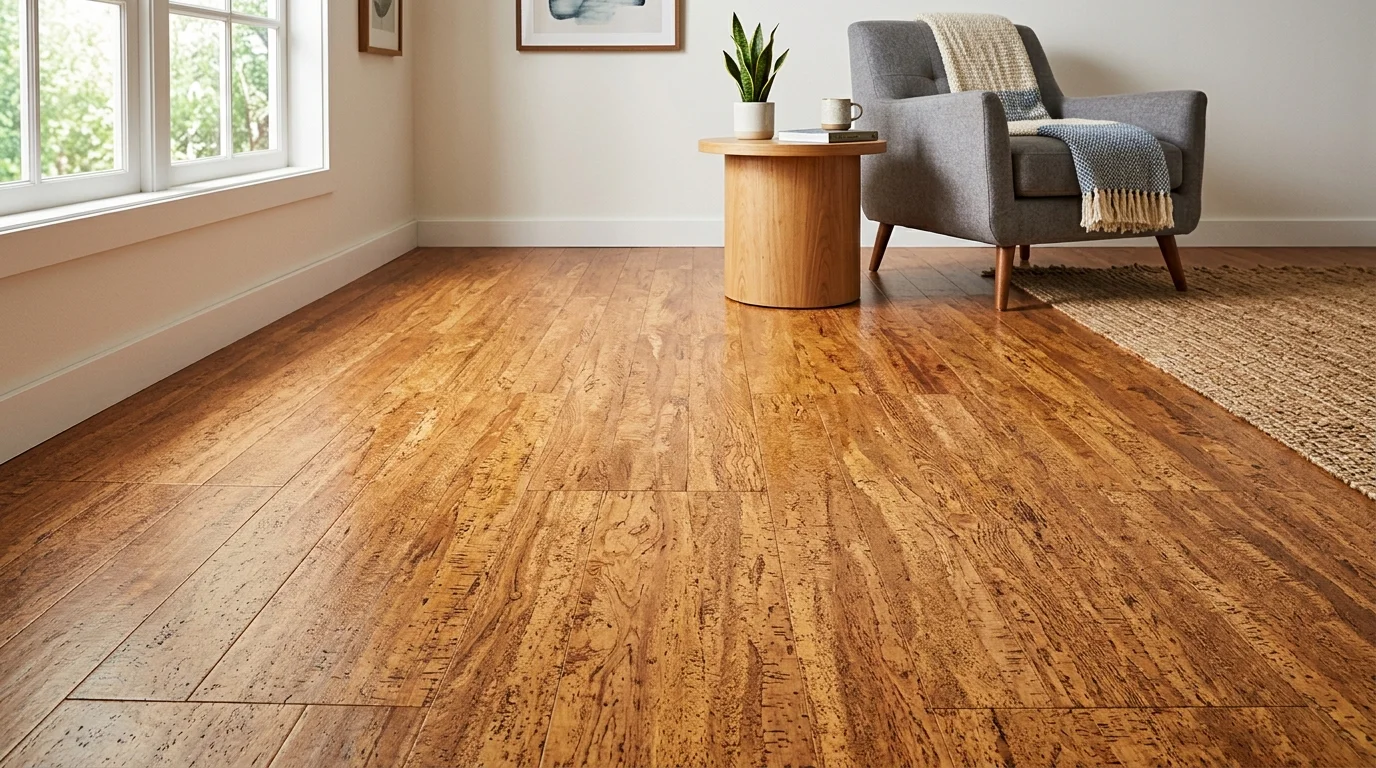

Introduction
Have you ever walked into a room and instantly felt a sense of warmth under your feet? That cozy, soft feeling might just come from cork flooring. In a world where homeowners are constantly looking for comfort, sustainability, and style, this unique flooring option is quietly making a big impact.
Think of it like the “cushion” of your home’s foundation—soft, supportive, and surprisingly durable. In this guide, we’ll explore everything you need to know about cork flooring, from its benefits and types to installation tips and maintenance secrets.
1. What Makes Cork Flooring Unique
Cork flooring stands out because it comes from nature itself. Unlike synthetic materials, it is harvested from the bark of cork oak trees without harming them. This gives it a natural elasticity and softness that few flooring materials can match.
It feels like walking on a gentle sponge that supports your every step—comfortable yet strong enough for daily use.
2. The Natural Origin of Cork Material
Cork is harvested primarily from cork oak trees found in Mediterranean regions. What makes it truly special is that the bark regenerates after being stripped, making it a renewable resource.
This natural cycle makes cork one of the most environmentally friendly materials used in home construction today. It’s nature’s way of offering us a gift that keeps on giving.
3. Key Benefits of Cork Flooring
Cork flooring isn’t just about looks—it offers real-life advantages:
• Comfort underfoot – Soft and springy texture reduces fatigue
• Noise reduction – Naturally absorbs sound, making homes quieter
• Thermal insulation – Keeps rooms warmer in winter and cooler in summer
• Hypoallergenic – Resists dust and allergens
• Eco-friendly choice – Sustainable and renewable material
It’s like having a built-in comfort system beneath your feet.

4. Different Types of Cork Flooring
There are several types available depending on your needs:
• Glue-down cork tiles
These are fixed directly to the subfloor, offering a stable and permanent solution.
• Floating cork floors
Easy to install and perfect for DIY enthusiasts. These click together like puzzle pieces.
• Cork planks
Designed to resemble hardwood flooring while maintaining cork’s softness.
Each type offers a different balance of convenience, durability, and style.
5. Where Cork Flooring Works Best
Cork flooring is versatile, but it shines in certain spaces:
• Bedrooms – Soft and warm underfoot
• Living rooms – Comfortable for long sitting and walking
• Home offices – Reduces noise and fatigue
• Playrooms – Safe and cushioned for kids
However, it’s not always ideal for very wet areas like bathrooms unless properly sealed.
6. Installation Process Explained
Installing cork flooring can be simple or complex depending on the type:
- Prepare a clean, level surface
- Acclimate cork material to room temperature
- Apply adhesive (for glue-down types) or click planks together
- Allow proper curing time
- Seal the surface for protection
It’s like building a puzzle—you just need patience and precision.
7. Maintenance and Cleaning Tips
Keeping cork flooring in good shape is easy:
• Sweep or vacuum regularly
• Use a damp mop (not soaking wet)
• Avoid harsh chemicals
• Place protective pads under furniture
Think of it as caring for a natural surface that appreciates gentle handling.
8. Durability and Lifespan
Despite being soft, cork flooring is surprisingly durable. With proper care, it can last 15–30 years or more.
Its natural elasticity allows it to “bounce back” from pressure, reducing permanent dents and damage. However, heavy furniture or sharp objects should still be handled carefully.
9. Cost Considerations
Cork flooring is generally mid-range in price. While it may cost more than basic vinyl, it is often cheaper than hardwood.
Costs depend on:
- Type of cork flooring
- Installation method
- Quality and thickness
- Finishing and sealing
It’s a long-term investment in comfort and sustainability.
10. Environmental Impact and Sustainability
One of the biggest advantages of cork flooring is its eco-friendly nature. Since cork bark regenerates, no trees are cut down during harvesting.
Additionally:
- It is biodegradable
- Requires low energy production
- Supports sustainable forestry practices
Choosing cork is like choosing to walk lightly on the planet.
11. Design Options and Aesthetic Appeal
Gone are the days when cork looked plain or boring. Today, it comes in:
• Natural earthy tones
• Stained finishes
• Patterns and textures resembling wood or stone
It fits well in modern, rustic, and minimalist interiors alike, adding warmth and personality to any room.
12. Common Problems and How to Avoid Them
Like any flooring, cork has a few challenges:
• Moisture sensitivity – Always seal properly
• Fading from sunlight – Use curtains or UV protection
• Scratches from heavy use – Use furniture pads and rugs
With simple precautions, these issues are easy to manage.
13. Cork Flooring vs Other Flooring Options
Compared to hardwood, tile, or laminate:
- More comfortable than tile
- Quieter than hardwood
- More eco-friendly than vinyl
- Warmer than stone flooring
It’s like choosing comfort sneakers over formal shoes—you feel the difference immediately.
14. Final Thoughts on Cork Flooring
Cork flooring is more than just a design choice—it’s a lifestyle upgrade. It brings comfort, sustainability, and natural beauty into your home in a way few materials can match.
If you’re looking for something that feels good, looks great, and supports the environment, cork flooring might just be the perfect fit.
FAQs
1. Is cork flooring good for long-term use?
Yes, with proper maintenance, cork flooring can last up to 30 years.
2. Can cork flooring get wet?
It can handle light moisture, but it should not be exposed to standing water for long periods.
3. Is cork flooring suitable for pets?
Yes, but trimming pet nails helps prevent surface scratches.
4. Does cork flooring fade in sunlight?
Yes, prolonged sunlight can cause fading, so UV protection is recommended.
5. Can I install cork flooring myself?
Floating cork floors are DIY-friendly, while glue-down types may require professional installation.
