

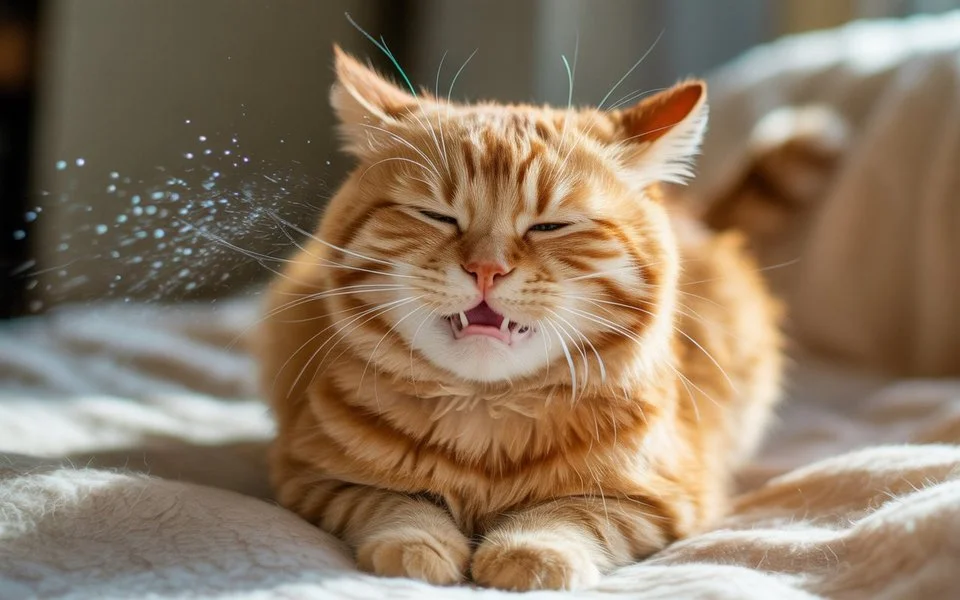

Cat Sneezing a Lot: What Every Cat Owner Should Know
Have you noticed your furry friend cat sneezing more than usual lately? A tiny “achoo” here and there may seem harmless, but when your cat sneezing a lot becomes frequent, it can leave you worried and confused. Is it just dust? Could it be allergies? Or is your beloved pet trying to tell you something more serious?
Cats, much like humans, sneeze occasionally to clear irritants from their noses. But excessive sneezing can sometimes point to hidden health concerns. Think of a cat’s nose like a sensitive smoke detector—it reacts quickly when something in the environment feels wrong.
In this guide, we’ll explore the common causes, warning signs, treatment options, and prevention methods for frequent sneezing in cats. Whether you’re a first-time pet owner or a long-time cat lover, this article will help you understand what’s normal and when it’s time to visit the vet.
Understanding Why Cats Sneeze
Cat Sneezing is a natural reflex. It helps cats clear dust, pollen, mucus, or other tiny particles from their nasal passages. An occasional sneeze usually isn’t something to panic about.
However, if your cat sneezing a lot happens several times a day or continues for many days, it may indicate an underlying issue. Cats often hide illness well, so repeated sneezing should never be ignored completely.
A healthy cat may sneeze once after sniffing something strong, like perfume or cleaning spray. But frequent sneezing paired with other symptoms often signals infection, inflammation, or irritation.
Common Causes of Frequent Sneezing
There are many reasons a cat might sneeze repeatedly. Some are mild and temporary, while others require medical treatment.
Dust and Household Irritants
Strong odors can easily irritate a cat’s sensitive nose. Common triggers include:
- Cigarette smoke
- Perfumes
- Air fresheners
- Cleaning chemicals
- Dusty litter
- Mold
Cats spend much of their time close to floors, carpets, and furniture where allergens collect. Even a freshly cleaned home can expose them to irritating fumes.
Seasonal Changes
Just like people, cats can react to pollen and seasonal allergens. Sneezing may increase during spring or autumn when pollen counts rise.
Stress
Stress can weaken a cat’s immune system, making it more vulnerable to respiratory issues. Moving homes, introducing new pets, or loud environments may contribute to sneezing episodes.
Allergies and Environmental Irritants
Allergies are one of the most common explanations behind frequent sneezing. A cat’s immune system may overreact to harmless substances in the environment.
Common Allergens
Cats may be sensitive to:
- Pollen
- Dust mites
- Certain foods
- Scented litter
- Smoke
- Mold spores
Symptoms of Allergies
Sneezing caused by allergies may come with:
- Watery eyes
- Itchy skin
- Excessive grooming
- Runny nose
- Coughing
Unlike infections, allergies usually don’t cause fever or severe lethargy.
Reducing Allergens at Home
You can lower irritants by:
- Vacuuming regularly
- Using unscented products
- Changing air filters
- Keeping smoking outdoors
- Choosing dust-free cat litter
Small environmental changes often make a huge difference.
Cat Flu and Respiratory Infections
One major reason behind a cat sneezing a lot is upper respiratory infection, commonly called cat flu.
Viral Infections
The two most common viruses are:
- Feline herpesvirus
- Feline calicivirus
These viruses spread easily between cats, especially in shelters or multi-cat households.
Symptoms of Cat Flu
Besides sneezing, infected cats may experience:
- Nasal discharge
- Fever
- Eye discharge
- Loss of appetite
- Low energy
- Mouth ulcers
Kittens and elderly cats are especially vulnerable because their immune systems are weaker.
Can Cat Flu Be Serious?
Yes. Severe infections may lead to dehydration, breathing difficulties, or pneumonia if untreated.
Prompt veterinary care can prevent complications and speed up recovery.
Dental Problems and Sneezing
Surprisingly, dental disease can also trigger sneezing in cats.
How Teeth Affect the Nose
A cat’s tooth roots sit close to the nasal passages. When infection develops in the mouth, bacteria can spread upward and irritate the sinuses.
Warning Signs of Dental Disease
Look for:
- Bad breath
- Difficulty eating
- Drooling
- Swollen gums
- Pawing at the mouth
Older cats are more likely to develop dental issues, making regular oral checkups important.
Foreign Objects in the Nose
Cats are naturally curious creatures. Sometimes they sniff things they shouldn’t.
Tiny objects like grass blades, dust particles, or plant material may get stuck inside the nasal passage.
Signs of a Blocked Nose
If a foreign object is present, your cat may show:
- Sudden intense sneezing
- Pawing at the nose
- Bloody nasal discharge
- Difficulty breathing through the nose
In these cases, veterinary help is necessary because trying to remove the object yourself could cause injury.
Signs That Require Veterinary Attention
Not every sneeze needs a vet visit, but certain symptoms should never be ignored.
Red Flags to Watch For
Seek medical care if your cat has:
- Persistent sneezing for several days
- Thick yellow or green mucus
- Blood from the nose
- Trouble breathing
- Loss of appetite
- Fever
- Weight loss
- Extreme tiredness
Cats can deteriorate quickly when respiratory issues become severe.
When Sneezing Becomes an Emergency
Breathing problems are always urgent. If your cat struggles to breathe or pants heavily, immediate veterinary care is essential.
How Veterinarians Diagnose Sneezing
A vet will first perform a physical examination and review your cat’s medical history.
Diagnostic Tests
Depending on symptoms, the veterinarian may recommend:
- Blood tests
- Nasal swabs
- Dental exams
- X-rays
- CT scans
- Allergy testing
These tests help identify whether the cause is viral, bacterial, allergic, or structural.
Importance of Accurate Diagnosis
Treating sneezing without understanding the cause is like trying to fix a leaking roof without finding the hole. Proper diagnosis ensures effective treatment.
Treatment Options for Sneezing Cats
Treatment depends entirely on the underlying problem.
For Viral Infections
There’s no instant cure for most cat viruses, but supportive care helps cats recover. Treatment may include:
- Antiviral medication
- Fluids
- Appetite stimulants
- Immune support
For Bacterial Infections
Antibiotics may be prescribed if bacteria are involved.
For Allergies
Your vet may suggest:
- Antihistamines
- Environmental changes
- Air purifiers
- Dietary adjustments
For Dental Disease
Dental cleaning or tooth extraction may solve the sneezing issue if oral infection is responsible.
For Nasal Blockages
Foreign objects or polyps may require removal under anesthesia.
Home Care Tips for Recovery
Helping your cat feel comfortable during recovery is very important.
Keep Your Cat Hydrated
Cats with blocked noses may lose interest in water and food. Encourage hydration with:
- Wet food
- Fresh water
- Cat-safe broths
Create a Calm Environment
Stress reduction can improve healing. Provide:
- Quiet resting spaces
- Warm bedding
- Gentle attention
Use Humidity
Steam from a warm shower can help loosen mucus and ease congestion.
Clean Discharge Carefully
Use a soft damp cloth to wipe away eye or nose discharge gently.
Never give human cold medicines to cats unless specifically directed by a veterinarian.
Preventing Sneezing in Cats
Prevention is always easier than treatment.
Vaccinations Matter
Routine vaccines protect against common respiratory viruses.
Maintain Clean Living Spaces
A cleaner home means fewer irritants. Focus on:
- Dust control
- Litter box hygiene
- Ventilation
Regular Veterinary Checkups
Yearly health exams help catch problems early before symptoms worsen.
Good Nutrition
A healthy diet supports the immune system and overall wellness.
Special Considerations for Kittens and Senior Cats
Kittens
Young cats are more likely to catch infections because their immune defenses are still developing.
Frequent sneezing in kittens should be monitored carefully, especially if accompanied by poor appetite or eye discharge.
Senior Cats
Older cats may face chronic illnesses, dental disease, or weakened immunity. Persistent sneezing in elderly cats often deserves thorough investigation.
Myths About Cat Sneezing
“Sneezing Is Always Normal”
Occasional sneezing is normal. Constant sneezing is not.
“Cats Can’t Get Allergies”
Cats absolutely can develop allergies, just like humans.
“Indoor Cats Don’t Get Respiratory Infections”
Even indoor cats can catch viruses through contact with other animals, contaminated objects, or stress-related immune weakness.
Conclusion
Seeing your cat sneezing a lot can feel concerning, especially when you don’t know the cause. In many cases, sneezing is linked to harmless irritants or mild allergies. But persistent sneezing can also point to infections, dental disease, or more serious health problems.
The key is observation. Pay attention to changes in appetite, energy levels, breathing, and nasal discharge. Cats rely on us to notice when something isn’t right because they often hide discomfort until it becomes severe.
By maintaining a clean environment, scheduling regular vet visits, and responding quickly to unusual symptoms, you can help your cat stay healthy and comfortable for years to come.
After all, every happy purr begins with good health.
FAQs
1. Why is my cat sneezing multiple times in a row?
Repeated sneezing may happen because of dust, allergies, infections, or nasal irritation. If it continues for several days, consult a veterinarian.
2. Can cat litter cause sneezing?
Yes. Dusty or scented litter can irritate sensitive nasal passages and trigger sneezing.
3. Should I worry if my cat sneezes blood?
Yes. Blood in nasal discharge can signal infection, injury, or a nasal blockage and should be checked by a vet immediately.
4. Can humans catch a cold from sneezing cats?
No. Common feline respiratory viruses generally do not spread to humans.
5. How can I help my sneezing cat at home?
Keep the environment clean, reduce stress, encourage hydration, and follow veterinary advice for treatment and recovery.
