

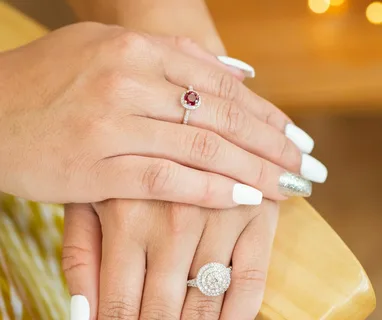

12 Fascinating Facts About the Wedding Ring Finger That Will Surprise You
Introduction
The wedding ring finger may seem like a tiny detail, but it carries centuries of emotion, culture, romance, and symbolism. Across the world, couples place rings on a specific finger to represent unity, loyalty, and everlasting love. It’s amazing how one small circle of metal can hold such deep meaning.
Think about it for a moment: a wedding ring is like a quiet promise wrapped around your finger every single day. It speaks without words. Whether someone chooses gold, silver, platinum, or a simple band, the gesture behind it remains powerful.
In today’s world, traditions are evolving. Some couples follow ancient customs, while others create their own meaningful practices. Yet the fascination with the wedding ring finger continues to grow. This article explores the history, symbolism, traditions, modern trends, etiquette, and emotional significance connected to this timeless tradition.

What Is the Wedding Ring Finger?
The wedding ring finger is traditionally the fourth finger of the left hand in many countries, especially in Western cultures. This finger became associated with romance and marriage due to ancient beliefs that it contained a special vein directly connected to the heart.
Although science later proved that no such unique vein exists, the symbolic idea survived for centuries. Today, millions of married people still wear their rings on this finger as a sign of commitment and affection.
Interestingly, not every culture follows the same rule. In some countries, wedding bands are worn on the right hand instead. Traditions vary based on religion, geography, and family customs.
Quick Facts About the Wedding Ring Finger
| Fact | Details |
|---|---|
| Traditional Finger | Fourth finger |
| Common Hand | Left hand |
| Symbolism | Love and commitment |
| Ancient Belief | Vein connected to heart |
| Popular Materials | Gold, silver, platinum |
The importance of the wedding ring finger goes beyond fashion. It represents emotional connection, trust, and lifelong partnership.
The Ancient History Behind Ring Traditions
The tradition of exchanging rings dates back thousands of years. Ancient Egyptians are often credited with creating one of the earliest ring customs. They viewed circles as symbols of eternity because circles have no beginning or end.
Later, the Romans adopted the practice and connected the fourth finger to love and marriage. Roman culture strongly influenced modern Western wedding traditions.
Ancient Egyptian Influence
Egyptians exchanged braided rings made from reeds and plants. These rings symbolized eternal love and unity. Over time, stronger materials like leather, bone, and metal replaced fragile natural fibers.
Roman Wedding Customs
Romans believed in the vena amoris, or “vein of love.” According to this idea, a vein ran directly from the fourth finger to the heart. Even though anatomy disproved this belief centuries later, the romantic symbolism remained deeply rooted in culture.
Medieval Europe and Rings
During the Middle Ages, rings became more elaborate. Jewelers began adding gemstones and religious symbols. Weddings also became more formalized through church ceremonies, strengthening the ring’s spiritual meaning.
Like a bridge connecting the past and present, the wedding ring finger continues carrying traditions from ancient civilizations into modern relationships.
Why the Fourth Finger Became Special
Many people wonder why the fourth finger specifically became associated with marriage. The answer lies in a mix of mythology, symbolism, and cultural repetition over generations.
The “Vein of Love” Myth
The ancient belief in the vena amoris made the fourth finger seem uniquely romantic. Even though modern medicine disproves the idea, people still find beauty in the symbolism.
Love itself often survives because of emotional meaning rather than scientific logic. That’s part of what makes traditions powerful.
Ancient Roman Beliefs
Romans viewed the heart as the center of emotion and devotion. Since they believed the fourth finger connected directly to the heart, placing a ring there became a public declaration of love.
Over time, religious ceremonies and royal weddings helped spread this custom throughout Europe and beyond.
Symbolic Balance
Another interesting theory involves finger symbolism:
- Thumb = strength
- Index finger = authority
- Middle finger = individuality
- Fourth finger = relationships
- Pinky finger = communication
Whether symbolic or historical, the wedding ring finger became the perfect representation of partnership.
Wedding Ring Finger Traditions Around the World
Different cultures interpret wedding traditions in unique ways. While the symbolism remains similar, the placement of rings can differ dramatically.
Western Countries
Countries like the United States, Canada, the United Kingdom, and Australia traditionally use the left-hand ring finger.
This custom became popular through Roman influence and Christian wedding practices.
Asian Traditions
In countries such as India, traditions vary by religion and region. Some people wear rings on the right hand, while others follow Western customs.
In China, finger symbolism is especially meaningful. The ring finger often represents spouses and lifelong partnership.
European Customs
Several European nations prefer the right hand for wedding bands. These include:
- Germany
- Norway
- Russia
- Greece
- Poland
In Orthodox Christian traditions, the right hand symbolizes honor and virtue.
Global Comparison Table
| Country | Hand Used |
|---|---|
| United States | Left |
| United Kingdom | Left |
| Germany | Right |
| Russia | Right |
| India | Varies |
| Brazil | Right then Left |
These traditions remind us that love is universal, even if customs differ.
Engagement Rings vs Wedding Rings
People often confuse engagement rings with wedding rings, but they serve different purposes.
Engagement Rings
An engagement ring symbolizes a promise to marry. It’s usually given during a proposal and often includes a gemstone, especially diamonds.
Wedding Rings
Wedding rings are exchanged during the marriage ceremony itself. These rings are usually simpler and designed for everyday wear.
Can Both Be Worn Together?
Absolutely. Many people stack engagement and wedding rings together on the same finger.
Popular Ring Styles
- Solitaire
- Halo
- Vintage
- Minimalist
- Eternity bands
Choosing between styles depends on personal taste, lifestyle, and budget.
For additional jewelry history insights, visit
The Gemological Institute of America
Symbolism of Wearing a Ring
A wedding ring is more than jewelry. It’s a visible symbol of emotional connection and loyalty.
Eternal Love
The circular shape represents infinity. Since a circle never ends, it symbolizes endless commitment.
Public Commitment
Wearing a ring signals that someone is married or committed. It’s a quiet but meaningful message to the world.
Emotional Security
For many couples, rings provide emotional comfort and reassurance. They become treasured personal items connected to memories and milestones.
Family Legacy
Some rings are passed down through generations, carrying stories and sentimental value.
Like a family photograph frozen in metal, a ring can preserve emotional history for decades.
Which Hand Should You Wear a Wedding Ring On?
There’s no universal rule today. Cultural background, religion, and personal preference all play important roles.
Traditional Left Hand
Many Western countries use the left hand due to Roman and Christian influence.
Right-Hand Traditions
Some cultures believe the right hand symbolizes strength, faith, or honor.
Modern Personal Choice
Today, many couples choose whichever hand feels comfortable or meaningful.
Reasons include:
- Work comfort
- Cultural blending
- Fashion preferences
- Family traditions
The beauty of modern relationships is flexibility. Couples can honor tradition or create something entirely their own.
Modern Trends in Ring Placement
Wedding customs continue evolving with changing lifestyles and values.
Same-Sex Couples
Same-sex marriages introduced fresh perspectives on wedding traditions. Many couples personalize ring placement and ceremony details to reflect their identity and story.
Stackable Rings
Layered jewelry has become extremely popular. Many people combine wedding rings, anniversary bands, and fashion rings into one stylish set.
Minimalist Jewelry Trends
Simple bands are gaining popularity among younger couples. Minimalism focuses on comfort, practicality, and timeless design.
Tattoo Rings
Some people replace traditional rings with finger tattoos. These permanent designs symbolize commitment without physical jewelry.
Alternative Materials
Modern rings now use materials such as:
- Titanium
- Tungsten
- Silicone
- Wood
- Ceramic
These options appeal to people seeking durability or uniqueness.
Choosing the Perfect Wedding Ring
Selecting a wedding ring can feel overwhelming because the options are endless. However, focusing on a few key factors makes the process easier.
Consider Lifestyle
Someone with an active lifestyle may prefer durable materials like platinum or tungsten.
Think About Comfort
Comfort-fit rings are designed with rounded interiors for easier daily wear.
Choose a Meaningful Design
Some couples engrave names, wedding dates, or special phrases inside the band.
Popular Metals
| Metal | Features |
|---|---|
| Gold | Classic and timeless |
| Platinum | Durable and luxurious |
| Silver | Affordable and elegant |
| Titanium | Lightweight and strong |
Budget Matters
A meaningful ring doesn’t have to be expensive. Emotional significance matters far more than price.
Common Mistakes People Make
Buying or wearing a wedding ring may seem simple, but people often make avoidable mistakes.
Ignoring Ring Size Changes
Weight fluctuations and temperature changes can affect finger size.
Choosing Style Over Comfort
A beautiful ring isn’t practical if it feels uncomfortable every day.
Skipping Insurance
Expensive rings should be insured against loss or damage.
Poor Maintenance
Many people forget to clean their rings regularly, causing dullness over time.
Avoiding these mistakes helps preserve both the ring and the memories attached to it.
Ring Etiquette and Cultural Respect
Wedding jewelry traditions can be deeply personal and cultural. Respecting these customs matters, especially in multicultural relationships.
Ask Questions Respectfully
If someone wears a ring differently, avoid assumptions.
Understand Religious Differences
Certain religions have specific traditions involving jewelry and marriage ceremonies.
Honor Family Traditions
Some families attach emotional significance to inherited rings or specific customs.
Being open-minded helps strengthen cultural appreciation and understanding.
Caring for Your Wedding Ring
Proper care keeps rings beautiful for decades.
Cleaning Tips
- Use mild soap and warm water
- Avoid harsh chemicals
- Dry with a soft cloth
Professional Maintenance
Jewelry experts recommend yearly inspections to check for loose stones or damage.
Safe Storage
Store rings separately to avoid scratches.
When to Remove Your Ring
Take rings off during:
- Heavy exercise
- Swimming
- Gardening
- Cleaning with chemicals
A little maintenance goes a long way in protecting sentimental value.
Psychological Meaning of Rings and Commitment
Why do rings carry such emotional power? Psychologists suggest that symbols strengthen emotional bonds.
Visible Commitment
Wearing a ring reinforces relationship identity.
Daily Reminder
Each glance at the ring can trigger feelings of love, loyalty, and partnership.
Emotional Rituals Matter
Human beings naturally connect emotions with rituals and objects. Wedding rings become part of personal identity over time.
Even a simple metal band can hold years of memories, laughter, struggles, and milestones.
Frequently Asked Questions
Why is the wedding ring finger usually the fourth finger?
Ancient Romans believed the fourth finger contained a vein connected directly to the heart, making it symbolic of love and commitment.
Do all countries use the left hand for wedding rings?
No. Several countries, including Germany and Russia, traditionally use the right hand.
Can I wear my wedding ring on a different finger?
Yes. Modern couples often choose ring placement based on comfort, style, or cultural preferences.
What’s the difference between an engagement ring and a wedding ring?
An engagement ring symbolizes a promise to marry, while a wedding ring is exchanged during the marriage ceremony.
Are wedding rings necessary for marriage?
No. Rings are symbolic traditions, not legal requirements.
Why are circular rings used in weddings?
Circles symbolize eternity because they have no beginning or end.
Conclusion
The wedding ring finger may look ordinary, but its meaning is anything but ordinary. Across centuries and cultures, it has symbolized trust, devotion, romance, and lifelong partnership.
From ancient Egyptian customs to modern minimalist trends, the tradition continues evolving while preserving its emotional core. Whether someone wears a diamond ring, a plain gold band, or even a tattoo, the message remains beautifully simple: commitment matters.
In many ways, the wedding ring finger acts like a tiny storyteller. It quietly carries memories, promises, and emotions through every stage of life. And perhaps that’s why this tradition continues shining generation after generation.
Post-Article Message:
Thank you for reading this comprehensive guide about the wedding ring finger. We hope it helped you better understand the history, symbolism, and modern traditions behind this timeless custom.
