

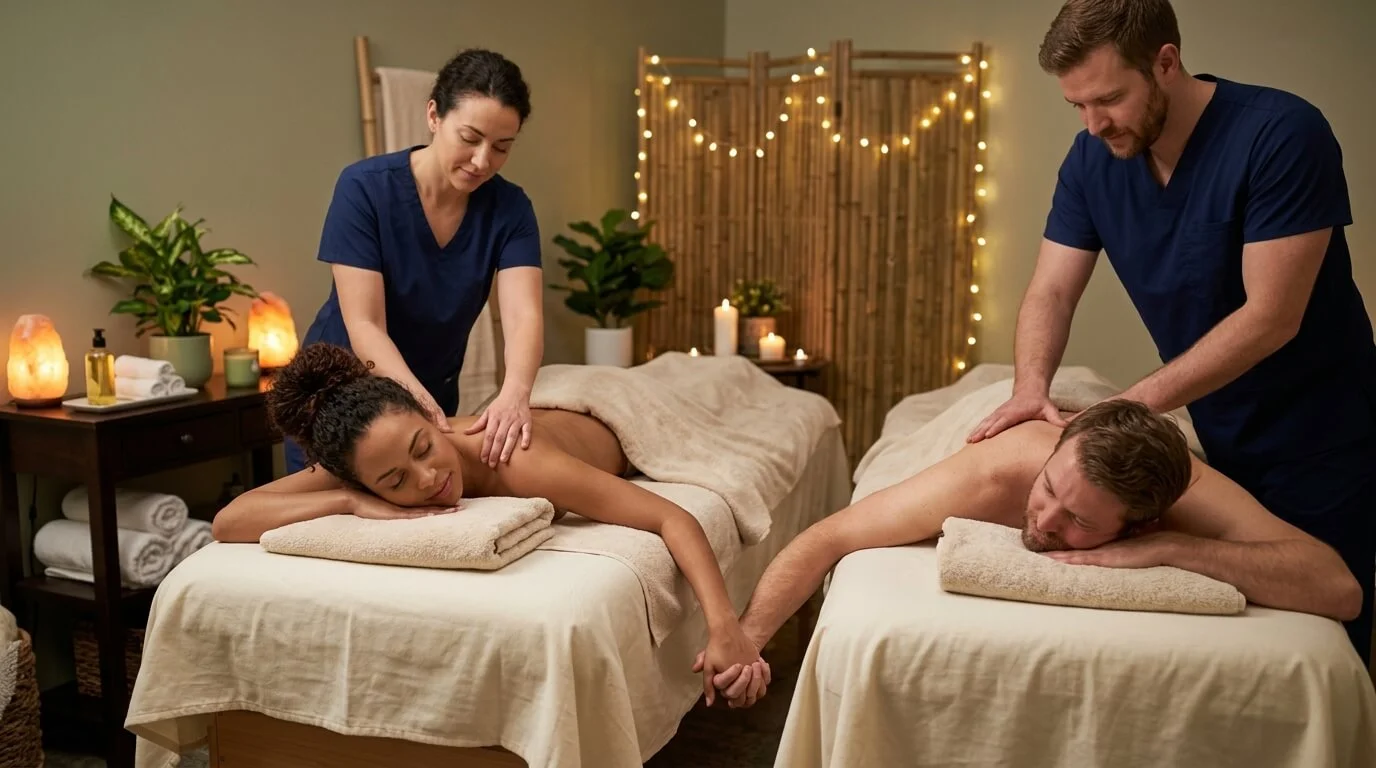

Sensual massage is often misunderstood, yet at its core, it is about creating a calming, mindful experience that encourages relaxation, trust, and deeper human connection. Rather than focusing solely on physical touch, it combines intention, communication, atmosphere, and gentle techniques to help reduce stress and improve overall well-being.
Think of it like tending a beautiful garden. Every gentle movement, thoughtful gesture, and peaceful moment contributes to creating an environment where comfort and relaxation can naturally flourish. Whether practiced between partners or experienced as part of a professional wellness service (where legally offered), understanding the basics can help you appreciate its benefits while maintaining healthy boundaries and mutual respect.

1. What Is Sensual Massage?
Sensual massage is a form of touch that emphasizes relaxation, mindfulness, and emotional connection. Unlike therapeutic or sports massage, which primarily targets muscle recovery and pain relief, this approach focuses on creating a soothing and calming experience.
It often includes:
- Gentle, flowing movements
- Relaxing pressure
- Comfortable pacing
- A peaceful environment
- Mutual respect and clear communication
The experience is intended to help participants feel calm, present, and connected.
2. The Purpose and Benefits
Many people seek this type of massage because it offers benefits beyond simple relaxation.
Stress Reduction
Gentle touch can help reduce everyday tension by encouraging the body to relax.
Improved Emotional Connection
Couples sometimes use massage as a way to spend uninterrupted quality time together.
Better Body Awareness
Slow movements encourage mindfulness and help individuals become more aware of physical tension.
Enhanced Relaxation
A peaceful session may contribute to improved sleep and a greater sense of calm.
Temporary Muscle Comfort
Although not a substitute for medical treatment, gentle massage may ease mild stiffness after a long day.

3. Creating the Right Environment
The setting plays an important role in the overall experience.
Lighting
Soft lighting creates a peaceful atmosphere. Many people prefer warm lamps or candles (used safely).
Music
Quiet instrumental music or nature sounds help minimize distractions.
Room Temperature
A comfortably warm room helps muscles remain relaxed.
Comfortable Surface
A massage table works well, but a firm bed or padded mat can also provide comfort.
Minimal Distractions
Turning off phones and reducing outside noise allows everyone to remain present.
4. Communication and Consent
Perhaps the most important element is open communication.
Before beginning:
- Discuss comfort levels
- Respect personal boundaries
- Agree on preferred pressure
- Check in regularly
- Understand that anyone can pause or stop the session at any time
Mutual consent is ongoing, not a one-time conversation. Respect and trust create the foundation for a positive experience.
5. Basic Massage Techniques
Beginners don’t need advanced training to learn simple relaxation techniques.
Long Gliding Strokes
Smooth, gentle movements help warm the muscles.
Circular Motions
Small circles with the palms can encourage relaxation in larger muscle groups.
Light Compression
Gentle pressure with the hands may provide a comforting sensation.
Shoulder Massage
Many people carry stress in their shoulders. Slow, careful movements often feel soothing.
Hand and Foot Massage
Hands and feet contain many sensitive areas and can respond well to gentle attention.
The goal is comfort—not intensity.
6. The Importance of Mindfulness
Mindfulness transforms an ordinary massage into a more meaningful experience.
Instead of rushing, focus on:
- Breathing slowly
- Remaining present
- Paying attention to feedback
- Moving deliberately
- Maintaining a calm pace
When both people stay mentally present, the experience often feels more relaxing.
7. Choosing Massage Oils
Massage oils reduce friction and improve comfort.
Popular options include:
Sweet Almond Oil
A favorite because it absorbs slowly and feels smooth.
Coconut Oil
Natural and moisturizing, though it may not suit every skin type.
Jojoba Oil
Lightweight and suitable for many skin types.
Grapeseed Oil
Popular for its light texture and minimal scent.
Essential Oils
Some people enjoy lavender or chamomile for relaxation, but essential oils should always be diluted and patch-tested to reduce the risk of skin irritation.
8. Common Misconceptions
Sensual massage is frequently surrounded by myths.
Myth 1: It’s Always Sexual
Not necessarily. Many people simply enjoy the calming and emotional aspects of mindful touch.
Myth 2: Professional Training Isn’t Needed
Anyone offering massage professionally should have appropriate training and follow local laws and regulations.
Myth 3: More Pressure Is Better
Too much pressure can create discomfort rather than relaxation.
Myth 4: It Requires Special Equipment
A clean, comfortable space and simple supplies are often enough.
9. Professional vs. Personal Experiences
There are important differences between massages shared between partners and services provided by licensed professionals.
Professional Wellness Massage
Licensed massage therapists focus on relaxation, muscle care, and overall wellness while following professional ethics and local regulations.
Partner Massage
Partners may exchange massage as part of quality time together, emphasizing communication, comfort, and mutual respect.
Understanding these distinctions helps set appropriate expectations.
10. Safety and Hygiene
Safety should always come first.
Important guidelines include:
- Wash hands thoroughly
- Use clean towels
- Test oils for allergies
- Avoid massaging injured or inflamed areas
- Stay hydrated afterward
- Stop immediately if discomfort occurs
People with medical conditions should consult a healthcare professional before receiving massage.
11. Tips for Beginners
Starting doesn’t have to be complicated.
Keep Sessions Short
Twenty to thirty minutes is often enough for beginners.
Use Gentle Pressure
You can always increase pressure if the other person is comfortable.
Focus on Large Muscle Groups
Back, shoulders, arms, and legs are easier places to begin.
Ask for Feedback
Simple questions like “Is this pressure comfortable?” help improve the experience.
Practice Regularly
Like any skill, confidence grows with experience.
12. Final Thoughts
Sensual massage is best understood as an experience centered on relaxation, mindfulness, trust, and respectful human connection. When practiced with clear communication, mutual consent, and attention to comfort, it can become a meaningful way to unwind and spend quality time together. Whether you’re exploring simple massage techniques with a partner or learning more about wellness practices, patience and respect remain the most important ingredients.
Frequently Asked Questions (FAQs)
1. What is sensual massage?
It is a relaxation-focused massage that emphasizes gentle touch, mindfulness, comfort, and emotional connection while respecting personal boundaries and consent.
2. Is sensual massage the same as therapeutic massage?
No. Therapeutic massage primarily focuses on muscle recovery, pain relief, and physical wellness, while sensual massage emphasizes relaxation and emotional connection.
3. What oil is best for massage?
Sweet almond oil, jojoba oil, grapeseed oil, and coconut oil are among the most commonly used options because they provide smooth glide and skin-friendly moisture.
4. Can beginners learn massage techniques?
Yes. Basic techniques such as gentle gliding strokes, circular movements, and light compression are easy to learn with practice and clear communication.
5. How can I make a massage more relaxing?
Create a peaceful environment with soft lighting, calming music, comfortable room temperature, quality massage oil, and an uninterrupted space while maintaining open communication and mutual consent.
