

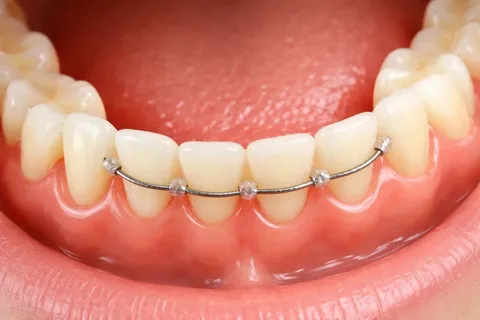

Permanent Retainer: Everything You Need to Know
A beautiful smile doesn’t end when braces come off. In fact, that’s often where the real maintenance begins. Many people spend months or even years straightening their teeth, only to discover that teeth naturally want to shift back to their original positions. That’s where a permanent retainer comes in.
Think of your teeth like books arranged neatly on a shelf. Once you’ve carefully organized them, you need something to keep them from slowly sliding out of place. A permanent retainer acts like that invisible support, helping maintain the results of orthodontic treatment for years.
Whether you’ve recently completed braces treatment or you’re considering your long-term dental care options, understanding how these retainers work can help you make informed decisions. This guide covers everything from benefits and costs to cleaning tips and potential drawbacks.
1. What Is a Permanent Retainer?
A permanent retainer is a thin wire bonded to the back surfaces of your teeth, usually on the lower front teeth and sometimes on the upper teeth. Unlike removable retainers, it remains fixed in place and works continuously to maintain tooth alignment.
The wire is attached using dental adhesive, making it virtually invisible when you smile or speak. Since it stays in your mouth all the time, you don’t have to remember to wear it every day.
Many orthodontists recommend this option because it provides round-the-clock support and significantly reduces the risk of teeth shifting.
2. How Does It Work?
Continuous Support
After braces or clear aligners move teeth into their ideal positions, the surrounding tissues and bone need time to stabilize. During this period, teeth naturally try to return to their previous locations.
A bonded wire prevents this movement by holding specific teeth together. It doesn’t actively move teeth but rather preserves the alignment already achieved.
Long-Term Stability
The retainer acts as a stabilizer. By remaining attached to the teeth, it provides ongoing support that helps maintain treatment results for many years.
3. Types of Dental Retainers
Permanent Retainers
These consist of a metal wire attached behind the teeth. They remain in place permanently unless removed by a dental professional.
Hawley Retainers
These removable devices use a plastic base and metal wire. They are durable and adjustable but require consistent use.
Clear Plastic Retainers
Often resembling aligners, these transparent retainers are comfortable and discreet. However, they can wear out over time and require replacement.
Each type has unique advantages, but permanent retainers stand out for convenience and continuous protection.
4. Benefits of Permanent Retainers
No Need to Remember
One of the biggest advantages is convenience. Since the retainer stays in place, there’s no risk of forgetting to wear it.
Consistent Protection
Teeth are supported 24 hours a day, reducing the chance of unwanted movement.
Invisible Appearance
Because the wire sits behind the teeth, most people won’t even know you’re wearing one.
Ideal for Long-Term Results
People who have experienced significant crowding or spacing often benefit from the added security of a fixed retainer.
Cost-Effective Over Time
Although there may be maintenance costs, the investment can help prevent future orthodontic treatment caused by tooth relapse.
5. Potential Drawbacks
Cleaning Challenges
Food particles and plaque can accumulate around the wire, making oral hygiene more difficult.
Possible Breakage
The wire or adhesive may occasionally loosen or break.
Tongue Irritation
Some individuals initially experience minor discomfort or irritation.
Professional Removal Required
Unlike removable retainers, you cannot take it out yourself when desired.
Despite these concerns, many patients find the benefits outweigh the disadvantages.
6. Who Should Consider One?
Permanent retainers are often recommended for:
- Individuals with severe crowding before treatment
- Patients prone to tooth movement
- People who struggle to remember removable retainers
- Those seeking long-term orthodontic stability
- Adults wanting a low-maintenance solution
Your orthodontist can determine whether this option is appropriate for your specific situation.
7. Installation Process
Step 1: Tooth Preparation
The dentist thoroughly cleans and dries the teeth.
Step 2: Positioning the Wire
A custom-shaped wire is placed along the backs of the teeth.
Step 3: Bonding
Dental adhesive secures the wire to selected teeth.
Step 4: Final Adjustments
The orthodontist checks comfort, fit, and bite alignment.
The entire process is generally painless and can often be completed in a single appointment.
8. Cost and Financial Considerations
The price of a permanent retainer varies depending on several factors:
Location
Dental costs differ from one region to another.
Orthodontic Practice
Specialist fees may vary.
Repair Requirements
Future maintenance or replacement may affect long-term expenses.
In many cases, costs range from approximately $150 to $500 per arch, though pricing can vary significantly.
It’s worth checking whether dental insurance covers any portion of the treatment.
9. Cleaning and Maintenance
Brush Thoroughly
Pay extra attention to the area around the wire.
Use Floss Threaders
Special flossing tools help clean beneath the retainer.
Consider Water Flossers
These devices can remove debris from hard-to-reach spaces.
Schedule Regular Checkups
Routine dental visits help identify issues before they become serious.
Maintain Healthy Habits
Consistent oral hygiene reduces the risk of plaque buildup and gum disease.
Good cleaning habits are essential because permanent retainers create additional spaces where bacteria can hide.
10. Common Problems and Solutions
Loose Wire
If the wire feels detached, contact your orthodontist promptly.
Broken Bonding Material
A detached bonding point may allow teeth to move.
Plaque Accumulation
Improved brushing and flossing techniques often solve this issue.
Difficulty Flossing
Using orthodontic floss threaders can make cleaning easier.
Ignoring minor problems can lead to bigger issues, so prompt attention is important.
11. How Long Does It Last?
Years of Protection
Many permanent retainers last for several years.
Potential Lifetime Use
Some orthodontists recommend keeping them indefinitely if they remain functional.
Factors Affecting Longevity
- Oral hygiene habits
- Dietary choices
- Teeth grinding
- Accidental damage
- Quality of installation
With proper care, a retainer can remain effective for decades.
12. Eating With a Permanent Retainer
Most people adapt quickly and can enjoy their normal diet.
Foods to Approach Carefully
- Hard candies
- Ice cubes
- Sticky caramel
- Chewing gum
- Very hard nuts
These items may place excessive stress on the wire or bonding material.
Smart Eating Habits
Cut hard foods into smaller pieces and chew carefully to minimize risk.
13. Permanent vs Removable Retainers
| Feature | Permanent Retainer | Removable Retainer |
|---|---|---|
| Visibility | Nearly Invisible | Visible When Worn |
| Convenience | Always Active | Requires Discipline |
| Cleaning | More Challenging | Easier to Clean |
| Risk of Loss | None | Can Be Lost |
| Maintenance | Professional Repairs | Easy Replacement |
| Compliance | Guaranteed | User Dependent |
For people who struggle with consistency, fixed retainers often provide greater peace of mind.
14. Signs You Need Professional Help
Wire Feels Loose
Movement or shifting should be checked immediately.
Teeth Begin Moving
Even slight changes may indicate a problem.
Persistent Discomfort
Ongoing irritation deserves professional evaluation.
Difficulty Cleaning
A dentist can provide specialized cleaning advice.
Visible Damage
Broken wires or detached bonding require prompt repair.
Seeking help early can prevent more complicated orthodontic issues later.
15. Final Thoughts
A permanent retainer is one of the most effective ways to preserve the results of orthodontic treatment. By providing continuous support, it helps prevent teeth from shifting and protects the time, effort, and investment that went into creating a healthier smile.
While fixed retainers require extra attention to oral hygiene and occasional maintenance, many people appreciate their convenience and reliability. They eliminate the need to remember daily wear and offer ongoing protection that removable options may not always provide.
If you’re considering a long-term solution for maintaining straight teeth, discussing a permanent retainer with your orthodontist can help determine whether it’s the right choice for your needs. With proper care and regular dental visits, it can serve as a dependable guardian of your smile for many years.
FAQs
1. Can a permanent retainer stay in place forever?
Yes. Many people keep their permanent retainers for decades. As long as the wire remains intact and oral hygiene is maintained, it can continue functioning effectively.
2. Does a permanent retainer hurt?
The installation process is generally painless. Some people experience mild tongue irritation for a few days, but this usually resolves quickly.
3. Can teeth still move with a permanent retainer?
Minor movement is possible if the wire becomes loose or damaged. Regular dental checkups help identify and correct issues early.
4. How do I floss with a permanent retainer?
Using floss threaders, orthodontic floss, or a water flosser can make cleaning underneath the wire much easier.
5. Is a permanent retainer better than a removable retainer?
Neither option is universally better. Permanent retainers offer continuous protection and convenience, while removable retainers provide greater flexibility. The best choice depends on individual needs and orthodontic recommendations.
