


Introduction
If you love sneakers, you probably know the painful moment when the first crease appears on your favorite pair. One step too many, and suddenly those fresh shoes no longer look brand new. That’s where crease protectors come in. These small accessories have become a game-changer for sneaker lovers, fashion enthusiasts, students, athletes, and everyday shoe wearers.
Think of your sneakers like a freshly ironed shirt. No matter how stylish it is, wrinkles can make it look worn out quickly. Crease protectors work in a similar way by helping shoes maintain their clean shape and smooth appearance.
In this guide, you’ll learn everything about crease protectors, including how they work, their benefits, different types, how to choose the right pair, common mistakes, and expert tips to keep your footwear looking sharp for longer.
What Are Crease Protectors?
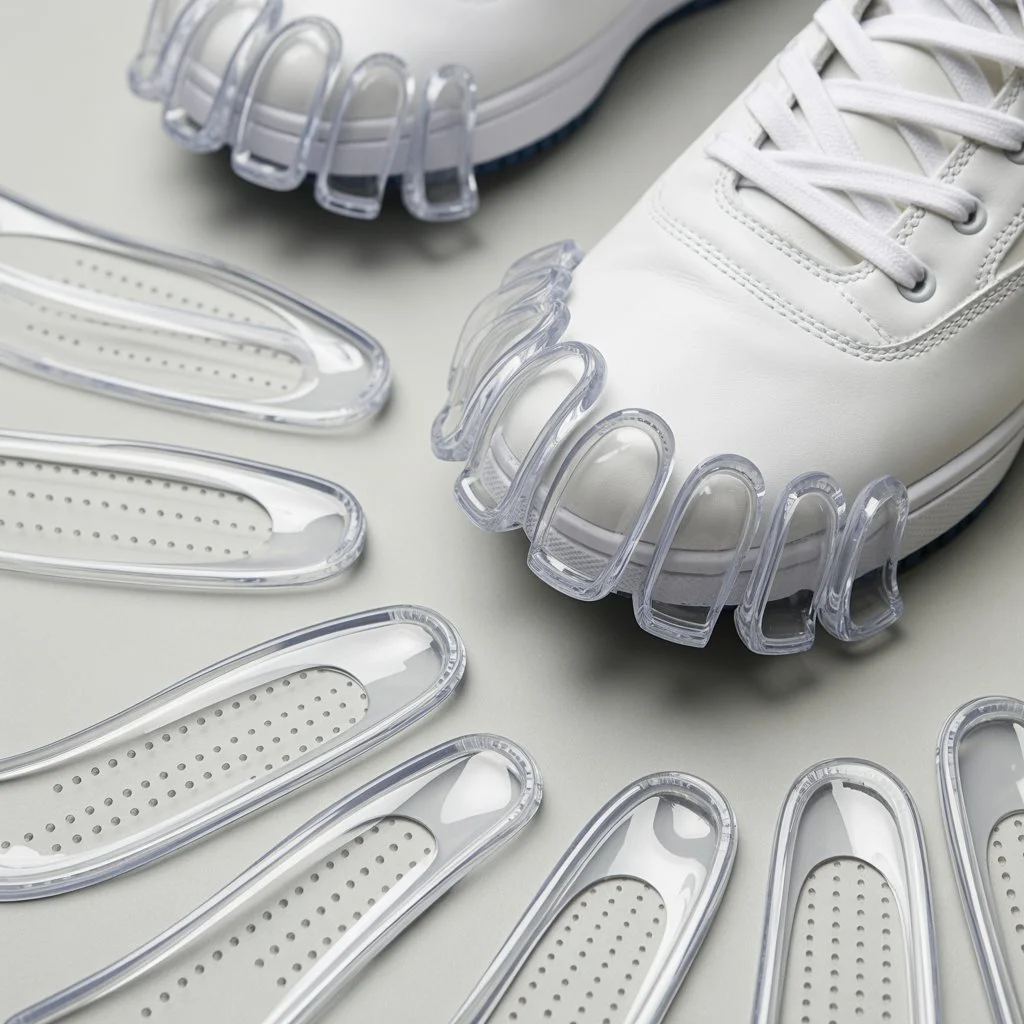
Crease protectors are lightweight inserts placed inside the toe box area of shoes. Their main purpose is to reduce bending and folding that causes visible wrinkles on sneakers.
Most protectors are made from flexible plastic, silicone, foam, or rubber-like materials. They fit inside shoes and help maintain the original shape while walking.
These accessories became popular in sneaker culture because collectors wanted to preserve the clean look of limited-edition footwear. Over time, they also gained popularity among regular consumers who simply wanted their shoes to last longer.
Why Sneaker Creases Happen
Shoes naturally bend when you walk. Every step creates pressure around the toe area, especially near the ball of the foot. Over time, repeated movement causes the upper material to fold and crease.
Several factors increase creasing:
- Soft leather materials
- Loose shoe fitting
- Frequent walking
- Thin sneaker structure
- Poor storage habits
Even expensive sneakers are not immune. In fact, premium leather often creases faster because it is softer and more flexible.
That’s why many sneaker owners use protective accessories to slow down wear and tear.

How Crease Protectors Work
Crease guards work by supporting the inside front area of the shoe. Instead of allowing the upper material to collapse inward during movement, the insert provides structure and resistance.
Here’s a simple way to imagine it:
Picture a tent without poles. It collapses easily. Add poles, and it keeps its shape. Crease protectors act like those support poles for sneakers.
Most designs include:
- Ventilation holes for airflow
- Curved shaping for comfort
- Flexible edges to reduce pressure
- Trim lines for size adjustment
The goal is not to completely stop movement but to reduce deep wrinkles and sharp folds.
Benefits of Using Crease Guards
1. Keeps Sneakers Looking New
The biggest advantage is appearance. Shoes maintain a cleaner and smoother look for longer periods.
2. Extends Shoe Lifespan
Less folding means reduced stress on stitching and material, helping footwear stay durable.
3. Improves Resale Value
Sneaker collectors often care deeply about condition. Minimal creasing can increase resale appeal.
4. Affordable Protection
Compared to buying new shoes frequently, crease protectors are inexpensive.
5. Works With Many Shoe Types
They can be used with:
- Basketball shoes
- Casual sneakers
- Running shoes
- High-tops
- Leather footwear
Different Types of Crease Protectors
Not all crease guards are the same. Different designs suit different needs.
Plastic Crease Protectors
These are the most common. They provide strong support and durability.
Best for: Everyday sneaker protection
Silicone Protectors
Softer and more flexible than hard plastic versions.
Best for: Comfort-focused users
Foam Inserts
Lightweight and gentle on feet, though they provide less structure.
Best for: Casual use
Custom-Fit Guards
Some brands offer adjustable or sneaker-specific designs.
Best for: Sneaker collectors and premium footwear
Choosing the Right Size and Material
Picking the correct size matters more than people think. A protector that is too large can feel uncomfortable, while one that is too small may shift around inside the shoe.
Things to Consider
Shoe Size
Always check the sizing chart before purchasing.
Material Type
Soft materials improve comfort, while harder materials offer stronger protection.
Ventilation
Breathable designs help reduce sweat and odor.
Trim Options
Some crease guards can be cut for a better fit.
Shoe Style
High-top sneakers may require different shaping compared to low-top designs.
How to Wear Crease Protectors Properly
Using crease guards correctly makes a huge difference.
Step 1: Remove Existing Inserts if Needed
If the shoe feels tight, remove or adjust the insole slightly.
Step 2: Place the Protector Inside
Insert it into the toe box area with the curved side facing upward.
Step 3: Adjust the Position
Make sure it sits flat and does not move while walking.
Step 4: Test Comfort
Walk around for a few minutes indoors before extended use.
At first, some users notice a short adjustment period. However, most people adapt quickly.
Common Mistakes to Avoid
Buying the Wrong Size
An incorrect fit can cause discomfort and reduce effectiveness.
Ignoring Comfort
Some users focus only on protection and forget about walking comfort.
Using Them in Tight Shoes
If your sneakers are already snug, crease guards may create pressure.
Not Cleaning Them
Dirty inserts can collect odor and bacteria over time.
Expecting Zero Creasing
No product can completely stop natural movement. The goal is reduction, not perfection.
Are Crease Protectors Comfortable?
Comfort depends on:
- Shoe size
- Material quality
- Foot shape
- Wearing duration
Some people barely notice them, while others need time to adjust. Softer silicone versions are often considered more comfortable for daily use.
If discomfort occurs:
- Try trimming the edges
- Use thinner socks
- Switch to flexible materials
- Remove them during long walks
Remember, sneakers should still feel natural while walking.
Cleaning and Maintaining Sneaker Accessories
Like shoes themselves, crease guards also require maintenance.
Basic Cleaning Tips
- Wipe with warm water and soap
- Let them air dry completely
- Avoid direct sunlight for long periods
- Store in a cool, dry place
Regular cleaning helps prevent odor buildup and keeps the inserts hygienic.
Who Should Use Crease Protectors?
Sneaker Collectors
Collectors often want shoes to remain in near-perfect condition.
Students
Daily walking on campuses can quickly damage sneakers.
Fashion Enthusiasts
Clean shoes often complete an outfit.
Athletes
Sports shoes experience constant bending during movement.
Anyone Wanting Longer Shoe Life
Even casual users benefit from reducing wear and tear.
Alternatives to Crease Protectors
While crease guards are popular, they are not the only option.
Shoe Trees
These help maintain shape during storage.
Proper Shoe Fit
Well-fitted shoes naturally reduce excessive creasing.
Walking Technique
Some sneaker enthusiasts even adjust how they walk to minimize folds.
Premium Materials
Certain materials resist wrinkles better than others.
Rotating Footwear
Wearing the same pair daily speeds up damage.
Still, crease protectors remain one of the easiest and most affordable solutions.
Styling Tips for Sneaker Lovers
Keeping sneakers fresh is only part of the equation. Styling matters too.
Match Sneakers With Clean Outfits
Minimal styles often highlight footwear better.
Keep Laces Fresh
Dirty laces can ruin the overall appearance.
Store Shoes Properly
Use dust bags or boxes to avoid shape damage.
Clean Regularly
A quick wipe after wearing can preserve the look.
Avoid Harsh Weather
Rain and mud increase material wear and deep creasing.
Your shoes often say a lot about your personality. Taking care of them reflects attention to detail and style awareness.
Final Thoughts
Crease protectors may seem like small accessories, but they can make a noticeable difference in the appearance and lifespan of sneakers. Whether you’re protecting expensive collector shoes or simply trying to keep everyday footwear looking sharp, these inserts offer a practical solution.
They are affordable, easy to use, and available in many styles and materials. While they won’t completely eliminate creases, they significantly reduce visible damage and help shoes maintain their original structure.
At the end of the day, sneakers are made to be worn and enjoyed. Crease protectors simply help you enjoy them longer without sacrificing style.
FAQs
1. Do crease protectors really work?
Yes, crease protectors help reduce visible folds and wrinkles in sneakers by supporting the toe box area during walking.
2. Can crease protectors damage shoes?
When properly sized and used correctly, they generally do not damage shoes. However, overly hard or poorly fitted inserts may create pressure points.
3. Are crease protectors comfortable for daily wear?
Most users find them comfortable after a short adjustment period, especially softer silicone or foam designs.
4. Can you use crease protectors in all sneakers?
They work in most sneakers, including high-tops and low-tops, though fit and comfort may vary depending on shoe design.
5. How long do crease protectors last?
Quality crease guards can last several months or even years with regular cleaning and proper care.
