


Introduction
Lighting can completely change the look and feel of a room. Whether you want a warm bedroom, a productive workspace, or an attractive outdoor area, the right lighting makes a noticeable difference. Among today’s most popular options, LED light has become a practical choice for homes, offices, shops, vehicles, and outdoor spaces.
But what makes this technology different from traditional bulbs? How much energy can it save, and how do you choose the right option? In this guide, we’ll explore everything you need to know before upgrading your lighting.
What Is LED Light?
LED stands for light-emitting diode. Unlike traditional incandescent bulbs, which produce light by heating a wire filament, LEDs create light when electricity passes through a semiconductor.
This difference is important because less energy is wasted as heat. Think of an old-style bulb as a small heater that happens to produce light, while an LED is designed primarily to produce illumination.
LED products are available in many shapes and sizes. You can find ordinary household bulbs, ceiling panels, flexible strips, spotlights, floodlights, downlights, and decorative fixtures.
Key benefits include:
- Lower electricity consumption
- Long operating life
- Instant illumination
- Many color choices
- Compact designs
- Low heat output compared with incandescent bulbs
- Wide range of applications
How Does LED Lighting Work?
The basic principle behind an LED is relatively simple. When electrical current passes through the semiconductor material inside the diode, energy is released in the form of visible light.
Traditional incandescent technology relies on heat. An LED does not need to heat a filament until it glows. As a result, it can produce useful illumination while consuming considerably less electricity.
Modern LED products may also include additional components such as drivers, heat-management systems, dimming controls, and smart electronics.
This technology allows manufacturers to create lighting for almost every situation, from a tiny reading lamp to powerful commercial floodlights.

Why LED Light Has Become So Popular
Why are so many people replacing older bulbs with LED alternatives? The answer comes down to a combination of efficiency, convenience, durability, and design.
1. Energy Efficiency
One of the biggest attractions is reduced electricity consumption. An LED can provide substantial illumination while using less power than an equivalent incandescent lamp.
If a home has many lights operating every day, the difference can become noticeable over time.
2. Long Lifespan
Quality LEDs generally last much longer than traditional incandescent bulbs. This means fewer replacements and less time spent changing bulbs in difficult-to-reach fixtures.
3. Instant Light
Most household LEDs turn on almost immediately. There is no lengthy warm-up period before reaching normal brightness.
4. Design Flexibility
LED technology can be extremely compact. This makes it possible to create thin ceiling panels, flexible strips, tiny decorative lights, and sophisticated smart fixtures.
5. Better Control
Many modern products support dimming, remote controls, timers, motion sensors, and smartphone connectivity.
Different Types of LED Lights
There isn’t just one type of LED lighting. Different designs are made for different purposes.
LED Bulbs
These are direct replacements for conventional household bulbs. They are commonly available with screw or bayonet fittings depending on the market.
They work well in:
- Bedrooms
- Living rooms
- Kitchens
- Hallways
- Offices
- Lamps
LED Strip Lights
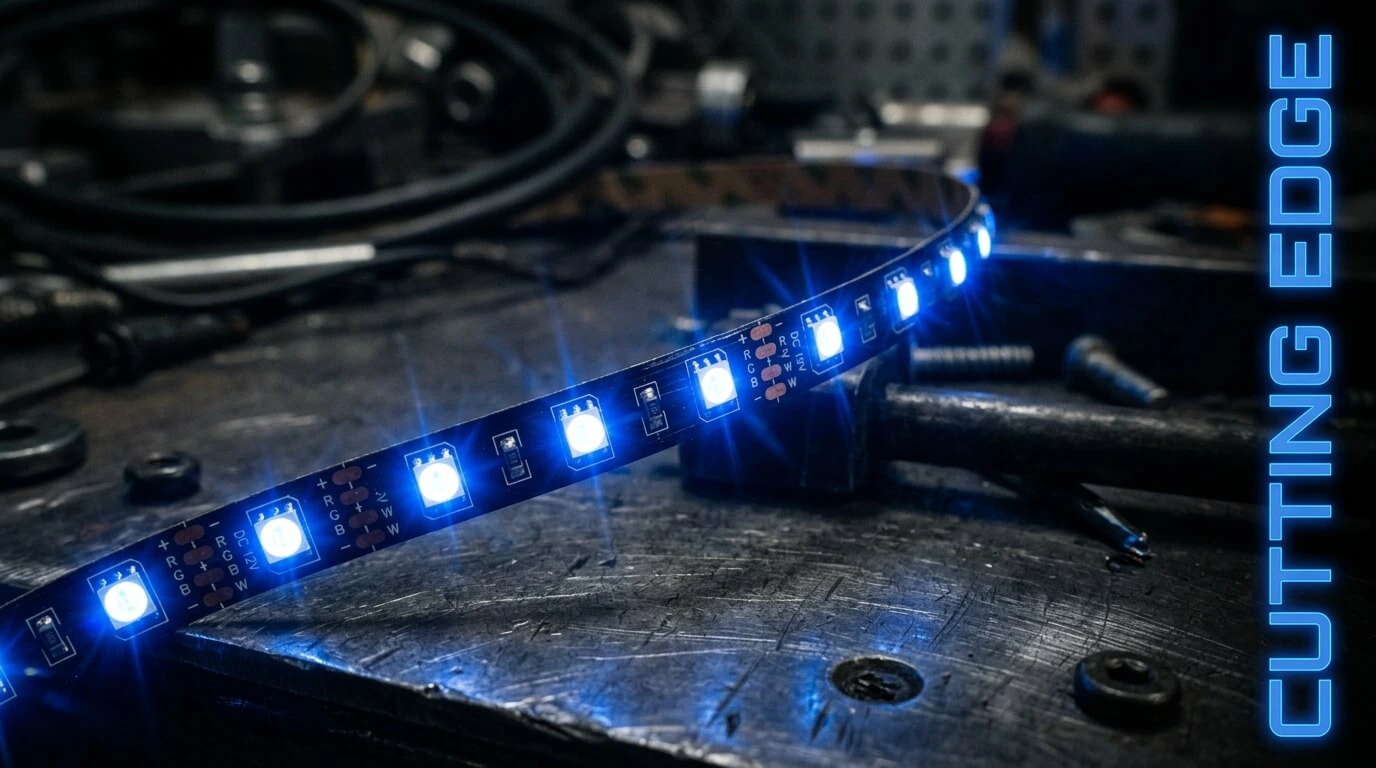
Strip lighting consists of small LEDs mounted along a flexible circuit board. They can be used underneath cabinets, behind televisions, around shelves, and along ceilings.
RGB versions can produce multiple colors and are particularly popular for decorative applications.
LED Panels
Flat LED panels are frequently used in offices, classrooms, shops, and modern homes. Their slim appearance provides a clean and contemporary look.
LED Downlights
Downlights are installed into ceilings and direct illumination downward. They are useful for kitchens, bathrooms, hallways, and living spaces.
LED Floodlights
Floodlights are designed to illuminate larger areas. They are commonly used for gardens, building exteriors, parking areas, sports facilities, and security lighting.
Smart LED Lights
Smart products can connect to compatible apps, hubs, or voice assistants. Depending on the model, users may be able to change brightness, color, schedules, and scenes.

Choosing the Right Color Temperature
Brightness isn’t the only factor that affects how a room feels. Color temperature is equally important.
It is usually expressed in Kelvin (K).
Warm White
Warm lighting generally creates a comfortable and relaxing atmosphere. It is often suitable for:
- Bedrooms
- Living rooms
- Dining areas
- Lounges
Neutral White
Neutral white provides a balanced appearance. It can work well in kitchens, bathrooms, offices, and general-purpose spaces.
Cool White
Cooler lighting can create a crisp, energetic appearance. It is often used in workspaces, garages, workshops, and areas where clear visibility is important.
The best choice depends on the mood and function of the room. A relaxing bedroom and a detailed workbench don’t necessarily need the same type of illumination.
LED Light for Different Rooms
Choosing lighting according to the room can make your home both attractive and practical.
Living Room
A combination of ceiling lighting, lamps, accent lighting, and perhaps hidden strip lights can create different moods.
You might use brighter illumination while cleaning and softer lighting while watching television.
Bedroom
Bedrooms generally benefit from comfortable, softer lighting. Bedside lamps can provide focused illumination without making the entire room extremely bright.
Kitchen
The kitchen requires useful task lighting. Under-cabinet LEDs can illuminate countertops and make food preparation easier.
Bathroom
Choose products specifically designed and rated for the appropriate bathroom environment. Electrical safety should always come first in areas exposed to moisture.
Home Office
Good lighting can make a workspace more comfortable. A combination of general room lighting and focused desk lighting can reduce the need to work in a dim environment.
Outdoor and Decorative Lighting
LED technology isn’t limited to indoor spaces.
Outdoor applications include:
- Garden pathways
- Driveways
- Patios
- Building entrances
- Security areas
- Garages
- Signs
- Landscape features
For outdoor use, check the fixture’s weather and water-resistance rating rather than assuming every LED product is suitable for rain.
Decorative lighting is another popular application. Strip lights and color-changing products can be installed around furniture, ceilings, entertainment areas, and architectural features.
Used carefully, decorative lighting can act like a frame around a room, highlighting areas that might otherwise go unnoticed.
Energy Efficiency and Cost Savings
One of the strongest reasons to switch to LEDs is their potential to reduce electricity use.
The actual savings depend on several factors, including:
- The old bulb being replaced
- LED wattage
- Daily operating hours
- Electricity price
- Number of lights in the property
- Product efficiency
For example, replacing a frequently used high-wattage incandescent bulb with a lower-wattage LED can reduce the amount of electricity needed to provide similar illumination.
Don’t judge efficiency by wattage alone. Wattage measures power consumption, while lumens indicate the amount of visible light produced.
Brightness, Lumens and Wattage
This is an area where many buyers become confused.
Lumens
Lumens indicate how much visible light a lamp produces. A higher lumen rating generally means more light.
Watts
Watts indicate how much electrical power a device consumes.
With older incandescent bulbs, people often used wattage as a rough way of estimating brightness. With LEDs, that approach is less useful.
When buying an LED, look at lumens first and wattage second.
For example, two bulbs could have different wattages but provide similar brightness because their efficiency differs.
Why Fixture Design Matters
A bulb’s specifications aren’t the whole story. The shape of the fixture, diffuser, reflector, room size, wall color, and installation position can all affect how bright a space appears.
How to Choose Quality LED Lighting
Not all products offer the same quality. A cheap bulb may look attractive because of its price, but poor construction can lead to flickering, early failure, or inconsistent color.
Check the Specifications
Before purchasing, look for:
- Lumens
- Power consumption
- Color temperature
- Color rendering information
- Dimming compatibility
- Expected lifespan
- Operating voltage
- Appropriate safety certifications
Choose the Correct Fitting
Check the existing fixture before ordering a replacement. The bulb may have the wrong base, shape, or physical dimensions.
Consider Dimming
If you plan to use a dimmer switch, make sure the LED is specifically compatible with that type of dimmer.
Don’t Ignore Heat Management
Although LEDs generally produce less heat than incandescent bulbs, they still generate heat within their electronic components. Good thermal management can be important for long-term performance.
Common Mistakes to Avoid
Upgrading to LEDs is generally straightforward, but several mistakes can reduce the benefits.
Choosing Only by Price
The cheapest product isn’t necessarily the best value. A slightly more expensive, well-made product may last longer and provide better performance.
Ignoring Lumens
Buying based solely on wattage can result in lighting that is either too dim or unnecessarily bright.
Using the Wrong Outdoor Product
Indoor-rated lighting should not automatically be installed outdoors. Weather exposure can damage products that aren’t designed for it.
Ignoring Color Temperature
A very cool light might not create the relaxing atmosphere you want in a bedroom. Similarly, very warm lighting might not be ideal for detailed work.
Installing Too Many Lights
More lighting doesn’t always mean better lighting. Good design balances direct illumination with softer ambient and accent lighting.
Maintenance and Lifespan
LEDs are relatively low-maintenance, but they aren’t completely maintenance-free.
Keep fixtures clean because dust and dirt can reduce the amount of useful light reaching the room.
For outdoor products, periodically inspect fixtures for damage, water entry, loose connections, or other problems.
If an LED begins flickering, becomes unusually hot, or shows visible damage, investigate the cause instead of simply continuing to use it.
For permanent electrical installations, especially those involving mains wiring, use a qualified electrician when appropriate.
Conclusion
LED lighting has changed the way people illuminate homes, workplaces, businesses, and outdoor spaces. Its combination of energy efficiency, long operating life, flexible designs, and smart features makes it suitable for almost every modern environment.
The best choice isn’t necessarily the brightest or cheapest product. Instead, consider lumens, color temperature, fitting type, quality, intended location, and compatibility. Once you understand these basics, choosing suitable lighting becomes much easier.
Frequently Asked Questions
1. Are LED lights better than traditional bulbs?
For many applications, yes. LEDs generally use less electricity and can last significantly longer than incandescent bulbs. They also offer more design and control options.
2. Do LED lights use a lot of electricity?
Generally, LEDs are designed to provide useful illumination with relatively low power consumption. Your actual electricity use depends on the wattage, number of lights, and how long they operate.
3. What color LED light is best for a bedroom?
Warm or softer white lighting is commonly preferred for bedrooms because it creates a more relaxed atmosphere. Personal preference and room design also matter.
4. Can LED strip lights be used outdoors?
Some can, but not all. Always check the product’s specifications and weather-resistance rating before installing strip lighting outside.
5. How long do LED lights last?
The expected lifespan varies by product quality, operating conditions, temperature, and usage. Check the manufacturer’s rated lifespan rather than assuming every LED has the same durability.
