

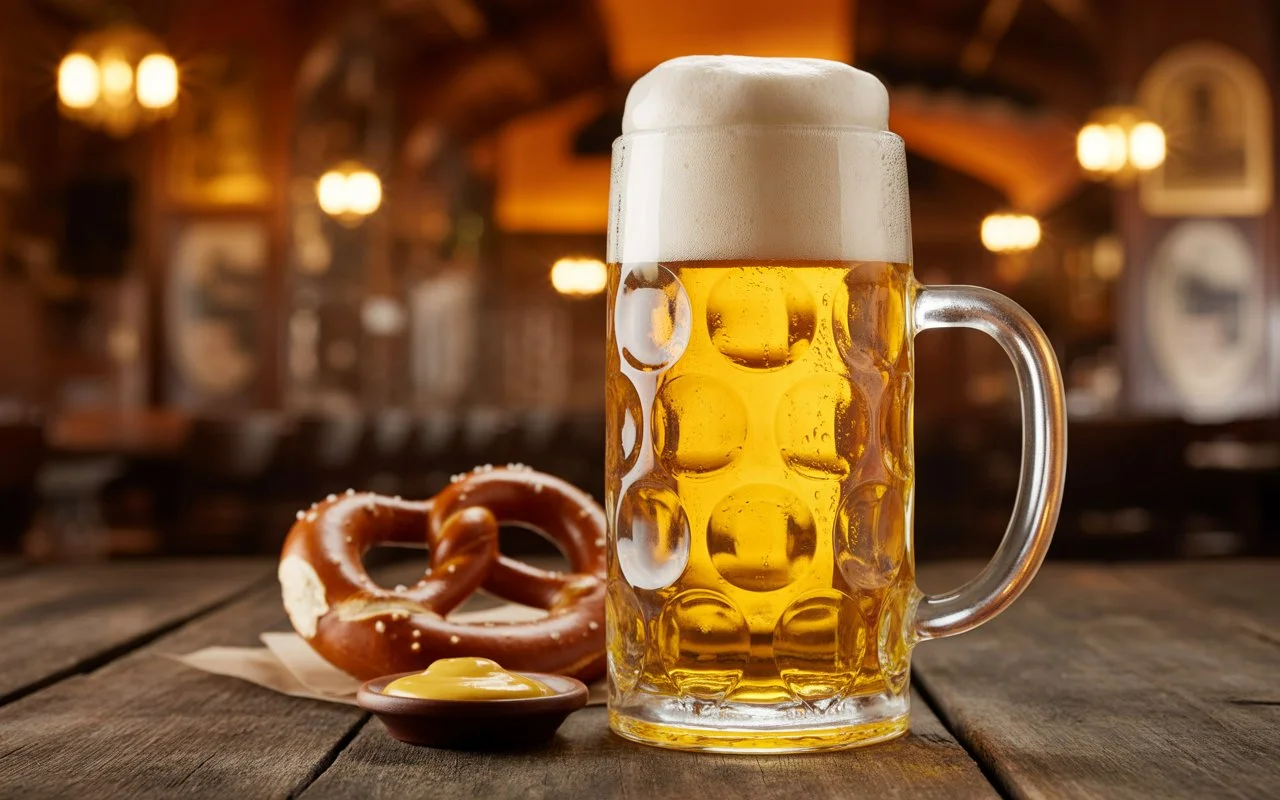

Introdction
Few drinks carry as much history, pride, and identity as German beer. It is more than something poured into a glass—it is tradition, craftsmanship, community, and celebration all at once. From lively festivals to quiet village breweries, brewing has shaped daily life in Germany for centuries.
If you have ever wondered why these brews are so respected worldwide, the answer lies in quality, heritage, and variety. Whether you enjoy crisp lagers, cloudy wheat styles, dark malty pours, or bold seasonal creations, there is something for every taste.
Think of Germany’s brewing world as a library. Each bottle or tap is a different story waiting to be opened. Let’s explore what makes it so special.
The Rich History of Brewing in Germany

Brewing in Germany dates back more than a thousand years. Monasteries played a major role in early production, with monks refining recipes and techniques. Over time, towns and cities developed their own local styles, many of which still exist today.
Beer became deeply connected to regional identity. Families passed recipes through generations, while local breweries became gathering places for neighbors and travelers.
Today, modern technology has improved consistency, but many brewers still honor methods rooted in history.
Why German Beer Is Famous Worldwide
People across the globe admire German brewing for several reasons:
- Strong focus on quality ingredients
- Long-standing traditions
- Wide variety of styles
- Consistent flavor standards
- Cultural significance
Unlike trends that come and go, Germany’s brewing reputation has been built slowly over centuries. That gives it a solid foundation few can match.
The Reinheitsgebot: The Purity Law
One of the most famous parts of German brewing culture is the Reinheitsgebot, introduced in 1516. Often called the Beer Purity Law, it originally allowed only water, barley, and hops in brewing. Yeast was understood later when science advanced.
Why does this matter?
It symbolized a commitment to standards and helped protect consumers from poor ingredients. While modern brewing rules are more flexible, the spirit of purity and quality still influences many producers today.
For many drinkers, this law is part of the romance and reputation of German beer.
Popular Styles You Should Know
Germany offers many brewing styles, each with its own personality.
Pilsner
Light-bodied, crisp, refreshing, and slightly bitter. Perfect for warm weather or casual meals.
Hefeweizen
A cloudy wheat style with notes of banana and clove. Smooth, lively, and popular in Bavaria.
Dunkel
Dark in color with toasted malt flavors. Rich but not overly heavy.
Bock
Stronger and fuller-bodied, often enjoyed in cooler seasons.
Kölsch
Light, delicate, and easy-drinking. Traditionally linked to Cologne.
Altbier
Copper-colored with balanced bitterness and malt depth, common in Düsseldorf.
Each style offers a different experience, like switching music genres depending on your mood.
Famous Brewing Regions in Germany

Different regions are known for distinct traditions and flavors.
Bavaria
Perhaps the most famous beer region. Known for wheat styles, lagers, and legendary beer halls.
North Germany
Historically important for pilsners and crisp lagers.
Cologne
Home of Kölsch, served in small glasses and often replaced quickly by attentive servers.
Düsseldorf
Known for Altbier, a proud local specialty.
Franconia
Famous for small breweries, rustic taverns, and smoked brews.
Traveling through Germany can feel like moving through a map of flavors.
Beer and German Festivals
No discussion is complete without mentioning festivals. These events celebrate brewing culture with music, food, and community spirit.
Oktoberfest
Held in Munich, Oktoberfest is the world’s most famous beer festival. Millions attend for traditional clothing, hearty food, and special festival brews.
Local Festivals
Many towns host smaller celebrations throughout the year. These local gatherings often feel more intimate and authentic.
Festivals show how beer in Germany is not just a drink—it is social glue that brings people together.
Traditional Glassware and Serving Customs
Presentation matters. Different styles are served in different glasses to enhance aroma, foam, and appearance.
- Wheat beer often comes in tall curved glasses
- Pilsners may use slender glasses
- Dark styles use sturdy mugs or goblets
- Kölsch is commonly served in small cylindrical glasses
Serving customs can also vary. In some places, fresh glasses appear almost magically until you signal you are finished.
Food Pairings That Work Beautifully
German beer pairs wonderfully with food. The right match can elevate both drink and meal.
With Sausages
Crisp lagers or pilsners cut through richness.
With Pretzels
Wheat styles complement salty baked flavors.
With Roasted Meats
Dark lagers and dunkels match savory depth.
With Cheese
Bocks pair nicely with aged varieties.
With Desserts
Some darker or stronger styles suit chocolate or caramel treats.
Like a good dance partner, the best pairings balance rather than overpower.
Modern Craft Brewing in Germany
While tradition remains strong, modern craft brewers are adding fresh energy. Many experiment with hops, barrel aging, fruit additions, and creative techniques.
This blend of old and new is exciting. Germany respects heritage, but it also welcomes innovation. New breweries often honor classic foundations while exploring modern tastes.
That balance keeps the scene alive.
How to Choose the Right German Beer for You
Not sure where to begin? Start with your taste preferences.
- If you like crisp drinks: try Pilsner
- If you enjoy fruity notes: try Hefeweizen
- If you prefer rich malt flavors: try Dunkel
- If you want something stronger: try Bock
- If you like light and subtle styles: try Kölsch
Trying several styles is the best teacher. Your palate may surprise you.
Buying and Storing Tips
To enjoy the best flavor:
- Buy from reputable sellers
- Check freshness dates
- Store bottles upright when possible
- Keep in a cool, dark place
- Serve at suitable temperature—not ice cold unless style requires it
Too much cold can mute flavors, especially in malt-forward styles.
Cultural Importance Beyond the Glass
Beer in Germany often represents hospitality, craftsmanship, and local pride. Breweries sponsor events, support tourism, and preserve regional identity.
A village brewery may be as important to community life as a church bell or town square. It creates jobs, memories, and traditions.
That cultural role explains why Germans often speak of beer with affection and respect.
Sustainability and the Future
Many breweries now focus on renewable energy, water conservation, recyclable packaging, and local sourcing. Consumers increasingly value environmental responsibility.
Future trends may include:
- Low-alcohol options
- Organic ingredients
- Creative seasonal releases
- Eco-friendly production
- Export growth worldwide
Tradition and sustainability can work hand in hand.
Conclusion
German beer stands as one of the world’s great brewing traditions because it combines history, discipline, variety, and joy. From monastery roots to modern craft innovation, it continues to evolve without losing its identity.
Whether you enjoy a bright pilsner on a sunny afternoon or a dark malty lager on a cold evening, each sip carries centuries of knowledge and pride. If you have never explored these styles before, now is the perfect time to begin. One glass can open an entire world.
FAQs
1. What makes German beer special?
Its reputation comes from strict quality standards, long brewing traditions, diverse styles, and consistent craftsmanship.
2. Is German beer only lager?
No. Germany also produces wheat styles, dark ales, strong seasonal brews, smoked varieties, and many others.
3. What is the most famous German beer festival?
Oktoberfest in Munich is the best-known festival and attracts millions of visitors.
4. Which German beer is best for beginners?
A pilsner or hefeweizen is often a great starting point because both are approachable and refreshing.
5. Can German beer pair with food?
Absolutely. It pairs well with sausages, pretzels, roasted meats, cheese, and even desserts depending on the style.
