

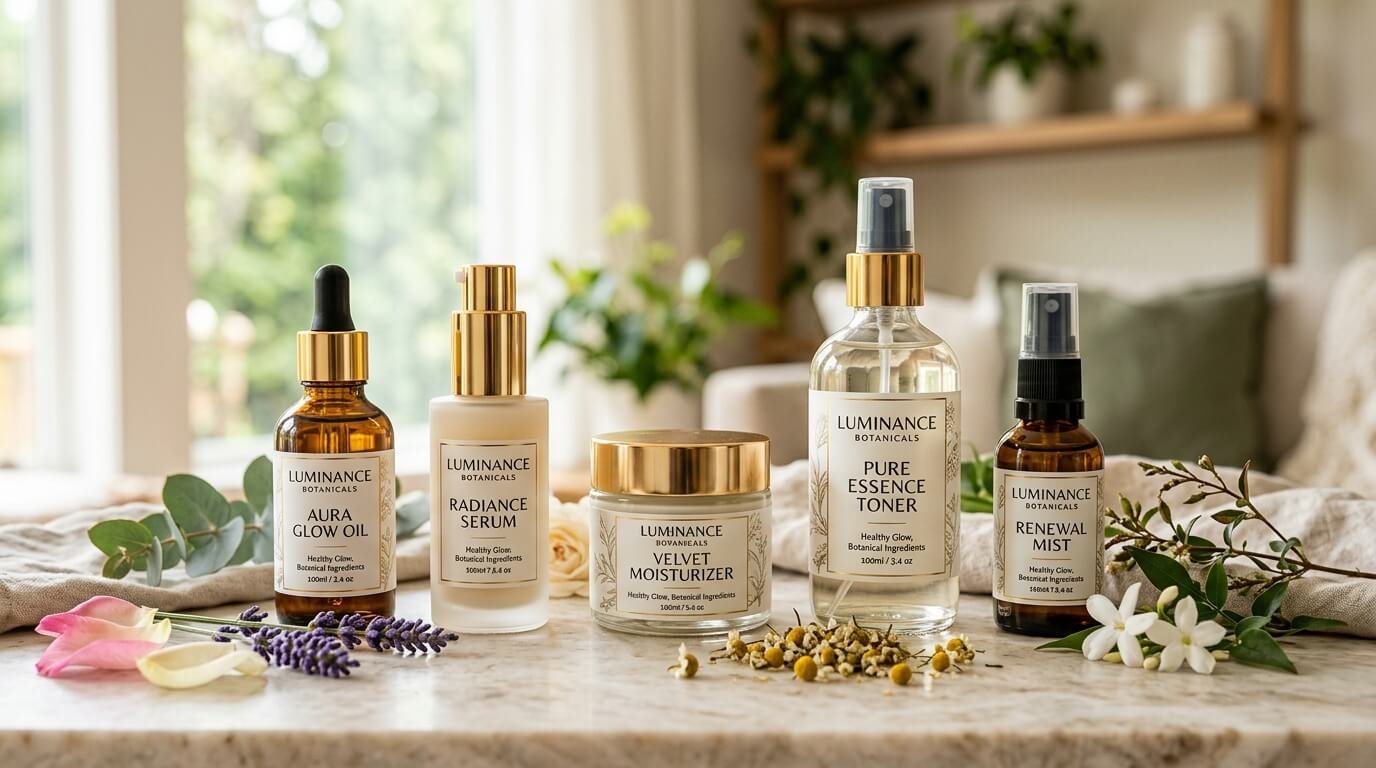

Taking care of your skin does not have to mean buying a shelf full of expensive bottles. With so many cleansers, serums, creams, oils, and treatments available today, however, choosing the right products can feel confusing. Which ingredients should you look for? Do you really need a separate product for every concern? And how can you create a routine that actually fits your lifestyle?
The truth is simple: good skin care starts with understanding your skin and choosing products that support its basic needs. Think of your routine like building a house. A strong foundation matters more than adding unnecessary decorations. Cleansing, moisturizing, and protecting your skin from the sun form that foundation.
This guide explores the best skin care products, useful ingredients, different product categories, and practical ways to create a simple routine without wasting money.
1. Understanding Your Skin Type
Before purchasing anything, take a moment to understand your skin. Your skin type can influence which formulas feel comfortable and which ones may cause problems.
The most common categories are normal, oily, dry, combination, and sensitive skin.
Normal skin generally has a balanced appearance without excessive oiliness or dryness. It may still experience occasional blemishes, especially because skin can change with weather, hormones, stress, and lifestyle.
Oily skin tends to produce more natural oil, particularly around the forehead, nose, and chin. People with oily skin may notice enlarged-looking pores, shine, or frequent breakouts.
Dry skin may feel tight, rough, flaky, or uncomfortable. It often benefits from richer moisturizing ingredients that help support the skin barrier.
Combination skin can be oily in some areas and dry in others. This is extremely common and may require a balanced approach rather than using one aggressive product everywhere.
Sensitive skin can react easily to fragrances, harsh cleansers, strong treatments, or environmental changes. A shorter routine with gentle formulas may be more suitable.
Remember that your skin type is not necessarily permanent. Seasonal changes, age, hormones, climate, and daily habits can all affect how your skin behaves.

2. Choosing a Gentle Cleanser
A cleanser is one of the most basic products in any routine, but that does not make it unimportant.
Your skin collects sweat, oil, dirt, makeup, and environmental particles throughout the day. A suitable cleanser helps remove these impurities without unnecessarily stripping the skin.
For oily skin, a lightweight gel or foaming cleanser may be comfortable. Ingredients such as salicylic acid can also be useful for people dealing with clogged pores and blemishes.
For dry skin, a creamy or hydrating cleanser can be a better choice. Look for formulas that leave your face feeling clean but not tight.
For sensitive skin, fragrance-free and gentle options are often preferable. Avoid assuming that a product must create lots of foam to work effectively.
One common mistake is washing the face repeatedly because it feels like “more cleaning” will produce better skin. In reality, excessive cleansing can leave the skin uncomfortable and may interfere with its natural protective barrier.
For most people, gentle and consistent cleansing is more useful than aggressive scrubbing.
3. Why Moisturizer Matters
If you think moisturizer is only for people with dry skin, think again.
A moisturizer can help support the skin barrier and reduce water loss. Even oily skin can benefit from hydration. The trick is choosing the appropriate texture.
Gel moisturizers often feel light and comfortable on oily or combination skin.
Cream moisturizers can provide a richer feel for normal or dry skin.
Light lotions can be useful when you want hydration without a heavy finish.
When shopping, you may encounter ingredients such as glycerin, hyaluronic acid, ceramides, and squalane. These ingredients are commonly used in moisturizing formulas for different purposes.
Ceramides, for example, are naturally associated with the skin barrier. Glycerin is a humectant that helps attract water. Hyaluronic acid is also widely used in hydrating products.
The important thing is not to chase one trendy ingredient. Look at the entire formula and consider how your skin responds.
4. The Importance of Sunscreen
If there is one step that deserves a permanent place in a daytime skin care routine, it is sun protection.
Ultraviolet radiation can contribute to premature visible skin aging and sun damage. Daily sunscreen use can therefore be one of the most valuable habits you develop for long-term skin care.
Look for a broad-spectrum sunscreen with an SPF appropriate for your needs. Many dermatology organizations recommend SPF 30 or higher for regular protection.
There are different textures available, including:
- Cream sunscreens
- Fluid sunscreens
- Gel sunscreens
- Mineral sunscreens
- Chemical sunscreens
- Tinted sunscreens
The best sunscreen is often the one you are comfortable applying consistently.
If a sunscreen feels too greasy, leaves an unwanted cast, or causes you to skip it, try another formulation. Skin care should fit your real life.
And remember: sunscreen is not only for beach days. UV exposure occurs during ordinary outdoor activities as well.

5. Serums for Specific Skin Concerns
Serums have become extremely popular because they allow people to target particular concerns with concentrated formulas.
However, you do not need five different serums simply because they are trending online.
Vitamin C serums are commonly used in morning routines to support a brighter-looking complexion and provide antioxidant benefits.
Niacinamide is another popular ingredient. It is used in products designed for concerns such as uneven-looking tone, excess oil, and visible pores.
Hyaluronic acid is frequently included in hydrating serums and can help the skin feel more moisturized.
Retinoids are widely recognized for their role in addressing signs of aging and certain acne concerns. Because they can be irritating, beginners should introduce them gradually and follow product directions carefully.
Salicylic acid is often found in products aimed at oily or blemish-prone skin because it can help remove dead skin cells and unclog pores.
The key lesson? Choose a serum based on a specific concern rather than collecting products simply because they are popular.
6. Ingredients Worth Knowing
Walking through a beauty store can feel like reading a chemistry textbook. Fortunately, you do not need to memorize hundreds of ingredients.
Here are several common ones worth recognizing.
Hyaluronic Acid: Commonly used to increase the feeling of hydration.
Glycerin: A widely used moisturizing ingredient that helps attract water.
Ceramides: Important components associated with the skin’s protective barrier.
Niacinamide: A versatile ingredient commonly used for oil control, uneven tone, and barrier support.
Vitamin C: An antioxidant ingredient often used in brightening products.
Salicylic Acid: A beta hydroxy acid frequently used for clogged pores and blemish-prone skin.
Retinoids: Vitamin A derivatives commonly used for acne and visible signs of aging.
Peptides: Short chains of amino acids used in many products marketed for smoother-looking, firmer skin.
Azelaic Acid: An ingredient used in products targeting blemishes and uneven-looking skin tone.
You do not need all of them. In fact, using too many active ingredients at once can make a routine unnecessarily complicated and potentially irritating.
7. Skin Care for Oily and Acne-Prone Skin
Oily skin often creates a frustrating cycle. You notice shine, use something extremely drying, your skin feels uncomfortable, and then you buy another product to correct the problem.
A better strategy is balance.
Start with a gentle cleanser, followed by a lightweight moisturizer. During the day, add sunscreen. If clogged pores or blemishes are a concern, consider introducing a product containing salicylic acid.
Avoid constantly scrubbing acne-prone skin. Scrubs with rough particles can irritate already-sensitive blemishes.
It is also important to remember that acne can have many causes. Skin care products may support management, but persistent, painful, or severe acne may require professional medical advice.
When introducing a new active ingredient, start slowly. Your skin needs time to adjust.
8. Skin Care for Dry and Sensitive Skin
Dry or sensitive skin often appreciates simplicity.
Rather than using strong cleansers and multiple exfoliating products, concentrate on gentle cleansing, hydration, moisturization, and sun protection.
Look for products designed without unnecessary fragrance if your skin is easily irritated. Creamy cleansers and richer moisturizers may feel more comfortable than lightweight formulas.
Ingredients such as glycerin and ceramides can be useful additions to a dry-skin routine.
A useful rule is to introduce one new product at a time. If you suddenly add four products and develop irritation, it becomes difficult to identify the cause.
Patch testing a new product according to its instructions can also be a sensible precaution, particularly if your skin is reactive.
9. Anti-Aging and Brightening Products
Everyone’s skin changes with time. Fine lines, uneven tone, texture changes, and loss of firmness are normal parts of aging.
Rather than looking for a magical product that promises to reverse everything overnight, focus on habits that support healthy-looking skin over time.
Sunscreen is fundamental because UV exposure is a major contributor to visible premature aging.
Retinoid products are another popular option. They can help improve the appearance of fine lines and uneven texture, although irritation can occur when they are introduced too quickly.
Antioxidant products, including those containing vitamin C, are also commonly used to support brighter-looking skin.
Moisturizer should not be forgotten. Well-hydrated skin can appear smoother and more comfortable.
And what about brightening? Ingredients such as vitamin C, niacinamide, and azelaic acid are commonly included in products targeting uneven-looking tone.
Be realistic about results. Skin care is more like tending a garden than flipping a switch. Consistency usually matters more than chasing instant results.
10. How to Build a Simple Daily Routine
A complicated routine is not automatically a better routine.
For beginners, a simple approach can work extremely well.
Morning Routine
Step 1: Cleanse
Use a gentle cleanser if your skin needs cleansing in the morning. Some people with dry skin prefer simply rinsing with water.
Step 2: Treatment
If desired, apply one targeted serum, such as a vitamin C or hydrating formula.
Step 3: Moisturize
Choose a texture that feels comfortable and does not make you want to skip the step.
Step 4: Sunscreen
Finish with broad-spectrum sunscreen.
Evening Routine
Step 1: Remove Makeup and Sunscreen
If you wear makeup or water-resistant sunscreen, use an appropriate first cleansing step when needed.
Step 2: Cleanse
Follow with your regular cleanser.
Step 3: Treatment
If you use a retinoid or another active treatment, apply it according to the product instructions.
Step 4: Moisturize
Finish with moisturizer to help keep the skin comfortable.
This four-step structure is enough for many people. You can add other products later if you genuinely need them.
11. Common Skin Care Mistakes to Avoid
Even the best skin care products cannot compensate for poor habits.
One common mistake is changing products too frequently. If you switch your entire routine every week, you may never know what works.
Another mistake is using too many active ingredients simultaneously. Combining several exfoliating acids, retinoids, and strong treatments may cause irritation.
Some people also believe that expensive products automatically provide better results. Price can reflect packaging, branding, research, formulation, and other factors, but a high price does not guarantee that a product is right for your skin.
Another problem is ignoring sunscreen because the weather is cloudy. UV exposure does not disappear simply because the sun is less noticeable.
Finally, avoid copying someone else’s entire routine just because their skin looks great online. Your skin may have completely different needs.
12. How to Choose Products on a Budget
You do not need a luxury budget to create a good routine.
Start with the essentials:
- Gentle cleanser
- Moisturizer
- Broad-spectrum sunscreen
Once those basics are established, consider adding one targeted treatment based on your main concern.
For example, if clogged pores are your primary concern, you might investigate a salicylic acid product. If uneven-looking tone is your focus, you could consider a suitable brightening ingredient.
Read the label rather than buying based solely on attractive packaging.
Also consider how often you will actually use the product. A $15 product that becomes part of your daily routine may provide more value than a $60 product that sits unopened in a drawer.
The smartest skin care routine is one you can afford, understand, and maintain consistently.
13. Conclusion
Finding the best skin care products is not about owning the biggest collection. It is about choosing products that match your skin type, addressing your actual concerns, and creating habits you can maintain.
Start with the basics: gentle cleansing, effective moisturization, and daily sun protection. Add targeted treatments only when you have a clear reason to use them.
Your skin does not need perfection. It needs consistent, thoughtful care. Keep your routine simple, introduce new products gradually, and give your skin enough time to show you what works.
Frequently Asked Questions
1. What are the best skin care products for beginners?
Beginners can start with a gentle cleanser, moisturizer, and broad-spectrum sunscreen. After establishing these basics, one targeted serum or treatment can be added based on individual skin concerns.
2. How many skin care products do I really need?
You do not need a large collection. A basic routine can contain three essential products: cleanser, moisturizer, and sunscreen. Additional products should serve a specific purpose.
3. What is the most important skin care product?
Daily sunscreen is one of the most important products for protecting skin from UV exposure. A gentle cleanser and suitable moisturizer are also fundamental parts of a balanced routine.
4. Are expensive skin care products better?
Not necessarily. A product’s price does not automatically determine its effectiveness. Ingredients, formulation, suitability for your skin, and consistent use are more important considerations.
5. How long does it take to see results from skin care products?
Results vary depending on the product and the concern being addressed. Hydration can sometimes feel better quickly, while concerns such as uneven tone, acne, or visible signs of aging may require consistent use over a longer period.
