

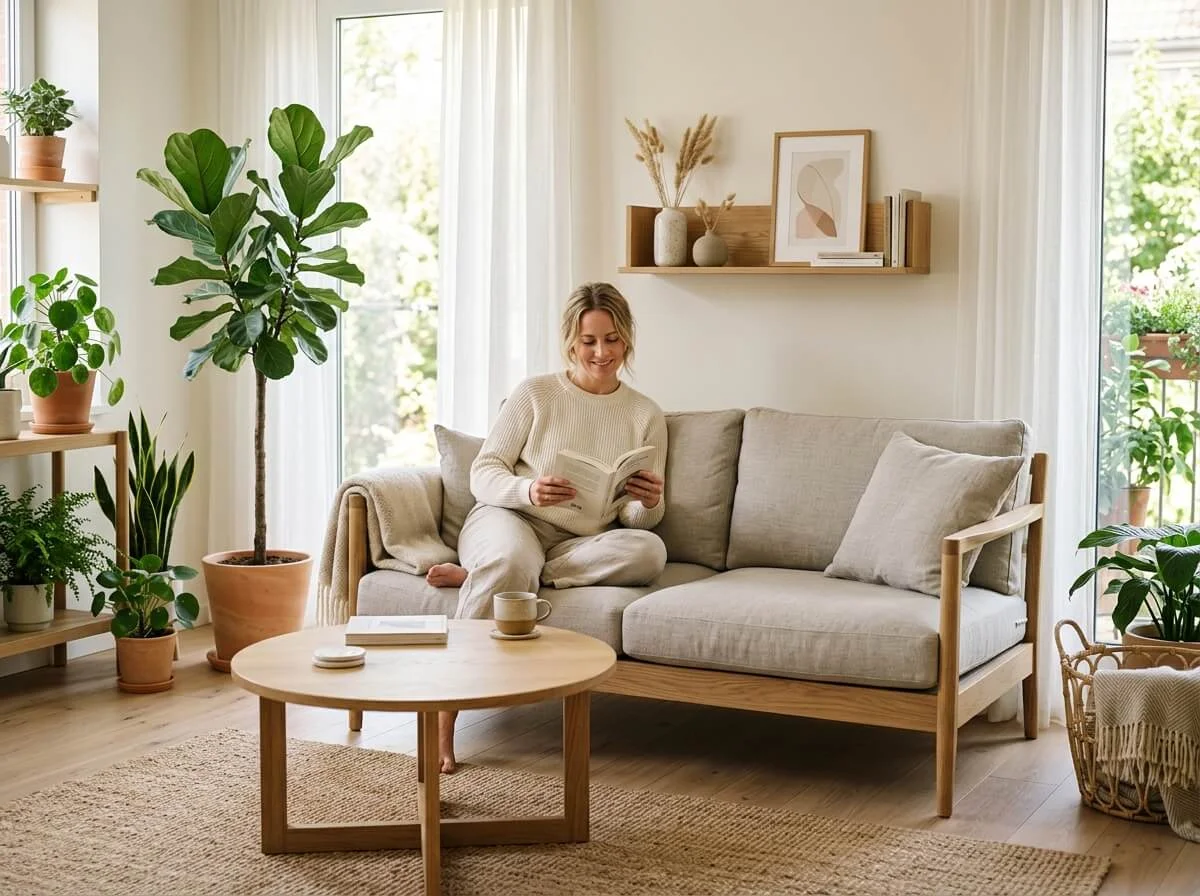

A 2 seater sofa is one of the most practical and stylish furniture pieces you can own. Whether you live in a cozy apartment, a modern studio, or a spacious family home, this compact seating option offers the perfect balance of comfort, functionality, and aesthetics. It creates a welcoming atmosphere without overwhelming your living space.
Think of a 2 seater sofa as the heart of a room. Just as a good conversation brings people together, the right sofa creates a place where family members relax, friends gather, and memories are made. But with so many designs, fabrics, colors, and features available, how do you choose the right one?
This comprehensive guide explores everything you need to know before purchasing a 2 seater sofa, from selecting the ideal material to understanding maintenance, comfort, and interior styling.
1. Introduction to 2 Seater Sofas
A 2 seater sofa is designed to comfortably accommodate two people while taking up less floor space than larger sofas. It is one of the most versatile furniture choices available today. Whether used as the primary seating in a small apartment or as additional seating in a larger living room, it provides both practicality and elegance.
Modern homes increasingly prioritize efficient use of space, making compact furniture more popular than ever. A well-designed sofa not only enhances comfort but also improves the visual appeal of your home.
2. Why Choose a 2 Seater Sofa?
Perfect for Small Spaces
One of the biggest advantages is its compact footprint. It fits easily into apartments, condos, offices, bedrooms, and reading corners.
Affordable Option
Compared to larger sectional sofas, a 2 seater typically costs less while still providing excellent comfort and style.
Easy to Move
Its lighter weight makes rearranging furniture much easier during renovations or home makeovers.
Versatile Usage
A 2 seater sofa can serve multiple purposes:
- Living room seating
- Home office furniture
- Guest room addition
- Bedroom lounge area
- Reception area seating

3. Different Types of 2 Seater Sofas
Standard Sofa
The classic design offers simple elegance suitable for almost every home.
Loveseat
A loveseat is slightly smaller and often features decorative arms and compact proportions.
Recliner Sofa
Ideal for people who prioritize relaxation, recliner models include adjustable backrests and footrests.
Sofa Bed
Perfect for homes with limited space, sofa beds provide seating during the day and transform into beds at night.
Modern Minimalist Sofa
Clean lines, neutral colors, and sleek silhouettes define contemporary minimalist designs.
Traditional Sofa
These models feature rolled arms, tufted cushions, and timeless craftsmanship.
4. Popular Upholstery Materials
Choosing the right material affects durability, appearance, and maintenance.
Fabric
Fabric remains one of the most popular choices because it offers:
- Comfort
- Affordability
- Wide color selection
However, it may require more frequent cleaning.
Leather
Leather provides luxury and durability while becoming softer over time.
Benefits include:
- Easy maintenance
- Elegant appearance
- Long lifespan
Velvet
Velvet creates a premium look with a soft, rich texture.
It works beautifully in modern and classic interiors alike.
Microfiber
Microfiber is stain-resistant and ideal for families with children or pets.
5. Choosing the Right Size
Before purchasing, measure your room carefully.
Consider These Measurements
- Room width
- Doorways
- Hallways
- Available walking space
- Coffee table clearance
A sofa should complement the room rather than dominate it.
Leaving enough space around the furniture helps maintain a spacious and inviting atmosphere.

6. Best Colors and Design Trends
Choosing the right color transforms the overall appearance of your room.
Neutral Shades
Popular choices include:
- Grey
- Beige
- Cream
- White
These colors work with almost every decorating style.
Bold Colors
For homeowners wanting personality, consider:
- Navy blue
- Forest green
- Mustard yellow
- Emerald
- Terracotta
Trending Designs
Current furniture trends emphasize:
- Rounded edges
- Curved backs
- Minimalist frames
- Wooden legs
8. Matching Your Interior Style
A sofa should blend naturally with your home’s overall design.
Scandinavian Style
Look for:
- Light wood
- Neutral colors
- Simple shapes
Industrial Design
Industrial interiors pair well with:
- Dark leather
- Metal frames
- Minimal decoration
Modern Homes
Choose:
- Straight lines
- Muted colors
- Low-profile seating
Traditional Decor
Classic interiors often feature:
- Button tufting
- Rolled arms
- Rich fabrics
9. Placement Ideas for Every Room
Strategic placement improves both comfort and functionality.
Living Room
Position the sofa opposite the television or facing the main conversation area.
Bedroom
Place it near a window to create a peaceful reading corner.
Home Office
A comfortable sofa provides an excellent space for breaks or informal meetings.
Studio Apartment
Use the sofa to divide living and sleeping areas without building walls.
10. Maintenance and Cleaning Tips
Proper care extends the life of your sofa.
Weekly Maintenance
- Vacuum cushions
- Dust surfaces
- Rotate cushions
Monthly Care
Inspect for:
- Loose stitching
- Worn cushions
- Frame movement
Immediate Stain Removal
Always clean spills quickly using products suitable for your upholstery material.
Avoid harsh chemicals that may damage fabric or leather.
11. Budget and Buying Guide
Prices vary depending on quality, material, and brand.
Budget Range
Entry-level sofas provide practical comfort at affordable prices.
Mid-Range
These usually offer better materials, stronger frames, and improved cushioning.
Premium Models
Luxury sofas feature handcrafted construction, premium leather, and designer aesthetics.
Before Buying
Always consider:
- Warranty
- Customer reviews
- Frame quality
- Fabric durability
- Comfort testing
- Delivery options
A little research today can prevent disappointment tomorrow.
12. Common Mistakes to Avoid
Many buyers regret their purchase because they overlook important details.
Avoid these common mistakes:
- Ignoring room measurements
- Choosing appearance over comfort
- Buying without testing
- Selecting difficult-to-clean fabrics
- Overlooking frame quality
- Ignoring warranty coverage
- Choosing trendy colors that quickly go out of style
Taking your time ensures you’ll enjoy your investment for years.
13. Final Thoughts
A 2 seater sofa is much more than a place to sit. It serves as a centerpiece that brings warmth, comfort, and personality to your home. Whether your style leans toward modern simplicity, timeless elegance, or cozy relaxation, there’s a design to suit every taste and budget.
By considering factors such as size, upholstery, comfort, durability, and placement, you can confidently choose a sofa that complements your lifestyle. Remember, the best sofa is one that feels inviting every time you sit down and continues to perform well for years to come.
Frequently Asked Questions (FAQs)
1. What is the ideal size of a 2 seater sofa?
Most 2 seater sofas measure between 120 cm and 180 cm (47–71 inches) in width, though dimensions vary by design and manufacturer.
2. Which material is best for a 2 seater sofa?
It depends on your needs. Leather offers durability and easy maintenance, while fabric provides comfort and a wider variety of colors and textures.
3. Is a 2 seater sofa suitable for small apartments?
Yes. A 2 seater sofa is an excellent choice for apartments, studios, and compact living rooms because it maximizes seating without occupying excessive floor space.
4. How long does a quality 2 seater sofa last?
A well-built sofa with a solid frame and quality upholstery can last 10 to 15 years or longer with proper care and maintenance.
5. How do I choose the right color for my sofa?
Consider your room’s existing color palette, lighting, and décor. Neutral shades provide versatility, while bold colors create a striking focal point and add personality to your space.
