

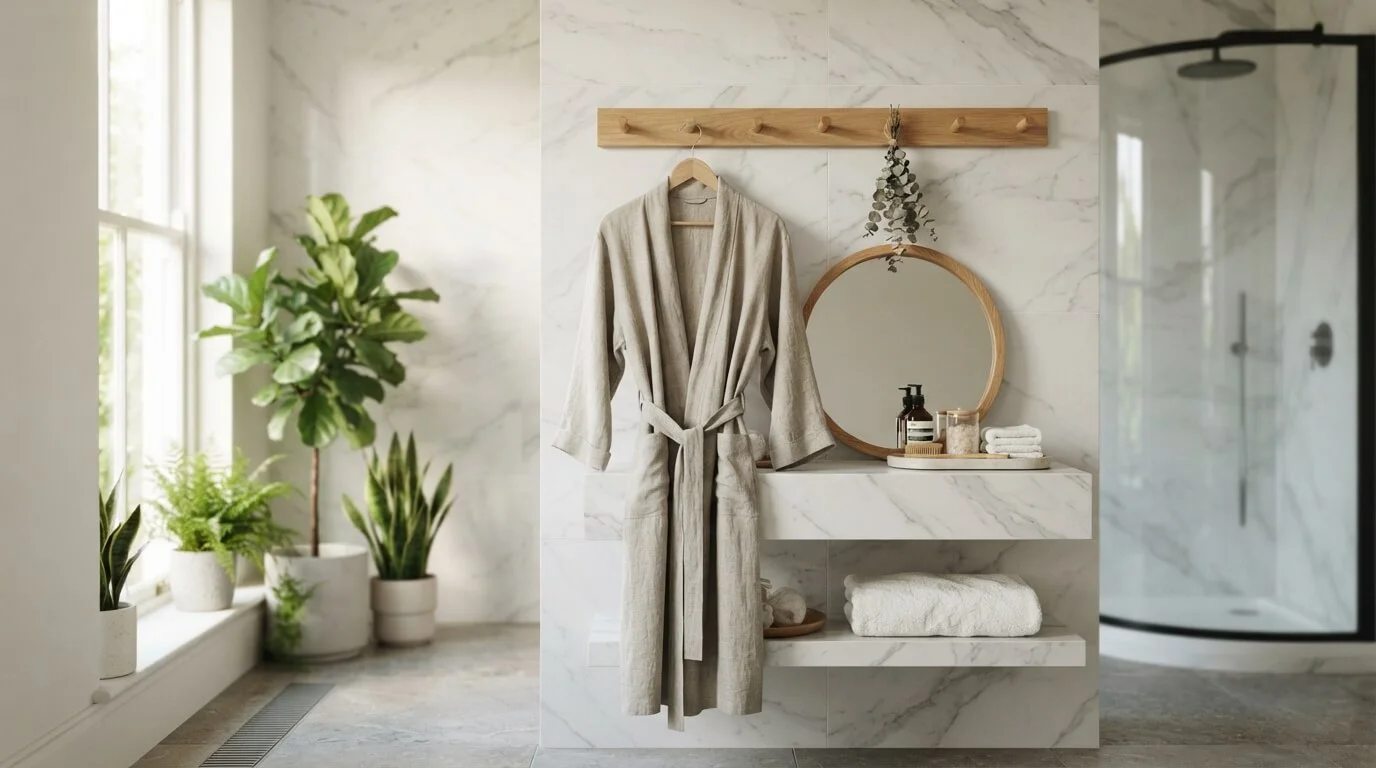

A dressing gown is one of those wardrobe essentials that often doesn’t get the attention it deserves. Whether you’re enjoying a peaceful morning with a cup of coffee, relaxing after a long day, or staying cozy during colder months, the right dressing gown can make a surprising difference.
Think of a dressing gown as a warm hug you can wear. It combines comfort, practicality, and style in a way that few clothing items can. Today, dressing gowns come in countless fabrics, designs, and colors, making them suitable for every season and every personality.
In this complete guide, you’ll learn everything you need to know about dressing gowns—from choosing the perfect fabric to caring for your favorite robe so it lasts for years.
1. What Is a Dressing Gown?
A dressing gown is a loose-fitting outer garment worn over sleepwear or casual clothing. It is designed to provide warmth, privacy, and comfort around the home.
People wear dressing gowns for many reasons, including:
- Relaxing after work
- Staying warm in winter
- Covering up after a shower
- Enjoying slow weekend mornings
- Lounging comfortably at home
Modern dressing gowns are available in countless styles, from lightweight cotton robes to luxurious velvet and silk designs.
2. The History of Dressing Gowns
Dressing gowns have been around for centuries. Wealthy families once wore elegant robes made from silk and velvet inside their homes.
During the 18th and 19th centuries, dressing gowns became symbols of sophistication and relaxation. Over time, they evolved into practical garments suitable for everyone.
Today, dressing gowns are found in homes worldwide and have become everyday essentials rather than luxury items.

3. Why Everyone Should Own One
A dressing gown offers much more than warmth.
Comfort
There’s nothing quite like wrapping yourself in a soft robe after a shower or before bedtime.
Convenience
Need to answer the door quickly? A dressing gown provides instant coverage.
Warmth
During chilly mornings, a thick fleece or wool dressing gown helps retain body heat.
Relaxation
Putting on a dressing gown signals your mind that it’s time to unwind and slow down.
Versatility
Many people wear dressing gowns while reading, watching television, working from home, or enjoying breakfast.
4. Different Types of Dressing Gowns
There are many styles available depending on your needs.
Cotton Dressing Gowns
These are lightweight, breathable, and perfect for everyday use.
Best for:
- Summer
- Warm climates
- Daily lounging
Fleece Dressing Gowns
Extremely soft and warm, fleece robes are ideal during winter.
Advantages:
- Excellent insulation
- Lightweight
- Comfortable
Silk Dressing Gowns
Silk offers elegance and luxury.
Ideal for:
- Warm evenings
- Special occasions
- Stylish homewear
Satin Dressing Gowns
Satin provides a smooth finish and glamorous appearance without the higher price of silk.
Terry Cloth Dressing Gowns
Made from towel-like fabric, these robes absorb moisture exceptionally well.
Perfect after:
- Showers
- Baths
- Swimming
Velvet Dressing Gowns
Velvet dressing gowns create a premium look while offering warmth and softness.
5. Choosing the Right Fabric
Fabric plays a major role in comfort.
Cotton
Pros:
- Breathable
- Easy to wash
- Natural fibers
- Comfortable year-round
Fleece
Pros:
- Very warm
- Lightweight
- Affordable
- Soft texture
Silk
Pros:
- Luxurious appearance
- Lightweight
- Naturally smooth
Cons:
- Expensive
- Requires delicate care
Microfiber
Pros:
- Soft
- Dries quickly
- Durable
Bamboo Fabric
An increasingly popular sustainable option.
Benefits include:
- Breathability
- Moisture control
- Eco-friendliness
6. Finding the Perfect Fit
A dressing gown should never feel restrictive.
Length
Options include:
- Short
- Knee-length
- Mid-calf
- Full-length
Longer robes offer more warmth, while shorter versions allow greater movement.
Sleeves
Choose between:
- Full sleeves
- Three-quarter sleeves
- Kimono sleeves
Belt
A secure waist belt improves comfort and ensures a better fit.
Pockets
Deep pockets make carrying phones, tissues, or reading glasses much easier.
7. Seasonal Dressing Gowns
Spring
Choose lightweight cotton or bamboo fabrics.
Summer
Look for breathable materials that won’t trap heat.
Ideal fabrics include:
- Cotton
- Linen
- Lightweight satin
Autumn
Medium-weight fleece works well during cooler evenings.
Winter
Thick fleece, wool blends, or velvet robes provide excellent insulation.
8. Styling Your Dressing Gown
Who says comfort can’t be fashionable?
Choose Neutral Colors
Classic shades include:
- White
- Navy
- Grey
- Beige
- Black
Add Slippers
Matching slippers complete a cozy home outfit.
Layer Comfortably
Wear your robe over:
- Pajamas
- Lounge sets
- Sleepwear
Accessorize
A headband, warm socks, or a soft blanket can make your relaxation routine even more enjoyable.
9. Caring for Your Dressing Gown
Proper care extends its lifespan.
Read the Label
Always follow washing instructions.
Wash Gently
Use mild detergent to protect delicate fabrics.
Avoid High Heat
High dryer temperatures may damage fibers.
Store Properly
Hang your dressing gown or fold it neatly in a dry cupboard.
Repair Early
Loose stitching or small tears should be repaired before they become larger problems.
10. Common Mistakes to Avoid
Many people unknowingly reduce the lifespan of their dressing gowns.
Avoid these common mistakes:
- Buying the wrong size
- Ignoring fabric quality
- Using harsh detergents
- Drying on excessive heat
- Wearing outdoor shoes with indoor robes
- Not washing regularly
Taking proper care keeps your robe comfortable and looking new.
11. Sustainable Dressing Gown Choices
As more people become environmentally conscious, sustainable robes are growing in popularity.
Look for:
- Organic cotton
- Bamboo fibers
- Recycled fabrics
- Durable construction
Buying one high-quality dressing gown often creates less waste than replacing cheaper robes every year.
Choosing quality over quantity benefits both your wallet and the environment.
12. Final Thoughts
A dressing gown may seem like a simple piece of clothing, but it adds comfort, warmth, and relaxation to everyday life. Whether you prefer the luxurious feel of silk, the softness of fleece, or the breathability of cotton, there’s a perfect option for every lifestyle and season.
When choosing a dressing gown, consider the fabric, fit, length, and purpose. Investing in a high-quality robe ensures lasting comfort and makes everyday routines more enjoyable. With proper care, your favorite dressing gown can remain soft, stylish, and comfortable for many years.
After all, everyone deserves a little extra comfort at the beginning and end of each day.
Frequently Asked Questions (FAQs)
1. What is the difference between a dressing gown and a bathrobe?
A dressing gown is mainly worn for lounging and comfort, while a bathrobe is typically made from absorbent materials designed to dry the body after bathing.
2. Which fabric is best for a dressing gown?
Cotton is ideal for everyday use, fleece is perfect for winter, and silk is best for luxury and lightweight comfort.
3. How often should I wash my dressing gown?
For regular use, washing every one to two weeks is generally recommended. If worn after bathing, it may need more frequent washing.
4. Can I wear a dressing gown throughout the day?
Yes. Many people wear dressing gowns while relaxing at home, working remotely, reading, or enjoying weekends.
5. How do I choose the right size dressing gown?
Choose a size that allows comfortable movement and layering without being overly tight. Consider the length, sleeve style, and adjustable belt for the best fit.
