

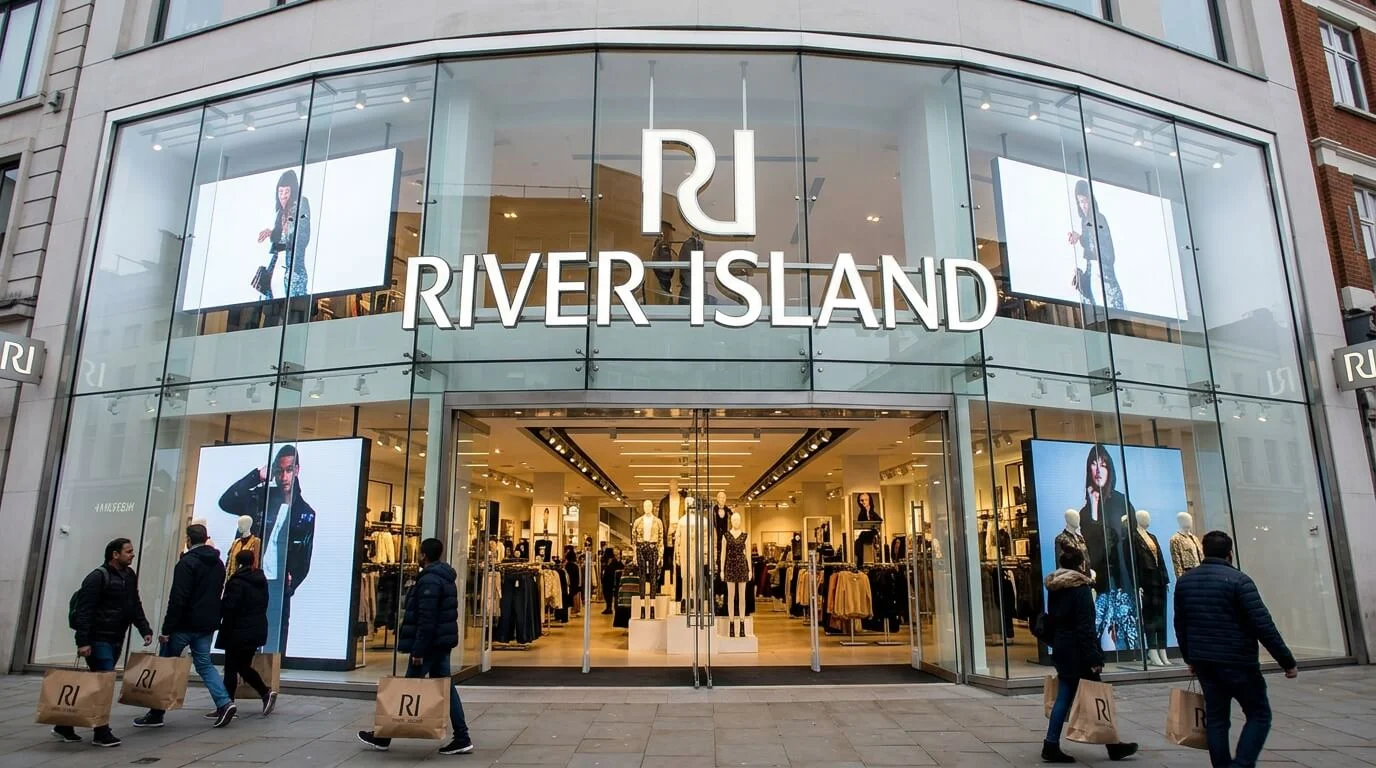

Fashion changes quickly, but some brands manage to stay relevant year after year without losing their identity. River Island is one of those names. For many shoppers, it sits in that sweet spot between trend-driven style and everyday wearability. It’s the kind of brand people turn to when they want something fashionable without stepping into luxury-price territory. Whether you’re hunting for a party outfit, a workwear refresh, a new pair of jeans, or a statement bag, this retailer has long been part of the British high-street conversation.
But what exactly makes it stand out in such a crowded market? Is it the bold design approach, the wide product range, the accessible pricing, or the way it keeps reinventing itself while still feeling familiar? The answer is a little bit of everything. Like a well-packed wardrobe, the brand works because it blends basics, trend pieces, occasionwear, and personality in one place.
In this guide, we’ll take a deep dive into the story, style, collections, shopping experience, pricing, sustainability efforts, and reasons why the brand continues to attract loyal shoppers. If you’ve ever wondered whether it’s worth buying from, what it’s known for, or how it fits into modern fashion culture, this article will walk you through it all.
What Is River Island and Why Is It So Popular?
At its core, River Island is a British fashion retailer known for trend-led clothing, footwear, and accessories for women, men, and children. It has built its reputation by offering pieces that feel current and stylish while still being wearable in real life. That matters because most people don’t shop for a runway fantasy—they shop for dinner plans, office days, weddings, weekends, holidays, and everything in between.
The brand has become popular because it understands that balance. It doesn’t just sell clothes; it sells fashion with personality. Walk through one of its stores or browse online, and you’ll notice a mix of wardrobe staples, bold statement pieces, polished tailoring, casual basics, denim, occasion dresses, shoes, and bags. There’s often a little drama in the details—metallic finishes, textured fabrics, oversized silhouettes, embellished trims, or strong prints—but usually in a way that still feels approachable.
Another reason it connects with shoppers is accessibility. Not everyone wants to spend designer-level money, but many still want clothes that feel stylish, modern, and a bit elevated. That’s where this retailer has found its lane. It’s positioned in a space where shoppers can experiment with trends without feeling reckless about the cost.
The Story Behind the Brand: From Humble Beginnings to High-Street Recognition
One of the most interesting things about River Island is that it didn’t start out as the polished fashion brand people know today. Its roots go back to a family-run business founded by Bernard Lewis in post-war Britain. Over time, that small beginning evolved into a clothing operation, and eventually into a retail force on the UK high street.
The business later became closely associated with Chelsea Girl, a name that played a major role in its earlier identity and helped shape its fashion DNA. In the late 1980s, the company rebranded and adopted the name River Island, which became the face of its broader fashion ambitions. That change wasn’t just cosmetic. It marked a shift toward a more complete lifestyle and fashion offering rather than a single-category focus.
Today, the brand is still associated with British high-street fashion culture and remains family-linked in its ownership story. That continuity matters. In an era where many retailers feel corporate, faceless, or constantly in flux, there’s something powerful about a fashion company with deep roots and a recognisable identity.
A British High-Street Brand with Its Own Personality
The British high street is full of competition, so surviving there for decades is no small achievement. River Island has managed to do more than survive—it has carved out a distinct personality. It’s not trying to be ultra-minimal, aggressively luxury, or purely basics-focused. Instead, it leans into fashion that feels confident, expressive, and trend-aware.
Think of it like a friend who always seems to know how to dress for the occasion. Not in a loud, attention-seeking way, but in that “how do they always get it right?” kind of way. That’s the brand’s appeal. It’s stylish without being too intimidating and trend-led without completely abandoning practicality.
Its identity is also tied to the idea of dressing for real life. That means you’ll find pieces that can work for brunch, work, travel, date nights, parties, weddings, and seasonal updates. There’s often a glamorous edge in some collections, but it’s usually balanced by wearable cuts and familiar wardrobe shapes.
What Kind of Clothes Does River Island Sell?
One of the biggest strengths of River Island is the breadth of its product range. It doesn’t limit itself to one type of shopper or one fashion moment. Instead, it offers multiple categories designed to cover different parts of daily life.
Womenswear
Womenswear is one of the brand’s strongest areas. The selection often includes:
- Dresses for casual wear, work, holidays, and special occasions
- Tailored trousers and blazers
- Denim in multiple cuts and washes
- Knitwear, tops, shirts, and bodysuits
- Co-ords and matching sets
- Jackets, coats, and seasonal outerwear
- Shoes ranging from sandals to boots and heels
- Handbags, jewellery, and finishing accessories
What makes the womenswear section appealing is the variety. Some pieces lean clean and polished, while others go all-in on trend details. That gives shoppers options whether they prefer understated dressing or more fashion-forward looks.
Menswear
Menswear is another important category. It usually includes:
- Smart shirts and tailoring
- T-shirts, polos, and knitwear
- Jeans, chinos, and casual trousers
- Jackets, overshirts, and coats
- Trainers, boots, and occasion shoes
- Accessories such as belts, bags, and sunglasses
The men’s collection tends to strike a balance between smart-casual dressing and trend-conscious styling. It’s especially useful for shoppers who want clothing that feels current without becoming too experimental.
Kidswear and Family Fashion
The brand has also expanded into children’s clothing, giving families the option to shop across age groups. Kidswear often includes mini versions of trend-led looks, occasion outfits, seasonal basics, and playful casualwear.
The Signature Style: What Makes River Island Clothing Look Different?
Every successful fashion brand has a visual fingerprint, and River Island is no exception. While collections evolve each season, certain style traits show up again and again.
Trend-Led but Commercial
The brand pays attention to what’s happening in fashion—whether that’s oversized tailoring, cargo shapes, metallics, crochet, denim refreshes, or minimalist neutrals—but it tends to filter those trends through a commercial lens. In other words, it asks: How can we make this wearable for everyday shoppers?
Statement Details
A lot of pieces feature design touches that make them feel more elevated than a plain basic. Think chain straps on bags, dramatic sleeves, embellishment, textured fabrics, hardware details, sharp shoulders, or unexpected cut-outs.
Occasionwear Energy
Even in casual categories, there’s often a polished edge. That’s one reason the brand performs well in partywear and event dressing. It understands that many people want clothes that feel special, not just functional.
Strong Accessories
Accessories are a huge part of the brand’s identity. Bags, shoes, jewellery, and finishing pieces often carry the same fashion-forward energy as the clothing. Sometimes the accessories even steal the show.
Why Shoppers Turn to River Island for Occasionwear
If there’s one category where River Island often shines, it’s occasionwear. Weddings, parties, date nights, birthdays, holiday dinners, graduations—these are the moments when people want a little more than basics. They want something with presence.
That’s where the brand tends to do well. Occasionwear collections often include:
- Satin or embellished dresses
- Tailored co-ords and jumpsuits
- Heeled sandals and statement shoes
- Clutch bags and mini bags
- Jewellery designed to finish a look quickly
The appeal lies in the fact that the pieces feel event-ready without always tipping into “wear it once and forget it” territory. A dress might work for a wedding with heels and jewellery, then later be dressed down with a blazer and ankle boots. That versatility matters, especially when shoppers are trying to make smarter buying decisions.
And let’s be honest—there’s something reassuring about walking into a store or opening a website and feeling like you can find a full outfit in one place. Outfit shopping can sometimes feel like solving a puzzle with missing pieces. Here, it often feels more like buying a ready-made answer.
Denim, Basics, and Everyday Pieces: The Less Flashy Side of the Brand
It’s easy to focus on the glamorous side of River Island, but that would only tell half the story. The brand also does a large amount of business through everyday categories—especially denim, knitwear, tops, outerwear, and casual staples.
Denim
Jeans are a major wardrobe category, and the brand has long leaned into denim as a core part of its offer. Depending on the season, you’ll usually find:
- Skinny, straight, slim, wide-leg, and relaxed fits
- High-rise and mid-rise options
- Black, blue, grey, white, and distressed washes
- Denim jackets, skirts, shorts, and shirts
For many shoppers, this is where the brand becomes practical rather than purely aspirational. A good pair of jeans can be worn dozens of ways, and retailers that get denim right tend to earn repeat customers.
Wardrobe Basics
Basics may not be the most exciting part of fashion, but they’re often the most used. The brand’s basics and casual staples can include fitted tees, knit tops, tanks, shirts, neutral knitwear, leggings, lounge pieces, and layering items. These pieces help shoppers build outfits rather than just buy isolated trends.
Shoes, Bags, and Accessories: The Finishing Touches That Matter
A lot of fashion brands treat accessories as an add-on. River Island often treats them as a major attraction in their own right. That’s important because accessories can completely change how an outfit feels.
Take a simple black dress. Add plain flats and it’s easy. Add metallic heels, a sculptural bag, and bold earrings, and suddenly it feels ready for an event. Accessories are the punctuation marks of fashion—they tell the outfit where to stop, pause, shout, or whisper.
Popular accessory categories often include:
- Shoulder bags, totes, clutches, and mini bags
- Boots, heels, loafers, sandals, and trainers
- Earrings, necklaces, rings, and bracelets
- Scarves, hats, belts, and sunglasses
One of the brand’s strengths is that it often designs accessories with trend appeal in mind, so shoppers can update their style without replacing their whole wardrobe. Sometimes a new bag or pair of shoes is all it takes to make old outfits feel fresh again.
Is River Island Affordable? Understanding the Price Point
When people ask whether River Island is affordable, the real answer is: it sits in the middle of the high-street market. It’s not the cheapest option, but it’s also nowhere near premium designer pricing. That positioning is part of its appeal.
You’re usually paying for a mix of trend relevance, design details, brand identity, and a slightly more polished feel than ultra-budget fast fashion. That doesn’t automatically mean every item is a bargain, of course. Some pieces will feel like better value than others, and pricing can vary significantly depending on the category.
Generally speaking:
- Basic tops and simple pieces tend to be more accessible
- Tailoring, coats, bags, and occasionwear may sit at a higher price point
- Shoes and accessories can range from impulse-buy territory to more considered purchases
For many shoppers, the sweet spot is sales season. Buying outerwear, occasionwear, handbags, or trend pieces during promotions can make the value feel much stronger.
Online Shopping Experience: What It’s Like to Browse and Buy
Modern fashion retail lives online as much as it does in-store, and River Island has had to evolve with that reality. Online shopping is now central to how people discover collections, compare products, and make buying decisions.
What shoppers usually look for online
When browsing a fashion site, most people care about the same things:
- Clear photos from multiple angles
- Product details and fabric information
- Sizing guidance
- Delivery and returns information
- Styling inspiration
- Easy filtering by size, category, fit, or colour
The brand’s online presence matters because fashion shopping is often emotional and visual. People want to imagine how something will fit into their life. Good product imagery, clear descriptions, and outfit styling help bridge the gap between “that looks nice on a model” and “I can actually see myself wearing this.”
Online shopping also supports the brand’s wider reach beyond physical stores. For many customers, digital access is the main way they interact with the label at all.
In-Store Shopping: Why the Physical Experience Still Matters
Even in an age of endless online scrolling, physical stores still play an important role for a brand like River Island. There’s a big difference between liking something on a screen and trying it on in real life. Fabric, fit, colour, comfort, and proportions can all feel different once you’re standing in front of a mirror.
Stores also allow for impulse discovery. You might walk in looking for jeans and leave with a blouse, earrings, and a bag because seeing the full display sparked an outfit idea. That’s the magic of physical retail. It can turn shopping from a transaction into an experience.
For occasionwear especially, stores remain valuable. When you need something for a wedding or event, trying on several options in one visit can be much easier than ordering and returning multiple parcels.
Sustainability and Ethical Questions: How Is River Island Responding?
Fashion shoppers are asking harder questions than they used to. Where are clothes made? What materials are being used? How much waste is created? Are brands doing anything meaningful, or are they just talking nicely? These are fair questions, and River Island has responded by outlining sustainability and ethical trade commitments through its “Kind Society” and sustainability work.
The company has published information about goals linked to responsible sourcing, recycled and lower-impact materials, supply-chain transparency, animal welfare, waste reduction, and climate action. It has also publicly shared policies and reports covering areas such as ethical trade, modern slavery, restricted substances, and supplier transparency. Recent brand materials also highlight efforts around responsible cotton, recycled synthetics, circular initiatives, and environmental targets.
That said, sustainability in fashion is rarely simple. It’s better to see it as a journey rather than a finish line. The industry as a whole still faces major challenges around overproduction, material waste, labour standards, and emissions. So the more useful question isn’t “Is this brand perfect?” but “Is it showing evidence of progress, transparency, and accountability?” Shoppers can then decide how much those efforts matter in their buying choices.
Collaborations, Trend Culture, and Brand Relevance
Fashion brands stay visible not only by selling clothes but by staying part of the wider style conversation. River Island has used collaborations, curated edits, seasonal trend drops, and celebrity-linked campaigns to keep its image fresh over the years. That matters because fashion is partly about utility and partly about cultural relevance.
Collaborations and trend-led capsules help the brand tap into new audiences, refresh its image, and create moments of excitement around the label. They also allow shoppers to feel like they’re buying into something current rather than static. In a competitive market, that sense of motion matters.
This is one of the reasons the brand has remained recognisable for decades. It doesn’t simply repeat last year’s formula. It keeps adjusting—sometimes through design, sometimes through retail strategy, sometimes through campaigns, and sometimes through digital storytelling.
Who Should Shop at River Island?
This is probably the most practical question of all. Is River Island right for everyone? Not necessarily. But it suits a wide range of shoppers, especially those who want a mix of trend and wearability.
It may be a good fit if you:
- Enjoy high-street fashion with a polished edge
- Want clothing for both everyday wear and special occasions
- Like statement details without going full designer
- Need accessories, shoes, and clothing in one place
- Prefer fashion that feels current but still accessible
- Enjoy experimenting with trends while staying within a realistic budget
It may be less ideal if you:
- Prefer ultra-minimal basics only
- Want the lowest possible prices above all else
- Shop almost exclusively for timeless investment dressing
- Need highly technical performance clothing rather than fashion-led pieces
In simple terms, the brand works best for people who want their wardrobe to have a bit of personality. Not chaos. Not costume. Just enough style to keep things interesting.
How to Shop Smart at River Island
Buying well isn’t just about what a brand sells; it’s also about how you shop. If you want to get the most from River Island, a little strategy helps.
1. Start with the occasion
Ask yourself what you actually need. Is it a holiday wardrobe update? Workwear? Denim? A wedding guest dress? Going in with a purpose helps you avoid impulse buys that look exciting in the moment but don’t fit your real life.
2. Build around one hero piece
If you fall in love with a standout jacket, dress, or bag, use that as your anchor and keep the rest simple. This is especially helpful with a brand known for statement details.
3. Don’t ignore accessories
Sometimes the best buy isn’t the dress or the blazer—it’s the bag, shoe, or jewellery piece that refreshes ten outfits you already own.
4. Check fabric and fit details
Trend appeal is great, but comfort and wearability matter more in the long run. Look at materials, cut, length, and care instructions before buying.
5. Watch for sale periods
The brand can offer stronger value during promotions, especially on outerwear, occasionwear, footwear, and accessories.
The Future of River Island in a Changing Fashion Market
Fashion retail is going through constant change. Consumer habits shift, online competition grows, economic pressure affects spending, and sustainability expectations continue to rise. For a high-street brand, staying relevant now requires more than attractive clothes. It means balancing style, speed, digital convenience, value, brand trust, and operational resilience.
Recent reporting suggests River Island has been reshaping parts of its business, including store strategy and a renewed focus on digital performance, while also continuing to invest in product and brand direction. That tells us something important: the brand isn’t standing still. It knows the fashion market has changed, and it appears to be adapting rather than simply hoping nostalgia will carry it forward.
That ability to evolve may be its biggest strength. Plenty of fashion retailers can sell a good dress or a decent pair of jeans. Fewer can stay recognisable across generations while still making sense to today’s shopper.
Conclusion
River Island has earned its place on the British high street by doing something harder than it looks: staying fashionable without becoming inaccessible, and staying familiar without becoming boring. It offers a blend of trend-led clothing, occasionwear, accessories, denim, and everyday staples that appeals to shoppers who want style with a practical edge. Its long history gives it credibility, its design approach gives it personality, and its broad product range gives it relevance across different moments in life.
No fashion brand is perfect for everyone, and smart shopping always means thinking about your budget, your wardrobe, and your lifestyle first. But if you’re looking for a retailer that mixes statement style with everyday usefulness, River Island remains a strong contender. In many ways, it’s like a wardrobe chameleon—able to shift from workwear to weekend, from casual denim to event dressing, without losing its sense of identity. And in a fashion world that often moves too fast for its own good, that kind of consistency is worth noticing.
FAQs
1. What is River Island known for?
River Island is best known for trend-led British high-street fashion, including womenswear, menswear, occasionwear, denim, shoes, bags, and accessories. It’s especially recognised for stylish statement pieces that still feel wearable for everyday life.
2. Is River Island considered affordable?
It generally sits in the mid-range high-street category. It’s not the cheapest retailer, but it’s also far below luxury pricing. Many shoppers see it as a good option for fashion-forward pieces, especially during sales.
3. Does River Island sell clothes for men and children too?
Yes. In addition to womenswear, River Island offers menswear and children’s clothing, making it a useful option for shoppers looking across multiple fashion categories.
4. Is River Island good for occasionwear?
Yes, it’s one of the categories the brand often performs well in. Many shoppers turn to River Island for wedding guest outfits, partywear, evening looks, and event-ready accessories.
5. Does River Island have sustainability goals?
Yes. The company has published sustainability and ethical trade information covering responsible materials, supply-chain transparency, environmental targets, and other initiatives through its public reports and policy pages.
