

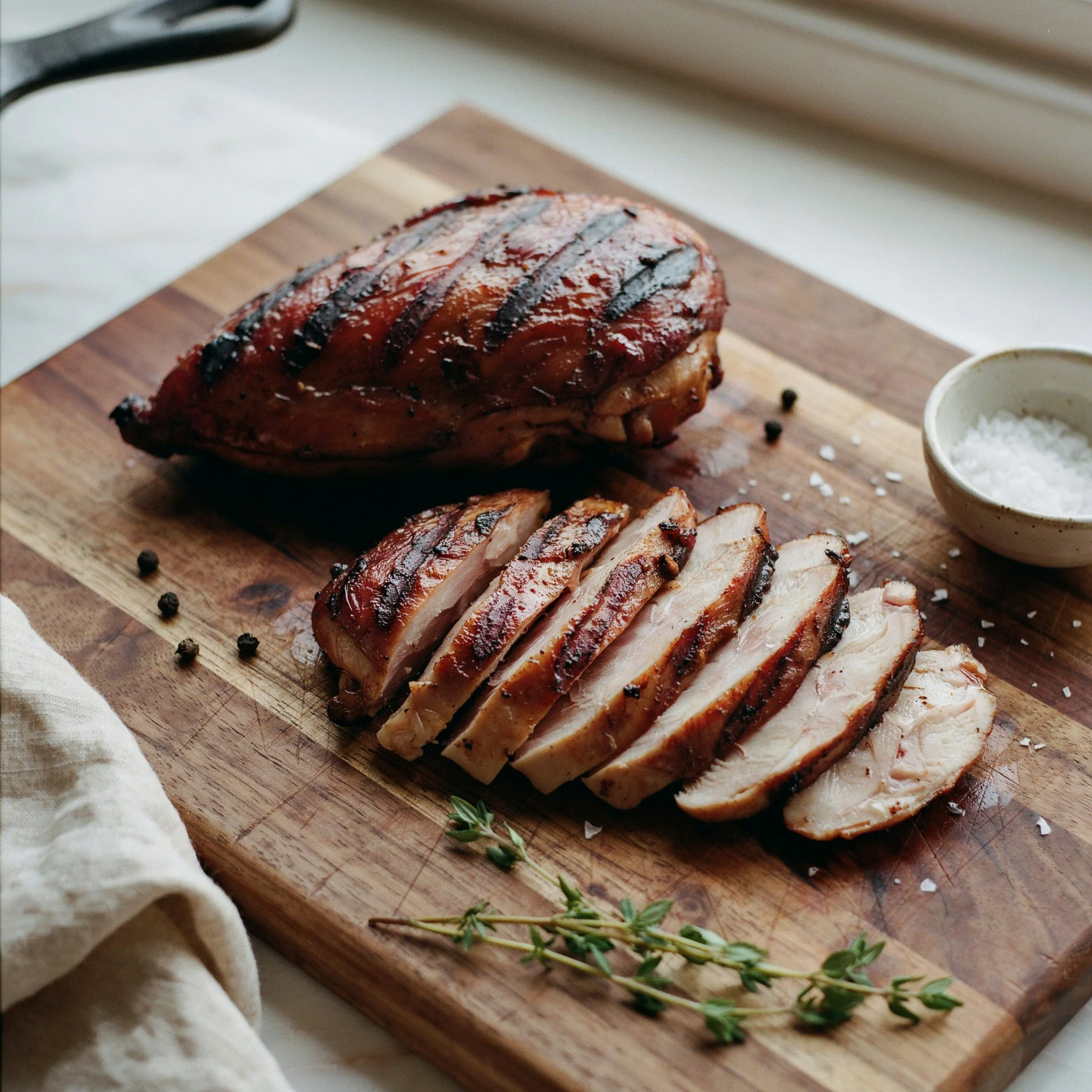

Smoked Chicken Breast: The Ultimate Guide to Juicy, Flavorful Perfection
Few meals strike the perfect balance between flavor, nutrition, and versatility quite like smoked chicken breast. Whether you’re a backyard barbecue enthusiast, a meal-prep fan, or simply someone looking for a healthier protein option, this dish deserves a place on your table.
Smoking transforms ordinary poultry into something extraordinary. The slow cooking process allows rich wood-fired aromas to penetrate the meat while keeping it tender and juicy. Think of it like turning a simple sketch into a masterpiece—the basic ingredient remains the same, but the final result is far more impressive.
In this comprehensive guide, you’ll learn everything about preparing, seasoning, smoking, and serving delicious chicken breast. From choosing the right wood to avoiding common mistakes, we’ll cover every detail you need to know.

1. What Makes Smoked Chicken Breast Special
Unlike grilling, which uses direct heat, smoking relies on low temperatures and flavorful wood smoke. This slower cooking method allows the meat to absorb deep, rich flavors that simply cannot be achieved through conventional cooking.
The result is a beautifully seasoned piece of poultry with a slightly smoky crust and a juicy interior. Every bite offers a balance of tenderness and savory flavor.
Many people assume smoking is only for brisket or ribs, but chicken breast responds exceptionally well to the process when prepared correctly.
2. Nutritional Benefits
One reason this dish has become increasingly popular is its impressive nutritional profile.
High in Protein
Chicken breast is one of the leanest protein sources available. A single serving provides substantial protein that supports muscle growth and overall health.
Low in Fat
Compared to many smoked meats, chicken breast contains relatively little fat, making it an excellent choice for health-conscious eaters.
Rich in Nutrients
It contains important vitamins and minerals, including:
- Niacin
- Vitamin B6
- Phosphorus
- Selenium
- Potassium
Supports Weight Management
Because it is filling and protein-rich, it can help reduce hunger and support healthy eating habits.
3. Choosing the Best Chicken
Great results start with selecting quality ingredients.
Fresh vs. Frozen
Fresh poultry often provides the best texture and flavor. However, properly thawed frozen options can work just as well.
Size Matters
Choose similarly sized pieces to ensure even cooking. Uneven thickness can lead to some sections becoming overcooked while others remain undercooked.
Organic and Free-Range Options
Many cooks prefer organic or free-range chicken because it often has a richer flavor and firmer texture.
4. Essential Equipment
You don’t need expensive equipment to create outstanding results.
Smoker
Popular options include:
- Pellet smokers
- Electric smokers
- Charcoal smokers
- Offset smokers
Digital Thermometer
A reliable thermometer is perhaps the most important tool. It removes guesswork and helps prevent dry meat.
Wood Chips or Chunks
Different woods create unique flavor profiles that influence the final taste.
Drip Pan
A drip pan helps maintain moisture and makes cleanup easier.
5. Preparing the Meat
Preparation plays a huge role in achieving tenderness.
Trimming
Remove excess fat or loose pieces that may cook unevenly.
Brining
Brining is one of the best ways to improve moisture retention.
A simple brine can include:
- Water
- Salt
- Sugar
- Herbs
- Garlic
Allow the chicken to soak for several hours before cooking.
Pat Dry Before Smoking
After brining, pat the surface dry with paper towels. This helps seasoning adhere better and promotes a more attractive exterior.
6. Best Seasonings and Rubs
Seasoning creates the foundation of flavor.
Classic BBQ Rub
A simple mixture may include:
- Paprika
- Garlic powder
- Onion powder
- Brown sugar
- Black pepper
- Salt
Herb Blend
For a lighter taste, combine:
- Rosemary
- Thyme
- Parsley
- Garlic
Spicy Version
Add ingredients such as:
- Cayenne pepper
- Chili powder
- Smoked paprika
Citrus Style
Lemon zest and orange peel can create a refreshing flavor profile.
7. Selecting Smoking Woods
The type of wood significantly affects flavor.
Apple Wood
Produces a mild, sweet smoke that complements poultry beautifully.
Cherry Wood
Creates a subtle sweetness and attractive color.
Hickory
Provides a stronger, traditional barbecue flavor.
Pecan
Offers a rich yet balanced smoke profile.
Maple
Adds gentle sweetness without overpowering the meat.
For beginners, apple and cherry woods are often the safest choices.
8. Step-by-Step Smoking Process
Let’s walk through the complete process.
Step 1: Preheat the Smoker
Set the smoker between 225°F and 250°F (107°C to 121°C).
Step 2: Prepare the Chicken
Apply a thin layer of oil and coat evenly with your chosen seasoning.
Step 3: Place in the Smoker
Position the chicken on the grates with adequate space between pieces.
Step 4: Add Smoke
Introduce your selected wood chips or pellets according to the smoker’s instructions.
Step 5: Monitor Temperature
Cook until the internal temperature reaches 165°F (74°C).
Step 6: Rest Before Serving
Allow the meat to rest for 5–10 minutes before slicing.
This resting period helps redistribute juices throughout the meat.
9. Maintaining Moisture and Tenderness
One of the biggest concerns when cooking chicken breast is dryness.
Avoid Overcooking
The most common cause of dry poultry is excessive cooking.
Use a Water Pan
A water pan introduces humidity into the cooking chamber.
Brine Before Smoking
Brining remains one of the most effective moisture-retention methods.
Rest Properly
Never skip the resting stage. Cutting immediately releases valuable juices.
10. Common Mistakes to Avoid
Even experienced cooks occasionally make errors.
Using Too Much Smoke
More smoke does not always mean more flavor. Excessive smoke can create bitterness.
Skipping Temperature Checks
Relying solely on cooking time often leads to inconsistent results.
Opening the Smoker Frequently
Every time the lid opens, heat escapes and cooking slows.
Ignoring Preparation
Poor seasoning and lack of brining can result in bland meat.
Using Green Wood
Fresh, unseasoned wood may produce unpleasant flavors.
11. Serving Ideas and Pairings
One of the greatest advantages of smoked chicken breast is versatility.
Classic Barbecue Plate
Serve alongside:
- Coleslaw
- Cornbread
- Baked beans
Fresh Salads
Slice and add to:
- Caesar salad
- Garden salad
- Spinach salad
Sandwiches
Layer thin slices onto toasted buns with lettuce and tomato.
Rice Bowls
Combine with vegetables and seasoned rice for a balanced meal.
Pasta Dishes
Add sliced chicken to creamy or tomato-based pasta recipes.
12. Storage and Reheating Tips
Proper storage maintains flavor and food safety.
Refrigeration
Store leftovers in airtight containers for up to four days.
Freezing
Wrap portions individually and freeze for up to three months.
Best Reheating Method
Reheat gently in the oven at a low temperature to preserve moisture.
Adding a splash of broth can help prevent dryness.
13. Creative Recipe Variations
Want to try something different?
Honey Garlic Version
Brush with honey and garlic glaze during the final stages of cooking.
Buffalo Style
Toss sliced chicken in buffalo sauce for a spicy kick.
Mediterranean Flavor
Season with oregano, lemon, and olive oil.
Southwestern Twist
Use cumin, chili powder, and lime seasoning.
Asian-Inspired Option
Marinate in soy sauce, ginger, and garlic before smoking.
14. Why It Is Perfect for Meal Prep
Busy schedules often make healthy eating difficult.
Fortunately, smoked chicken breast is ideal for meal preparation.
Versatile Protein
It works with:
- Salads
- Wraps
- Rice bowls
- Pasta
- Sandwiches
Excellent Shelf Life
Properly stored portions remain fresh for several days.
Time Saving
Preparing a large batch once can provide multiple meals throughout the week.
Budget Friendly
Buying larger quantities often reduces cost per serving.
15. Final Thoughts
Smoked chicken breast combines incredible flavor, nutritional value, and versatility into one satisfying dish. With the right preparation, proper seasoning, and careful temperature control, anyone can create juicy, tender results that rival those from professional barbecue restaurants.
Whether you’re cooking for a family gathering, planning weekly meals, or simply exploring new culinary techniques, smoking chicken breast offers a rewarding experience. By following the tips and methods outlined in this guide, you’ll be well on your way to producing consistently delicious results every time.
FAQs
1. How long does it take to smoke chicken breast?
Most chicken breasts require approximately 60 to 90 minutes at 225°F–250°F, depending on thickness and smoker type.
2. What is the best wood for smoking chicken?
Apple, cherry, and pecan woods are excellent choices because they provide mild, complementary flavors.
3. Should chicken breast be brined before smoking?
Yes. Brining helps retain moisture and significantly improves tenderness and flavor.
4. What internal temperature should smoked chicken breast reach?
The safe internal temperature is 165°F (74°C) when measured with a food thermometer.
5. Can smoked chicken breast be frozen?
Yes. Properly wrapped portions can be frozen for up to three months while maintaining good quality and flavor.
