

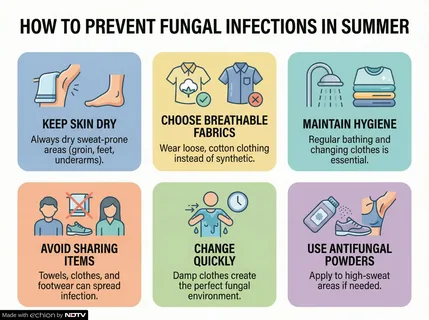

How Fungal Skin Infections Creep Into Daily Life and What Actually Helps
The itch starts and most people ignore it. Fair enough. It comes and goes. Then a week later it is still there, slightly worse, and the skin around it has started flaking. That is usually when people start paying attention, which is later than ideal.
Caught early, many mild fungal infections improve with pharmacy treatment, provided the rash is correctly identified. The delay is the problem, not the treatment itself.
What Triggers Fungal Skin Infections in Everyday Life
Two conditions. Warmth and moisture. Both together and fungi find the skin’s surface much easier to colonise.
Gyms get blamed most. Swimming pools too. But the actual risk often lives at home. A bath mat that stays damp. A towel used by two people. Shoes worn for ten hours without changing. Spores transfer in brief contact. They do not need much.
Athlete’s foot, ringworm, jock itch. Different names, similar conditions. Warm, damp skin makes them easier to spread. All three are common across the UK and all three are easy to write off as minor irritation right up until they are not.
Skin condition matters too. A small cut or patch of eczema reduces the natural barrier. Skin compressed under tight footwear all day stays warm and damp for longer than it should. That is why an athlete’s foot keeps returning to people who cannot change shoes during a shift. The environment recreates itself daily.
Hot months push numbers up. More sweating, more communal water, less opportunity for skin to dry out fully between activities.
When an Itchy Rash Needs More Than Guesswork
Itching first. Almost always. Redness and flaking follow, then circular rashes in many cases. A burning sensation or soreness at the affected site appears later if the infection progresses.
If the rash keeps spreading, or nothing changes after the cream a pharmacist recommended, stop guessing. Book a GP appointment. It might be fungal. It might be dermatitis. The skin does not always make that obvious.
Using an antifungal on the wrong rash can delay the correct diagnosis and make the area harder to assess clearly.
A rash that spreads quickly, feels hot, or starts to hurt needs checking. Fever too. Do not test creams on that for a week.
Extra caution if diabetes, poor circulation, reduced immunity, pregnancy, or breastfeeding is part of the picture. Ask first. A pharmacist can look at the symptoms and tell you whether a cream makes sense, or whether it needs a GP.
Choosing the Right Cream Without Skipping the Safety Checks
Miconazole and clotrimazole both turn up in OTC antifungal creams in UK pharmacies. Athlete’s foot, ringworm, similar fungal patches. That is the usual territory.
Daktacort cream is a bit more specific. It contains miconazole, but also hydrocortisone. A pharmacist may suggest it when the rash is fungal and the skin around it looks inflamed, itchy, or irritated. Not every fungal patch needs that extra steroid element.
People looking to buy Daktacort need a regulated UK pharmacy route that confirms whether the cream suits the rash, inflammation, and infection being treated.
Because Daktacort contains hydrocortisone alongside the antifungal, it should be used exactly as directed in the patient information leaflet or on the advice of a pharmacist. The leaflet sets out application method, frequency, and how long to use it. That guidance exists for a reason and applies specifically to this product.
For a mild fungal rash, a plain antifungal may be enough. Miconazole. Clotrimazole. Simple route, if the skin is not too inflamed.
Daktacort cream sits in a narrower place. It combines antifungal action with hydrocortisone, so a pharmacist may suggest it when the rash is fungal and the skin is also red, itchy, or irritated. Not for every mark on the skin. The rash decides the product, not the other way round.
Stopping too early causes problems. The itch often quietens first, before the infection has fully settled. That is where people get caught. The tube goes back in the drawer, the same shoes go back on, and a week later the patch starts again.
How to Identify Legitimate Online Pharmacies in the UK
The General Pharmaceutical Council keeps the official register for pharmacy premises in Great Britain. The GPhC number should be visible on the pharmacy website. No number means stop. Unlicensed antifungal products have circulated through unregistered online channels and regulatory notices have been issued specifically about this. If the seller cannot provide clear product information, pharmacy details, and regulated supply credentials, stop there. That matters clinically, not just administratively.
GPhC registration is the key check. Other trust signals can help, but they do not replace the pharmacy register. Missing contact details are a warning. No visible pharmacist oversight is a warning. Prices sitting noticeably below what regulated pharmacies charge are a warning. Any one of those three is enough reason to look elsewhere.
Every legitimate pharmacy site has secure payment, a privacy policy, and patient information leaflets accessible before purchase. A three-minute GPhC check costs nothing and removes most of the risk associated with purchasing medicines online.
Getting Treatment Right From the Start
Getting treatment right starts before the cream goes on the skin. First, check the rash. Does it look fungal, or is it cracked, weeping, swollen, angry? Different thing. The pharmacy needs to be registered too, and the leaflet needs to guide the course. Not the itch. That can fade early.
Fungal infections often come back for boring reasons. Same damp shoe after work. Same towel on the bathroom hook. A tube stopped halfway because the skin looked calmer. Small stuff, yes. But that is usually where the rash gets its second chance.
