

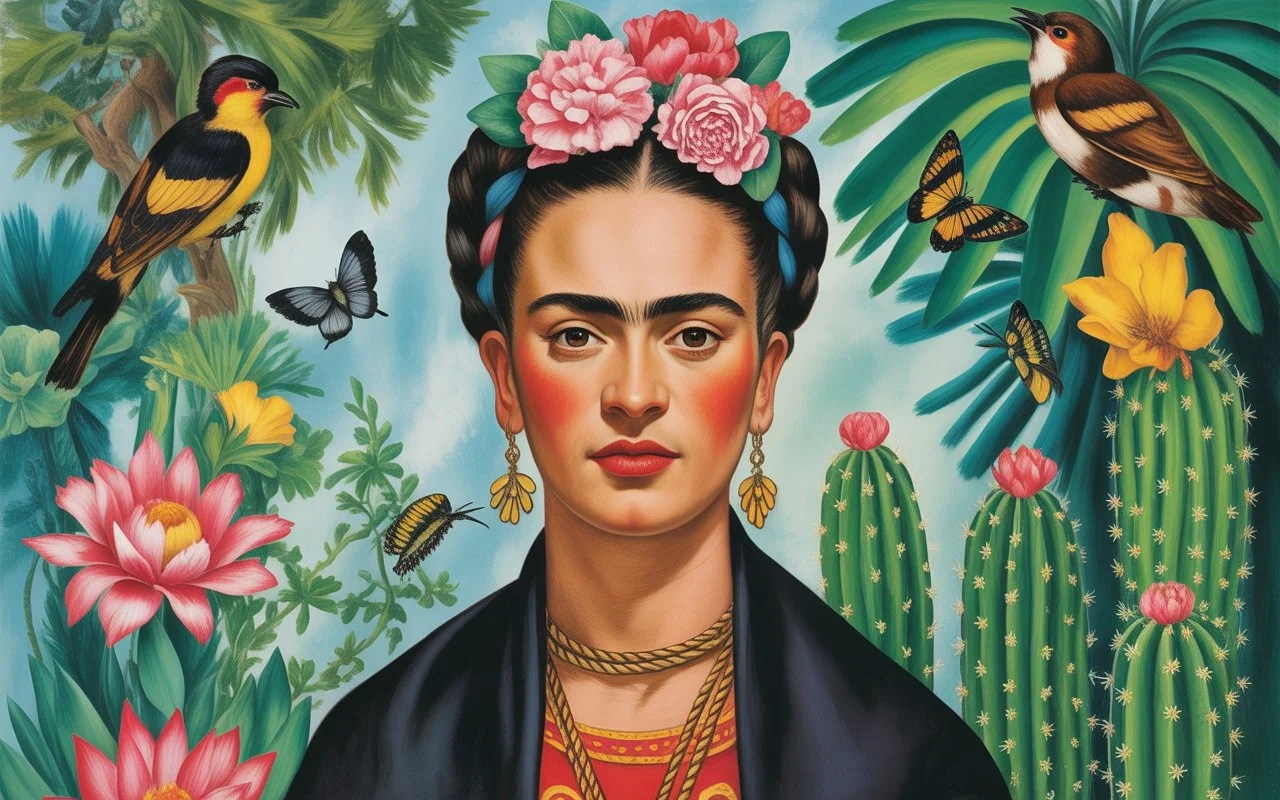

Frida Kahlo Paintings: A Window Into Her Soul
Few artists have transformed pain into beauty as powerfully as Frida Kahlo Paintings. Her paintings are more than colorful works of art—they are emotional diaries painted on canvas. When people look at her artwork, they don’t just see images; they feel heartbreak, strength, identity, and resilience all at once.
What makes Frida Kahlo paintings so unforgettable? Is it the vivid colors? The symbolism? Or perhaps the honesty hidden behind every brushstroke? The answer is all of these combined. Her artwork feels like looking into a mirror that reflects both suffering and hope.
In this article, we’ll explore the fascinating world of Frida Kahlo paintings, uncovering their meanings, themes, style, and cultural impact in a way that’s easy to understand and enjoyable to read.
1. Introduction to Frida Kahlo
Frida Kahlo was born in Mexico in 1907 and became one of the most celebrated painters in history. Unlike many artists who painted landscapes or abstract ideas, Frida painted herself and her emotions with brutal honesty.
Her life was filled with challenges. A terrible bus accident when she was young left her with lifelong injuries and constant pain. Yet instead of allowing suffering to silence her, she turned it into creativity.
Her paintings became like emotional letters written with color and symbolism.

2. The Story Behind Her Art
Understanding Frida Kahlo paintings means understanding her life story. Every artwork she created carried a personal message.
When she was a teenager, the bus accident shattered her spine, pelvis, and several bones. During her long recovery, she began painting while lying in bed. A mirror was placed above her so she could paint herself.
That moment changed art history forever.
Her paintings became a visual autobiography. They documented her physical pain, failed pregnancies, emotional struggles, and complicated relationships.
It’s almost as if each canvas whispered:
“This is who I am, even when life tries to break me.”
3. Why Self-Portraits Dominated Her Paintings
One of the first things people notice about Frida Kahlo paintings is how often she painted herself.
Why so many self-portraits?
Frida once explained that she painted herself because she was the subject she knew best. But there was something deeper happening too.
Her self-portraits weren’t about vanity. They were about identity and survival.
Imagine using a canvas the way someone uses a diary. That’s what her paintings became. Every portrait reflected a different emotional state—loneliness, heartbreak, anger, strength, or hope.
Her face became a symbol of endurance.
4. The Symbolism in Frida Kahlo Paintings
Frida Kahlo’s artwork is filled with symbols that tell hidden stories.
Animals and Nature
Monkeys, birds, dogs, and deer often appeared in her paintings. These animals represented companionship, innocence, or emotional burden.
Flowers and plants symbolized life, fertility, and Mexican traditions.
Broken Bodies
Many paintings showed nails, tears, blood, or broken columns. These powerful images reflected her physical suffering and emotional wounds.
Duality
Frida often explored the idea of two identities—strength and vulnerability, love and pain, tradition and modernity.
Her symbolism worked like poetry. You didn’t always need to fully understand it to feel its emotional impact.
5. Her Unique Artistic Style
Frida Kahlo paintings are instantly recognizable because of their bold and emotional style.
Bright Colors
She used vibrant shades inspired by Mexican folk art. Reds, greens, yellows, and blues filled her canvases with life and intensity.
Detailed Imagery
Every object in her paintings had meaning. Small details mattered, whether it was a thorn necklace or a cracked landscape.
Surreal Elements
Although many people describe her work as surrealism, Frida disagreed. She said she never painted dreams—she painted her reality.
That statement alone reveals the raw honesty behind her art.
6. Famous Frida Kahlo Paintings
Several Frida Kahlo paintings have become iconic around the world.
The Two Fridas
This painting shows two versions of Frida sitting side by side, connected by exposed hearts and veins. It symbolizes emotional conflict and identity.
Self-Portrait with Thorn Necklace and Hummingbird
In this painting, Frida wears a thorn necklace that cuts into her skin. It represents suffering, sacrifice, and resilience.
The Broken Column
One of her most emotional works, this painting shows her body split open with a cracked column replacing her spine. It vividly portrays her physical agony.
Henry Ford Hospital
This deeply personal painting reflects her grief after a miscarriage. It’s heartbreaking yet incredibly honest.
Each painting feels less like a decoration and more like a conversation with the viewer.
7. Love, Heartbreak, and Diego Rivera
Frida’s relationship with muralist Diego Rivera shaped much of her emotional world.
Their marriage was passionate but turbulent. There was love, betrayal, separation, and reconciliation.
Many Frida Kahlo paintings reflect this emotional roller coaster.
At times, Diego appeared directly in her artwork. Other times, his presence was symbolic. Her paintings captured the messy reality of human relationships—the kind that hurt deeply but are impossible to forget.
Love in her art was never simple or polished. It was raw and real.
8. Pain and Physical Suffering in Her Artwork
Pain was one of the strongest themes in Frida Kahlo paintings.
She endured dozens of surgeries throughout her life and often wore medical corsets to support her damaged spine.
Instead of hiding her suffering, she painted it openly.
Emotional Transparency
Her artwork didn’t try to make pain beautiful in a glamorous way. Instead, it showed suffering honestly.
Strength Through Vulnerability
Ironically, the vulnerability in her paintings became a source of strength. Viewers connected with her because she showed emotions people often hide.
Her art reminds us that scars—both physical and emotional—are part of being human.
9. Mexican Culture and Identity
Mexican heritage played a major role in Frida Kahlo paintings.
Traditional Clothing
Frida often wore Tehuana dresses, celebrating indigenous Mexican culture.
Folk Art Influence
Her use of color and decorative detail reflected traditional Mexican folk painting.
Political and Cultural Pride
Frida strongly embraced Mexican identity during a time when Western influence was growing. Her paintings celebrated local traditions and cultural roots.
Her art became both personal and patriotic.
10. Feminism and Female Expression
Today, Frida Kahlo is widely viewed as a feminist icon.
Why?
Because she painted women honestly—without trying to fit traditional beauty standards.
Breaking Expectations
She openly showed facial hair, emotional pain, disability, and female experiences that society often ignored.
Female Identity
Her paintings explored motherhood, miscarriage, relationships, independence, and self-worth.
At a time when women artists struggled to be taken seriously, Frida painted fearlessly.
She gave women permission to be complex, emotional, strong, and imperfect all at once.
11. The Emotional Power of Her Paintings
Looking at Frida Kahlo paintings can feel emotionally intense.
Why do people connect so deeply with her work?
Because her art speaks a universal emotional language.
Everyone experiences heartbreak, loneliness, insecurity, or pain at some point. Frida transformed those emotions into visual stories people could relate to.
Her paintings act like emotional mirrors. They reflect feelings viewers may not even realize they carry.
That emotional honesty is rare—and unforgettable.
12. Frida Kahlo’s Influence on Modern Art
Frida’s influence extends far beyond museums.
Fashion and Pop Culture
Her image appears on clothing, posters, jewelry, and films worldwide.
Inspiration for Artists
Modern artists admire her fearless self-expression and storytelling.
Representation
She became a symbol of individuality, disability awareness, cultural pride, and emotional authenticity.
Many people who feel different or misunderstood see themselves reflected in her work.
13. Why Her Artwork Still Matters Today
Decades after her death, Frida Kahlo paintings remain incredibly relevant.
In today’s world, where social media often encourages perfection, Frida’s honesty feels refreshing.
She showed sadness without shame.
She showed strength without pretending to be invincible.
She showed beauty without hiding imperfections.
Her art reminds us that being human is complicated—and that’s okay.
Like a storm turning into a rainbow, her paintings transformed suffering into something meaningful and unforgettable.
14. Conclusion
Frida Kahlo paintings continue to inspire millions because they are deeply personal yet universally relatable. Through self-portraits, symbolism, and vibrant imagery, she transformed her life experiences into timeless masterpieces.
Her artwork teaches us that pain can become creativity, vulnerability can become strength, and honesty can become art.
More than just paintings hanging on gallery walls, Frida’s work represents resilience, identity, and emotional truth. That’s why her legacy continues to grow generation after generation.
15. FAQs
1. Why did Frida Kahlo paint so many self-portraits?
Frida painted herself because she spent much of her life alone during recovery periods and considered herself the subject she knew best.
2. What is the main theme of Frida Kahlo paintings?
Her artwork often explores pain, identity, love, heartbreak, Mexican culture, and emotional resilience.
3. What artistic style did Frida Kahlo use?
Her paintings combine elements of realism, symbolism, folk art, and surreal imagery.
4. Which Frida Kahlo painting is the most famous?
“The Two Fridas” and “The Broken Column” are among her most recognized and celebrated works.
5. Why is Frida Kahlo important today?
She remains influential because her art promotes authenticity, individuality, cultural pride, and emotional expression.
