


Introduction
Few wines have sparked as much curiosity and conversation as White Zinfandel. With its beautiful pink hue, fruity flavor, and approachable sweetness, it has introduced millions of people to the world of wine. Whether you’re a casual wine drinker or someone looking to expand your knowledge, understanding this unique beverage can deepen your appreciation for its history, taste, and cultural impact.
Think of it as the friendly neighbor of the wine world. While some wines can seem intimidating or overly complex, this blush-colored favorite welcomes everyone with open arms. It is easy to enjoy, versatile with food, and often serves as a gateway into broader wine exploration.
In this comprehensive guide, we’ll explore its origins, production methods, flavor profile, food pairings, serving tips, health considerations, and much more.
What Is White Zinfandel?
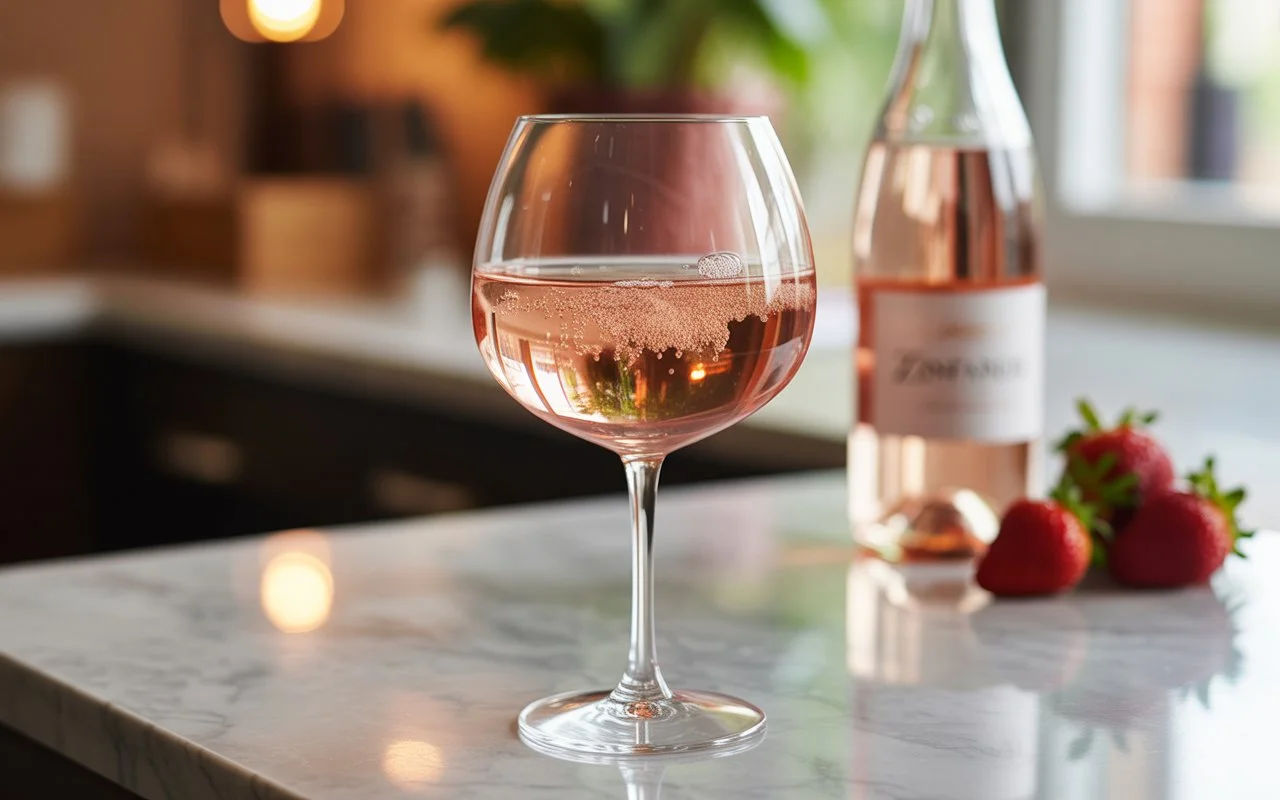
White Zinfandel is a pink-colored wine made from Zinfandel grapes, which are naturally dark-skinned red grapes. Despite its name, it is not technically a white wine. Instead, it falls into the category of blush or rosé-style wines.
The wine is typically known for:
- Light pink color
- Fruity aromas
- Mild sweetness
- Lower alcohol content compared to many red wines
- Easy-drinking character
Unlike traditional red Zinfandel, which can be bold and rich, this version offers a lighter and more refreshing experience.
Why Is It Called “White”?
The name originated because the wine is produced by limiting the grape skins’ contact with the juice during fermentation. This process results in a much lighter color than standard red wine.
Although modern wine experts often classify it as a rosé-style wine, the historic name remains widely recognized.
The Fascinating History Behind White Zinfandel
The story behind this wine is one of the most interesting in the wine industry.
An Accidental Discovery
In the 1970s, California winemakers were experimenting with different production techniques. During one fermentation process, yeast stopped converting sugar into alcohol earlier than expected.
Instead of discarding the batch, winemakers tasted the result and discovered a pleasantly sweet, fruity wine.
Consumers loved it.
A Wine Revolution
Throughout the 1980s and 1990s, sales exploded. It became one of America’s best-selling wines and introduced countless people to wine drinking.
Many industry experts credit White Zinfandel with helping grow the American wine market by attracting consumers who found traditional wines too dry or complex.
How White Zinfandel Is Made
Understanding the production process helps explain why this wine tastes so different from traditional red wines.
Step 1: Harvesting the Grapes
Winemakers begin with ripe Zinfandel grapes, carefully selected for their sugar levels and flavor development.
Step 2: Crushing and Pressing
The grapes are crushed, releasing juice from the skins.
Since Zinfandel grapes have dark skins, prolonged contact would create a red wine. To achieve the signature pink color, winemakers remove the juice from the skins quickly.
Step 3: Fermentation
The juice undergoes fermentation.
In many cases, fermentation is stopped before all sugars are converted into alcohol. This leaves residual sweetness that contributes to the wine’s fruity character.
Step 4: Aging and Bottling
Most producers age the wine briefly before bottling to preserve freshness and fruit-forward flavors.
The result is a vibrant, approachable beverage ready for consumption relatively soon after production.
Flavor Profile and Aroma Characteristics
One reason for the wine’s popularity is its inviting flavor profile.
Common Fruit Notes
Drinkers often detect flavors such as:
- Strawberry
- Raspberry
- Watermelon
- Cherry
- Peach
- Red berries
- Citrus
Aromas
The aroma is typically fresh and fruity, featuring:
- Floral hints
- Berry scents
- Candy-like sweetness
- Melon characteristics
Texture
The mouthfeel tends to be:
- Light-bodied
- Smooth
- Refreshing
- Crisp
This combination makes it particularly appealing to beginners.
Sweetness Levels Explained
One common misconception is that all White Zinfandel wines taste the same.
In reality, sweetness levels can vary considerably.
Off-Dry Style
Many bottles contain a moderate amount of residual sugar, creating a pleasant balance between sweetness and acidity.
Medium Sweet
Some versions lean noticeably sweeter, offering flavors reminiscent of ripe berries and fruit punch.
Balanced Options
Certain producers craft versions with greater acidity and less sweetness, appealing to consumers who prefer a more restrained style.
Understanding label descriptions can help buyers find a bottle that matches their personal preferences.
How It Compares to Traditional Rosé Wines
Many people wonder how White Zinfandel differs from other pink wines.
Grape Variety
Traditional rosés can be made from:
- Grenache
- Syrah
- Pinot Noir
- Sangiovese
- Mourvèdre
White Zinfandel uses Zinfandel grapes specifically.
Sweetness
Many rosés are dry.
White Zinfandel is generally sweeter.
Flavor Intensity
Rosés often emphasize mineral, floral, or savory notes.
White Zinfandel focuses heavily on fruit-driven flavors.
Audience Appeal
Traditional rosés may attract experienced wine enthusiasts.
White Zinfandel often appeals to casual drinkers and newcomers.
Neither style is inherently better; they simply offer different experiences.
Food Pairings That Work Beautifully
One of the greatest strengths of White Zinfandel is its versatility at the dining table.
Spicy Foods
The sweetness helps balance heat.
Excellent options include:
- Thai dishes
- Indian curries
- Mexican cuisine
- Spicy chicken
Barbecue
The fruity profile complements smoky flavors.
Pair it with:
- Grilled chicken
- Pulled pork
- Barbecue ribs
Seafood
Lighter seafood dishes work surprisingly well.
Examples include:
- Shrimp
- Crab cakes
- Grilled fish
Salads
Fresh salads benefit from the wine’s crisp character.
Try pairing it with:
- Strawberry salad
- Chicken salad
- Garden greens
Desserts
Its sweetness makes it suitable for certain desserts.
Good choices include:
- Fruit tarts
- Cheesecake
- Berry pastries
Serving Tips for Maximum Enjoyment
Serving temperature plays a major role in the overall experience.
Ideal Temperature
Most experts recommend serving White Zinfandel between:
45°F to 55°F (7°C to 13°C)
This temperature preserves freshness while highlighting fruit aromas.
Glass Selection
Standard white wine glasses work perfectly.
The narrower bowl helps concentrate aromas and maintain cooler temperatures.
Storage Tips
Store bottles:
- Away from sunlight
- In a cool environment
- On their side if cork-sealed
After opening, refrigerate and consume within a few days for the best taste.
Why Beginners Often Choose White Zinfandel
Many wine enthusiasts began their journey with a glass of White Zinfandel.
Approachable Taste
Some wines can feel overwhelming due to tannins, acidity, or earthy flavors.
White Zinfandel offers a gentler introduction.
Affordable Pricing
Most bottles are reasonably priced, making experimentation easy.
Easy Pairing
Its versatility reduces the pressure of finding the perfect meal match.
Pleasant Sweetness
For people accustomed to sweet beverages, the transition into wine drinking feels more natural.
In many ways, it serves as a bridge between casual drinks and more complex wines.
Common Myths and Misconceptions
Myth 1: It Isn’t Real Wine
This is false.
White Zinfandel undergoes the same fundamental winemaking process as other wines.
Myth 2: Only Beginners Drink It
Many experienced wine lovers enjoy it for its refreshing qualities.
Personal taste matters more than perceived prestige.
Myth 3: Sweet Means Low Quality
Sweetness alone does not determine quality.
Many respected wines around the world contain residual sugar.
Myth 4: It Is Identical to Rosé
While similarities exist, White Zinfandel has unique production methods and flavor characteristics.
Health Considerations and Responsible Enjoyment
Like all alcoholic beverages, moderation is important.
Potential Benefits
When consumed responsibly, wine may provide:
- Social enjoyment
- Relaxation during meals
- Culinary enhancement
Things to Consider
Excessive alcohol consumption can contribute to health risks.
Individuals should always:
- Follow local drinking laws
- Avoid drinking and driving
- Consult healthcare professionals regarding personal medical concerns
Calorie Awareness
Sweeter wines often contain more calories due to residual sugar.
Consumers watching caloric intake should review nutritional information when available.
The Future of White Zinfandel
Despite changes in wine trends, White Zinfandel continues to maintain a loyal following.
Evolving Consumer Preferences
Today’s consumers seek:
- Fruit-forward wines
- Lower alcohol options
- Easy-drinking styles
These preferences align well with what White Zinfandel offers.
Innovation
Modern winemakers continue experimenting with:
- Drier versions
- Premium selections
- Sustainable production methods
These developments help keep the category relevant for new generations.
Enduring Popularity
Much like a classic song that never disappears from playlists, White Zinfandel remains a familiar and comforting choice for millions of wine drinkers.
Choosing the Right Bottle
When shopping, consider:
Sweetness Preference
Read label descriptions carefully.
Terms like:
- Semi-sweet
- Off-dry
- Fruity
can indicate sweetness levels.
Alcohol Content
Lower alcohol percentages often correspond with sweeter styles.
Producer Reputation
Established wineries frequently provide consistent quality and flavor profiles.
Occasion
Think about how you plan to enjoy the wine:
- Casual gatherings
- Outdoor picnics
- Holiday meals
- Celebrations
Different occasions may call for different styles.
Conclusion
White Zinfandel occupies a unique place in the wine world. Its light pink appearance, approachable sweetness, and refreshing fruit flavors have made it one of the most recognizable wines in America. Born from an unexpected winemaking accident, it evolved into a cultural phenomenon that introduced countless people to wine appreciation.
Whether you’re enjoying it at a summer picnic, pairing it with spicy cuisine, or simply sharing a bottle with friends, this blush-colored favorite continues to offer an inviting and enjoyable experience. While wine trends may come and go, its accessibility and charm ensure that it remains a beloved choice for both newcomers and seasoned drinkers alike.
FAQs
1. Is White Zinfandel a white wine or a rosé wine?
It is technically a rosé-style wine because it is made from red Zinfandel grapes with limited skin contact, resulting in its pink color.
2. Why is White Zinfandel usually sweeter than rosé?
Many producers stop fermentation before all sugars convert into alcohol, leaving residual sweetness that creates its signature fruity taste.
3. What foods pair best with White Zinfandel?
Spicy dishes, grilled meats, seafood, salads, and fruit-based desserts often pair exceptionally well with its sweet and refreshing profile.
4. Should White Zinfandel be served chilled?
Yes. Serving it between 45°F and 55°F (7°C to 13°C) enhances its freshness, aroma, and overall drinking experience.
5. Can experienced wine drinkers enjoy White Zinfandel?
Absolutely. While it is popular among beginners, many experienced wine enthusiasts appreciate its fruit-forward character, versatility, and refreshing style.
