

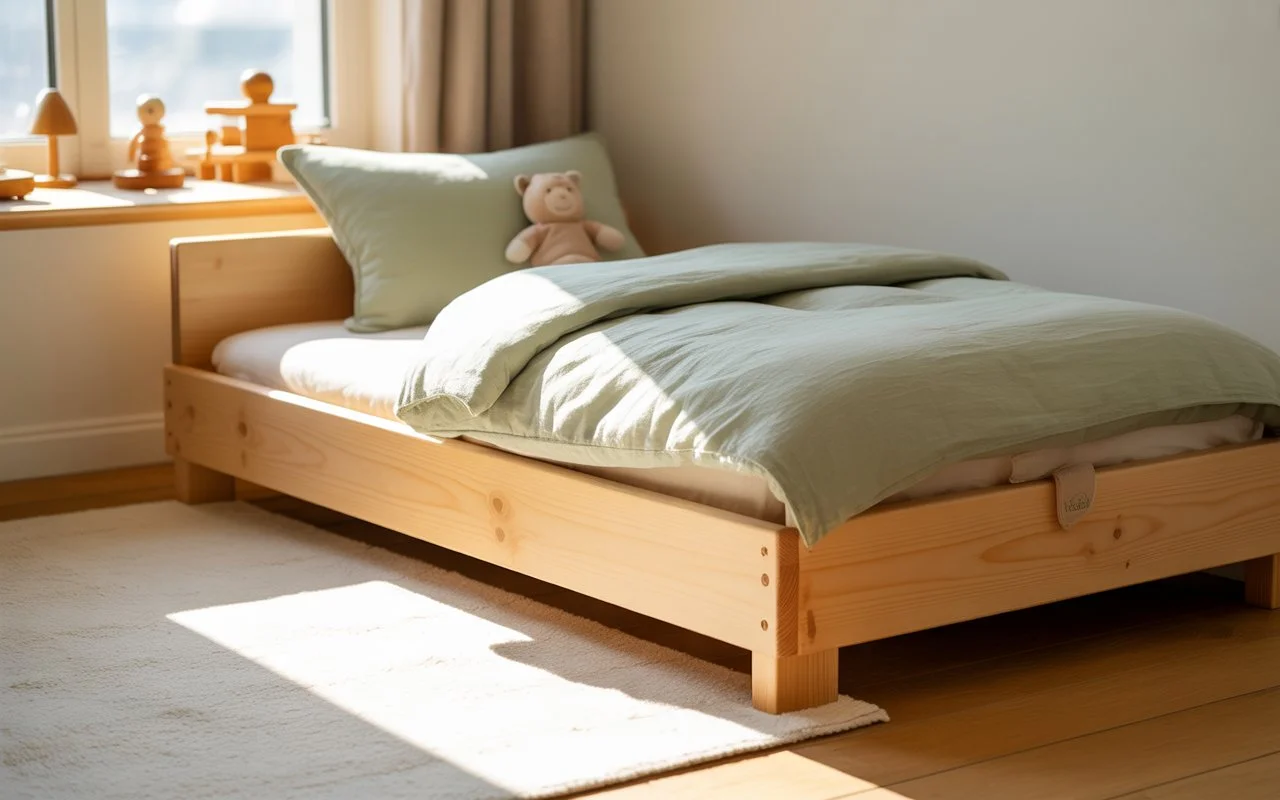

Montessori Floor Bed: Creating Freedom and Comfort for Children
Parents today are always searching for ways to help their children grow with confidence, independence, and comfort. One idea that has become incredibly popular in modern parenting is the montessori floor bed. At first glance, it may seem simple—a mattress placed low to the ground—but this sleeping setup carries a deeper philosophy about freedom and child development.
Imagine your child’s bedroom as a tiny world designed just for them. Instead of constantly relying on adults, they can safely move, explore, and rest on their own schedule. A floor bed works almost like an open doorway to independence. Rather than being confined inside tall crib rails, children learn to understand their environment naturally.
This guide explores everything you need to know about Montessori-inspired sleeping spaces, including safety, benefits, room setup, age recommendations, and practical buying tips. Whether you are a first-time parent or redesigning your child’s room, this article will help you decide if this approach is right for your family.
What Is a Montessori Floor Bed?
A Montessori floor bed is exactly what the name suggests—a bed placed directly on the floor or on a very low frame. Unlike traditional cribs, it allows children to climb in and out independently.
The idea comes from the Montessori educational philosophy created by Italian physician and educator Maria Montessori. Her approach focused on encouraging children to learn naturally through freedom and exploration.
Instead of limiting movement, a floor bed creates an environment where children can decide when to rest and when to play. This setup respects the child’s ability to make simple choices independently.
Some parents use only a mattress on the floor, while others prefer wooden frames shaped like small houses or minimalist platforms.

The Montessori Philosophy Behind It
Encouraging Independence
One major principle of Montessori parenting is independence. Children feel more confident when they can perform simple tasks themselves.
A floor bed gives toddlers control over their sleeping environment. They do not need an adult to lift them in or out of bed. This small freedom can have a surprisingly positive impact on confidence.
Respecting the Child
Montessori spaces are designed around the child’s perspective. Furniture is placed low so little ones can safely access what they need.
Think about how frustrating it must feel for a toddler to see the world from behind crib bars. A floor bed removes that barrier and creates a sense of trust.
Supporting Natural Development
Children are naturally curious. Montessori environments encourage exploration while keeping safety in mind. The room becomes both a sleeping area and a learning space.
Why Parents Are Choosing Floor Beds
Modern families are drawn to floor beds for many reasons.
Some parents want to avoid sleep struggles associated with cribs. Others appreciate the minimalist appearance. Many simply love the idea of giving their child more freedom.
Social media and interior design trends have also played a role. Cozy Montessori bedrooms with neutral colors and wooden furniture have become incredibly popular online.
However, the appeal goes beyond aesthetics. Many parents report that their children seem calmer and more comfortable in a low sleeping environment.
Another advantage is convenience. You can easily lie beside your child during bedtime stories or nighttime comfort without awkward crib rails getting in the way.
Benefits for Child Development
Promotes Confidence
When children can safely move around their room, they begin learning self-reliance at an early age.
Even simple actions like climbing into bed independently help build confidence.
Encourages Better Mobility
Babies and toddlers naturally develop physical coordination through movement. A floor bed supports crawling, walking, and balance without unnecessary restrictions.
Supports Healthy Sleep Habits
Some parents notice smoother sleep transitions because children feel less trapped or confined.
A child who wakes up can quietly explore or play before returning to rest naturally.
Creates a Calm Environment
Montessori bedrooms are usually simple and uncluttered. This peaceful atmosphere can help children feel secure and relaxed.
Strengthens Decision-Making Skills
Giving children small choices helps them learn responsibility. Choosing when to lie down or get up becomes part of their daily learning experience.
Safety Tips Every Parent Should Know
Safety should always come first when creating a Montessori-inspired bedroom.
Childproof the Entire Room
Because your child can move freely, the whole room must be safe—not just the bed.
Secure furniture to walls, cover electrical outlets, and remove choking hazards.
Use Soft Flooring
Adding rugs or padded mats near the bed can help soften falls.
Avoid Heavy Decorations
Keep large mirrors, shelves, or heavy frames away from the sleeping area.
Keep the Mattress Firm
A firm mattress is generally safer for babies and young toddlers.
Monitor Room Temperature
Comfortable room temperature improves sleep quality and safety.
The room should feel cozy without overheating.
Best Age to Introduce a Floor Bed
There is no universal rule about timing.
Some families transition from a bassinet to a floor bed as early as six months. Others wait until toddlerhood.
For Babies
Parents who start early often appreciate the freedom of movement their child develops.
However, extra safety precautions are essential.
For Toddlers
Many parents introduce floor beds around 18 months to 2 years old. This is a common age because toddlers often begin climbing out of cribs.
For Older Children
Even preschoolers enjoy Montessori-style sleeping spaces. Low beds create a cozy and inviting atmosphere that feels comforting.
How to Set Up a Montessori Bedroom
Keep Furniture Low
Use child-sized shelves, toy storage, and book displays.
The goal is to make the room accessible and inviting.
Limit Clutter
Too many toys and decorations can overwhelm children.
A clean, organized room encourages calm behavior.
Use Natural Colors and Materials
Wood furniture and soft neutral colors create a peaceful feeling.
Create Separate Zones
You can divide the room into areas for sleeping, reading, and play.
This organization helps children understand routines.
Add Gentle Lighting
Soft lighting makes bedtime more relaxing.
Avoid harsh bright lights late at night.
Choosing the Right Mattress
The mattress is one of the most important parts of a floor bed setup.
Firmness Matters
For babies and toddlers, a firm mattress usually provides better support and safety.
Breathable Materials
Natural and breathable fabrics can improve comfort.
Size Considerations
Twin mattresses are popular because they provide room for growth.
Some parents choose crib mattresses for younger children.
Easy-to-Clean Covers
Accidents happen. Washable covers make life much easier.
Floor Bed Designs and Styles
One of the best things about Montessori floor beds is the variety of styles available.
Minimalist Mattress Style
This is the simplest approach—a mattress directly on the floor.
It is affordable and easy to maintain.
Wooden Frame Beds
Low wooden frames add structure while keeping accessibility.
House Beds
House-shaped frames are especially popular because they make the room feel magical and playful.
Canopy Floor Beds
Soft fabric canopies create a cozy sleeping corner.
However, always ensure decorations are safe and securely attached.
Common Challenges and Solutions
Children Leaving Bed Frequently
Some toddlers become excited by their new freedom and wander around.
This is completely normal at first.
A consistent bedtime routine usually helps.
Parents Worry About Sleep
It may take time for children to adjust.
Patience is important during the transition.
Cold Floors
In colder climates, rugs or insulated flooring can make the room more comfortable.
Limited Space
Small bedrooms can still work beautifully with Montessori setups.
Minimal furniture often creates a more open feeling.
Comparing Floor Beds and Traditional Cribs
Traditional Cribs
Cribs are designed mainly for containment and safety.
They work well for many families, especially during infancy.
Montessori Floor Beds
Floor beds focus more on freedom and independence.
Instead of keeping children restricted, they encourage movement and exploration.
Which Is Better?
Neither option is universally perfect.
It depends on your parenting style, home setup, and comfort level.
Some parents even transition gradually from crib to floor bed.
Budget-Friendly Ideas for Parents
You do not need an expensive designer setup to create a Montessori-inspired bedroom.
Use a Mattress Only
Starting with a simple mattress on the floor is perfectly acceptable.
DIY Wooden Frames
Many parents build affordable wooden frames at home.
Shop Secondhand
Used furniture can save money while still creating a beautiful room.
Focus on Function
Expensive decorations are not necessary.
The philosophy matters more than appearance.
Cleaning and Maintenance Tips
Keeping a floor bed clean is important because it sits close to the ground.
Lift the Mattress Regularly
Allow airflow underneath to prevent moisture buildup.
Vacuum Frequently
Dust can collect around floor-level sleeping spaces more quickly.
Wash Bedding Often
Fresh bedding helps maintain a healthy sleeping environment.
Inspect for Mold or Dampness
This is especially important in humid climates.
Is a Montessori Floor Bed Right for Your Family?
Every family is different, and there is no single “perfect” sleeping arrangement.
A Montessori floor bed may work wonderfully if you value independence, minimalism, and child-led learning.
However, some parents feel more comfortable using a traditional crib during infancy. That is completely okay too.
The most important thing is creating a safe, loving environment where your child feels secure.
Parenting is not about following trends perfectly. It is more like planting a garden—you provide the right environment, and growth happens naturally over time.
Final Thoughts
The growing popularity of the Montessori floor bed reflects a larger shift toward thoughtful, child-centered parenting. Families are increasingly choosing spaces that encourage freedom, independence, and comfort instead of strict limitations.
A floor bed is more than just furniture. It represents trust in a child’s natural ability to learn and grow. From improving mobility to supporting confidence, this simple sleeping arrangement can positively shape daily routines.
Of course, no parenting method works the same for everyone. The key is balancing independence with safety while creating a bedroom that feels calm, welcoming, and practical.
Whether you choose a minimalist mattress setup or a charming wooden house frame, the goal remains the same: helping your child feel secure, confident, and comfortable in their own little world.
FAQs
1. Are Montessori floor beds safe for babies?
Yes, they can be safe when the entire room is properly childproofed and a firm mattress is used. Parents should remove hazards and monitor the environment carefully.
2. At what age should a child use a floor bed?
Many families transition between 6 months and 2 years old, but the right age depends on the child and parental comfort.
3. Can floor beds improve sleep quality?
Some parents report better sleep because children feel more comfortable and less restricted, although results vary from child to child.
4. Do Montessori floor beds prevent sleep training?
No, parents can still use bedtime routines and gentle sleep training methods while using a floor bed.
5. Are floor beds expensive?
Not necessarily. A simple mattress on the floor is often one of the most affordable sleeping setups available.
