


Introduction
Have you ever woken up with itchy red spots and wondered what caused them? Your first thought might be bed bugs or mosquitoes—but what if the real culprit is something much smaller and less obvious? Carpet beetles are often overlooked, yet they can cause uncomfortable skin reactions that feel like bites.
Carpet Beetle Bites: Think of them as silent house guests.Carpet Beetle bite in the traditional sense, but their presence can still leave your skin irritated and itchy—like brushing against invisible splinters.
In this guide, we’ll break down everything you need to know about carpet beetle-related skin reactions, from causes and symptoms to treatment and prevention.
1. What Are Carpet Beetles?

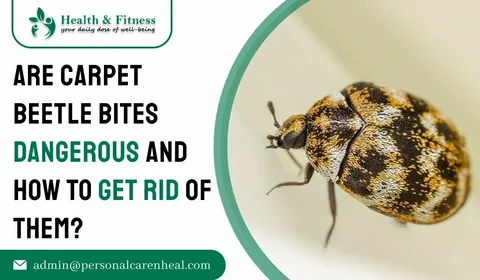
Carpet beetles are tiny insects commonly found in homes. They belong to a group of pests that feed on natural fibers like wool, silk, and even pet hair.
Key characteristics:
- Small, oval-shaped bodies
- Often black, brown, or patterned
- Attracted to fabrics and organic materials
While the adults are mostly harmless, their larvae are the real troublemakers.
2. Do Carpet Beetles Actually Bite?
Here’s the surprising truth: carpet beetles do not bite humans.
So why do people complain about “carpet beetle bites”? The answer lies in their larvae.
What really happens:
- Larvae have tiny, hair-like bristles
- These bristles can irritate human skin
- The reaction looks similar to insect bites
So, it’s not a bite—it’s an allergic reaction.
3. What Causes Skin Reactions?
The irritation comes from contact with larval hairs, also known as setae.
How it works:
- These hairs are sharp and can penetrate skin
- Your body treats them as irritants
- This triggers redness, itching, or bumps
Imagine brushing against fiberglass insulation—that’s a similar kind of irritation.
4. Common Symptoms to Watch For
Not everyone reacts the same way, but there are some common signs.
Typical symptoms include:
- Red, itchy bumps
- Rash-like patches
- Mild swelling
- Burning or stinging sensation
These symptoms can appear suddenly and may worsen with continued exposure.
5. Carpet Beetle Rash vs Bed Bug Bites
It’s easy to confuse the two, but there are key differences.
Carpet beetle reactions:
- Randomly scattered
- Not in a specific pattern
- Often appear after contact with fabrics
Bed bug bites:
- Usually in lines or clusters
- Found on exposed skin
- Often occur overnight
If your symptoms don’t follow a pattern, carpet beetles might be the cause.
6. Where Do Carpet Beetles Live?

carpet beetle bites
These pests love quiet, undisturbed areas.
Common hiding spots:
- Carpets and rugs
- Closets and wardrobes
- Upholstered furniture
- Air vents and corners
They thrive in places where dust and fibers collect.
7. How Do They Enter Your Home?
You might be wondering—how did they even get in?
Common entry points:
- Open windows and doors
- Second-hand furniture
- Clothing or fabric items
- Flowers or plants
Once inside, they quickly find places to settle and multiply.
8. Who Is Most Affected?
Not everyone reacts strongly to carpet beetles.
People at higher risk:
- Those with sensitive skin
- Allergy sufferers
- Children and elderly individuals
Some people may not react at all, while others experience intense itching.
9. How to Treat Skin Irritation
If you’re dealing with itchy spots, don’t worry—relief is possible.
Effective treatments:
- Wash the affected area with mild soap
- Apply anti-itch creams
- Use cold compresses
- Take antihistamines if needed
Avoid scratching, as it can worsen irritation or cause infection.
10. Natural Remedies That Help
Prefer a more natural approach? There are several home remedies that can soothe your skin.
Try these options:
- Aloe vera gel for cooling relief
- Coconut oil to reduce inflammation
- Oatmeal baths to calm itching
- Baking soda paste for irritation
These remedies are gentle and often effective for mild symptoms.
11. How to Get Rid of Carpet Beetles
Treating your skin is only half the battle—you need to eliminate the source.
Steps to remove them:
- Vacuum carpets and furniture thoroughly
- Wash clothes and fabrics in hot water
- Clean dark corners and storage areas
- Use insecticides if infestation is severe
Consistency is key. One cleaning session won’t solve the problem entirely.
12. Preventing Future Infestations
Prevention is always better than cure.
Simple preventive measures:
- Regular cleaning and vacuuming
- Store clothes in sealed containers
- Keep windows screened
- Reduce clutter in your home
Think of it as maintaining a clean, unwelcoming environment for pests.
13. When to See a Doctor
Most cases are mild, but sometimes medical help is necessary.
Seek medical attention if:
- Rash becomes severe
- Symptoms persist for days
- Signs of infection appear
- You experience allergic reactions
It’s always better to be safe when your skin health is at risk.
Conclusion
Carpet beetle “bites” may sound alarming, but they’re not actual bites. Instead, they’re skin reactions caused by tiny hairs from larvae. While uncomfortable, they are manageable with proper care and cleaning.
By understanding the cause, recognizing the symptoms, and taking preventive steps, you can keep your home—and your skin—safe. After all, your home should feel like a sanctuary, not a source of mystery rashes.
FAQs
1. Can carpet beetles live in beds?
Yes, they can hide in bedding, especially if there are natural fibers or dust present.
2. How long do carpet beetle rashes last?
Most reactions last a few days to a week, depending on sensitivity and treatment.
3. Are carpet beetles dangerous to humans?
They are not dangerous, but they can cause allergic skin irritation.
4. Can I see carpet beetle larvae easily?
They are small but visible, often appearing as tiny, fuzzy worms.
5. Do carpet beetles spread quickly?
Yes, if left untreated, they can multiply and spread throughout your home.
