


Introduction
Understanding pricing can sometimes feel like decoding a secret language, especially when different terms are thrown around. One of the most common—and often misunderstood—terms is MSRP. Think of it as a price compass: it points you in the right direction, but it doesn’t force you to stay on that exact path.
In this guide, we’ll break everything down in a simple, friendly way so you can shop smarter and feel more confident about your purchases.
What Does MSRP Actually Mean?

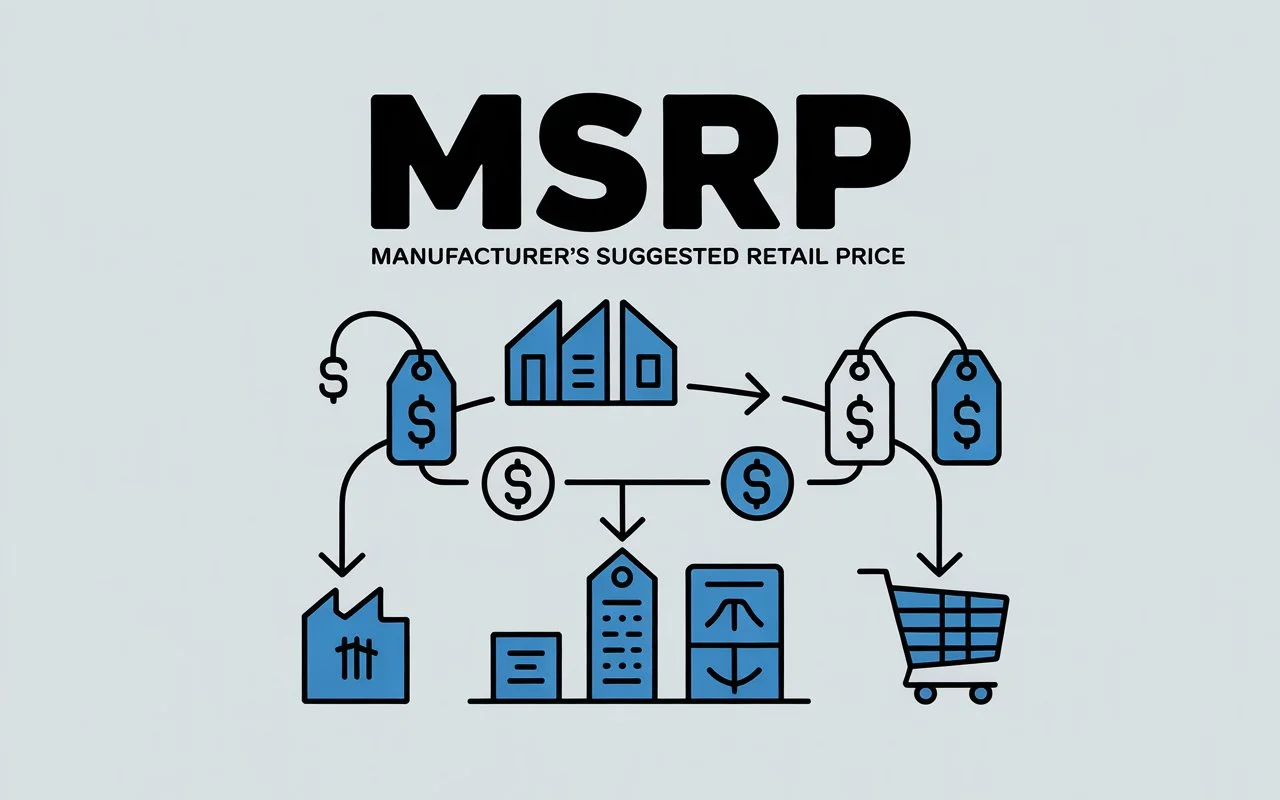
MSRP stands for Manufacturer’s Suggested Retail Price. It’s the price that a manufacturer recommends retailers use when selling a product.
A Simple Explanation
Imagine a company creates a new smartphone. Before it reaches stores, the company decides what it believes is a fair selling price. That suggested price is what we call MSRP.
Why “Suggested” Matters
The key word here is suggested. Retailers are not legally required to follow it. They can:
- Sell the product at that price
- Offer it for less
- Or sometimes even charge more
So, while MSRP gives you a benchmark, it’s not always what you’ll pay.
Why Do Manufacturers Set an MSRP?
Manufacturers don’t just pick a number randomly. There’s a strategy behind it.
Maintaining Brand Value
A consistent price helps protect how a product is perceived. If a premium product is sold too cheaply, it may lose its “high-end” image.
Creating Price Consistency
MSRP helps standardize pricing across different stores, making it easier for customers to compare options.
Guiding Retailers
Not every retailer has the resources to determine pricing. The suggested price acts as a helpful guideline.
How Is MSRP Calculated?
You might be wondering—how do manufacturers come up with this number?
Cost of Production
This includes:
- Materials
- Labor
- Manufacturing processes
Marketing and Distribution
Advertising campaigns, packaging, and shipping all add to the cost.
Profit Margin
Companies add a profit margin to ensure they earn money from each unit sold.
Market Research
They also analyze:
- Competitor pricing
- Customer demand
- Economic trends
All these factors combine to form the final suggested price.
MSRP vs. Selling Price: What’s the Difference?
This is where many people get confused.
MSRP Is Just a Starting Point
Think of MSRP like a recommended recipe. It tells you how the dish should taste—but chefs (retailers) can tweak it.
Selling Price Is What You Actually Pay
Retailers adjust prices based on:
- Demand
- Inventory levels
- Seasonal trends
So, the selling price may be:
- Lower during sales
- Higher when demand is strong
Why Prices Often Differ from MSRP

Have you ever seen a product priced way below its suggested value? Or sometimes even above it?
Discounts and Promotions
Retailers lower prices to attract customers or clear stock.
High Demand
When a product is in high demand and short supply, prices can rise above the suggested level.
Competition Between Stores
Stores often adjust prices to stay competitive with each other.
Location and Costs
Operating costs vary by location, which can influence pricing.
Where You’ll Commonly See MSRP
This pricing term appears across many industries.
Electronics
Phones, laptops, and gadgets often come with a suggested retail price.
Automobiles
Car manufacturers provide a base price for new vehicles.
Clothing and Fashion
Many brands print suggested prices on tags.
Home Appliances
Refrigerators, washing machines, and other appliances often include this reference point.
Is MSRP the Same Around the World?
Not always. Prices can vary from one country to another.
Currency Differences
Exchange rates can impact pricing in different regions.
Taxes and Import Duties
Some countries add higher taxes, increasing the final cost.
Local Market Conditions
Demand, competition, and income levels also play a role.
How Retailers Use MSRP Strategically
Retailers don’t just display the suggested price—they use it as a tool.
Highlighting Discounts
Showing a product “below suggested price” makes deals feel more appealing.
Creating Urgency
Limited-time offers can make customers feel they’re getting a bargain.
Building Trust
When prices align closely with the suggested amount, customers may feel more confident in their purchase.
Advantages of Knowing MSRP as a Buyer
Understanding this concept gives you an edge.
Better Price Awareness
You can quickly tell whether a deal is good or not.
Improved Negotiation Skills
In some cases—like buying a car—you can negotiate based on the suggested price.
Avoiding Overpaying
It helps you avoid paying more than necessary.
Common Misconceptions About MSRP
There are a few myths worth clearing up.
“It’s the Final Price”
No, it’s only a recommendation.
“All Stores Must Follow It”
Retailers are free to set their own prices.
“Higher Means Better Quality”
A higher suggested price doesn’t always guarantee superior quality.
Tips for Using MSRP to Your Advantage
Now that you understand the concept, here’s how to make the most of it.
Compare Prices Across Stores
Don’t settle for the first price you see.
Look for Seasonal Sales
Holidays and clearance events often bring prices below the suggested level.
Research Before Buying
Check online reviews and price comparisons.
Negotiate When Possible
Especially for big purchases like cars or furniture.
The Role of MSRP in Online Shopping
The digital world has changed how we view pricing.
Easy Comparisons
Online platforms allow you to compare prices instantly.
Dynamic Pricing
Prices may change frequently based on demand and algorithms.
Customer Reviews Influence Perception
People often judge value based on reviews, not just price tags.
How MSRP Shapes Consumer Behavior
Pricing psychology plays a big role in buying decisions.
Perceived Value
A higher suggested price can make a product seem more valuable.
Discount Appeal
Seeing a lower price than the suggested amount feels like a win.
Decision Making
It helps customers decide quickly without overthinking.
Conclusion: Why Understanding MSRP Matters
At first glance, MSRP might seem like just another pricing label. But once you understand it, you realize it’s a powerful tool—both for businesses and buyers.
It’s not a rule, but a reference. Not a fixed price, but a guide. Like a map, it shows you where you’re starting—but you still choose your path.
The next time you shop, take a moment to notice the suggested price. Ask yourself: Is this a good deal? Can I find better?
With that mindset, you’re no longer just a shopper—you’re a smart one.
FAQs
1. What does MSRP stand for?
MSRP stands for Manufacturer’s Suggested Retail Price, which is the price a manufacturer recommends retailers use.
2. Is MSRP the price I have to pay?
No, it’s only a suggested price. Retailers can sell the product for more or less.
3. Why do prices differ from MSRP?
Prices change due to demand, competition, discounts, and location-based costs.
4. Can I negotiate based on MSRP?
Yes, especially for big purchases like cars, you can use it as a starting point for negotiation.
5. Is a product always worth its MSRP?
Not necessarily. Value depends on quality, demand, and personal preference—not just the suggested price.
