


Introduction
Have you ever noticed a small round cap worn by Jewish men and wondered what it represents? That simple head covering—known as a kippah or yarmulke—carries deep spiritual meaning and centuries of tradition. It’s more than just clothing; it’s a quiet yet powerful expression of identity, faith, and humility.
In this article, we’ll explore everything you need to know about the kippah and yarmulke—from their origins to their modern-day significance—in a way that’s easy to understand and engaging to read.
1. What Is a Kippah or Yarmulke?

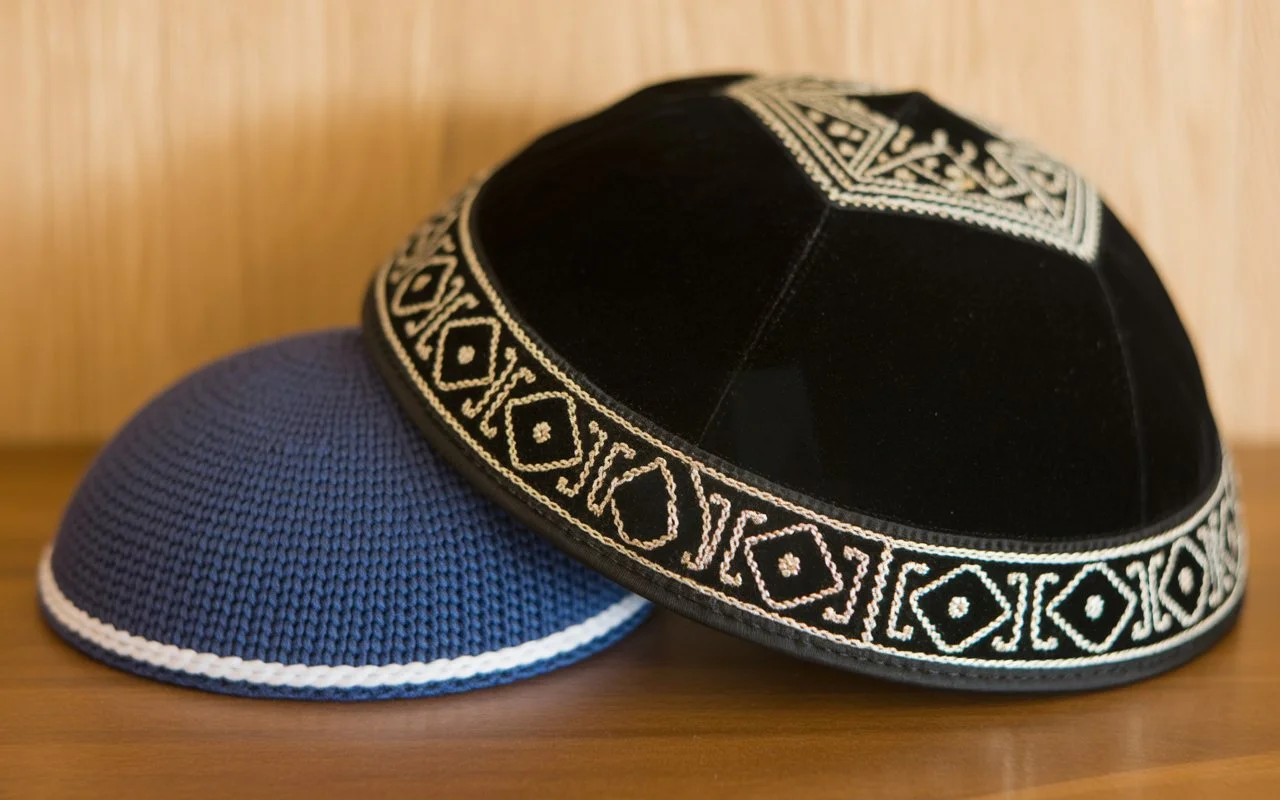
A kippah (Hebrew term) or yarmulke (Yiddish term) is a small, round cap worn on the head. It is traditionally worn by Jewish men and boys as a sign of respect and awareness of a higher power.
Think of it like a gentle reminder—almost like tying a string around your finger so you don’t forget something important. In this case, it reminds the wearer of their connection to God.
2. Difference Between Kippah and Yarmulke
Are they the same thing? Yes, essentially.
- Kippah is the Hebrew word, commonly used in Israel.
- Yarmulke comes from Yiddish and is more popular in European and American Jewish communities.
The difference is linguistic, not functional. It’s similar to saying “football” vs. “soccer”—same concept, different words.
3. Historical Origins
The practice of covering the head dates back thousands of years, though it wasn’t always mandatory. Early Jewish texts suggest that head covering became a sign of reverence over time.
Initially, it was mostly practiced by scholars and religious leaders. Gradually, it became more widespread among Jewish men as a symbol of devotion and humility.
4. Religious Significance
At its core, wearing a kippah represents respect for God.
Key Spiritual Meaning:
- Acknowledging that God is always above you
- Showing humility and modesty
- Maintaining awareness of spiritual presence
It’s not just about appearance—it’s about mindset. Wearing it can shape how someone thinks, acts, and interacts with the world.
5. Who Wears It and When?

Traditionally, Jewish men wear a kippah:
- During prayer
- In synagogues
- While studying religious texts
- Sometimes all day, depending on personal or community practice
What About Women?
In some progressive Jewish communities, women also wear kippot as a sign of equality and participation.
6. Styles and Materials
Kippot come in many styles, reflecting personal taste and cultural background.
Common Types:
- Knitted (Knit Kippah): Popular in Israel
- Velvet: Often worn in formal or Orthodox settings
- Satin or Silk: Used for special occasions
- Suede or Leather: Modern and casual
Some are simple, while others are colorful and decorative—almost like wearable art.
7. Cultural Identity and Expression
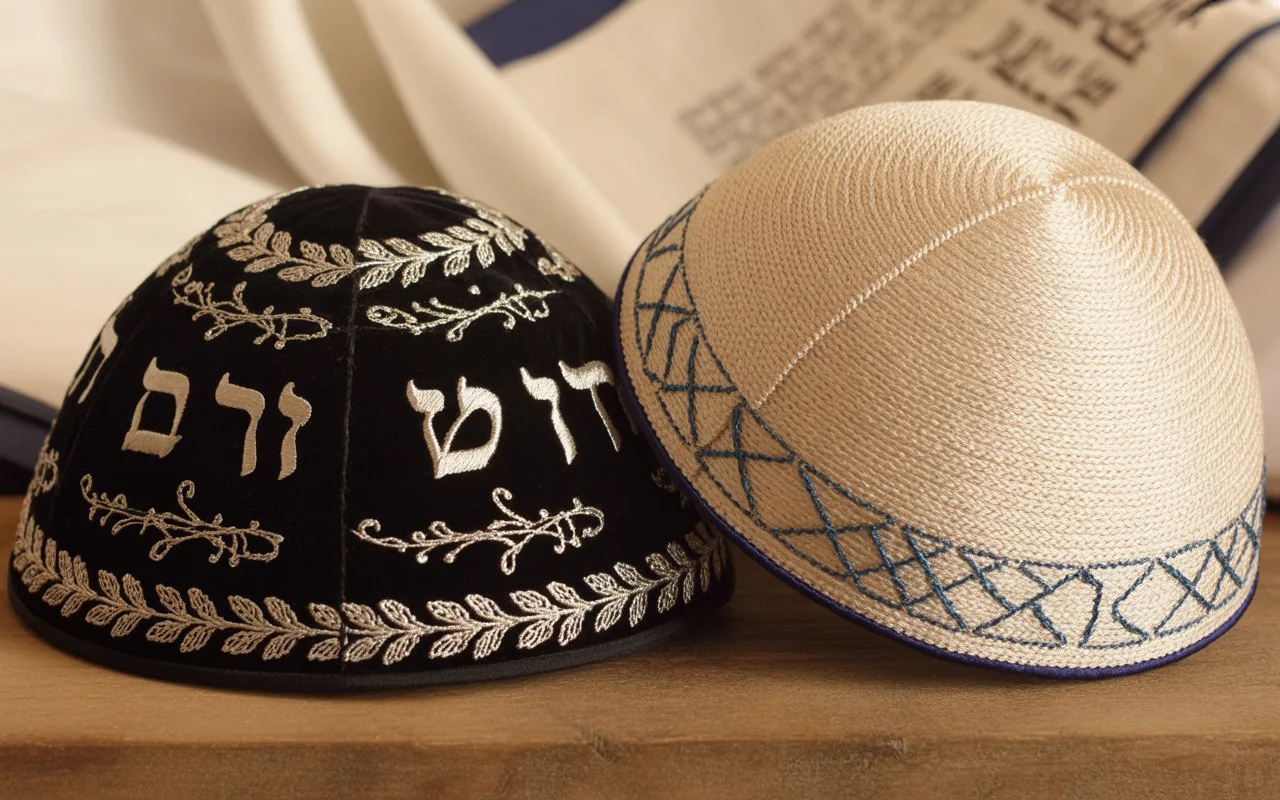
Wearing a kippah is also a way of expressing Jewish identity.
It’s a visible sign that connects people to:
- Their heritage
- Their community
- Their shared history
For many, it’s like wearing a badge of belonging—quiet, but meaningful.
8. Symbolism Behind Covering the Head
Why cover the head specifically?
The head is often seen as the seat of thought and identity. Covering it symbolizes:
- Humility before God
- Respect for something greater than oneself
- Awareness in everyday actions
It’s like placing a gentle “pause button” on ego.
9. Modern-Day Practices
Today, practices vary widely:
- Orthodox Jews: Often wear it all day
- Conservative Jews: Wear it during religious activities
- Reform Jews: Optional, based on personal choice
In modern society, the kippah has adapted while still holding its traditional meaning.
10. Kippah in Different Jewish Communities
Different communities have unique customs:
Orthodox Communities
- Strict adherence
- Often black or dark-colored
Modern Orthodox / Zionist
- Knitted and colorful designs
Reform / Liberal
- Optional and inclusive practices
These variations show how tradition can evolve while staying rooted.
11. Etiquette and Respect
If you visit a synagogue or Jewish event, you might be offered a kippah.
What Should You Do?
- Accept it as a sign of respect
- Wear it during the visit
- Return it afterward if required
It’s a simple gesture, but it shows cultural sensitivity and openness.
12. Common Misconceptions
Let’s clear up a few myths:
- “Only very religious people wear it.”
Not true—many wear it as a cultural symbol too. - “It’s mandatory for all Jews.”
Practices vary widely. - “It’s just a hat.”
It holds deep spiritual meaning.
Understanding these points helps avoid misunderstandings.
13. Kippah Beyond Religion
Interestingly, the kippah also appears in:
- Cultural events
- Weddings and celebrations
- Interfaith gatherings
It has become a symbol of identity that goes beyond strict religious settings.
14. Why It Still Matters Today
In a fast-paced world, small traditions often carry the deepest meaning.
The kippah serves as:
- A reminder of faith
- A connection to history
- A symbol of humility
Even today, it quietly tells a story of belief, identity, and continuity.
Conclusion
The kippah or yarmulke may seem like a small piece of fabric, but its meaning is anything but small. It represents centuries of tradition, a deep sense of spirituality, and a powerful connection to identity.
Whether worn daily or occasionally, it acts as a constant reminder—like a whisper—that there’s something greater than ourselves guiding our actions and thoughts.
FAQs
1. What does wearing a kippah symbolize?
It symbolizes respect for God, humility, and awareness of a higher spiritual presence.
2. Is there a difference between a kippah and a yarmulke?
No, they refer to the same head covering; the difference is just in language.
3. Do all Jewish men wear a kippah?
Not all. It depends on personal belief and community traditions.
4. Can non-Jews wear a kippah?
Yes, especially when visiting synagogues or attending Jewish ceremonies as a sign of respect.
5. Why is the kippah usually small and round?
Its simple design keeps the focus on its meaning rather than fashion, though styles can vary.
