

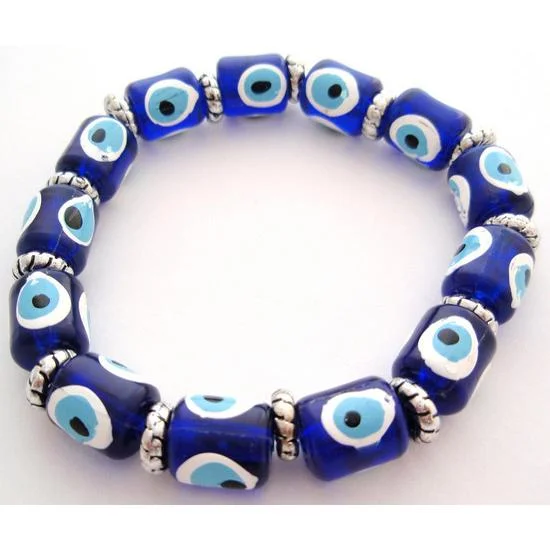

Introduction
Have you ever noticed someone wearing a small blue eye charm on their wrist and wondered what it means? Maybe you’ve seen it in jewelry stores, on celebrities, or even gifted by a friend who said, “This will protect you.” That tiny charm is more than just decoration—it’s a symbol tied to ancient beliefs about protection, energy, and intention.
The evil eye bracelet has traveled across continents and centuries. Some wear it for tradition, others for fashion, and many for spiritual comfort. But what makes this simple bracelet so meaningful? Let’s explore its history, symbolism, cultural importance, and why it continues to capture attention today.
1. The Meaning Behind the Evil Eye

At its core, the evil eye bracelet is believed to protect its wearer from negative energy. The “evil eye” refers to a harmful glare given by someone who is jealous, angry, or envious. According to old folklore, this glare can bring misfortune.
The bracelet acts like a shield. Think of it as a spiritual umbrella—it won’t stop the rain from falling, but it may help keep you dry.
People believe that wearing this charm absorbs or deflects negativity, preventing bad luck from affecting your health, relationships, or success.
2. Ancient Origins and Global History
In countries like Turkey, the symbol is deeply woven into daily life. You’ll see the blue eye charm hanging in homes, offices, cars, and even on newborn babies’ clothes. The famous “Nazar” bead originated there and remains a cultural staple.
Similarly, in Greece, the belief is known as “Mati,” meaning eye. People often pin small protective charms onto clothing during celebrations or important life events.
In India, variations of the evil eye belief exist in the form of black dots or beads used to protect children from jealousy and harmful stares.
These widespread traditions show one thing clearly: humans across cultures have long feared envy and sought protection from it.
3. Symbolism and Spiritual Beliefs
Why an eye? The eye is powerful. It represents awareness, vision, and perception. IIt is widely seen as a powerful symbol of insight and emotion, revealing the deepest feelings that words often cannot express.
The evil eye symbol is not evil itself. Instead, it watches back. Its gaze is believed to reflect bad intentions back to the sender.
Spiritually, it stands for:
-
Protection
-
Awareness
-
Balance
-
Security
Many people feel emotionally comforted wearing it—like having an invisible guardian quietly standing beside them.
4. Cultural Significance Across Regions
 Different cultures interpret the evil eye bracelet in slightly different ways:
-
Middle Eastern traditions emphasize protection from jealousy within close communities.
-
Mediterranean cultures link it to both spiritual and emotional well-being.
-
South Asian beliefs often associate it with protecting infants and brides from “nazar,” or envious attention.
Despite different names and rituals, the core idea remains the same: guarding against unseen harm.
5. Why People Wear It Today
Today, people wear evil eye bracelets for several reasons:
Spiritual Comfort
Some believe in its protective power.
Emotional Reminder
Others see it as a reminder to stay grounded and positive.
Fashion Statement
Many simply love how it looks.
In a world filled with stress, social media comparison, and competition, who wouldn’t want a little extra protection—even symbolic?
6. Materials, Colors, and Designs
Evil eye bracelets come in various materials:
-
Glass beads
-
Gold or silver charms
-
Thread or rope bands
-
Gemstone accents
The most common color is blue. But did you know different colors have different meanings?
-
Blue – Protection and calm
-
Green – Growth and success
-
Red – Courage and strength
-
Black – Power and resilience
-
White – Purity and focus
Choosing a color can feel personal, almost like selecting a lucky charm that aligns with your intentions.
7. How the Bracelet Is Supposed to Work
The belief is simple: negative energy directed at you is captured by the eye symbol.
Some say when the bracelet breaks or the bead cracks, it means it has absorbed too much negativity and completed its purpose. In that case, people usually replace it.
Whether you interpret that spiritually or symbolically, the idea reinforces mindfulness. It reminds you to protect your energy and stay aware of your surroundings.
8. Fashion Meets Spirituality
Celebrities and influencers have helped bring the bracelet into modern fashion. Luxury brands have created high-end versions with diamonds and gold.
But you don’t need luxury to make it meaningful. Even a simple thread bracelet can carry deep significance.
It’s fascinating how ancient superstition blends seamlessly with modern style—like history woven gently around your wrist.
9. Which Wrist Should You Wear It On?
You might wonder: Does it matter which wrist?
Some traditions suggest:
-
Left wrist – To protect your emotional self.
-
Right wrist – To protect your actions and public life.
There’s no strict rule. Many people simply choose the wrist that feels comfortable.
After all, belief is personal.
10. Gifting an Evil Eye Bracelet
Gifting this bracelet is considered thoughtful and protective. It symbolizes care and good wishes.
It’s popular for:
-
Newborn babies
-
Friends starting new jobs
-
Newlyweds
-
Students heading abroad
When you gift it, you’re essentially saying, “I want you to stay safe and protected.”
And isn’t that a beautiful message?
11. Myths and Misconceptions
Some people fear that wearing the symbol might attract negativity instead of protecting against it. However, traditional belief insists the opposite.
Another myth is that only certain religions allow it. In reality, it is more cultural than religious and has been adopted widely regardless of faith.
It’s also not black magic. It’s a symbolic charm grounded in centuries-old folklore.
12. How to Choose the Right Bracelet
When selecting one, ask yourself:
-
Do I want it for fashion or faith?
-
Which color speaks to me?
-
Do I prefer minimal or bold?
Trust your instinct. Choosing a protective charm is like picking a book—you’re drawn to what resonates.
13. Caring for Your Bracelet
To maintain its condition:
-
Avoid water if it’s thread-based.
-
Clean metal versions gently with a cloth.
-
Store separately to prevent scratches.
Some believers also suggest cleansing it spiritually by leaving it under sunlight or moonlight.
Whether symbolic or practical, caring for it preserves its beauty.
14. Is It Just Belief or Real Protection?
Here’s the big question: Does it truly protect you?
Science doesn’t confirm supernatural powers. However, psychology tells us that belief can influence behavior. If wearing a bracelet makes you feel secure and confident, that mindset can shape your actions positively.
Think of it like a seatbelt for the soul. It may not stop accidents from happening in life, but it can give you peace of mind.
And sometimes, that’s enough.
Conclusion
The evil eye bracelet is more than just jewelry. It carries centuries of tradition, stories of protection, and a universal human desire to feel safe from envy and harm. Whether you wear it for style, culture, or spiritual belief, its meaning remains rooted in protection and awareness.
In a fast-paced world where negativity can spread quickly—especially online—it’s comforting to wear a small symbol that reminds you to guard your energy. And maybe, just maybe, that little blue eye does more than we think.
FAQs
1. What does an evil eye bracelet symbolize?
It symbolizes protection against jealousy, negative energy, and harmful intentions directed toward the wearer.
2. Can anyone wear an evil eye bracelet?
Yes, it is cultural rather than religious and can be worn by anyone regardless of background.
3. What does it mean if the bracelet breaks?
Many believe it has absorbed negativity and fulfilled its purpose, indicating it’s time for a replacement.
4. Is it bad luck to buy one for yourself?
No, you can purchase one for yourself. While gifting is meaningful, self-purchase is common.
5. Does the color of the bracelet matter?
Yes, different colors symbolize different intentions such as protection, strength, growth, or peace.
