


Introduction
Have you ever met a plant that actually listens to you? The obedient plant earns its charming name from a quirky trait that surprises almost everyone the first time they see it. Gently bend one of its flowers to the side, and it stays exactly where you place it—almost like it’s politely agreeing with your suggestion. Sounds magical, right?
But there’s much more to this garden favorite than a clever party trick. From its graceful blooms to its easygoing nature, the obedient plant has secured a quiet but steady place in home gardens. In this detailed guide, we’ll explore everything you need to know—where it comes from, how it grows, how to care for it, and why it might just be the perfect addition to your green space.
What Is the Obedient Plant?

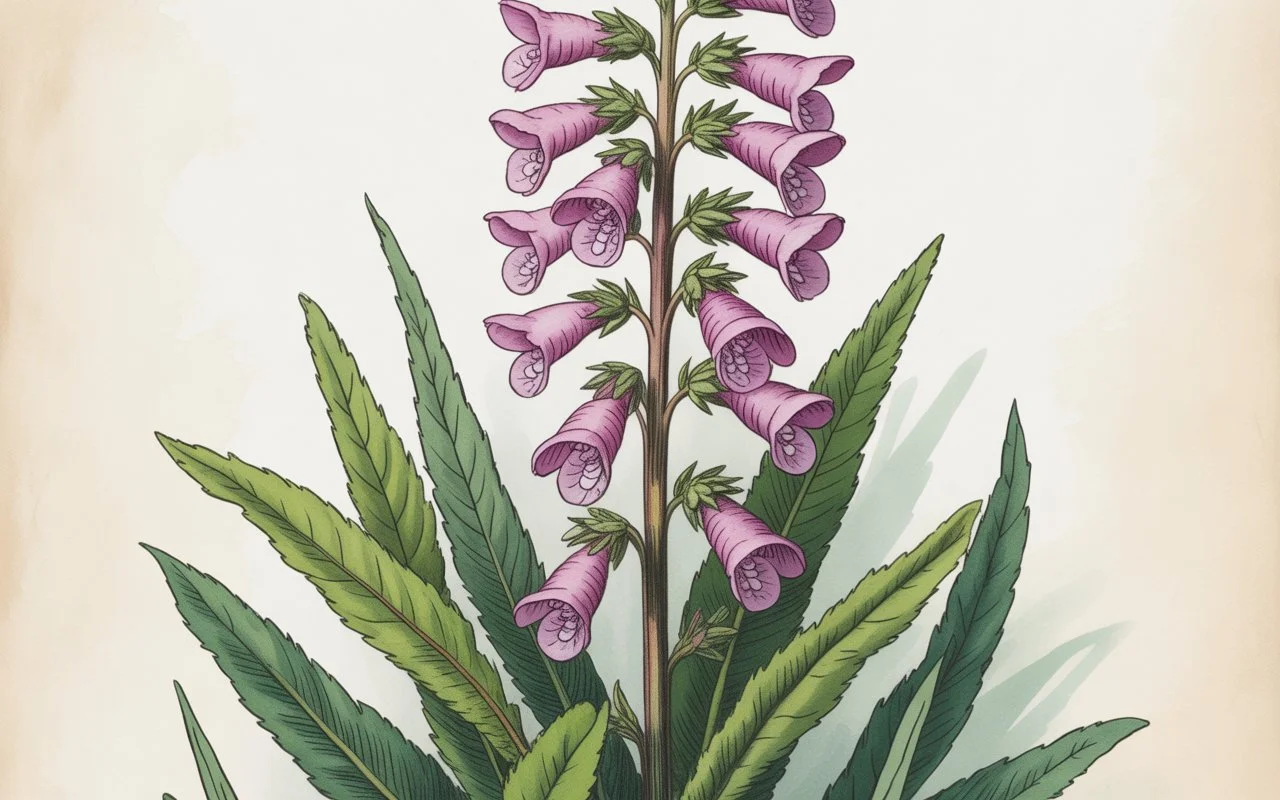
The obedient plant is a perennial flowering plant native to North America. It’s best known for its flexible blossoms, which can be repositioned by hand and will remain in place rather than springing back.
Why Is It Called “Obedient”?
Unlike most flowers that snap back to their original position, these blooms stay put when adjusted. It’s almost like the plant politely agrees, holding its pose as if to say it’s happy to oblige.
A Name With Personality
This unusual behavior gives the plant a personality-like quality, making it memorable even for casual gardeners.
Natural Habitat and Origins
Where It Grows Naturally
The obedient plant thrives in open woodlands, moist meadows, and along stream banks. It prefers environments that combine sunlight with consistent moisture.
Native Appeal
Because it originates locally in many regions, it fits beautifully into native and pollinator-friendly landscapes.
Appearance and Growth Characteristics
Height and Structure
The plant typically grows 2 to 4 feet tall, forming upright stems that can spread over time.
Flowers and Color
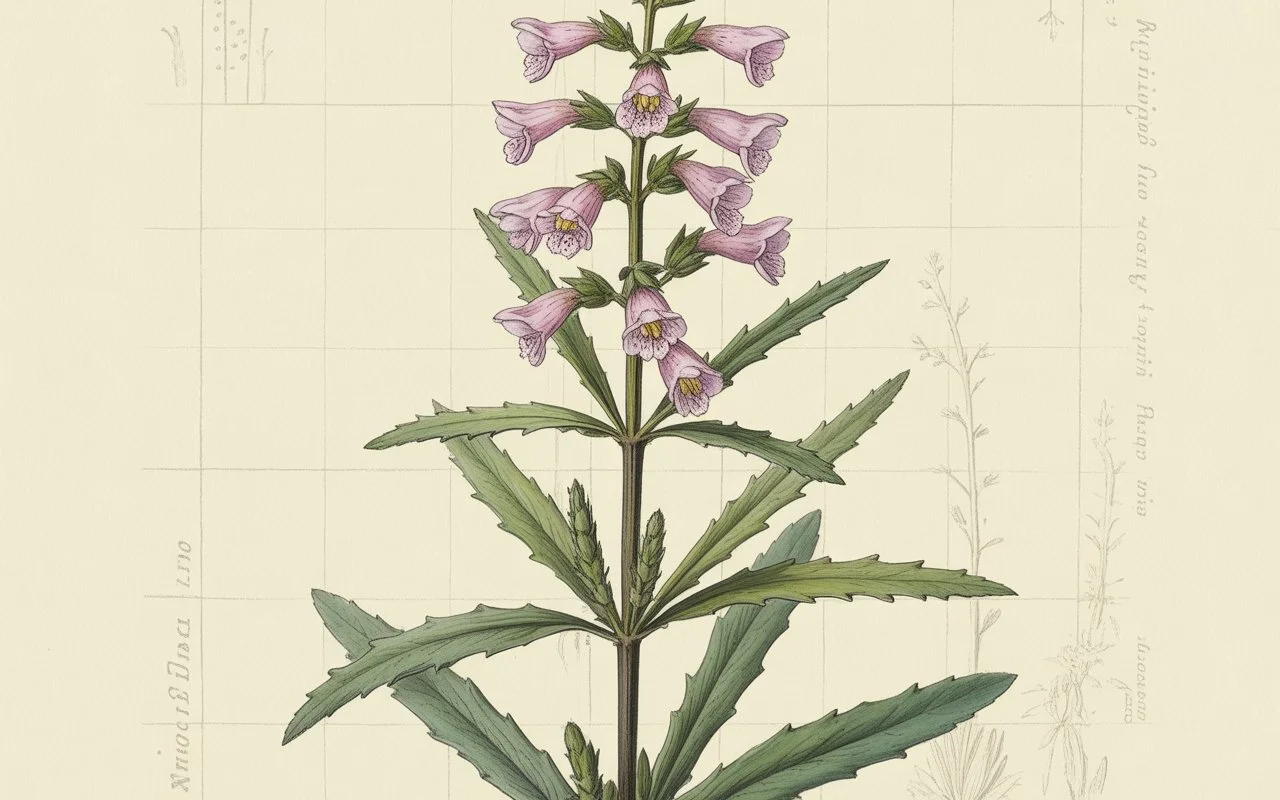
The tubular flowers bloom in soft shades of pink, lavender, or white. They appear in neat rows along tall spikes, creating a tidy yet vibrant display.
Leaves and Texture
Dark green leaves with a slightly coarse texture help balance the delicate look of the blooms.
Why Gardeners Love the Obedient Plant
Low-Maintenance Beauty
Once established, the obedient plant requires minimal care, making it ideal for both beginners and experienced gardeners.
A Conversation Starter
Guests are often fascinated by its bend-and-stay behavior. It’s like having a small botanical illusion growing right in your yard.
Growing Conditions and Site Selection

Sunlight Needs
The obedient plant thrives in bright sunlight but adapts comfortably to areas with some shade. More sunlight generally results in better flowering.
Soil Preferences
It enjoys moist, well-draining soil. Think of soil that holds water like a sponge but doesn’t become soggy.
Space Considerations
Give it room to spread. This plant is enthusiastic—it likes to stretch out and claim territory.
Planting and Establishment
When to Plant
Spring and early fall are the best times for planting, allowing roots to establish without stress.
How to Plant Successfully
-
Dig a hole slightly larger than the root ball
-
Place the plant at soil level
-
Water thoroughly after planting
Early Care
Regular watering during the first growing season helps it settle in smoothly.
Care and Maintenance
Watering Routine
While drought-tolerant once mature, the obedient plant performs best with consistent moisture.
Fertilization
It doesn’t demand much feeding. A modest layer of compost in spring provides all the nourishment it typically needs.
Pruning and Deadheading
Removing spent flowers encourages neat growth and can limit excessive spreading.
Managing Its Energetic Growth
Is It Aggressive?
In the right conditions, yes. The obedient plant spreads through underground stems and can take over if left unchecked.
How to Keep It Under Control
-
Plant in contained beds
-
Divide clumps every few years
-
Remove unwanted shoots
Think of it like a friendly guest who stays a little too long unless gently reminded of boundaries.
Seasonal Interest and Bloom Time
When It Blooms
Flowers appear in late summer and often last well into early fall, filling a seasonal gap when many plants fade.
Autumn Appeal
As other blooms disappear, the obedient plant keeps your garden lively and colorful.
Pollinators and Wildlife Benefits
A Magnet for Pollinators
Bees and butterflies are frequent visitors. The tubular flowers provide easy access to nectar.
Supporting Ecosystems
By including this plant in your garden, you’re offering valuable resources to beneficial insects.
Landscape Uses and Design Ideas
Borders and Backdrops
Its height makes it ideal for the back of garden beds or along fences.
Naturalistic Gardens
It blends beautifully into meadow-style and native plant gardens.
Cut Flower Potential
While not commonly used in arrangements, its sturdy stems can work in casual floral displays.
Common Issues and Solutions
Pests and Diseases
The obedient plant is relatively trouble-free. Occasional leaf damage may occur but rarely becomes serious.
Flopping Stems
In partial shade or rich soil, plants may lean. Simple staking can solve the problem.
Why the Obedient Plant Is Worth Growing
Gardening isn’t always about show-stopping drama. Sometimes it’s about steady performers that surprise you in small, delightful ways. The obedient plant is exactly that—a dependable bloomer with a playful twist. Like a flexible friend who adapts to any situation, it brings charm, resilience, and life to the garden without demanding constant attention.
Conclusion
The obedient plant proves that even the quietest garden residents can have unforgettable personalities. Easy to grow, visually appealing, and beneficial to pollinators, it offers more than just good looks. Its unique flower behavior adds whimsy, while its tough nature ensures long-term success in a variety of landscapes.
If you’re searching for a plant that combines character with reliability, this obedient beauty may be just what your garden has been waiting for.
Frequently Asked Questions
Why does the obedient plant stay where you bend it?
Its flexible flower stems lack the strong spring-back response found in many plants, allowing them to hold position.
Is the obedient plant invasive?
It’s not invasive, but it can spread aggressively in favorable conditions if not managed.
Does the obedient plant need full sun?
It grows best in full sun but tolerates partial shade.
How often should I divide the obedient plant?
Dividing every two to three years helps control spread and keeps plants healthy.
Is the obedient plant good for pollinators?
Yes, it attracts bees and butterflies and supports garden biodiversity.
