


Introduction
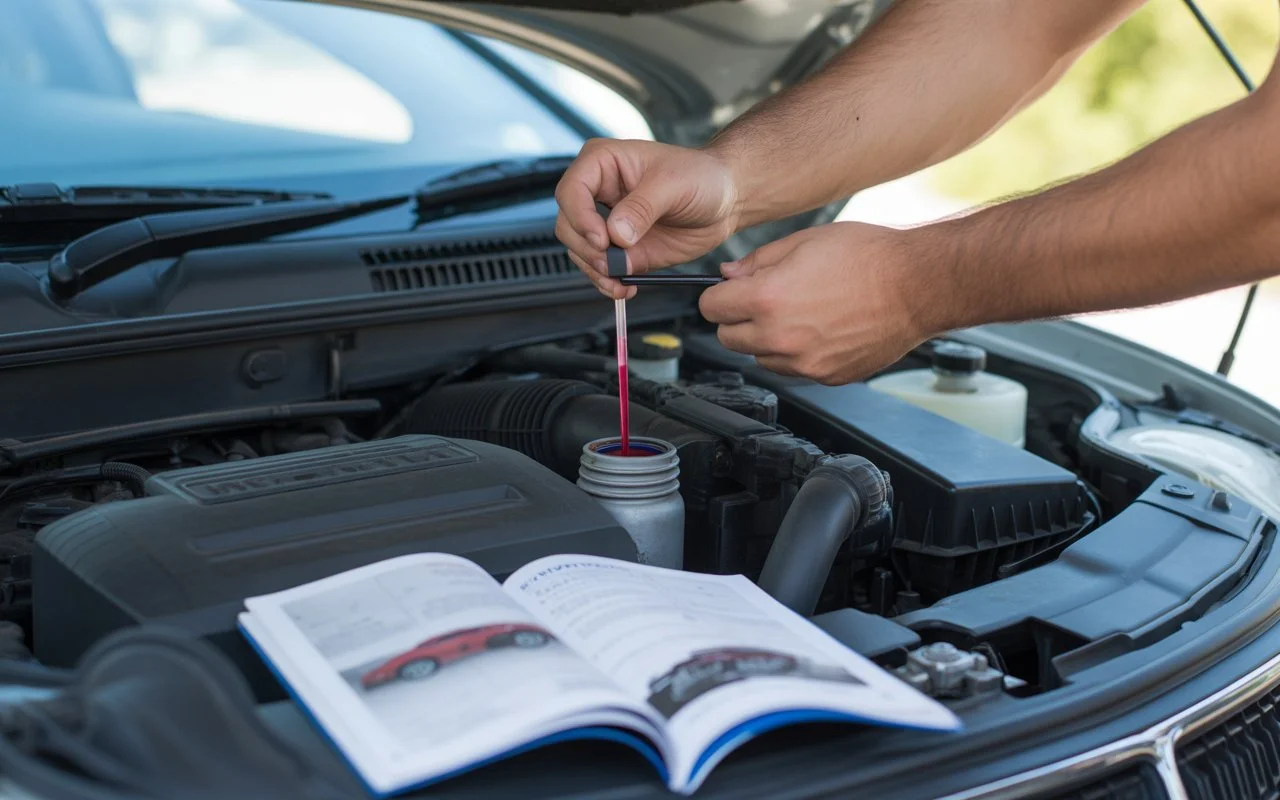
Have you ever driven your car and felt something was “off,” but you couldn’t quite explain it? Maybe the gears felt rough, or the car hesitated before moving. Just like the human body needs blood to flow smoothly, your car depends on transmission fluid to keep everything moving without friction. Knowing how to check transmission fluid is one of those simple skills that can save you stress, money, and unexpected breakdowns.
The good news? You don’t have to be a trained mechanic or a car specialist to understand this.This guide is written for everyday people who want clear, honest, and easy-to-follow advice. Let’s break it down together, step by step.
What Is Transmission Fluid and Why It Matters

Transmission fluid is the lifeline of your vehicle’s transmission system. Transmission fluid acts as the vital support system for your car’s transmission, reducing friction, managing heat, and allowing gears to shift smoothlyTransmission fluid is what keeps your vehicle’s transmission alive and functioning smoothly.
Think of transmission fluid as cooking oil in a pan. Too little, and things stick and burn.
-
Too much of it, and things overflow, leading to unnecessary problems.
Signs Your Transmission Fluid Needs Attention
Your car often gives warning signs before serious trouble starts. Paying attention can help you act early.
Common symptoms include:
-
Rough or delayed gear shifts
-
Slipping gears while driving
-
Burning smell from the engine area
-
Unusual noises like whining or humming
-
Transmission warning light on the dashboard
If you notice any of these, checking the transmission fluid should be your first move.
Manual vs Automatic Transmissions Explained
Before learning how to check transmission fluid, it’s important to know what type of transmission your car has.
Automatic transmissions usually allow easy fluid checks with a dipstick.
Manual transmissions, on the other hand, don’t have a dipstick and require checking through a fill plug.
This difference matters because the process changes depending on your vehicle type.
When Should You Check Transmission Fluid

Timing matters more than most people realize.
Best times to check:
-
Once a month for older vehicles
-
Before long road trips
-
If you notice strange driving behavior
Many manufacturers recommend checking while the engine is warm, as fluid expands with heat. Always consult your vehicle manual for exact guidance.
Tools and Preparation Before You Start
You don’t need a garage full of tools. Just a little preparation goes a long way.
What you’ll need:
-
Clean cloth or paper towel
-
Vehicle owner’s manual
-
Gloves (optional but helpful)
-
Flat, level surface
Make sure your car is parked safely, with the parking brake engaged. Safety first, always.
How to Check Transmission Fluid in Automatic Cars
This is the most common and beginner-friendly method.
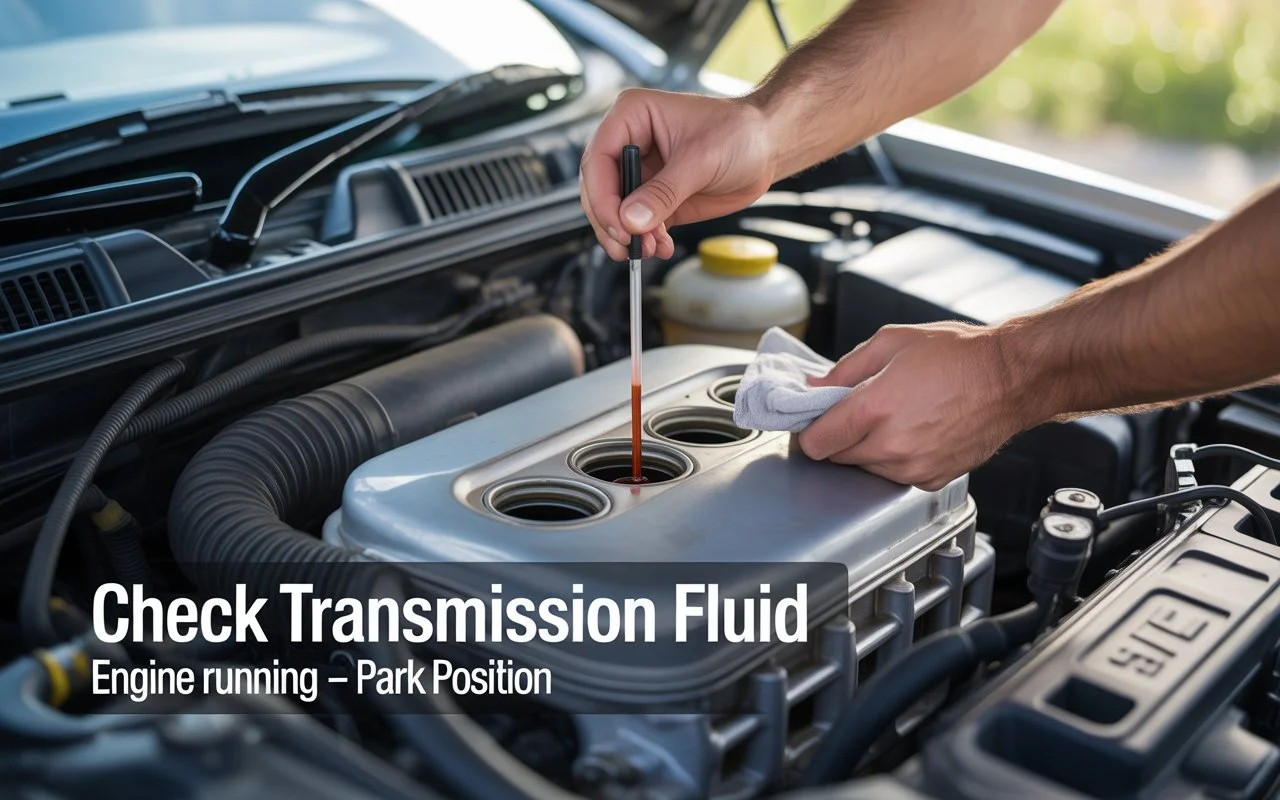
Step-by-step process:
-
Start the engine and let it warm up
-
Shift through all gears, then return to park
-
Locate the transmission dipstick
-
Pull it out and wipe it clean
-
Reinsert fully, then remove again
-
Check the fluid level and condition
The dipstick usually has “Full” and “Low” marks. The fluid should sit comfortably between them.
How to Check Transmission Fluid in Manual Cars
Manual transmissions require a slightly different approach.
Here’s how it works:
-
The car must be lifted or on a level surface
-
Locate the fill plug on the transmission
-
Remove the plug carefully
-
Fluid should be level with the opening
If fluid drips out slightly, that’s usually normal. If nothing comes out, the level may be low.
Understanding Transmission Fluid Levels
Knowing the level is just as important as checking it.
Too low:
-
Causes overheating
-
Leads to slipping gears
Too high:
-
Creates pressure
-
Can damage seals
The goal is balance. Like filling a glass of water, you want it full but not overflowing.
What Transmission Fluid Color Tells You
Color can reveal a lot about your car’s health.
Healthy fluid: Bright red or pink
Warning signs:
-
Brown or dark fluid → Aging or overheating
-
Black fluid → Serious internal wear
-
Milky fluid → Possible water contamination
If the color looks off, it may be time for a change or inspection.
Common Mistakes to Avoid
Even simple tasks can go wrong if rushed.
Avoid these errors:
-
Checking fluid with the engine off (if not recommended)
-
Using the wrong type of fluid
-
Overfilling the transmission
-
Ignoring the owner’s manual
Mistakes here can be costly, so patience pays off.
How Often Should Transmission Fluid Be Checked
There’s no one-size-fits-all answer, but general guidelines help.
Typical recommendations:
-
Every 30,000 to 60,000 miles
-
More often for older vehicles
-
Frequently if you tow or drive in heavy traffic
Regular checks are like routine health checkups for your car.
When to Call a Professional
Sometimes, it’s okay to ask for help.
Seek professional help if:
-
Fluid smells burnt
-
You see metal particles
-
Gears slip consistently
-
Warning lights stay on
A mechanic can diagnose deeper issues before they become major repairs.
Conclusion
Learning how to check transmission fluid is one of the simplest ways to take control of your car’s health. It doesn’t require special skills, just awareness and a few minutes of your time. Like checking your pulse or blood pressure, it’s a small habit that can prevent big problems.
By staying proactive, you keep your vehicle running smoothly, safely, and reliably—mile after mile.
Frequently Asked Questions (FAQs)
1. How do I know if my transmission fluid is low?
Low fluid often causes slipping gears, delayed shifts, and unusual noises while driving.
2. Can I check transmission fluid without a dipstick?
Yes, manual transmissions and some modern automatics require checking through a fill plug.
3. Should the engine be running when checking transmission fluid?
Most automatic vehicles require the engine to be running and warm, but always confirm with your manual.
4. What happens if I overfill transmission fluid?
Overfilling can cause pressure buildup, leaks, and transmission damage.
5. Is transmission fluid the same for all cars?
No, each vehicle may require a specific fluid type, so always follow manufacturer recommendations.
