


lismore castle
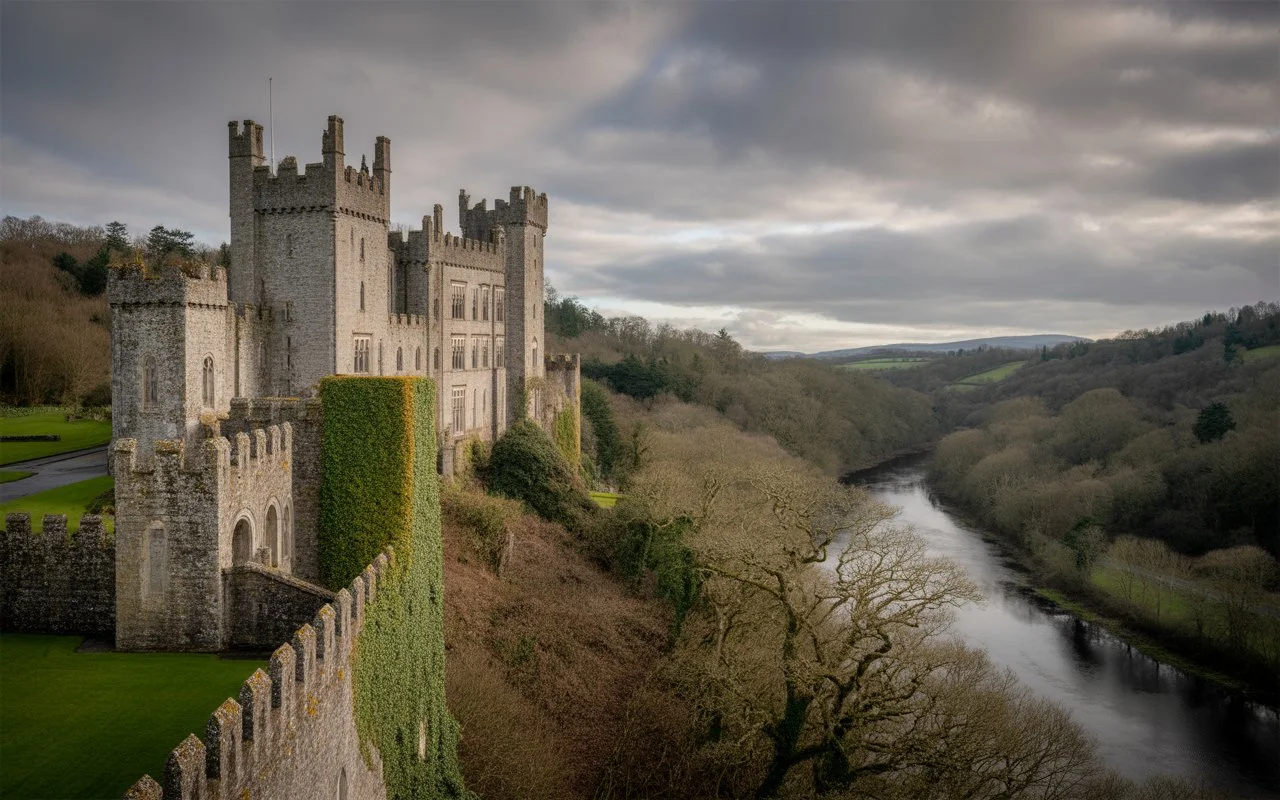
Few places in Ireland weave history, culture, and raw natural beauty together as gracefully as Lismore Castle. Perched above the River Blackwater in County Waterford, the castle feels like a living storybook—one where medieval tales meet modern creativity, and where ancient stone walls echo with centuries of life, loss, and laughter. If you’ve ever wondered what it feels like to step into a world where time slows down and every corner holds a secret, Lismore Castle is that place.
In this article, we’ll take a deep dive into the castle’s past, the people who shaped it, the art it inspires, and the experience it offers visitors today. Think of this as a friendly guided walk—minus the tired legs—through one of Ireland’s most beloved heritage treasures.
A Castle That Has Watched Centuries Unfold
 The Medieval Beginnings
Lismore Castle’s story begins in the 12th century, originally built as a bishop’s palace. Imagine stone masons chiseling blocks in a world without power tools, constructing something solid enough to outlive empires. Over time, its role shifted from ecclesiastical sanctuary to noble residence, each transformation imprinting a new layer of identity.
From Bishops to Dukes
Centuries later, the castle was acquired by the Earls of Cork and eventually became the Irish home of the Dukes of Devonshire. Families came and went, each leaving behind pieces of themselves—gardens, towers, portraits, and even entire architectural wings. It’s like reading a diary written by many hands, each one adding a chapter.
An Architectural Patchwork Worth Exploring
Evolving Styles Through Time
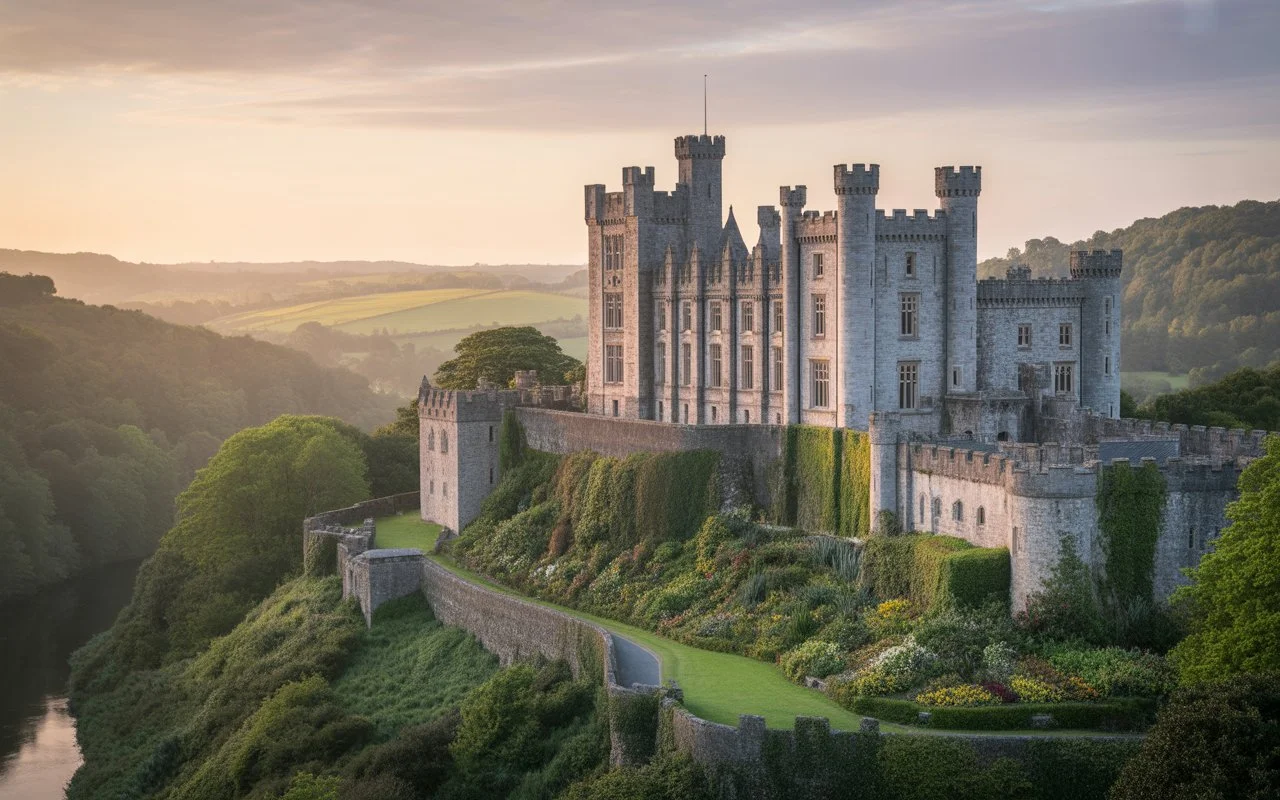
Walk around Lismore Castle and you’ll notice how its appearance blends Gothic revival touches with older medieval bones. Some buildings feel stern and fortress-like, while others appear delicate, even whimsical. That’s the charm of a place that has grown rather than been redesigned in a single sweep.
The Castle’s Grand Facade
The exterior, with its battlements and tall towers, might remind you of something straight out of a fantasy film. But instead of dragons, you’ll meet moss-covered stonework and breathtaking views of the surrounding landscape.
The Enchanting Gardens That Have Inspired Artists and Dreamers
The Upper Garden
Built on the old monastery grounds, the upper garden feels contemplative and peaceful. Pathways wind through ancient trees, fruit orchards, and quiet corners where sunlight filters in like gold dust. The design blends wild and manicured aesthetics, showing centuries of careful stewardship.
The Lower Garden
The lower garden calls more attention to itself with sculpted lawns, ornamental shrubs, and seasonal blooms. It’s the kind of place where time seems to pause naturally. Whether you love botany or you simply appreciate a well-kept environment, wandering here feels like breathing in inspiration.
A Modern Hub for Contemporary Art
 Lismore Castle Arts
One of the castle’s most surprising features is its vibrant contemporary art gallery. Tucked within such an old setting, this gallery creates a striking contrast. Exhibitions rotate regularly, featuring both Irish and international artists. It’s like finding a modern heartbeat inside an ancient body—unexpected, yet perfectly fitting.
Why Art Feels at Home Here
The castle’s mix of history and innovation makes it the perfect stage for creative expression. Visitors often describe the experience as walking through a dialogue between past and present.
The People Who Left Their Mark
Sir Walter Raleigh
Yes, the same Raleigh associated with tobacco and New World adventures played a part in the castle’s history. He briefly owned the estate before selling it to Richard Boyle, the First Earl of Cork. His time here may have been short, but it adds one more interesting thread to the castle’s tapestry.
The Boyle Legacy
Richard Boyle shaped much of Lismore’s early development. His influence can still be felt in the castle’s design and its place in local history.
The Devonshire Family
For over two centuries, the Devonshires have been connected to Lismore Castle. Their contributions include architectural enhancements, extensive garden development, and cultural patronage.
Lismore Castle in Literature and Culture
A Muse for Writers
Lismore CastleThe castle has influenced several literary figures. Poets, novelists, and painters have drawn inspiration from its dramatic setting and storied past. Standing at the castle’s edge, looking over the river, you can see why—it’s hard not to feel creative energy in the air.
Cultural Connections
Lismore often appears in documentaries, travel series, and historical features. Its charm is no secret, and it continues to serve as a symbol of Irish heritage.
The Castle’s Role in Local Life
 Community Engagement
Even though Lismore Castle remains a private residence for much of the year, its gardens and art gallery are open to the public. This creates a bridge between local life and historical legacy, making the castle not just a monument, but a living part of the community.
Seasonal Events
The castle hosts various events, from art openings to literary festivals. Each gathering invites visitors to experience the grounds in a new light.
A Haven for Nature Lovers
Wildlife and Landscape
Beyond the castle walls, the surrounding area is rich in flora and fauna. Birds swoop across the river, foxes wander nearby woodlands, and wildflowers bloom in the hedgerows. It’s a peaceful reminder of how the castle is cradled by nature.
The River Blackwater
The castle overlooks one of Ireland’s most scenic rivers. Its gentle flow adds serenity, like a painter’s final touch that completes the scene.
Visiting Lismore Castle Today
What You’ll Experience
Exploring Lismore Castle feels like flipping through different eras. One moment you’re admiring medieval stonework, the next you’re surrounded by modern artworks or breathing in the scent of apple blossoms.
Practical Tips
Visitors can tour the gardens and gallery, enjoy seasonal exhibits, and stroll through the town of Lismore afterward. Comfortable shoes are a must—your feet will thank you later.
Lismore Town – The Castle’s Charming Neighbor
A Town Steeped in Local Spirit
Lismore town is small but full of character. With its friendly cafés, cozy shops, and heritage buildings, it complements the castle beautifully. Think of it as the welcoming front porch to the estate.
Why Lismore Castle Leaves a Lasting Impression
A Place Where Time Blends Gracefully
Perhaps the most captivating thing about Lismore Castle is how it balances past and present. You feel its age, but you also feel its relevance. It doesn’t freeze history—it lets it breathe.
A Reflection of Ireland’s Soul
In many ways, the castle mirrors Ireland itself: resilient, layered, creative, and warmly inviting.
Conclusion
Lismore Castle is more than stone walls and manicured gardens—it’s a living story that keeps evolving. Whether you’re drawn to history, art, nature, or simply the charm of a place where the past whispers through every corner, this castle offers something special. Visiting feels like stepping into a woven tapestry where each thread has a purpose, each color a memory. It captivates not by trying too hard, but by staying true to itself.
FAQs
1. Can you tour the inside of Lismore Castle?
Generally, the interior remains a private residence and is not open to the public, though the gardens and gallery can be visited.
2. Are the gardens open year-round?
The gardens usually operate seasonally, typically from spring to autumn, with specific dates announced yearly.
3. Is Lismore Castle family-friendly?
Yes, the gardens and walking paths are enjoyable for children and adults alike.
4. Are photography and videos allowed in the gardens?
Visitors can take personal photos outdoors unless restrictions are posted for certain exhibitions.
5. How long does a typical visit to Lismore Castle take?
Most people spend between 1.5 to 3 hours exploring, depending on how much of the gardens and gallery they wish to see.
