


Introduction
What Does Caviar Taste Like?
Have you ever seen tiny, glossy beads sitting on a silver spoon and wondered what all the fuss was about? Maybe you’ve heard celebrities rave about it or spotted it on the menu at a fancy restaurant and thought, Is it really that special?
If you’re asking yourself what caviar actually tastes like, you’re not alone. For many people, it feels mysterious—expensive, elegant, and maybe even a little intimidating. But here’s the truth: understanding its flavor isn’t as complicated as it seems.
Let’s break it down together in plain, simple language—no chef talk, no confusing words—just a real explanation of what you can expect when those tiny pearls touch your tongue.
The Basics: What Exactly Is Caviar?
 Before we talk about flavor, let’s clear something up.
Caviar is salt-cured eggs (roe) from sturgeon fish. Sturgeon are large, ancient fish found mostly in places like the Caspian Sea and Black Sea regions. True caviar only comes from sturgeon—everything else is technically just “roe.”
Think of it like this: all champagne is sparkling wine, but not all sparkling wine is champagne. In the same way, all caviar is roe, but not all roe is caviar.
These delicate eggs are lightly salted to preserve them. That salt plays a big role in the flavor you experience.
The First Impression: Salty, But Not Like Table Salt
When most people think about caviar, they assume it tastes very salty. That’s partly true—but it’s not like licking a salt shaker.
The salt is meant to enhance, not overpower. A good-quality product will feel gently briny, like a fresh ocean breeze rather than a punch of sodium.
If you’ve ever tasted seawater by accident at the beach (we all have), imagine that—but cleaner, softer, and more refined.
The Ocean Flavor: Briny and Fresh
One of the strongest notes people notice is a subtle ocean flavor.
But here’s the important part: it should taste like the sea, not like strong fish.
Good-quality roe delivers:
-
A clean marine flavor
-
A light mineral touch
-
A fresh, almost cool sensation
It should never taste rotten or overly fishy. If it does, something is wrong.
The Texture: A Gentle Pop on Your Tongue
Flavor is only half the experience. Texture is just as important.
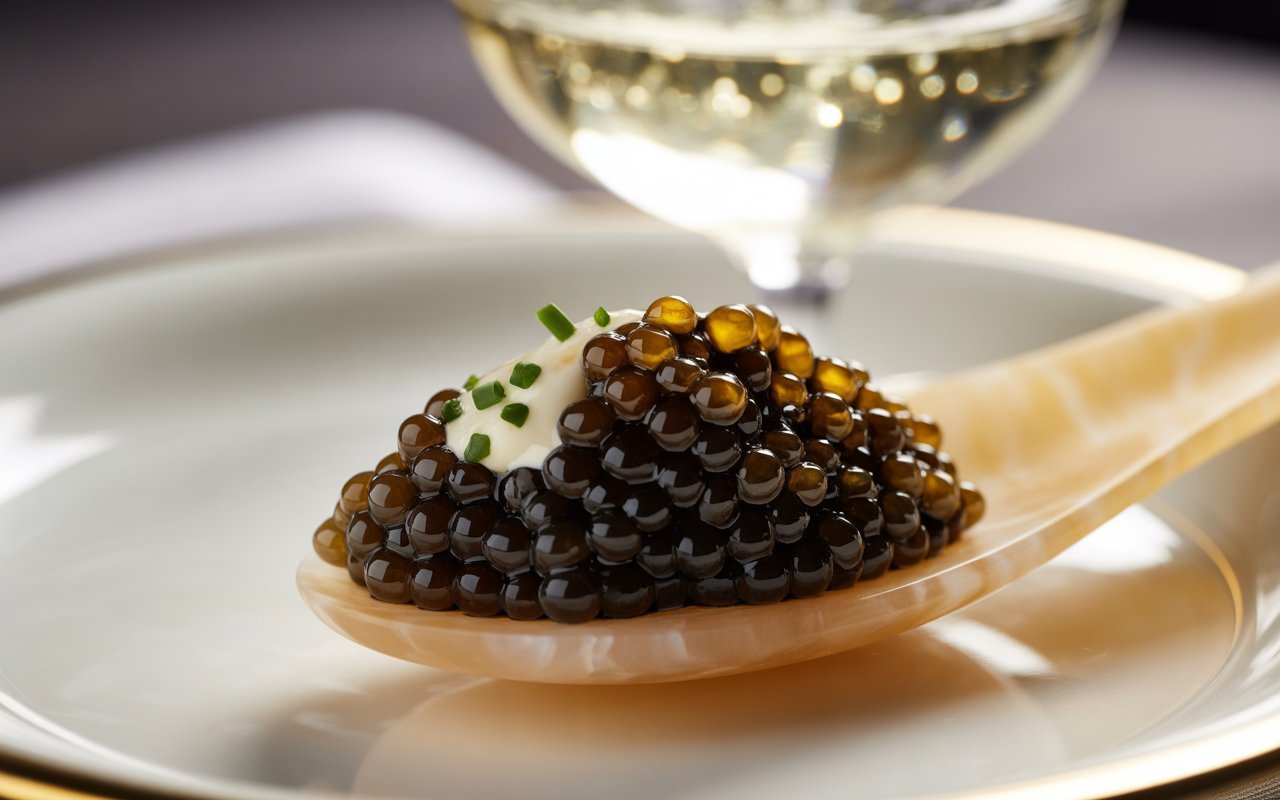
Each tiny bead bursts softly when you press it against the roof of your mouth. That “pop” releases the flavor gradually instead of all at once.
The best way to describe it? Imagine tiny water balloons filled with savory liquid, gently exploding in your mouth.
That smooth pop is one of the reasons people love it. It feels luxurious—almost playful.
The Buttery Finish: Smooth and Creamy
After the initial salt and ocean notes fade, something surprising happens.
You may notice a buttery, creamy finish. It’s soft and smooth, almost like melted butter lingering on warm bread.
This richness balances the saltiness and gives it depth.
High-quality varieties can even feel slightly nutty, adding another layer to the flavor.
Does It Taste Fishy?
This is the biggest concern people have.
The honest answer? Not if it’s good quality.
True sturgeon roe should not taste strongly fishy. It should be:
-
Clean
-
Mild
-
Fresh
-
Slightly savory
If you’re imagining a strong canned tuna smell, you can relax. That’s not the experience.
Different Types, Different Flavors
Not all caviar tastes the same. Different species of sturgeon produce different sizes, colors, and flavor profiles.
Here are a few popular varieties:
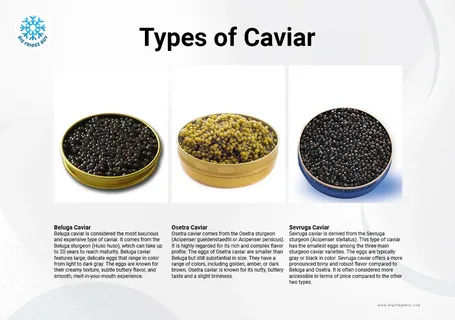
Beluga
Beluga sturgeon produces the largest eggs.
-
Very delicate flavor
-
Extremely creamy
-
Mild and buttery
-
Luxurious texture
Many people describe it as the smoothest, most refined option.
Osetra (Ossetra)
Osetra sturgeon roe is slightly firmer.
-
Nutty notes
-
Richer taste
-
Medium-sized beads
-
Balanced salt
It’s often considered a perfect middle ground.
Sevruga
Sevruga sturgeon roe has smaller eggs.
-
Stronger brine
-
More intense ocean flavor
-
Slightly sharper finish
If you prefer bold flavors, this one might appeal to you.
Is Expensive Caviar Really That Different?
You might wonder: Does price really change the flavor?
In many cases, yes.
More expensive selections often have:
-
Better texture (cleaner pop)
-
More balanced salt
-
Complex flavor layers
-
Fresher finish
Cheaper versions may taste overly salty or flat.
Think of it like chocolate. Cheap chocolate is sugary and simple. High-quality chocolate has depth, bitterness, sweetness, and aroma. The same principle applies here.
How It Changes Based on How You Eat It
Interestingly, the taste depends on how you serve it.
On a Spoon
Traditionally, it’s served on a mother-of-pearl spoon. Metal can slightly affect the flavor. On its own, you’ll notice every detail—the salt, the creaminess, the ocean.
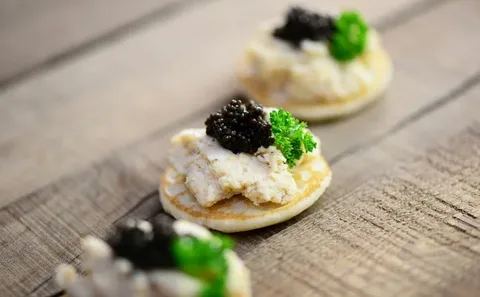
With Blinis or Toast
When placed on warm blinis (small pancakes) or toast:
-
The salt feels softer
-
The texture contrasts beautifully
-
The creaminess stands out more
With Sour Cream or Crème Fraîche
Adding a creamy base mellows the salt and emphasizes the buttery finish.
Suddenly, the flavor feels gentler and more rounded.
The Aftertaste: Lingering but Not Overpowering
One of the most enjoyable parts is the aftertaste.
A good product leaves behind:
-
A smooth savory note
-
Slight sweetness
-
Gentle mineral tone
It should not leave a heavy or oily feeling.
If you close your eyes, you might notice a faint nutty echo long after swallowing.
Is It an Acquired Taste?
For some people, yes.
If you’ve never had seafood or salty delicacies before, it may feel unusual at first. But many people grow to love it quickly.
The key is starting with a small amount and taking your time. Let it rest on your tongue. Notice the layers. It’s not meant to be eaten quickly like chips.
It’s meant to be experienced.
Why Do People Consider It Luxurious?
Beyond flavor, there’s history and rarity.
For centuries, it has symbolized wealth and celebration. Harvesting and curing the roe is delicate work. Sturgeon take many years to mature, which makes the product rare.
That exclusivity adds to the experience.
But remember: luxury doesn’t automatically mean better for everyone. Taste is personal.
What If You Don’t Like It?
That’s completely fine.
Food is emotional and subjective. Some people adore the briny complexity. Others prefer something sweeter or more familiar.
Trying it once doesn’t mean you have to love it.
Think of it like blue cheese or dark espresso. Some people swear by it. Others pass politely.
Final Thoughts: So, What Does Caviar Taste Like?
If we had to sum it up in a few words, here’s the honest answer:
Clean, briny, slightly salty, buttery, creamy, and delicately oceanic with a soft pop.
It’s not strongly fishy. It’s not overwhelmingly salty. It’s subtle, layered, and textural.
Imagine tiny beads of the sea, carrying a refined whisper of salt and cream, gently bursting on your tongue.
Whether you fall in love with it or simply appreciate the experience, at least now you’ll know what to expect.
Frequently Asked Questions (FAQs)
1. Does caviar taste very salty?
It has a noticeable saltiness, but it shouldn’t be overpowering. High-quality varieties aim for balance, not intensity.
2. Can someone who doesn’t like fish enjoy caviar?
Yes, possibly. It doesn’t usually taste strongly fishy. Many people who dislike regular fish are surprised by how mild and creamy it is.
3. How should beginners try caviar for the first time?
Start with a small amount on a neutral base like toast or blinis. Eat it slowly and let the texture and flavor unfold.
4. Is expensive caviar always better?
Not always, but premium selections often offer better texture, freshness, and complexity.
5. What drink pairs well with caviar?
Chilled sparkling wine, dry champagne, or cold vodka are traditional choices. Their crispness balances the salt and richness beautifully.
