


Introduction
Have you ever caught yourself endlessly scrolling through social media, absorbing posts, videos, and stories without ever liking, commenting, or sharing? If yes, you’re not alone. In fact, you’re part of the largest group on social platforms—the silent majority. These users may look invisible on the surface, but their behaviors, habits, and motivations reveal a fascinating digital personality.
This article dives deep into social media silent scroller traits, unpacking who they are, why they scroll quietly, and how they influence the online world in ways we rarely talk about. Think of silent scrollers as people sitting in the back row of a classroom—quiet, observant, but fully present and paying attention.
Who Are Silent Scrollers?
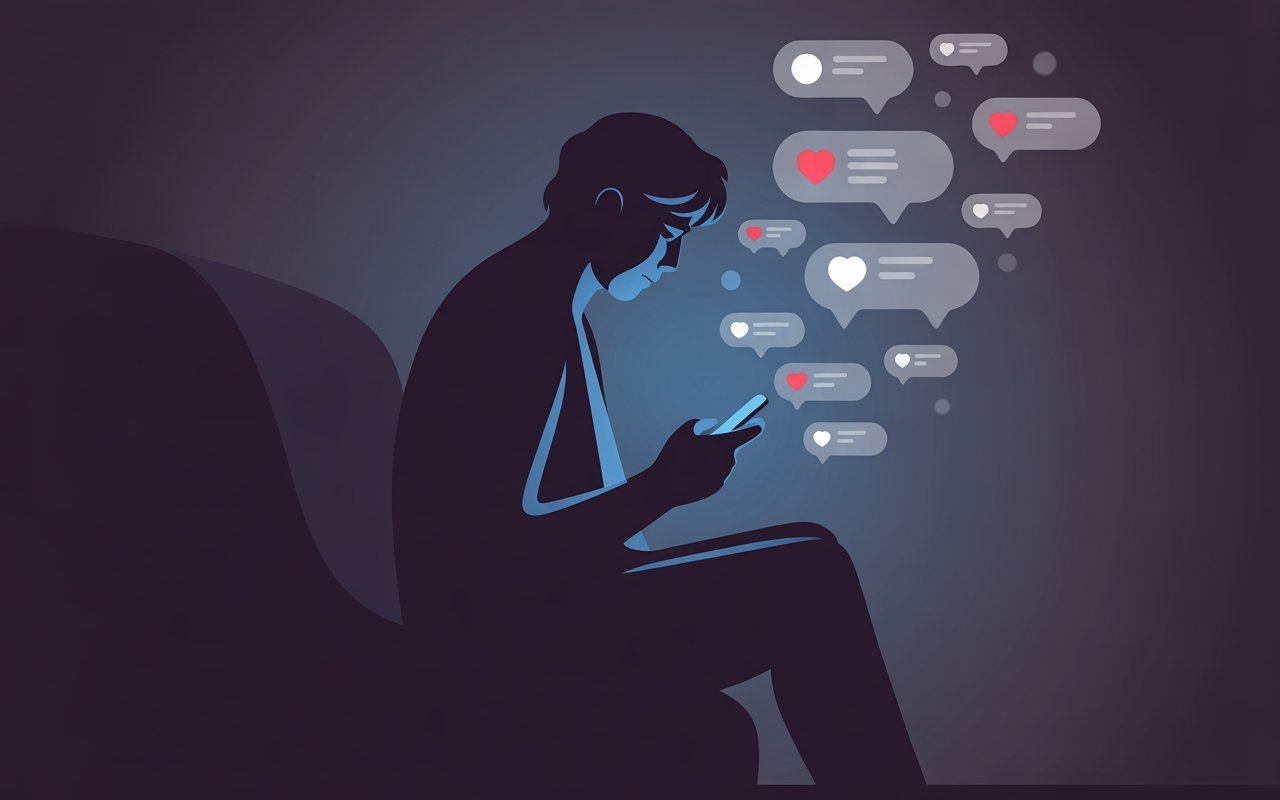
Silent scrollers are social media users who consume content regularly but rarely interact with it publicly. They watch stories, read captions, and view videos without leaving visible footprints like likes or comments.
This doesn’t mean they’re inactive or uninterested. Quite the opposite. Many silent scrollers are deeply engaged mentally. They simply prefer observation over participation. For them, social media is less of a stage and more of a window into other people’s lives.
Some are introverts, some are cautious, and others are simply private by nature. The key trait here is intentional quietness, not absence.
The Observer Mindset: Why Silence Feels Safer
One defining trait of silent scrollers is their observer mindset. They like to take things in before forming opinions. Posting or reacting feels permanent, while scrolling feels temporary and safe.
Think about it: a comment can be misunderstood, screenshotted, or judged. Scrolling, on the other hand, is like walking through a library. You’re allowed to read without announcing your thoughts out loud.
This preference often comes from a desire to avoid conflict, judgment, or online drama. Silent scrollers value peace over visibility.
Privacy Awareness and Digital Caution
Another strong trait is heightened privacy awareness. Silent scrollers often understand how public online spaces really are. They’re careful about what they share and how they present themselves.
They may ask themselves:
-
“Do I really want this out there forever?”
-
“Who might see this post?”
-
“Could this be misinterpreted?”
Because of these questions, they choose silence. Not because they have nothing to say, but because they’re selective about saying it publicly.
Emotional Sensitivity and Empathy
Many silent scrollers are emotionally sensitive and empathetic. They feel deeply but express quietly. When they see a heartfelt post or a tough story, they may feel moved—even if they don’t comment.
Behind the scenes, they might send private messages, reflect on their own lives, or simply sit with the emotion. Their engagement is internal, not performative.
In a way, silent scrollers are like people who clap quietly but mean it sincerely.
Information Seekers, Not Attention Seekers
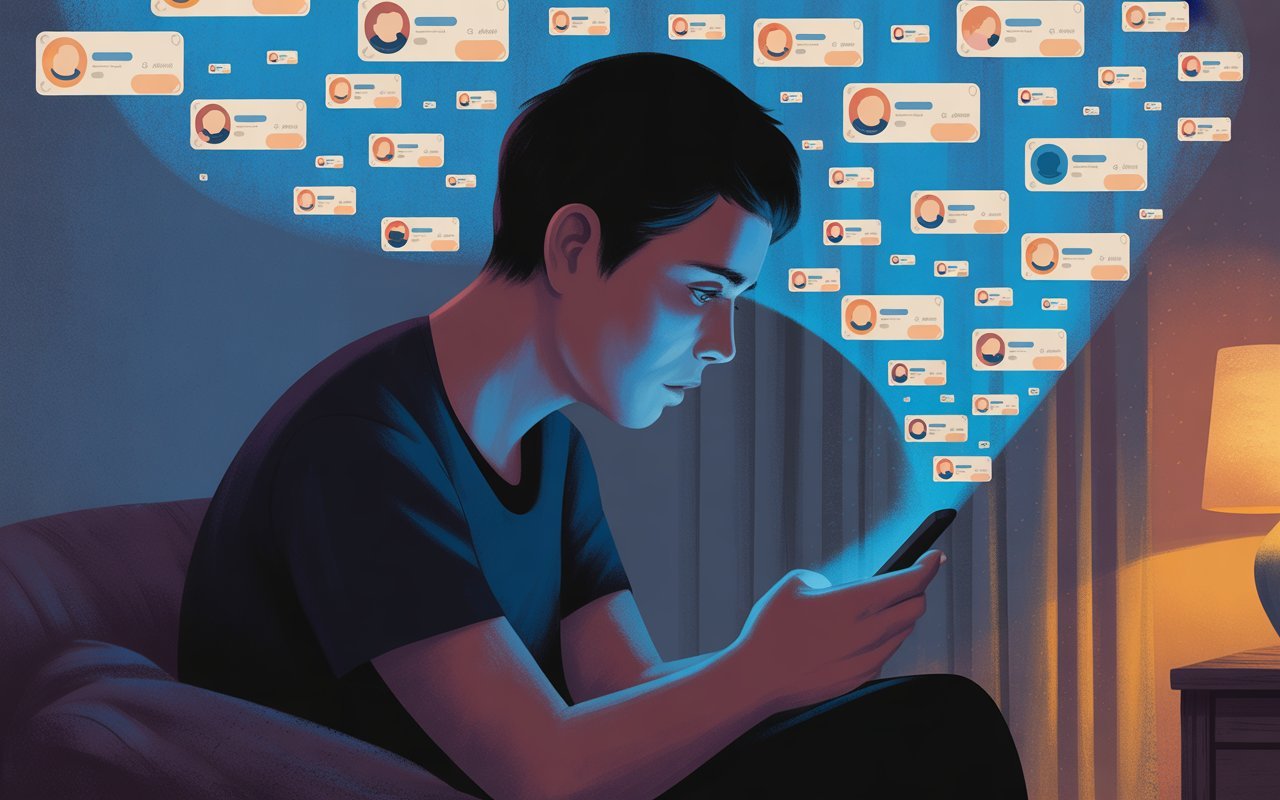 While some users log in to be seen, silent scrollers log in to learn, relax, or escape. They enjoy gathering ideas, trends, and inspiration without needing validation.
You’ll often find them:
-
Saving posts instead of liking
-
Screenshotting helpful tips
-
Following educational or creative accounts
-
Watching long-form content silently
For them, social media works like a personal magazine—curated, quiet, and useful.
Fear of Judgment and Online Backlash
Let’s be honest: the internet can be harsh. Silent scrollers are often very aware of this. One wrong word can turn into a misunderstanding, or worse, criticism.
This doesn’t mean they’re insecure. It means they’re aware of how fast online conversations can spiral. Silence becomes a form of self-protection.
They’d rather avoid unnecessary stress than jump into debates or trends that feel overwhelming.
Strong Internal Opinions, Minimal External Expression
A common myth is that silent scrollers have no opinions. In reality, they often have very strong ones. They just don’t feel the need to broadcast them.
They reflect first. They analyze. They form conclusions privately. Posting every thought doesn’t appeal to them because they value depth over noise.
You could say they’re thinkers first, posters second—or never.
Platform Fatigue and Content Overload
Another trait worth noting is digital fatigue. Many silent scrollers once interacted more actively but pulled back over time.
Why?
-
Too many ads
-
Too much negativity
-
Repetitive trends
-
Pressure to perform
Scrolling silently becomes a way to stay connected without being drained. It’s like attending a party but standing near the snack table instead of dancing all night.
Social Comparison—Handled Quietly
Silent scrollers do compare themselves to others, just like everyone else. The difference is how they handle it.
Instead of reacting outwardly, they process inwardly. Sometimes this leads to motivation, sometimes to self-reflection. They may use what they see as benchmarks for personal growth rather than sources of envy.
Because they don’t comment or react, their internal emotional work often goes unseen.
Loyal Followers, Hidden Supporters
Here’s something content creators often overlook: silent scrollers are incredibly loyal. They may never comment, but they keep coming back.
They remember posts.
They recognize usernames.
They follow journeys quietly.
Some even support creators off-platform—through word-of-mouth, recommendations, or purchases. Their silence doesn’t equal indifference; it equals quiet support.
The Role of Silent Scrollers in Online Culture
Without silent scrollers, social platforms wouldn’t function the way they do. Views, watch time, and reach are all influenced by them.
They shape algorithms quietly.
They decide what stays relevant.
They influence trends just by watching.
In many ways, they’re the backbone of online spaces—present, attentive, and essential.
Are Silent Scrollers Changing How Social Media Works?
Absolutely. Platforms are slowly adapting by focusing more on views, saves, and watch time rather than just likes and comments.
This shift recognizes a simple truth: not all engagement is loud. Silent scrollers are proof that attention doesn’t always need applause.
Their behavior is pushing social media toward a more inclusive understanding of participation.
Conclusion: Silence Is Still Participation
Silent scrollers aren’t disengaged, rude, or uninterested. They’re thoughtful, cautious, and intentional. Their quiet presence reminds us that not everyone wants to be heard to feel involved.
In a world obsessed with visibility, silent scrollers show us another way to exist online—one that values observation, privacy, and inner response. Sometimes, the quietest people in the room are paying the closest attention.
Frequently Asked Questions
Why do people scroll on social media without liking or commenting?
Many people prefer observing over interacting due to privacy concerns, emotional sensitivity, or fear of judgment.
Are silent scrollers less engaged than active users?
Not at all. Their engagement is internal and consistent, even if it’s not publicly visible.
Do silent scrollers affect social media algorithms?
Yes, through views, watch time, and content retention, which heavily influence platform algorithms.
Is being a silent scroller a bad habit?
No. It’s simply a different way of using social media that prioritizes comfort and mental peace.
Can silent scrollers still support content creators?
Absolutely. They often support creators through saving content, sharing privately, or engaging off-platform.
