


Introduction
Have you ever been driving peacefully when suddenly a small warning light pops up on your dashboard? It looks like a horseshoe with an exclamation mark in the middle—and instantly, you wonder: What does that even mean?
That little symbol is part of your car’s TPMS meaning, and understanding it can save you from unsafe driving, unexpected breakdowns, and costly repairs.
Think of it as your car quietly alerting you, “Something isn’t quite right with your tires—take a look before it becomes a bigger problem.”In this guide, we’ll break everything down in simple, everyday language so you can feel confident the next time that light turns on.
1. What Does TPMS Mean?
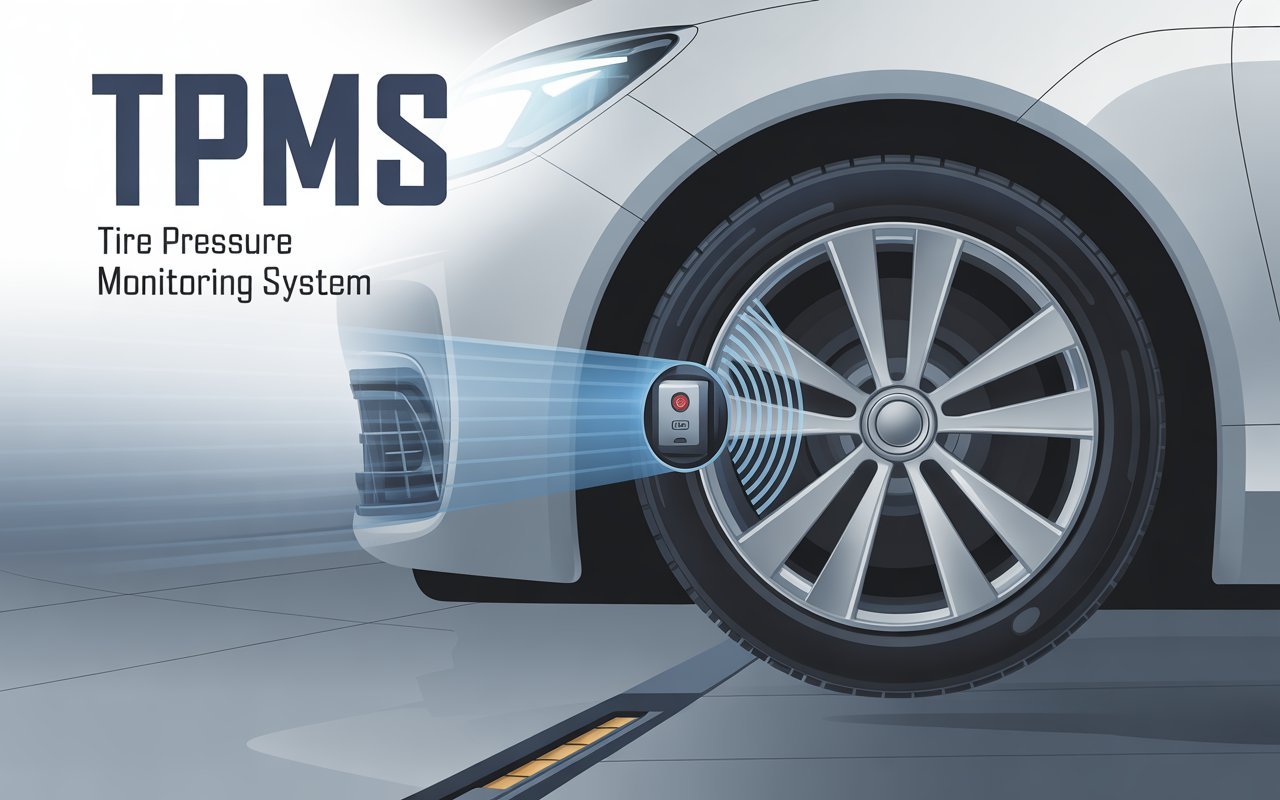
TPMS stands for Tire Pressure Monitoring System.
It’s a built-in safety feature in modern vehicles that keeps track of your tire pressure and alerts you when it drops below a safe level.
Imagine your tires as the “feet” of your car. If your feet are injured, walking becomes difficult, right? The same goes for your vehicle—low tire pressure affects performance, safety, and fuel efficiency.
2. Why TPMS Is Important for Drivers
Safety comes first.
Driving with underinflated tires increases the risk of accidents. Tires may overheat, wear unevenly, or even burst on the road.
Better fuel efficiency.
Low pressure means more resistance, which forces your engine to work harder and consume more fuel.
Longer tire life.
Proper pressure helps your tires last longer, saving you money in the long run.
3. How TPMS Works
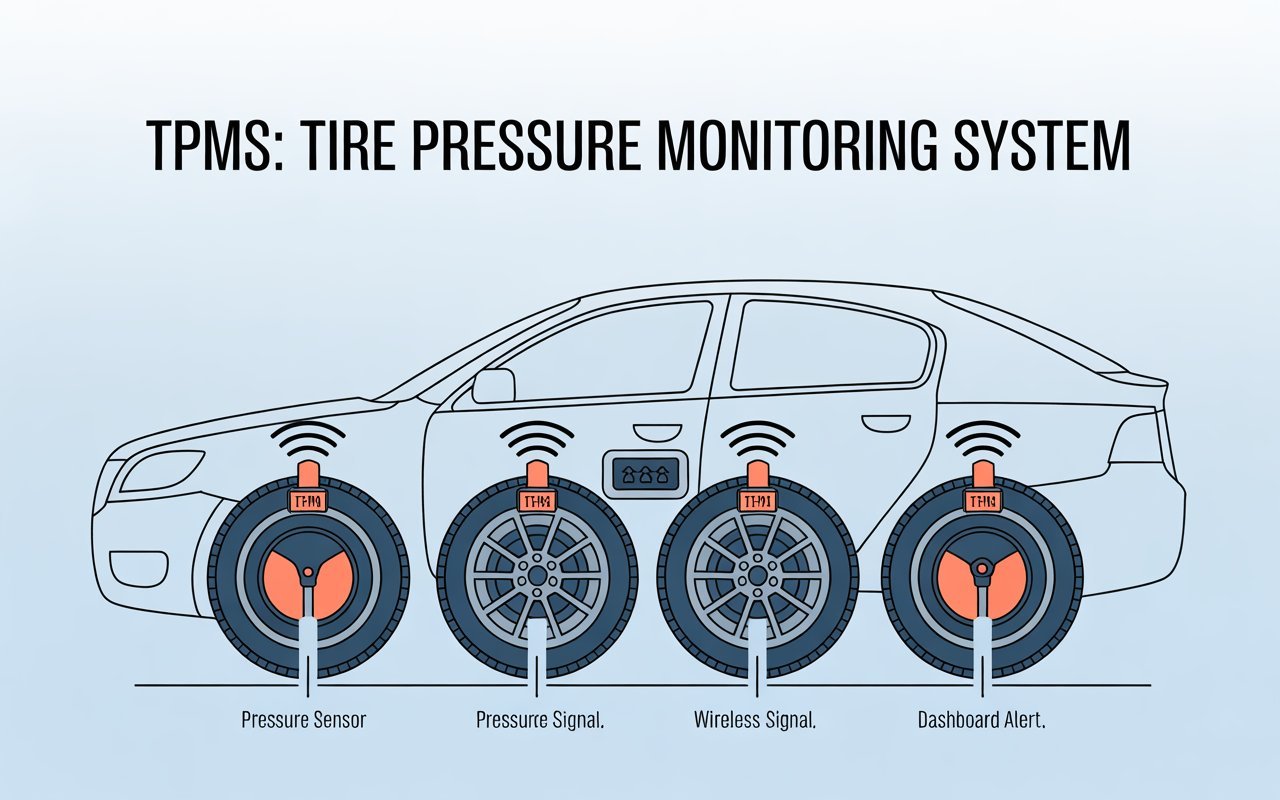
The system constantly checks the air pressure in your tires. When it detects a drop below the recommended level, it triggers a warning light on your dashboard.
Simple analogy:
Think of TPMS like a health tracker for your tires. Just as a smartwatch alerts you when your heart rate is off, TPMS alerts you when tire pressure isn’t right.
4. Types of TPMS Systems
Direct TPMS
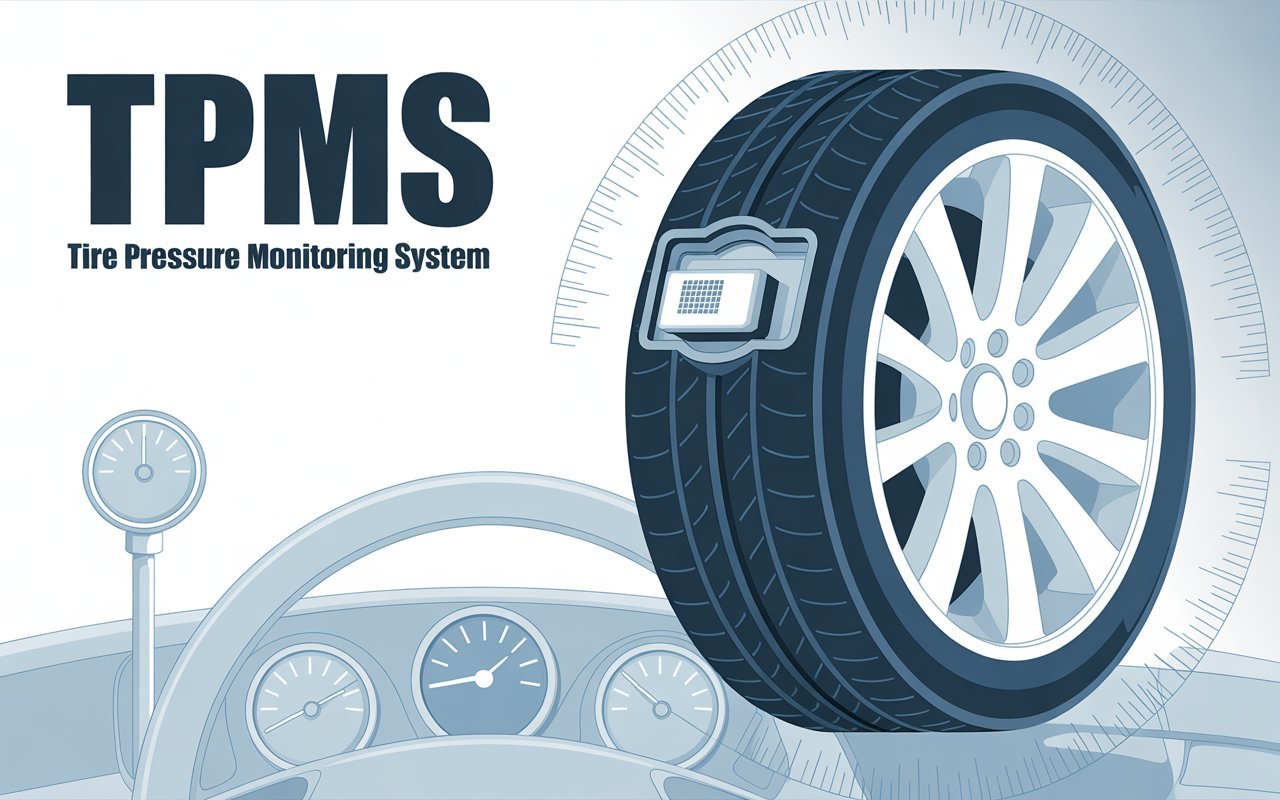
This system uses sensors inside each tire to measure pressure directly.
- Provides accurate readings
- Displays real-time pressure levels
Indirect TPMS
This system uses wheel speed sensors to estimate pressure.
- Less expensive
- Slightly less accurate
Both systems serve the same purpose but operate differently.
5. Understanding the TPMS Warning Light
The warning light looks like a horseshoe-shaped icon with an exclamation mark.
When it turns on, it usually means:
- One or more tires are underinflated
- There’s a sudden pressure loss
Sometimes, the light may flash first, indicating a system error rather than a pressure issue.
6. Common Reasons the TPMS Light Turns On
Low tire pressure
This is the most common cause, often due to temperature changes or slow leaks.
Weather changes
Cold weather can reduce tire pressure naturally.
Tire damage
Punctures or worn-out tires can trigger the warning.
Faulty sensors
Sometimes, the issue lies in the system itself.
7. How to Check Tire Pressure Correctly
Checking your tire pressure is simpler than you might expect.
Step-by-step guide:
- Use a reliable pressure gauge
- Check when tires are cold
- Compare readings with your car’s recommended PSI
- Inflate or deflate as needed
You can usually find the recommended tire pressure listed on a sticker inside the driver’s door frame.
8. What to Do When TPMS Light Comes On
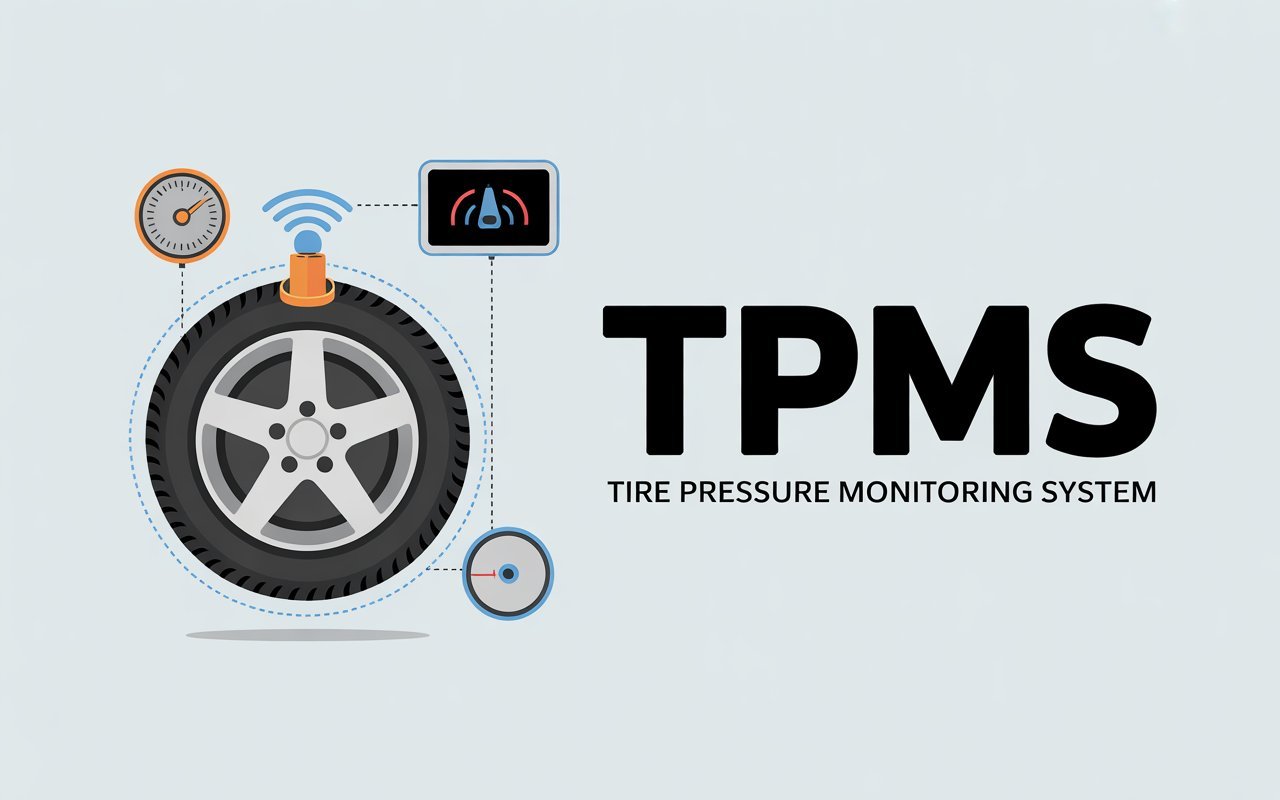
Don’t panic—but don’t ignore it either.
Here’s what you should do:
- Pull over safely
- Inspect your tires visually
- Check pressure using a gauge
- Inflate tires if needed
If the light stays on after adjusting pressure, it might be a sensor issue.
9. Can You Drive With TPMS Light On?
Technically, yes—but it’s not recommended.
Driving with low tire pressure can result in a range of safety and performance issues, including:
- Reduced control
- Increased braking distance
- Higher risk of tire failure
It’s like driving with a warning from your body—you can ignore it, but it might cost you later.
10. TPMS Maintenance Tips
Keep your system working smoothly with these tips:
- Check tire pressure monthly
- Replace damaged sensors promptly
- Rotate tires regularly
- Avoid overinflation
Regular care ensures your TPMS remains reliable.
11. TPMS Reset: When and How
After adjusting tire pressure, your system may need a reset.
How to reset TPMS:
- Use the reset button (usually under the dashboard)
- Drive for a few minutes to recalibrate
- Follow your vehicle’s manual instructions
Each car model may have a slightly different method.
12. Benefits of a Properly Working TPMS
Peace of mind
You’ll always know your tires are in good condition.
Improved fuel economy
Proper pressure reduces fuel consumption.
Enhanced safety
Lower risk of accidents and blowouts.
Cost savings
Less wear and fewer repairs over time.
13. Common Myths About TPMS
“TPMS replaces manual checks.”
No—it’s a helper, not a replacement.
“The light only means a flat tire.”
Not always—it could be minor pressure loss.
“You can ignore it if the car feels fine.”
Dangerous assumption. Issues may not be immediately noticeable.
Conclusion
Understanding TPMS meaning isn’t just about decoding a dashboard symbol—it’s about staying safe on the road.
Your car is constantly communicating with you, and TPMS is one of its most helpful signals. By paying attention to it and taking quick action, you can avoid bigger problems down the line.
So the next time that little light appears, you’ll know exactly what to do—and that confidence makes every drive smoother and safer.
FAQs
1. What does TPMS mean in a car?
TPMS stands for Tire Pressure Monitoring System, which alerts you when your tire pressure is too low.
2. Why does my TPMS light turn on in cold weather?
Cold air causes tire pressure to drop, which can trigger the warning light even if there’s no damage.
3. How do I turn off the TPMS light?
After inflating your tires to the correct pressure, you may need to reset the system using your car’s reset button or by driving for a short time.
4. Is it safe to ignore the TPMS warning light?
No, ignoring it can lead to unsafe driving conditions, reduced tire life, and possible tire failure.
5. How often should I check my tire pressure?
It’s recommended to check at least once a month and before long trips for optimal safety and performance.
