


Introduction
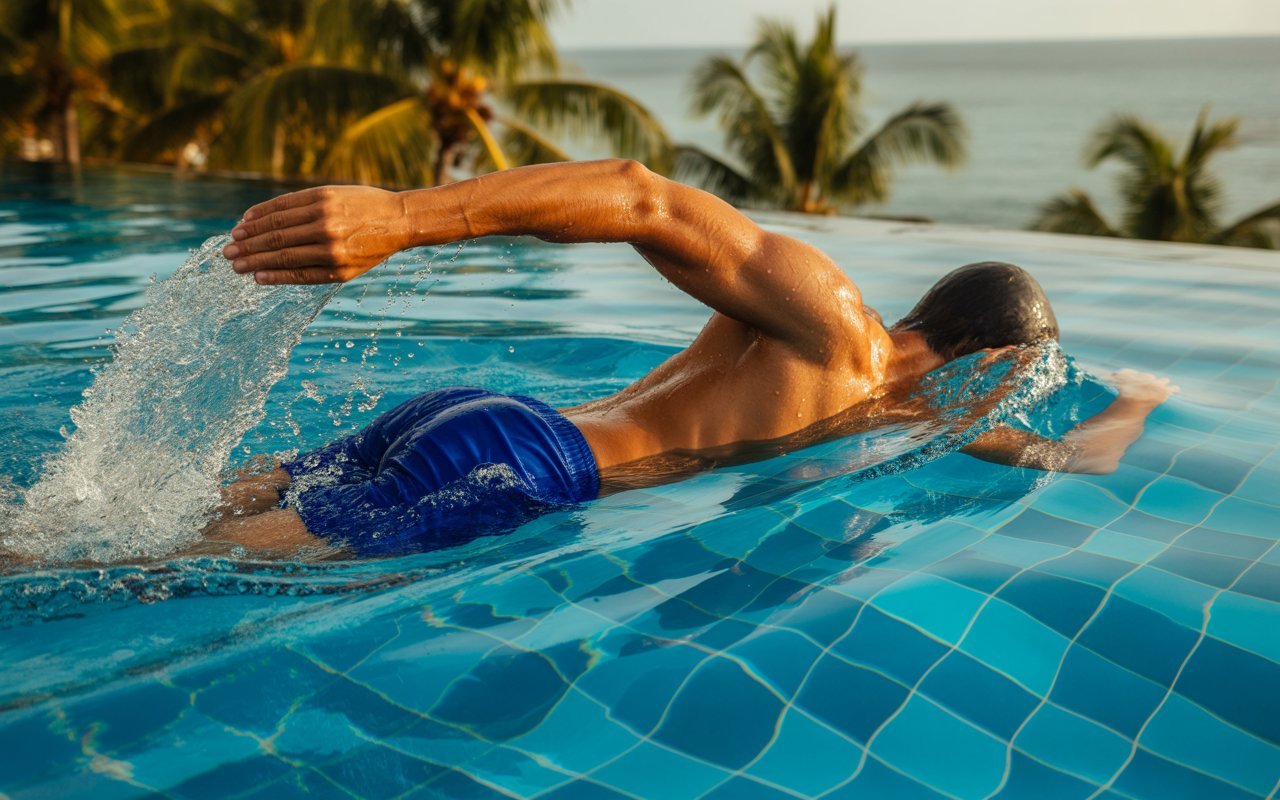
Swimming is one of the most refreshing and enjoyable activities you can do. Whether you’re jumping into a pool on a hot afternoon, relaxing at the beach, or spending time at a water park, the right clothing can make a big difference in how comfortable you feel. Many people wonder if it’s okay to swim with shorts instead of traditional swimwear. The short answer? Yes, you can—but there are a few things you should know.
Think of swimming attire like choosing the right shoes for a long walk. Sure, you could walk miles in flip-flops, but the right sneakers make the experience much easier and more comfortable. The same idea applies when deciding whether regular shorts are suitable for the water.
In this guide, we’ll explore everything you need to know about wearing shorts while swimming, including comfort, safety, materials, style tips, and when it might be a good idea—or not.
Why People Choose to Swim With Shorts
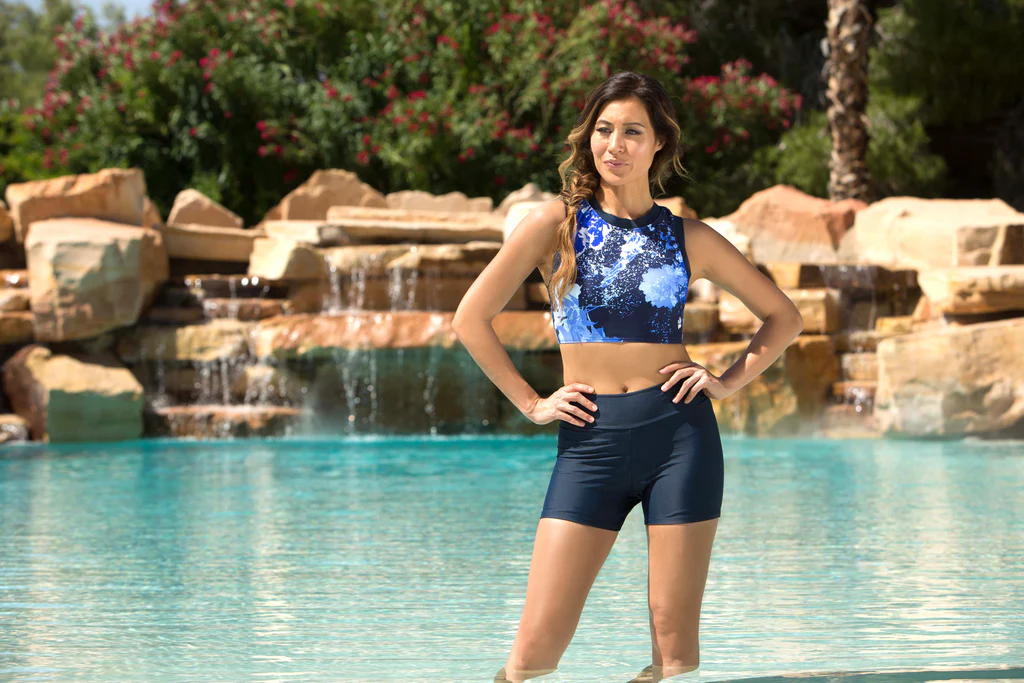
Many swimmers prefer wearing shorts rather than traditional swimwear. The reasons can vary from comfort to personal preference.
Casual comfort
Some people simply feel more relaxed in shorts. If you’re spending a whole day by the water—playing volleyball, walking on the sand, or grabbing snacks—shorts can be more versatile.
Extra coverage
For many individuals, shorts offer a sense of modesty and confidence. Not everyone feels comfortable wearing tight or revealing swimwear.
Convenience
Imagine going to the beach with friends. Instead of changing outfits multiple times, you might just wear a pair of shorts that works both in and out of the water.
Types of Shorts You Can Wear in Water
Not all shorts are created equal when it comes to swimming.
Swim Shorts
These are specifically designed for water use. They are lightweight, quick-drying, and often include a mesh lining for comfort.
Board Shorts
Popular among surfers, board shorts are longer and durable. They provide flexibility and are ideal for active water sports.
Athletic Shorts
Some athletic shorts can work in water, especially if they are made from polyester or similar quick-dry materials.
Casual Cotton Shorts
While technically you can swim in them, they are not ideal. Cotton absorbs water and becomes heavy.
Differences Between Swim Shorts and Regular Shorts
At first glance, swim shorts and regular shorts may look similar. However, there are key differences.
Fabric technology
Swim shorts are made from synthetic fabrics that repel water and dry quickly.
Built-in lining
Many swim shorts include a mesh lining that replaces underwear and provides support.
Water resistance
Regular shorts can become soaked and uncomfortable, while swim shorts maintain their shape.
Fabric Matters: Choosing the Right Material
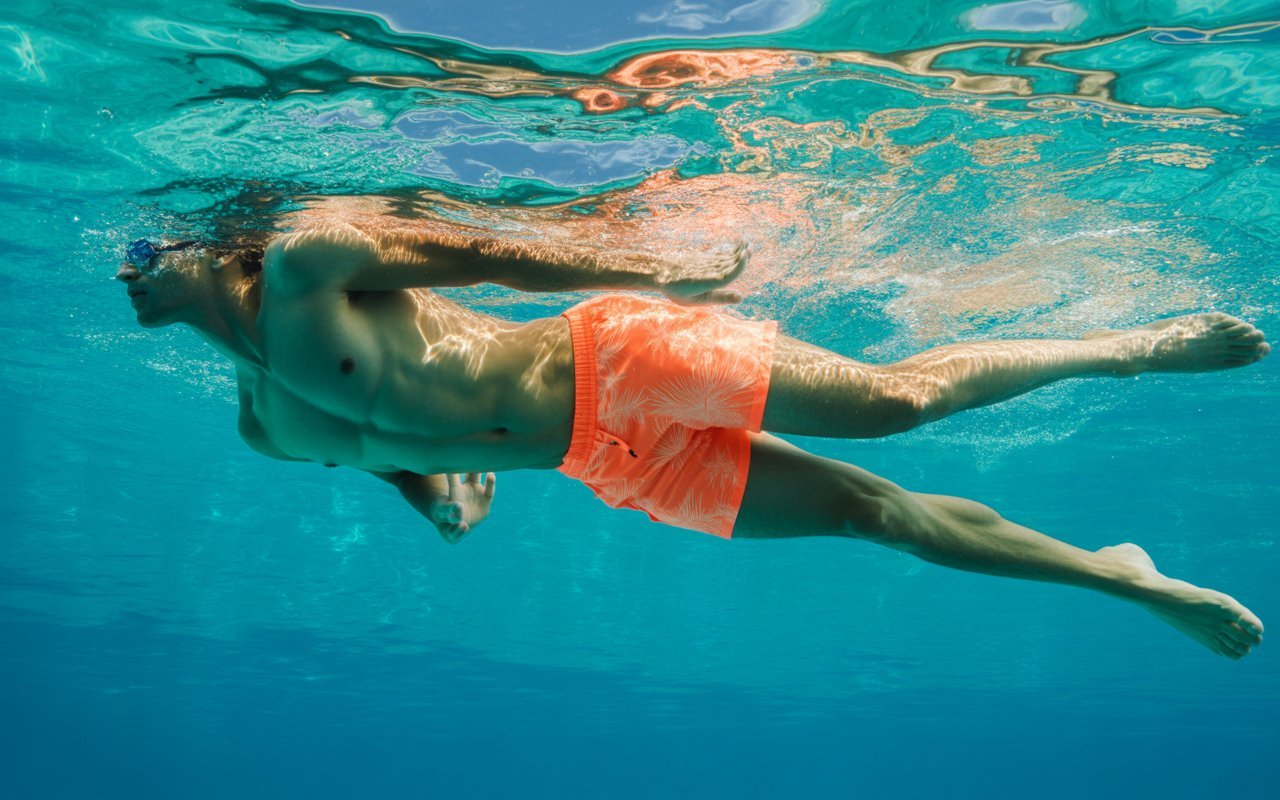
The material of your shorts plays a big role in your swimming experience.
Polyester
One of the best fabrics for water activities. It is durable, lightweight, and dries quickly.
Nylon
Another great choice. Nylon is smooth, flexible, and resistant to water damage.
Cotton
Cotton feels soft but absorbs a lot of water. This can make swimming harder and less comfortable.
If swimming is a regular activity for you, investing in shorts made from polyester or nylon can make a huge difference.
Comfort and Mobility While Swimming
Swimming requires movement. If your shorts restrict that movement, it can become frustrating.
Lightweight design
Shorts designed for water are lighter and allow easier leg movement.
Proper fit
Shorts that are too tight can limit mobility, while overly loose ones may drag in the water.
Stretch fabric
Some modern swim shorts include stretch materials that adapt to your body as you move.
Think of it like trying to run in heavy jeans versus lightweight sportswear—the difference is noticeable.
Safety Considerations When Wearing Shorts
Safety should always come first when you’re in the water.
Water resistance
Heavy fabrics can slow you down while swimming.
Loose pockets
Pockets may trap water and create drag, making swimming more difficult.
Secure waistbands
Drawstrings or elastic waistbands help keep shorts in place while moving through water.
If you plan on swimming long distances, proper swimwear is generally safer.
Shorts for Pools vs Beaches
The location of your swim also matters.
Swimming Pools
Some public pools have rules about clothing. Regular shorts might not be allowed because they can bring dirt or bacteria into the water.
Beaches
Beaches are much more relaxed when it comes to clothing. You’ll see people wearing board shorts, athletic shorts, and even casual styles.
Water Parks
Water parks often allow swim shorts but may restrict heavy fabrics like denim.
Checking the rules beforehand can save you from surprises.
Style and Fashion Trends
Swimming clothing has evolved a lot over the years.
Modern designs
Today’s swim shorts come in many colors, patterns, and lengths.
Minimalist styles
Simple solid colors remain popular for a clean and classic look.
Bold prints
Tropical patterns and bright colors add personality and fun.
Your swim shorts can reflect your personal style just like any other clothing.
Hygiene and Pool Rules
Cleanliness is a key reason why some facilities regulate swim clothing.
Dedicated swimwear
Using shorts that are only for swimming helps maintain pool hygiene.
Avoid street clothes
Clothes worn outside can carry dust, sweat, and bacteria.
Rinse before swimming
Many pools require a quick shower before entering the water.
These small habits help keep the water clean for everyone.
Tips for Swimming Comfortably With Shorts
If you decide to swim with shorts, a few simple tips can make the experience much better.
Choose lightweight materials
Quick-dry fabrics prevent heaviness in the water.
Avoid large pockets
They can collect water and slow you down.
Use proper fit
Comfortable waistbands ensure your shorts stay in place.
Bring a spare pair
Dry shorts after swimming can make the rest of your day more comfortable.
Caring for Your Shorts After Swimming
Proper care can extend the life of your swim shorts.
Rinse with fresh water
Saltwater and chlorine can damage fabric over time.
Air dry
High heat from dryers can weaken elastic and fabric fibers.
Wash regularly
Cleaning removes chemicals, sand, and bacteria.
Treat your swim shorts well, and they’ll last for many summers.
When Shorts Might Not Be the Best Choice
Although shorts can work well for swimming, they’re not always ideal.
Competitive swimming
Athletes usually wear specialized swimwear designed for speed and performance.
Long-distance swimming
Lightweight suits reduce drag and improve efficiency.
Cold water conditions
Some environments require wetsuits for warmth and protection.
In these situations, proper swim gear is a better option.
Conclusion
Swimming with shorts is completely possible and often comfortable, especially for casual activities at the beach or pool. Many people choose shorts for convenience, coverage, and style. However, the type of shorts you wear matters a lot. Lightweight materials like polyester and nylon perform much better in water than cotton or denim.
Think of swimwear as a tool designed for the environment—just like hiking boots for trails or running shoes for jogging. The right pair of shorts can make your time in the water enjoyable, while the wrong pair might leave you feeling heavy and uncomfortable.
By choosing the right fabric, ensuring a proper fit, and following basic hygiene and safety tips, you can enjoy swimming while wearing shorts without any issues.
FAQs
1. Can you swim with regular shorts?
Yes, you can swim with regular shorts, but they may become heavy when wet. Swim-specific shorts are usually more comfortable and practical.
2. Are cotton shorts good for swimming?
Cotton shorts are not ideal because they absorb water and take a long time to dry.
3. Are swim shorts required in public pools?
Some pools require proper swimwear for hygiene reasons, so it’s best to check the facility’s rules.
4. Do swim shorts make swimming harder?
If they are heavy or loose, they can create drag in the water. Lightweight swim shorts reduce this problem.
5. What is the best material for swim shorts?
Polyester and nylon are the best choices because they dry quickly and remain lightweight in water.
