


Introduction
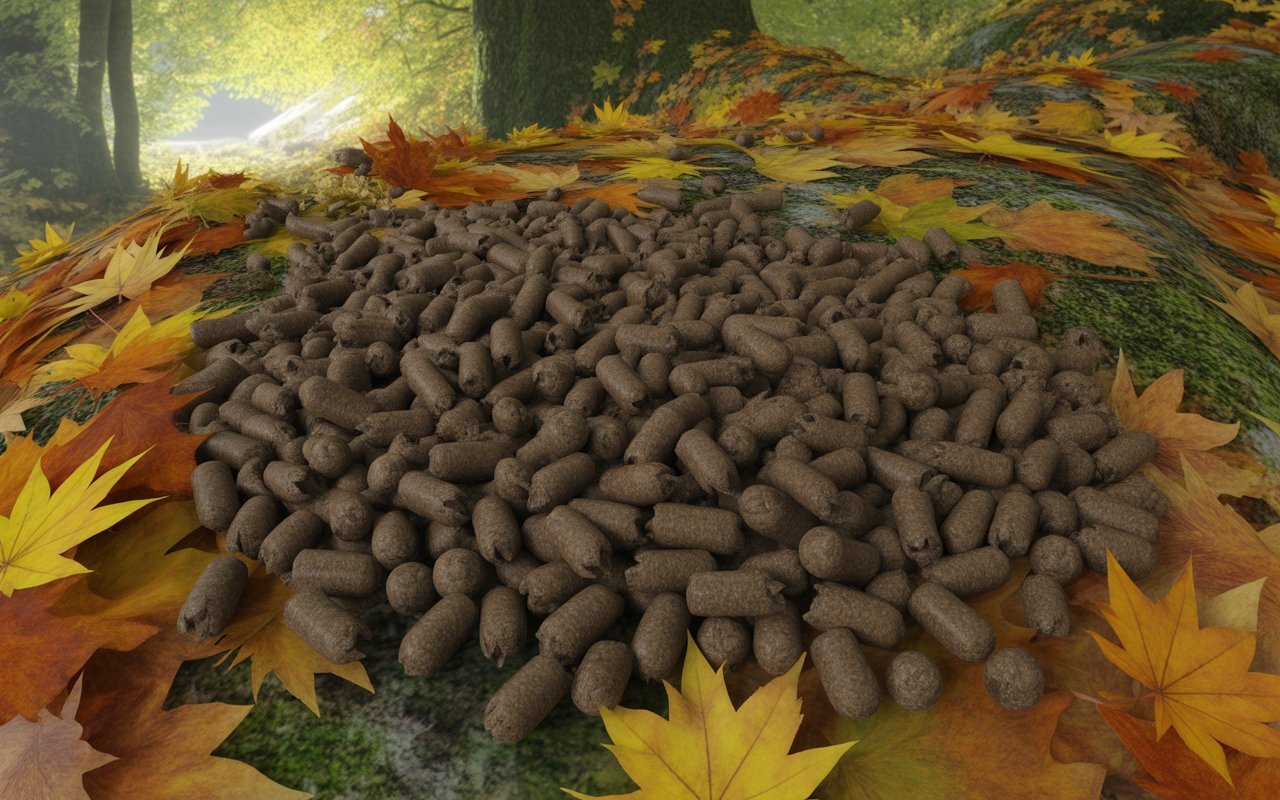
If you’ve ever walked into your attic, stepped onto your porch, or cleaned out a garage and noticed small, dark pellets scattered around, you might have paused and wondered: What animal left this behind? More often than not, the answer is squirrels.
While it’s not the most glamorous topic, understanding squirrel poop can actually tell you a lot about your home, your health, and the wildlife around you. Think of it like nature’s tiny calling card. Those little droppings are clues — silent messages about nesting, feeding habits, and possible problems lurking above your ceiling.
In this guide, we’ll explore what squirrel droppings look like, how to identify them, whether they pose health risks, how to clean them safely, and what you can do to prevent future messes. Let’s dive in.
What Does Squirrel Poop Look Like?
Before you panic, it helps to know what you’re actually dealing with.
Size and Shape
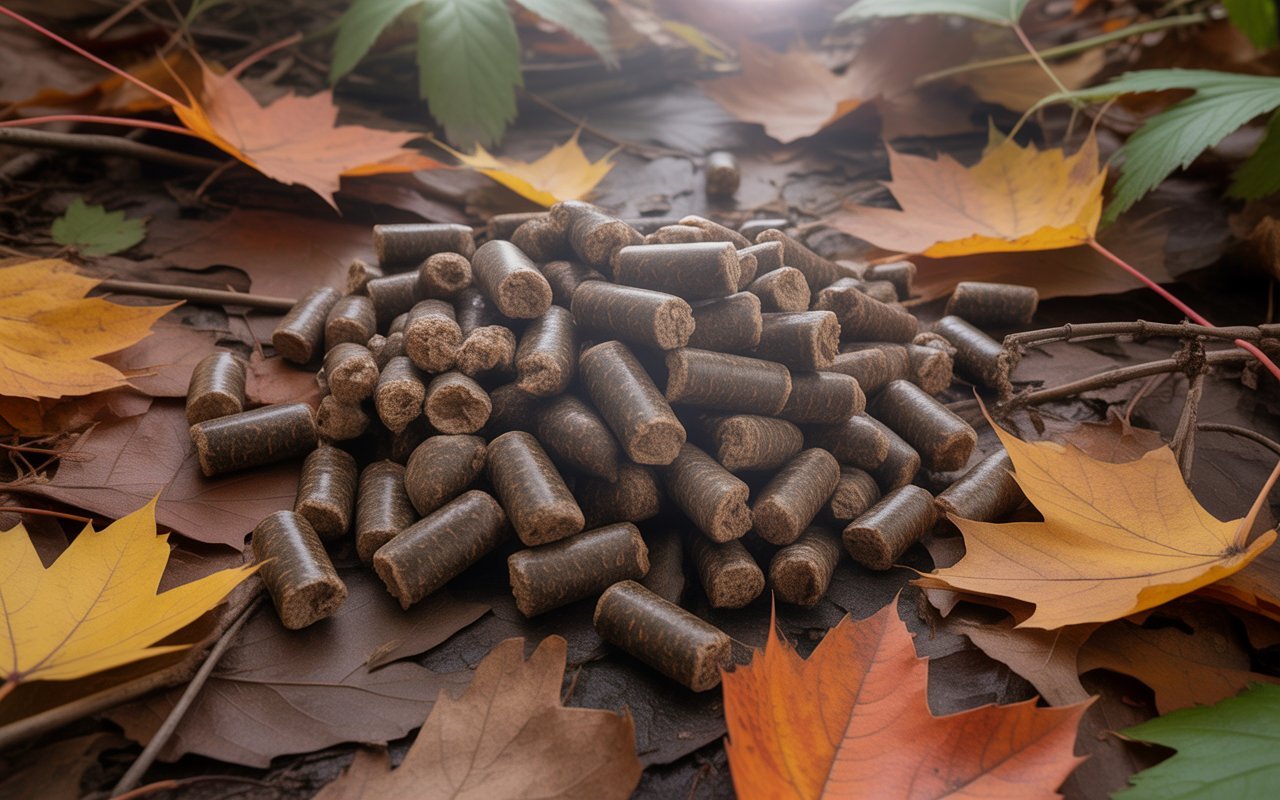
Squirrel droppings are small, oval-shaped pellets. They’re usually about ¼ to ½ inch long. Think of something slightly smaller than a raisin but more uniform in shape.
Color and Texture
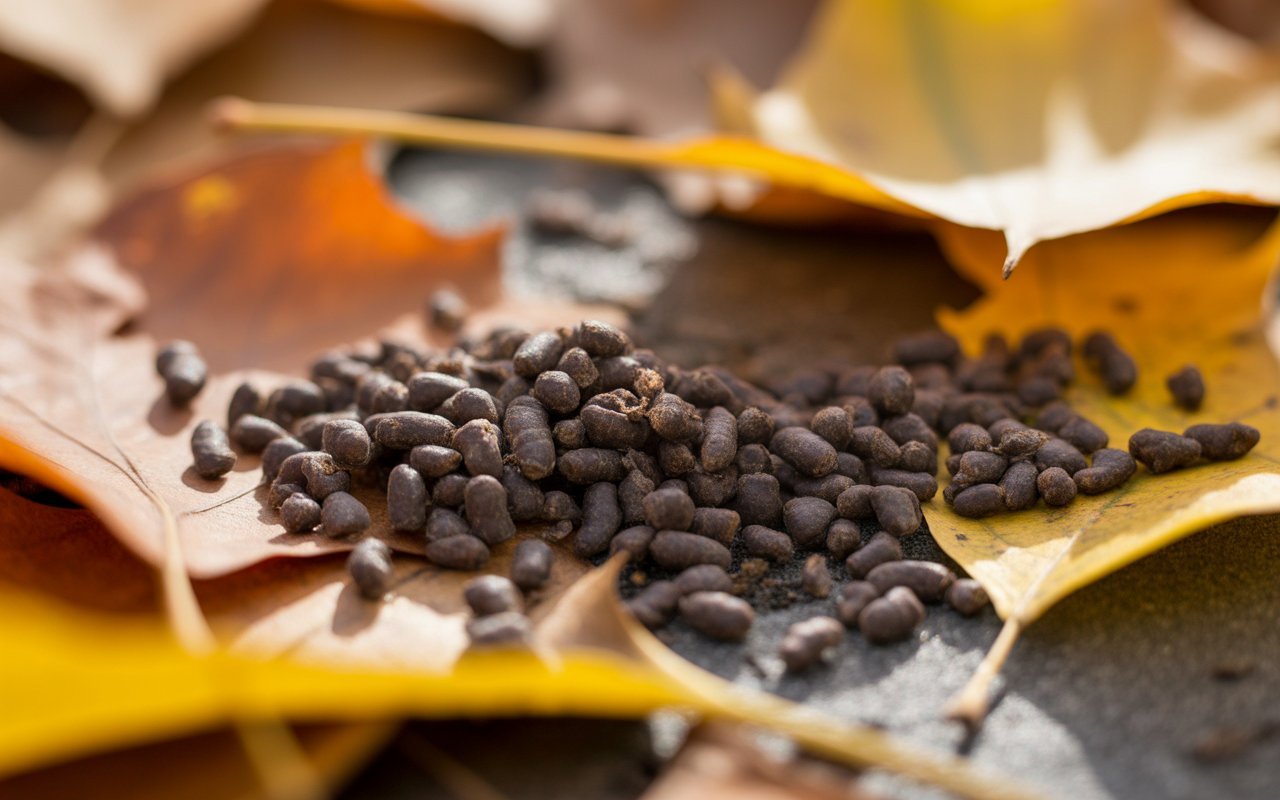
Fresh droppings tend to be dark brown or almost black and slightly shiny. As they age, they become lighter in color and dry out. Older pellets often look grayish and crumbly.
Location Patterns
Unlike some rodents that scatter waste everywhere, squirrels often leave droppings near entry points or nesting areas — especially in attics, wall cavities, garages, sheds, or under decks.
If you’re seeing lots of pellets in one concentrated area, that’s a strong sign of regular activity.
How to Tell Squirrel Droppings Apart from Other Animals
It’s easy to confuse squirrel waste with that of rats, mice, or even bats. So how do you tell the difference?
Squirrel vs. Rat
Rat droppings are often larger and more cylindrical, with blunt ends. They may also appear slightly moist if the infestation is active.
Squirrel vs. Mouse
Mouse pellets are much smaller — more like grains of rice. If it’s tiny and scattered, think mouse.
Squirrel vs. Bat
Bat guano crumbles easily into powder and often contains insect remains. It tends to be found in piles beneath roosting areas.
If you’re unsure, consider the location. Squirrels are active during the daytime and often nest in attics or tree branches, while bats are nocturnal and hang upside down in darker spaces.
Where You’re Most Likely to Find It
Squirrels are surprisingly adaptable. You might spot droppings in:
-
Attics
-
Garages
-
Chimneys
-
Storage sheds
-
Eaves and rafters
-
Around bird feeders
If your home is near trees, especially oak or walnut trees, you’re more likely to host these bushy-tailed visitors.
Attics are especially attractive because they provide warmth, safety from predators, and a quiet place to build nests.
Why Squirrels Leave Droppings Indoors
You might wonder, Why are they inside at all?
Squirrels enter buildings primarily for shelter and nesting. During colder months or breeding seasons, they look for warm, protected spots. Your attic can feel like a luxury condo compared to a tree hollow.
Once inside, they:
-
Build nests out of insulation and debris
-
Store food like nuts and seeds
-
Leave urine and feces behind
It’s not intentional vandalism — it’s just survival behavior.
Health Risks You Should Know About
Now let’s talk about what really concerns most homeowners: health.
Bacteria and Germs
Squirrel droppings can carry bacteria such as Salmonella. If accidentally ingested or inhaled, these can cause illness.
Parasites
Fleas, ticks, and mites sometimes accompany squirrels. Even after the animal leaves, parasites may remain.
Respiratory Concerns
Dried droppings can break into tiny particles when disturbed. Inhaling dust contaminated with feces may cause respiratory irritation.
While squirrels are less commonly linked to severe diseases than some other wildlife, it’s still important to treat their waste seriously.
Signs of a Larger Infestation
Finding one or two pellets doesn’t always mean disaster. But multiple indicators can point to a bigger issue.
Noise During the Day
Squirrels are active in daylight. Scratching, scampering, or rolling sounds above the ceiling are strong clues.
Chewing Marks
They have powerful teeth and often gnaw on wood, electrical wires, or insulation.
Nesting Material
Shredded paper, leaves, or clumps of insulation in corners could signal nesting activity.
If droppings appear alongside these signs, it’s time to act.
How to Clean Squirrel Droppings Safely
Cleaning improperly can spread contamination. Here’s how to do it safely.
Step 1: Wear Protective Gear
Use disposable gloves, a mask, and ideally protective eyewear.
Step 2: Avoid Sweeping or Vacuuming Dry Waste
This can release particles into the air. Instead, lightly spray the area with disinfectant or a water-and-bleach solution first.
Step 3: Carefully Remove the Droppings
Use paper towels or disposable rags and place waste into a sealed plastic bag.
Step 4: Disinfect Thoroughly
Clean the surrounding surfaces to eliminate lingering bacteria.
If the infestation is large, professional wildlife removal services are strongly recommended.
When to Call a Professional
Sometimes DIY isn’t enough.
You should consider expert help if:
-
Droppings are widespread
-
There is visible nesting
-
Damage to wiring or structural materials is present
-
You suspect multiple animals
Professionals not only remove the animals humanely but also identify entry points and seal them to prevent future issues.
Think of it like patching a leaky roof — you don’t just mop the water; you fix the hole.
Preventing Future Problems
Prevention is far easier than cleanup. So what can you do?
Seal Entry Points
Inspect rooflines, vents, and eaves. Small gaps can be covered with metal flashing or hardware cloth.
Trim Tree Branches
Keep branches at least 6–10 feet away from your roof.
Secure Food Sources
Use squirrel-proof bird feeders and avoid leaving pet food outdoors.
Install Chimney Caps
These simple additions prevent entry through flues.
A little maintenance can save you big headaches later.
Environmental and Ecological Perspective
While squirrel waste in your attic is frustrating, it’s worth remembering that these animals play important roles in ecosystems.
They help:
-
Disperse seeds
-
Maintain forest growth
-
Support predator food chains
In natural settings, their droppings contribute nutrients back into soil systems. It’s only when wildlife overlaps with human structures that problems arise.
It’s not about hating squirrels — it’s about maintaining boundaries.
Seasonal Patterns and Behavior
Squirrels tend to invade homes most often in:
-
Late fall (seeking warmth)
-
Early spring (breeding season)
Female squirrels often choose sheltered spots to raise their young. If you’re dealing with droppings during these times, babies could be present.
In such cases, removal must be handled carefully and humanely.
Emotional and Practical Impact on Homeowners
Discovering squirrel droppings can feel unsettling. It’s that sudden awareness that something has been living above you.
There’s also practical stress:
-
Cleaning costs
-
Damage repair
-
Worry about electrical hazards
But remember — this is solvable. With proper inspection, sanitation, and prevention, your home can return to normal quickly.
Knowledge is power. Once you know what to look for and how to respond, the situation becomes manageable rather than overwhelming.
Conclusion
Squirrel poop may not be pleasant to think about, but it’s an important clue when it shows up in or around your home. Those tiny pellets reveal the presence of an active animal that may be nesting, feeding, or seeking shelter nearby.
By learning to identify droppings correctly, understanding potential health risks, cleaning safely, and preventing future access, you can protect both your home and your family. Think of it as reading a trail of breadcrumbs — once you interpret the signs, you regain control.
Wildlife will always exist around us. The key is coexistence without conflict. With awareness and proactive care, your attic can remain yours — not a squirrel’s vacation retreat.
Frequently Asked Questions
1. How can I confirm that the droppings are from squirrels?
Look at size, shape, and location. Medium-sized oval pellets found in attics or near roof entries during daytime activity often indicate squirrels rather than mice or rats.
2. Is squirrel poop dangerous to humans?
It can carry bacteria and parasites. Direct contact or inhalation of dust from dried droppings may pose health risks, so protective cleaning measures are important.
3. Can I vacuum squirrel droppings safely?
It’s not recommended to vacuum dry droppings because it can spread contaminated dust. Always dampen the area with disinfectant before removal.
4. Do squirrel droppings mean there are babies in the attic?
Not necessarily, but droppings found during spring may indicate nesting activity. Additional signs like noise or shredded insulation can confirm breeding presence.
5. How do I permanently stop squirrels from entering my home?
Seal entry points, trim back tree branches, secure food sources, and consider installing chimney caps and protective mesh over vents to prevent access.
