


Introduction
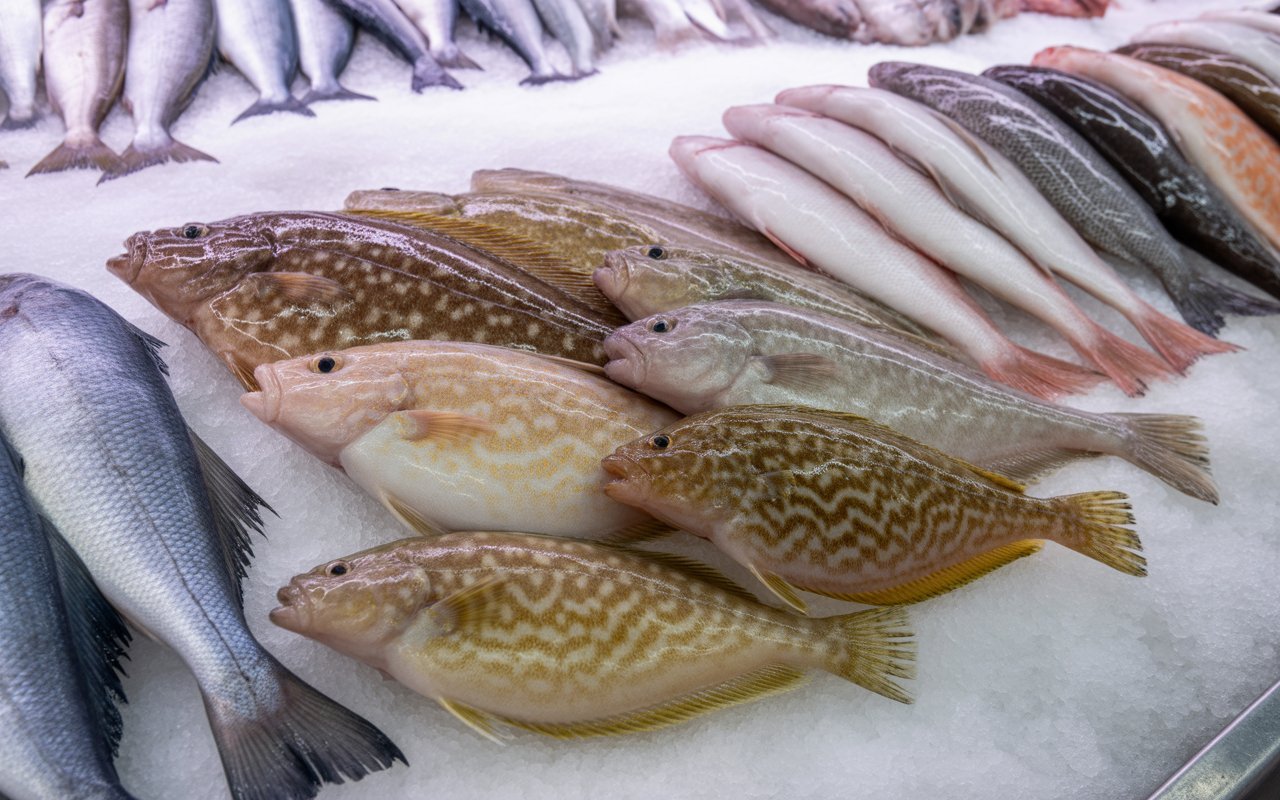
Have you ever come across a fish that’s small, delicate, and surprisingly flavorful? If not, let me introduce you to sand dabs—a hidden gem of the ocean that many seafood lovers swear by. Often overshadowed by more popular fish like salmon or tuna, sand dabs offer a unique taste and texture that feels like a quiet coastal secret waiting to be discovered.
Think of them as the “comfort food” of the sea—simple, satisfying, and incredibly versatile. Whether you’re a curious foodie or someone just looking to try something new, this guide will walk you through everything you need to know in a friendly, easy-to-understand way.
1. What Are Sand Dabs?
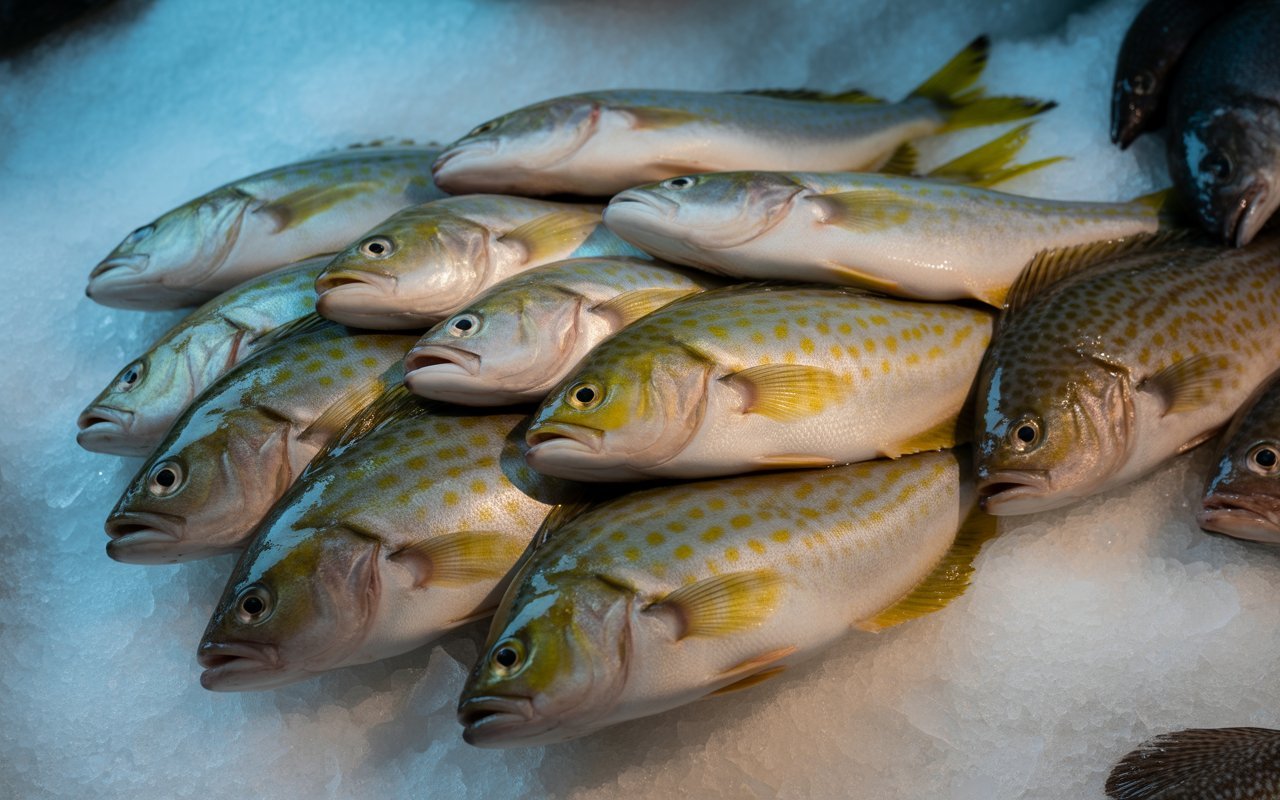
These fish typically live close to the ocean floor, blending into sandy environments to avoid predators. Their size is modest, usually ranging between 5 to 14 inches, but don’t let that fool you—their flavor packs a punch.
2. Where Are Sand Dabs Found?
You’ll mostly find sand dabs along the Pacific coastline, especially in North America. They prefer shallow, sandy ocean floors where they can easily camouflage themselves.
They are commonly caught off the coasts of California, making them a staple in many coastal restaurants there.
3. Types of Sand Dabs
There are several species of sand dabs, but the most common include:
- Pacific Sanddab
- Longfin Sanddab
- Speckled Sanddab
Each type varies slightly in size and appearance, but their taste and cooking methods remain quite similar.
4. What Do Sand Dabs Taste Like?
Let’s talk flavor—because that’s where sand dabs really shine.
They have a mild, slightly sweet taste with a buttery texture. If you’ve ever enjoyed flounder or sole, you’ll feel right at home here.
Imagine biting into something soft and flaky, almost like a delicate pastry—but instead of sweetness, you get a gentle ocean flavor. That’s the magic of sand dabs.
5. Nutritional Value
Sand dabs aren’t just tasty—they’re also good for your health.
Key nutritional benefits include:
- High in protein
- Low in fat
- Rich in omega-3 fatty acids
- Contains essential vitamins like B12 and D
This makes them a great choice if you’re trying to eat healthier without sacrificing flavor.
6. How Sand Dabs Are Caught
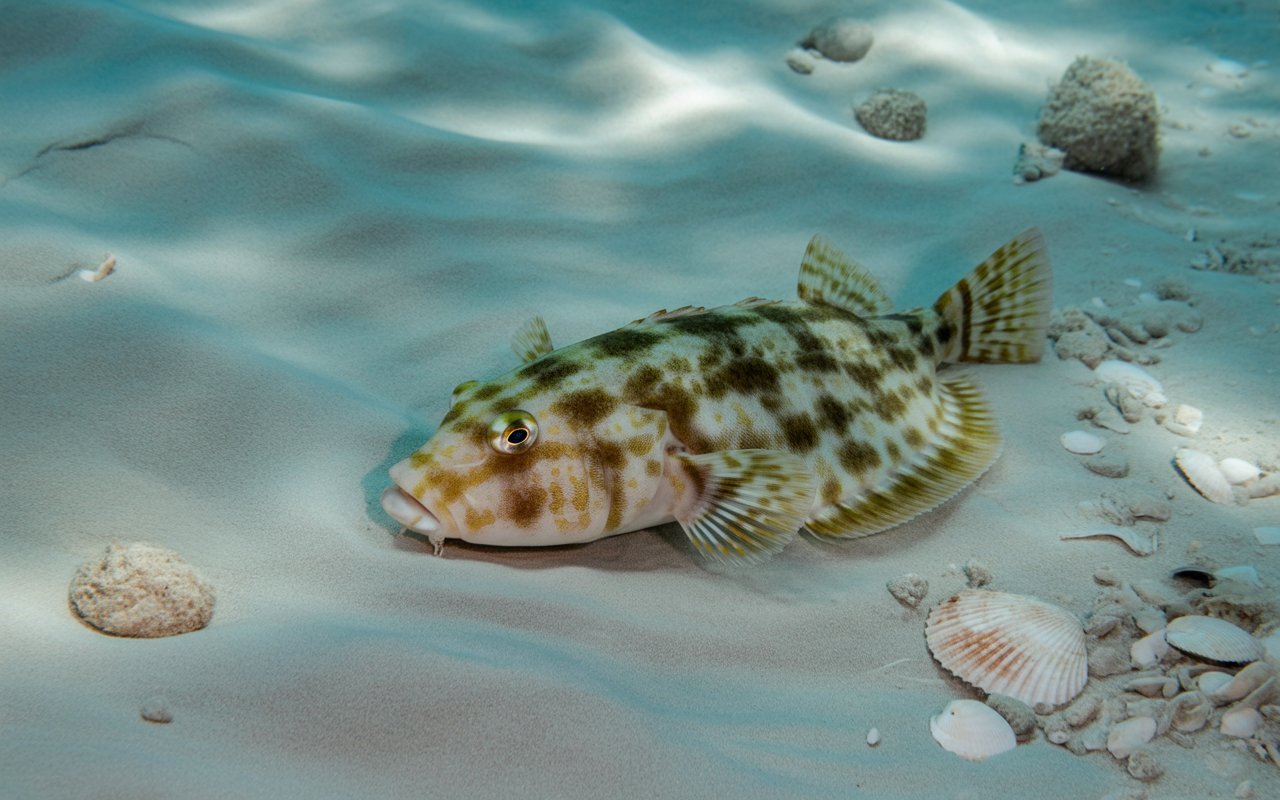
Sand dabs are usually caught using trawling methods, where nets are dragged along the ocean floor.
While this method is effective, it’s important to note that responsible fishing practices are essential to protect marine ecosystems.
7. Best Ways to Cook Sand Dabs
One of the best things about sand dabs? They’re incredibly easy to cook.
Popular cooking methods include:
- Pan-frying
- Grilling
- Baking
- Sautéing with butter and lemon
Pan-frying is the most popular method because it enhances their natural flavor while giving them a light, crispy texture.
8. Popular Recipes
Here are a few simple yet delicious ways to enjoy sand dabs:
• Classic Butter-Fried Sand Dabs
Lightly coat in flour, fry in butter, and finish with a squeeze of lemon.
• Garlic Herb Sand Dabs
Cook with fresh herbs, garlic, and olive oil for a fragrant dish.
• Baked Sand Dabs
Season and bake for a healthier option with less oil.
Each recipe brings out a different side of this versatile fish.
9. Tips for Buying Fresh Sand Dabs
When shopping for sand dabs, freshness is key.
Look for:
- Clear, bright eyes
- Fresh ocean smell (not fishy)
- Firm flesh
If possible, buy from a trusted fish market or supplier to ensure quality.
10. Sustainability and Fishing Practices
Sustainability matters more than ever today.
Sand dabs are generally considered a sustainable seafood choice, but it’s still important to:
- Check sourcing information
- Support responsible fisheries
- Avoid overfished regions
Making mindful choices helps protect ocean life for future generations.
11. Cultural and Culinary Importance
Sand dabs have a special place in coastal cuisine, especially in California.
They’re often featured in seaside restaurants, served simply to highlight their natural flavor. For many locals, they’re more than just food—they’re part of a coastal lifestyle.
12. Common Mistakes to Avoid
Even though sand dabs are easy to cook, a few mistakes can ruin the experience:
- Overcooking (they become dry quickly)
- Using too many spices (overpowers their delicate flavor)
- Not cleaning properly
Keep it simple—that’s the secret.
13. Pairing Sand Dabs with Side Dishes
Wondering what goes well with sand dabs?
Perfect pairings include:
- Steamed vegetables
- Rice or mashed potatoes
- Fresh salads
- Light sauces like lemon butter
The goal is to complement, not compete with, the fish’s natural taste.
14. Why You Should Try Sand Dabs
Still unsure if they’re worth trying?
Here’s why you should:
- Unique flavor you won’t find in common fish
- Easy to cook—even for beginners
- Healthy and nutritious
- A chance to explore something new
Trying sand dabs is like discovering a hidden café in your city—it might just become your new favorite.
Conclusion
Sand dabs may not be the most famous fish in the sea, but they certainly deserve more attention. With their delicate flavor, simple preparation, and impressive health benefits, they offer a dining experience that’s both comforting and exciting.
If you’ve never tried them before, consider this your invitation. Who knows? This humble flatfish might just become your go-to seafood dish.
FAQs
1. What are sand dabs commonly used for?
Sand dabs are mostly used in simple seafood dishes like pan-fried or grilled recipes, where their natural flavor can shine.
2. Are sand dabs healthy to eat?
Yes, they are rich in protein, low in fat, and contain beneficial omega-3 fatty acids.
3. Can beginners cook sand dabs easily?
Absolutely! Their small size and simple preparation make them perfect for beginner cooks.
4. Do sand dabs taste fishy?
Not at all. They have a mild, slightly sweet flavor that is very approachable.
5. Where can I buy sand dabs?
You can find them at seafood markets, especially in coastal regions, or through specialty fish suppliers.
