


Introduction
Have you ever dug through your pocket change and wondered if any of those coins could be worth more than face value? You’re not alone. Many people first hear about the rare bicentennial quarter through a viral post or a news story claiming it could be worth thousands—or even millions—of dollars.
So what’s the truth?
The Bicentennial quarter stands as one of the most iconic and instantly recognizable coins ever issued in the United States While most are worth just 25 cents, a small number are genuinely valuable to collectors. In this guide, we’ll break down what makes certain coins special, how to identify valuable versions, common myths, and what you should do if you think you’ve found something rare.
Let’s take a closer look at the story behind this iconic coin—and why some versions are highly sought after.
The History Behind the Bicentennial Quarter
To understand why collectors care about this coin, we need to go back to 1976. That year marked 200 years since the signing of the Declaration of Independence in 1776. To celebrate the occasion, the United States Mint released special commemorative coins.
These coins included:
-
Quarters
-
Half dollars
-
Dollar coins
Unlike regular quarters, the Bicentennial version features a unique reverse design.
The 1776–1976 Dual Date
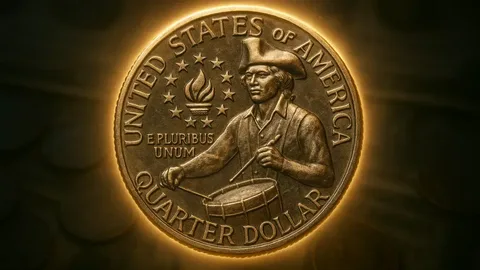
Instead of a single mint year, the coin displays the dual date “1776–1976” on the obverse side. The front still shows George Washington, but the back was redesigned through a national competition.
The Drummer Boy Design
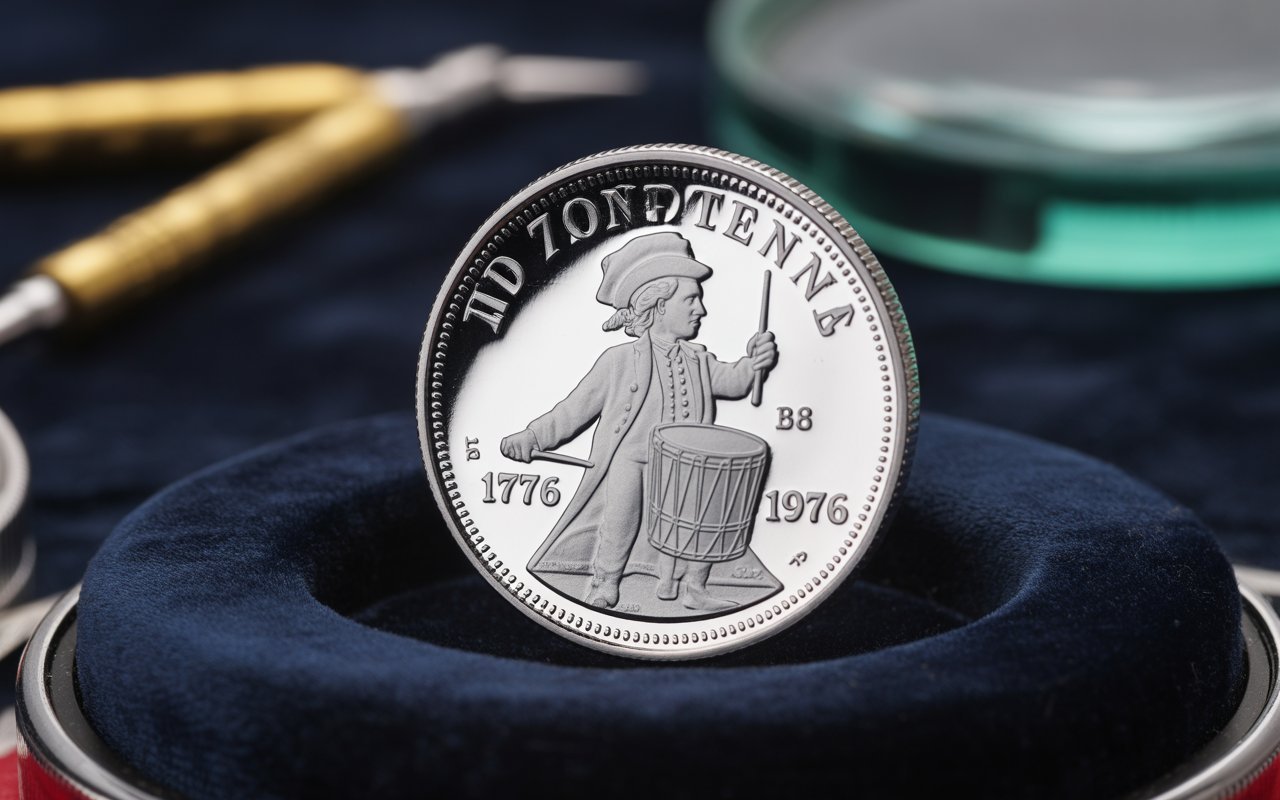
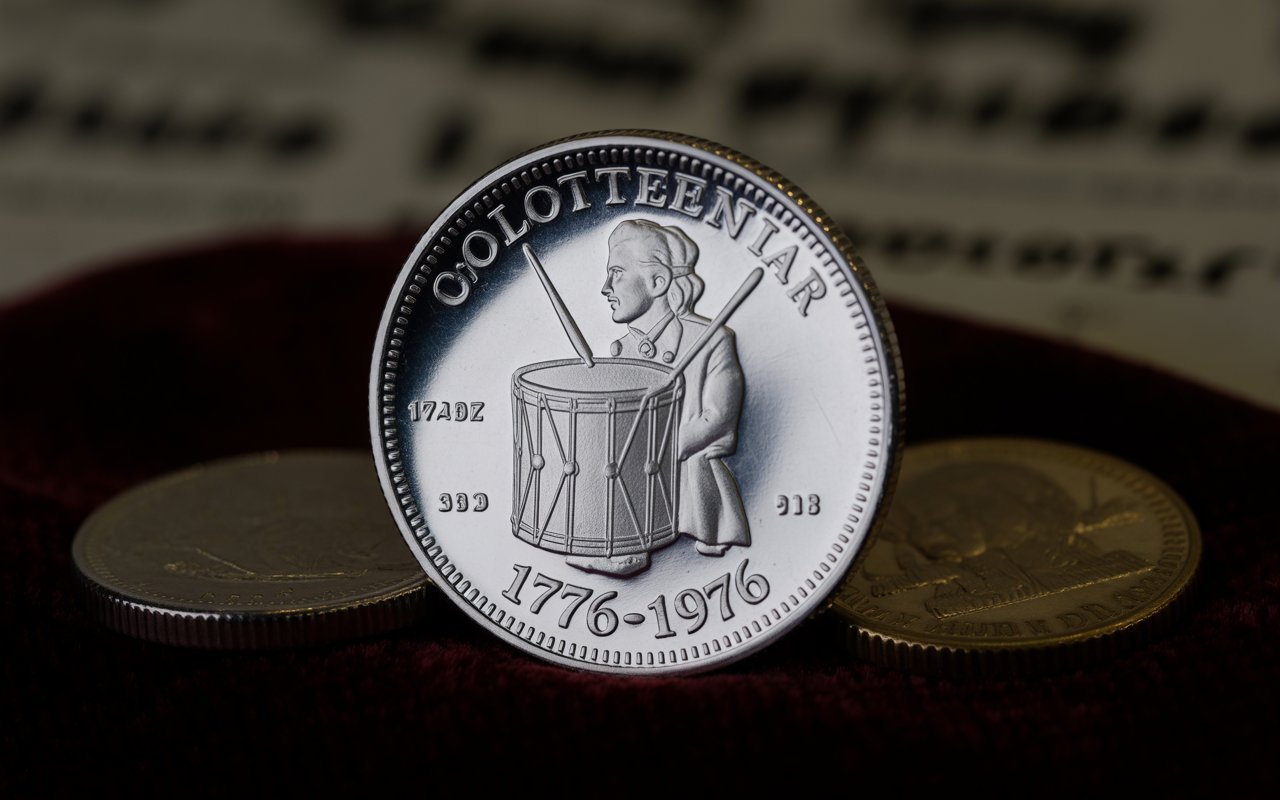
The reverse side features a Colonial drummer boy, designed by artist Jack L. Ahr. Surrounding the image are 13 stars representing the original colonies and a torch symbolizing freedom.
It’s a coin with a patriotic story—and that emotional connection fuels collector interest.
Why Most Bicentennial Quarters Aren’t Rare
Let’s clear up the biggest misunderstanding right away.
You might find one in your change right now.
So if most of them are common, why all the hype? The answer lies in specific variations and errors.
What Makes a Bicentennial Quarter Rare?
A coin attains rarity due to a limited mintage, unique minting errors, exceptional condition, or high demand among collectors.
-
Low mintage
-
Unique composition
-
Minting errors
-
High-grade condition
When it comes to these commemorative quarters, only certain combinations of these factors increase value.
Let’s break them down one by one.
Silver Bicentennial Quarters
Not all Bicentennial quarters are made of the standard copper-nickel blend.
40% Silver Composition
The United States Mint also produced special collector sets that included quarters made of 40% silver. These were not intended for general circulation.
They were sold in special Mint Sets and Proof Sets.
How to Tell If It’s Silver
Here’s how you can check:
-
Look for an “S” mint mark (San Francisco)
-
Check the coin’s edge — silver versions do not show the orange copper stripe
-
Weigh the coin (silver versions are slightly heavier)
Silver coins often carry higher value due to metal content and collectibility.
Mint Marks: Why They Matter
Every coin tells you where it was minted, and that matters a lot in the collector world.
The Three Main Mint Marks
Bicentennial quarters were produced in:
-
Philadelphia (no mint mark)
-
Denver (“D” mint mark)
-
San Francisco (“S” mint mark)
Philadelphia and Denver produced circulation coins in very large numbers. San Francisco made proof and silver versions.
If you’re hunting for value, start by checking near Washington’s ponytail for that tiny mint letter.
It’s like checking a birth certificate—location matters.
Proof Coins: Mirror-Like Beauty
Proof coins are not regular pocket-change coins.
They’re specially made for collectors using polished dies and planchets. The result? A shiny, mirror-like surface with crisp details.
Clad Proof vs. Silver Proof
San Francisco produced two types of proof quarters:
-
Clad (standard metal)
-
40% silver
Silver proofs are typically worth more, especially in original packaging.
If your coin looks unusually shiny and detailed, it might be a proof version.
Error Coins: The Real Treasure Hunters’ Prize
Now we’re getting into the exciting part.
Mint errors can dramatically increase a coin’s value. Think of errors like typos in a limited-edition book—rare, accidental, and fascinating.
Common Error Types
Here are some known issues found on certain quarters:
-
Double die errors
-
Off-center strikes
-
Wrong planchet errors
-
Die cracks
A coin struck on the wrong metal planchet can be extremely valuable.
Collectors often rely on third-party grading companies to verify authenticity before buying or selling such pieces.
The Importance of Coin Condition (Grading)
Condition plays a massive role in value.
Coins are evaluated on a grading scale ranging from Poor (P-1) to Mint State (MS-70), with higher grades typically commanding significantly greater value and collector demand.
Uncirculated Coins
A coin that has never been used in commerce and shows no wear is called uncirculated. These coins, especially with high grades like MS-67 or higher, can command impressive prices.
Small differences in scratches or luster can mean hundreds—or even thousands—of dollars in price difference.
That’s why serious collectors use professional grading services.
Record Sales and Market Value
While most Bicentennial quarters are worth 25 cents, high-grade and rare examples have sold for thousands at auction.
A silver proof in pristine condition can sell for significantly more than face value. Coins with verified mint errors can reach much higher price points depending on rarity and demand.
However, claims of ordinary quarters being worth millions are usually exaggerated or misleading.
It’s important to separate fact from fantasy.
Common Myths About Bicentennial Quarters
Let’s address a few widespread rumors.
“All 1776–1976 Quarters Are Valuable”
False. Most are extremely common and circulated widely.
“You Can Tell It’s Valuable Just by the Date”
Also false. The dual date alone does not guarantee value.
“Every Silver Coin Is Worth Thousands”
Not necessarily. Silver content adds value, but condition and rarity are key.
If you see a headline claiming you have a life-changing fortune in your coin jar, take a breath. It’s exciting—but verification is essential.
How to Check If Your Coin Is Valuable
If you suspect your coin may be rare, follow these steps:
-
Examine the mint mark.
-
Check the edge for silver composition.
-
Inspect for visible errors.
-
Assess the condition under good lighting.
-
Consider professional grading.
Avoid cleaning the coin. Cleaning can reduce its value dramatically. In the coin world, original condition is king.
If you’re unsure, consult a reputable coin dealer or professional grading service.
Should You Collect Bicentennial Quarters?
Collecting coins isn’t just about money—it’s about history.
Each Bicentennial quarter tells a story about America’s 200th anniversary. Holding one feels like holding a small piece of celebration from 1976.
If you enjoy treasure hunts, history, and small details, coin collecting can be surprisingly rewarding.
And who knows? While most are common, rare examples do exist.
The Emotional Appeal of Commemorative Coins
Why do people love these coins so much?
It’s not just the value—it’s nostalgia.
For many Americans, 1976 was a year of parades, fireworks, and patriotic pride. These quarters are tiny souvenirs from that nationwide celebration.
Think of them as time capsules made of metal.
That emotional connection keeps demand steady even decades later.
Conclusion
The Bicentennial quarter is one of the most iconic American coins ever produced. While most examples are common and worth face value, certain silver versions, high-grade coins, and mint errors can carry significant value.
If you find one in your change, don’t get too excited just yet—but don’t ignore it either. Check the mint mark, look for silver composition, and examine the condition carefully.
Coin collecting is a mix of patience, curiosity, and knowledge. And sometimes, a simple quarter can open the door to a fascinating world of history and value.
Frequently Asked Questions
1. Are all 1776–1976 Bicentennial quarters valuable?
No, most were produced in large numbers and are only worth face value unless they are silver, proof, high-grade, or have mint errors.
2. How can I tell if my Bicentennial quarter is silver?
Check for an “S” mint mark and look at the edge. Silver coins do not show the copper-colored stripe found on clad versions.
3. What is the most valuable Bicentennial quarter ever sold?
High-grade silver proofs and confirmed mint error coins have sold for thousands, depending on rarity and condition.
4. Should I clean my Bicentennial quarter before selling it?
No, cleaning can reduce its value significantly. Leave it in its original condition.
5. Where can I get my coin professionally graded?
You can submit coins to reputable third-party grading services or consult experienced coin dealers for guidance.
