


Introduction
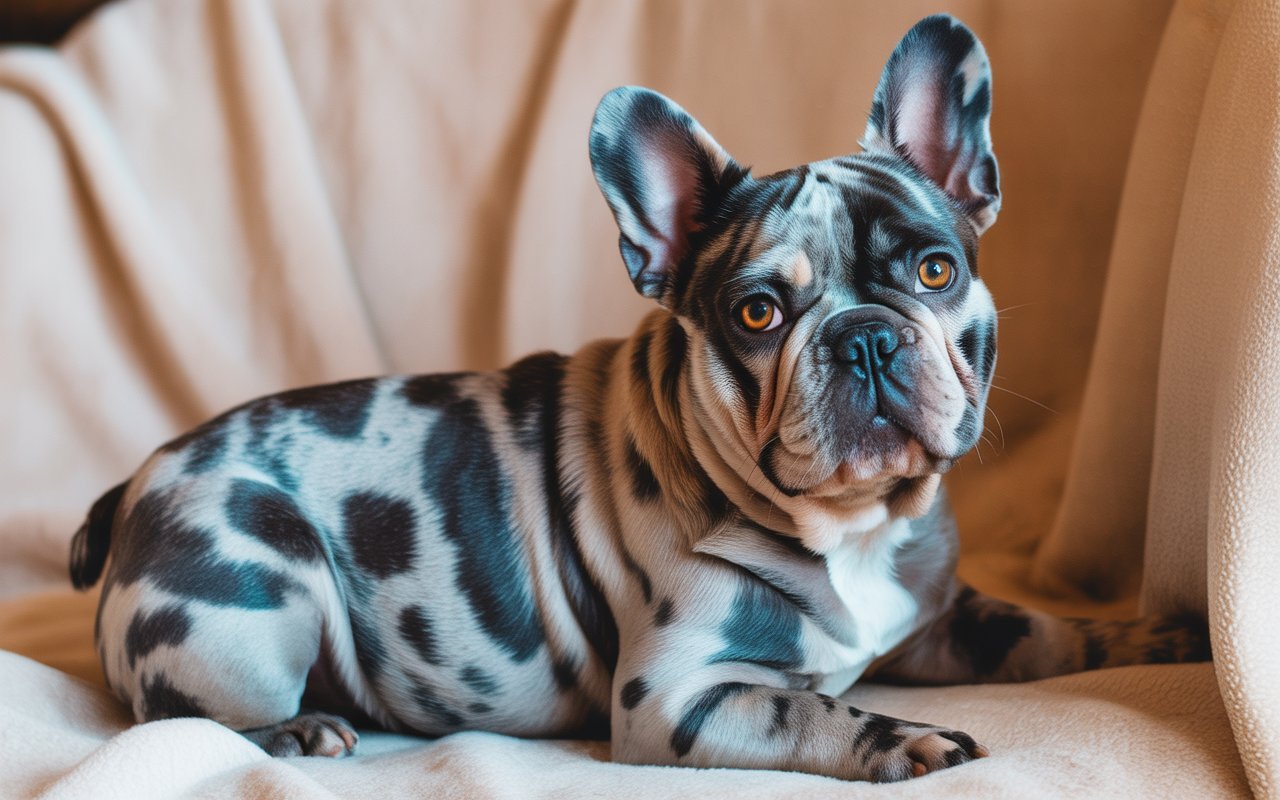
If you’ve ever seen a French Bulldog with a unique marbled coat that looks almost like a watercolor painting, chances are you’ve come across a merle variation. These dogs instantly grab attention—and hearts. But beyond their striking appearance, there’s a lot more to understand before bringing one home.Discover everything about ”merle French bulldog” including traits, health, care tips, and cost in this easy, friendly guide.
So, what makes them so special? Are they healthy? And are they right for you?
Let’s explore everything in a simple, friendly way—like chatting with a fellow dog lover.
1. What Is a Merle French Bulldog?
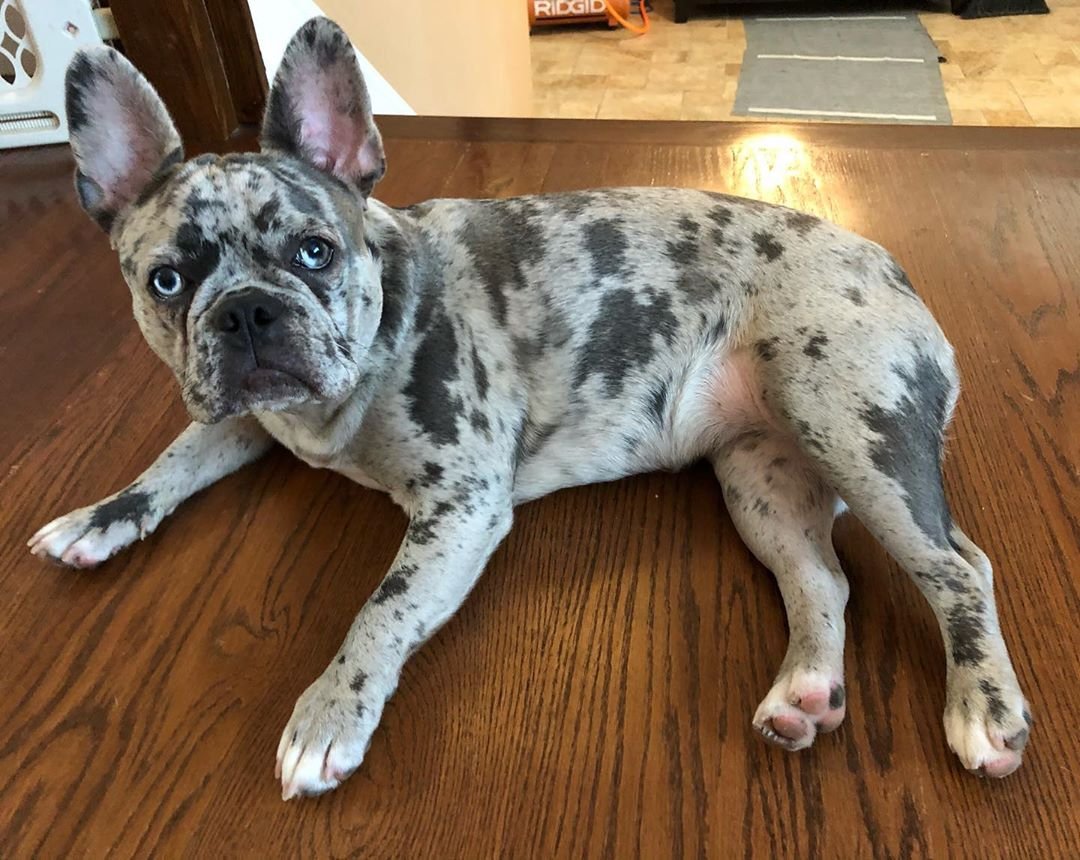
A merle French Bulldog is simply a Frenchie with a special genetic pattern that creates a patchy or marbled coat. Think of it like splashes of color across a canvas—no two dogs look exactly alike.
This pattern isn’t traditionally part of the breed standard, which is why it often sparks debate among breeders and dog enthusiasts.
2. Unique Coat Patterns Explained
What Does “Merle” Look Like?
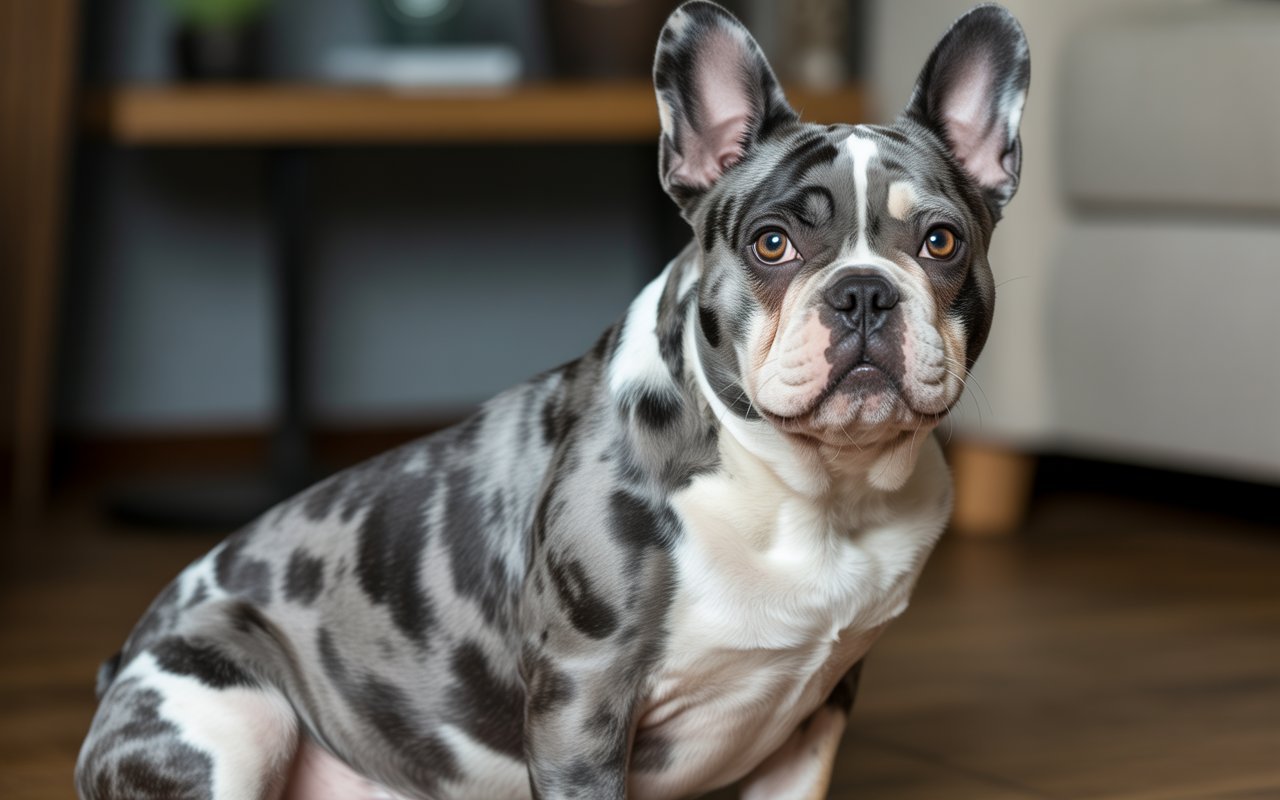
The coat usually features a mix of light and dark shades—blue, gray, black, or even tan—with irregular patches.
Why It Stands Out
Unlike solid-colored dogs, this pattern creates a one-of-a-kind look. It’s like owning a living piece of art.
Common Variations
-
Blue merle
-
Lilac merle
-
Chocolate merle
Each variation has its own charm, making these dogs highly sought after.
3. Personality and Temperament
Friendly and Affectionate
Playful Yet Calm
They have a fun, playful side but are also happy to relax on the couch. It’s like having a friend who’s equally excited for adventure and lazy Sundays.
Good with Families
They generally do well with children and other pets when properly socialized.
4. Physical Characteristics
Compact Build
They have a muscular, small body with a signature flat face and bat-like ears.
Coat and Eyes
Their coat is short and smooth, but the standout feature is often their eyes—sometimes blue or even mismatched.
Size
-
Weight: 16–28 pounds
-
Height: Around 11–13 inches
Perfect for apartment living due to their manageable size.
5. Health Concerns to Know
Breathing Issues
Like all French Bulldogs, they can have breathing difficulties due to their short snouts.
Hearing and Vision Risks
-
Vision impairments
Skin Sensitivities
Their coat may require extra care to avoid irritation.
Important: Not all dogs will have these issues, but awareness is key.
6. Ethical Breeding Matters
Why It’s Important
Breeding two merle dogs together can increase the risk of serious health issues in puppies.
Responsible Practices
Ethical breeders avoid risky pairings and focus on health over appearance.
Red Flags to Watch
-
Extremely low prices
-
Lack of health records
-
No breeder transparency
Choosing wisely can save you from future heartbreak.
7. Cost and Price Factors
Average Price Range
These dogs can be quite expensive due to their rarity:
-
$3,000 to $10,000 (or more)
What Affects the Price?
-
Coat pattern
-
Eye color
-
Breeder reputation
-
Location
It’s like buying a luxury item—the rarer it is, the higher the price tag.
8. Daily Care and Grooming
Low Maintenance Coat
Their short fur doesn’t require heavy grooming, but regular brushing helps keep it shiny.
Cleaning Folds
Short walks and playtime are enough. They’re not high-energy dogs.
9. Diet and Nutrition
Balanced Meals
A high-quality diet supports their overall health.
Portion Control
Overfeeding can lead to obesity, which worsens breathing issues.
Hydration Matters
Make sure they always have access to clean, fresh water—particularly during hot weather.
10. Training and Socialization
Smart but Stubborn
They’re quite smart, though they can sometimes show a streak of stubbornness.. Patience is key.
Positive Reinforcement Works Best
Reward-based training helps them learn faster.
Early Socialization
Expose them to different environments, people, and pets early on.
11. Living Environment Needs
Indoor Dogs
They thrive indoors and don’t tolerate extreme heat or cold well.
Apartment Friendly
Their size and low activity levels make them ideal for smaller spaces.
Comfort Is Key
Think of them as little royalty—they love cozy beds and attention.
12. Pros and Cons
Pros
-
Unique and eye-catching appearance
-
Loving and loyal
-
Great for small homes
Cons
-
Expensive
-
Potential health risks
-
Sensitive to temperature
Like any pet, they come with both joys and responsibilities.
13. Is This Dog Right for You?
Ask yourself:
-
Do you have time for daily care?
-
Can you afford potential vet bills?
-
Are you ready for a long-term commitment?
If the answer is yes, this could be a wonderful companion.
Conclusion
A merle French Bulldog is more than just a beautiful dog—it’s a loyal friend with a big personality packed into a small body. While their unique appearance draws attention, it’s their loving nature that truly wins hearts.
However, owning one comes with responsibilities. From understanding health risks to choosing ethical breeders, every decision matters. If you’re prepared, you’ll gain a companion that feels less like a pet and more like family.
FAQs
1. Are merle French Bulldogs rare?
Yes, their unique coat pattern makes them less common compared to standard colors.
2. Do they have more health problems?
They can have additional risks linked to the merle gene, especially if bred irresponsibly.
3. How long do they live?
On average, they live between 10 to 12 years with proper care.
4. Are they good for first-time dog owners?
Yes, but new owners should be ready for their specific care needs and possible health concerns.
5. Why are they so expensive?
Their rarity, appearance, and breeding complexity contribute to their high price.
