


Introduction
Jewelry often tells a story. Sometimes it reflects culture, sometimes personal style, and sometimes it carries deeper meaning. One piece that beautifully combines all three is the jade bracelet. For centuries, people around the world have admired jade not just for its beauty but also for its symbolism and spiritual value.
Imagine wearing a stone that many cultures believe brings luck, protection, and harmony. That’s exactly why jade jewelry has remained popular for thousands of years. Whether passed down through generations or purchased as a meaningful gift, jade bracelets often hold sentimental value.
But what exactly gives jade its timeless charm and special appeal? Is it just another gemstone, or is there more behind its reputation?
In this guide, we’ll explore the history, symbolism, benefits, and tips for choosing the right jade bracelet. By the end, you’ll understand why this simple accessory has captured hearts across cultures and generations.
1. What Is a Jade Bracelet?
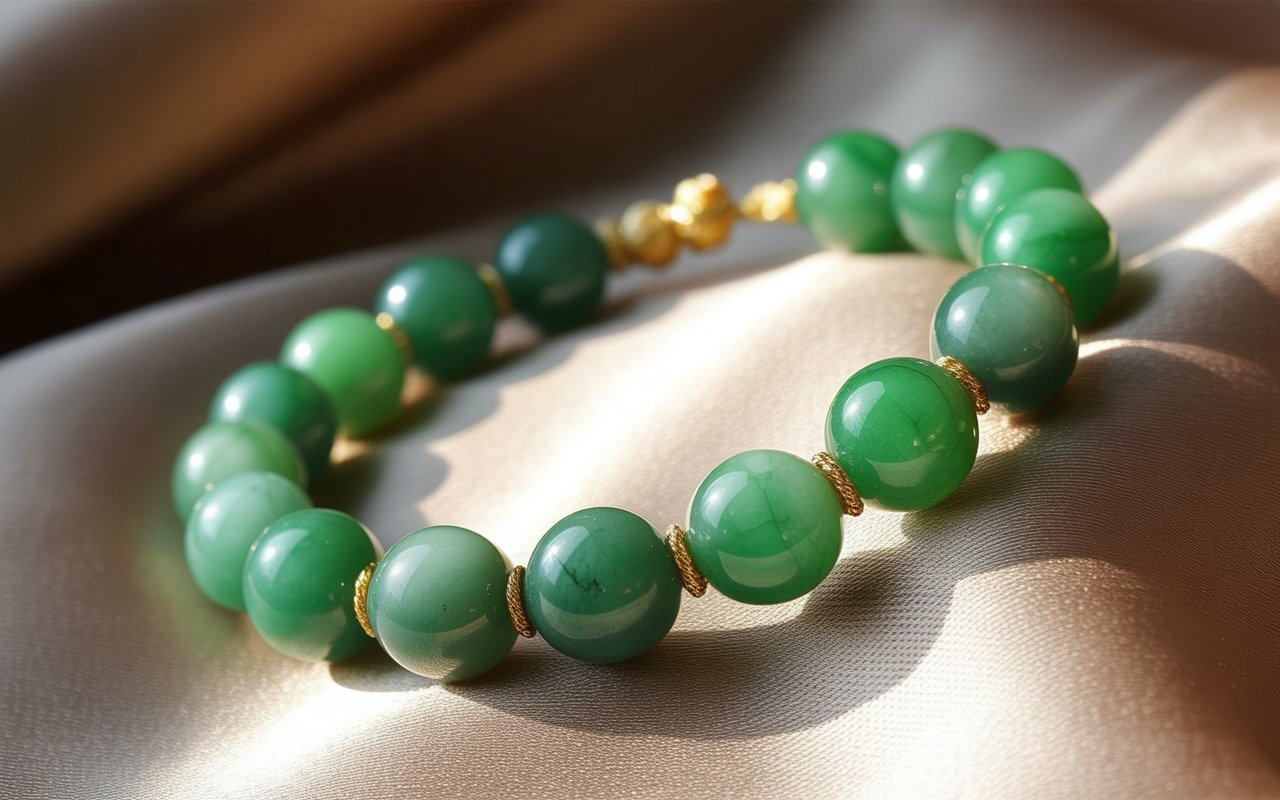
A jade bracelet is a piece of jewelry made from jade stone, typically worn around the wrist. It can appear in many forms, such as:
-
Solid carved bangles
-
Beaded bracelets
-
Adjustable cord designs
-
Modern metal and jade combinations
Jade itself is a precious gemstone known for its smooth texture and calming green hues. However, it also comes in several other colors like white, lavender, and yellow.
What makes jade unique is its durability and silky feel. Unlike many gemstones that sparkle brightly, jade has a softer glow, almost like polished glass mixed with nature’s calm.
Think of it like a quiet kind of beauty—not flashy, but deeply elegant.
2. The History of Jade Jewelry
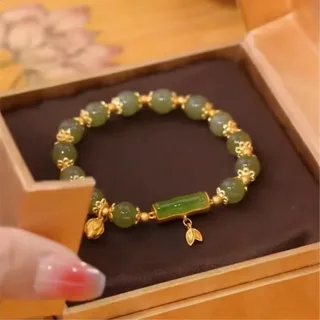 The history of jade goes back thousands of years. Ancient civilizations valued it even more than gold.
In ancient China, jade was considered the “Stone of Heaven.” Emperors, warriors, and nobles wore jade ornaments as symbols of power, wisdom, and purity.
Meanwhile, in ancient Central America, civilizations like the Maya and Aztecs also treasured jade. They used it in:
-
Religious ceremonies
-
Jewelry and masks
-
Royal decorations
To these cultures, jade represented life, fertility, and eternal strength.
It’s fascinating to think that the same stone people wear today was once part of royal traditions thousands of years ago.
3. Cultural Significance of Jade
Jade carries deep cultural meaning, particularly in Asian traditions.
In Chinese culture, jade represents five important virtues:
-
Wisdom
-
Justice
-
Compassion
-
Courage
-
Purity
Many families believe jade jewelry protects the wearer from harm. Some even say the stone can absorb negative energy and crack when it has fulfilled its protective role.
Because of this belief, jade bracelets are often passed down from parents to children, making them precious family heirlooms.
4. Types of Jade Used in Bracelets
Not all jade is the same. In fact, there are two main types used in jewelry.
Nephrite Jade
Nephrite is the more common variety.
Characteristics:
-
Smooth texture
-
Dark green or creamy colors
-
Highly durable
This type has been used for centuries and remains popular today.
Jadeite Jade
Jadeite is rarer and more valuable.
Characteristics:
-
Brighter colors
-
More transparency
-
Higher market value
The famous imperial green jade belongs to this category.
5. Symbolism and Spiritual Meaning
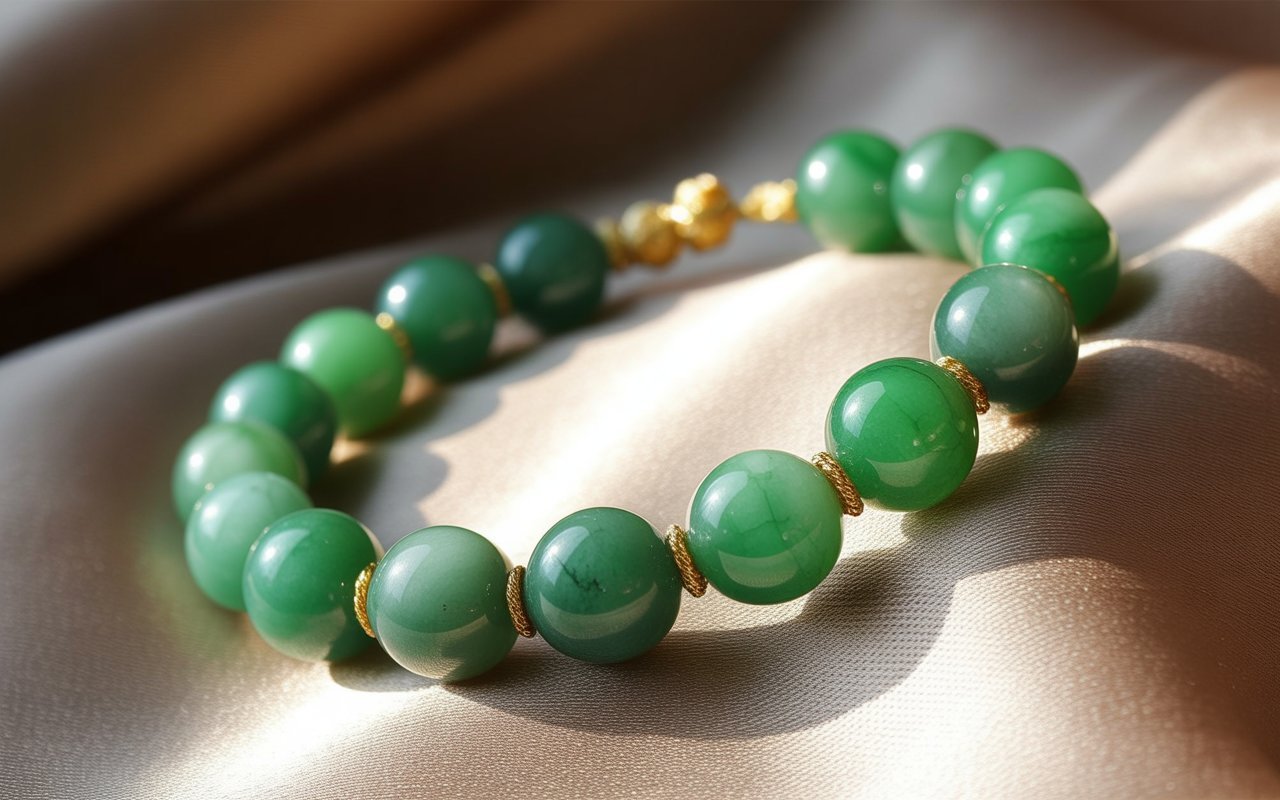
Many people wear jade bracelets not only for fashion but also for their symbolic meaning.
Common beliefs include:
-
Protection from negative energy
-
Balance and emotional healing
-
Attracting prosperity
-
Encouraging wisdom
You could think of jade like a quiet guardian on your wrist. While science doesn’t prove these claims, the cultural and emotional significance remains powerful for many people.
And sometimes, belief itself carries meaning.
6. Benefits of Wearing Jade
Beyond symbolism, jade bracelets are believed to provide several benefits.
Emotional Balance
Some believe jade helps calm the mind and reduce stress.
Good Luck and Prosperity
In many traditions, jade is associated with wealth and success.
Physical Wellness
Alternative healing communities claim jade may support body balance and vitality.
Timeless Style
Even if someone doesn’t believe in spiritual meanings, jade bracelets remain classic fashion accessories that match many outfits.
7. How to Choose a Jade Bracelet
Choosing the right jade bracelet requires attention to several factors.
Color
Rich and even colors are often more valuable.
Popular shades include:
-
Deep green
-
Light green
-
White
-
Lavender
Transparency
Higher-quality jade allows light to pass through slightly.
Texture
Good jade feels smooth and cool to the touch.
Craftsmanship
Look for bracelets that are well-polished and evenly shaped.
Buying jade is a bit like choosing fruit at a market—you learn to notice subtle details that reveal quality.
8. Jade Bracelet Colors and Their Meanings
Different jade colors carry different symbolic meanings.
Green Jade
-
Prosperity
-
Harmony
-
Good fortune
White Jade
-
Calmness
-
Focus
-
Clarity
Lavender Jade
-
Spiritual awareness
-
Emotional healing
Yellow Jade
-
Optimism
-
Happiness
These color meanings vary by culture but often reflect the natural qualities associated with the stone.
9. How to Tell If Jade Is Real
Because jade is valuable, fake versions exist in the market.
Here are a few simple tips to identify authentic jade.
Weight Test
Real jade feels heavier than it looks.
Cool Touch
Authentic jade remains cool against the skin.
Sound Test
When two jade pieces gently tap together, they produce a clear ringing sound.
Professional Certification
The safest way to confirm authenticity is through gemstone certification.
10. How to Wear a Jade Bracelet
Traditionally, jade bracelets are worn on the left wrist.
In some cultural beliefs, the left side of the body is connected to receiving positive energy.
However, fashion-wise, there are no strict rules. You can wear jade:
-
Alone for elegance
-
Stacked with other bracelets
-
With traditional or modern outfits
The key is comfort and personal style.
11. Caring for Your Jade Jewelry
Jade is durable, but it still requires proper care.
Cleaning
Use:
-
Mild soap
-
Warm water
-
Soft cloth
Avoid harsh chemicals.
Storage
Store jade separately to prevent scratches.
Avoid Extreme Heat
High temperatures can damage the stone.
Taking care of jade is like caring for a treasured memory—it lasts longer with gentle handling.
12. Jade Bracelets as Meaningful Gifts
A jade bracelet makes a thoughtful gift for many occasions.
Popular gift moments include:
-
Birthdays
-
Weddings
-
Anniversaries
-
Graduations
Because jade symbolizes good luck and protection, it often represents heartfelt wishes for someone’s future.
Giving jade is almost like saying:
“I hope life treats you kindly.”
Conclusion
The jade bracelet is more than just jewelry. It carries centuries of tradition, cultural symbolism, and timeless beauty.
From ancient emperors to modern fashion lovers, people continue to cherish jade for its elegance, durability, and meaningful symbolism. Whether you believe in its spiritual qualities or simply admire its natural beauty, a jade bracelet remains a special accessory that never goes out of style.
Like a quiet story wrapped around your wrist, jade reminds us that sometimes the most powerful treasures are the ones that combine history, culture, and personal meaning.
FAQs
1. What does a jade bracelet symbolize?
A jade bracelet often symbolizes protection, harmony, prosperity, and wisdom in many cultures, particularly in Asian traditions.
2. Is wearing a jade bracelet good luck?
Many people believe jade attracts good luck and positive energy, though this belief is based on cultural traditions rather than scientific proof.
3. Which wrist should you wear a jade bracelet on?
Traditionally, it is worn on the left wrist, as it is believed to help absorb positive energy.
4. Can jade bracelets break easily?
Jade is a tough gemstone, but it can break if dropped or struck hard. Proper care helps maintain its durability.
5. How can I clean my jade bracelet safely?
Clean your bracelet using warm water, mild soap, and a soft cloth. Avoid chemicals and harsh cleaning products.
