


Introduction
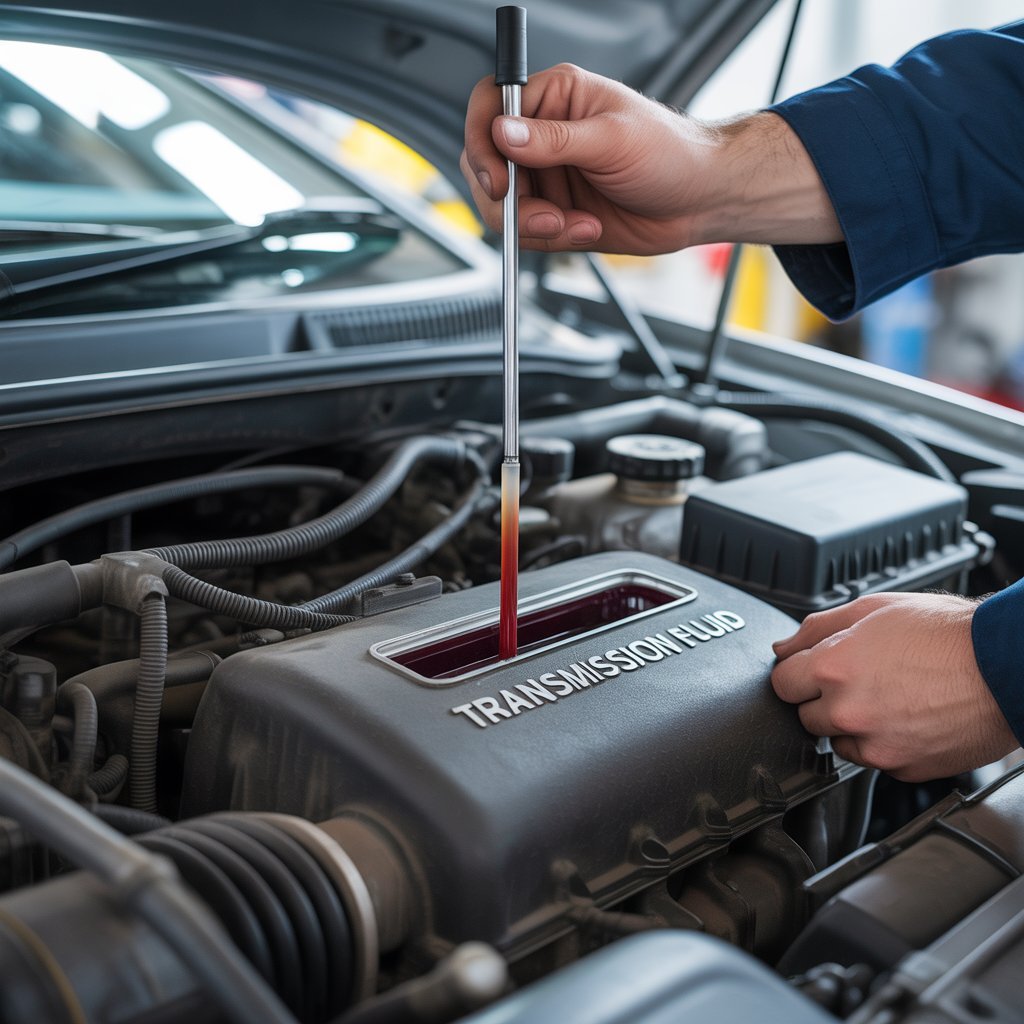
check transmission fluid
Have you ever wondered what keeps your car shifting smoothly from one gear to another? It’s not magic—it’s your transmission fluid. Think of it like the lifeblood of your vehicle’s transmission system. Without it, things can get rough, noisy, and expensive—fast.
The good news? You don’t need to be a mechanic to check it. With a little guidance, you can easily do it yourself and avoid costly repairs down the road. In this guide, I’ll walk you through everything you need to know in a simple, no-stress way.
1. What Is Transmission Fluid?
Transmission fluid is a special liquid that lubricates and cools your car’s transmission system. It helps gears shift smoothly and prevents overheating.
Think of it like cooking oil in a frying pan—without it, everything sticks, burns, and breaks down quickly.
2. Why Checking It Matters
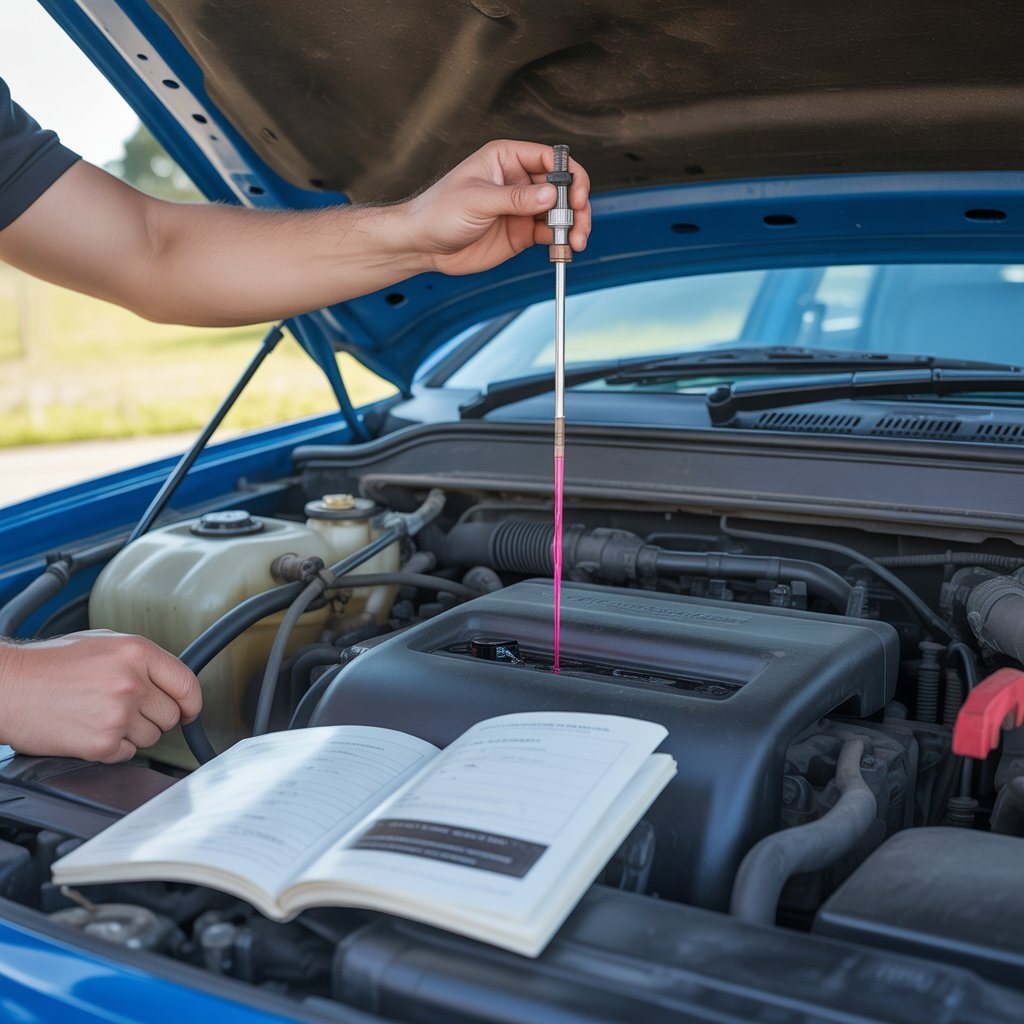
Ignoring your transmission fluid is like ignoring a slow leak in your roof—it might seem small at first, but it can lead to big problems.
Key reasons to check it:
- Prevent expensive repairs
- Ensure smooth gear shifting
- Extend vehicle lifespan
- Improve fuel efficiency
3. Signs Your Fluid Needs Attention
Your car often gives warning signs—you just need to notice them.
Watch out for:
- Rough or delayed shifting
- Strange noises (grinding or whining)
- Burning smell
- Fluid leaks under the car
- Dashboard warning lights
If your car feels “off,” it’s worth checking.
4. Types of Transmission Systems
Before you check anything, it’s important to know what type of transmission you have.
Automatic Transmission
- Uses fluid for operation
- Easier to check (usually has a dipstick)
Manual Transmission
- Requires less frequent checks
- Often no dipstick—needs professional inspection
5. When Should You Check It?
So, how often should you actually check it?
General rule:
- Every 1–2 months
- Before long trips
- When experiencing issues
Consistency is key. A quick check now can save you from a breakdown later.
6. Tools You’ll Need
Good news—you don’t need a garage full of tools.
Basic items:
- Clean cloth or paper towel
- Gloves (optional)
- Owner’s manual
That’s it. Simple, right?
7. Step-by-Step Checking Proces
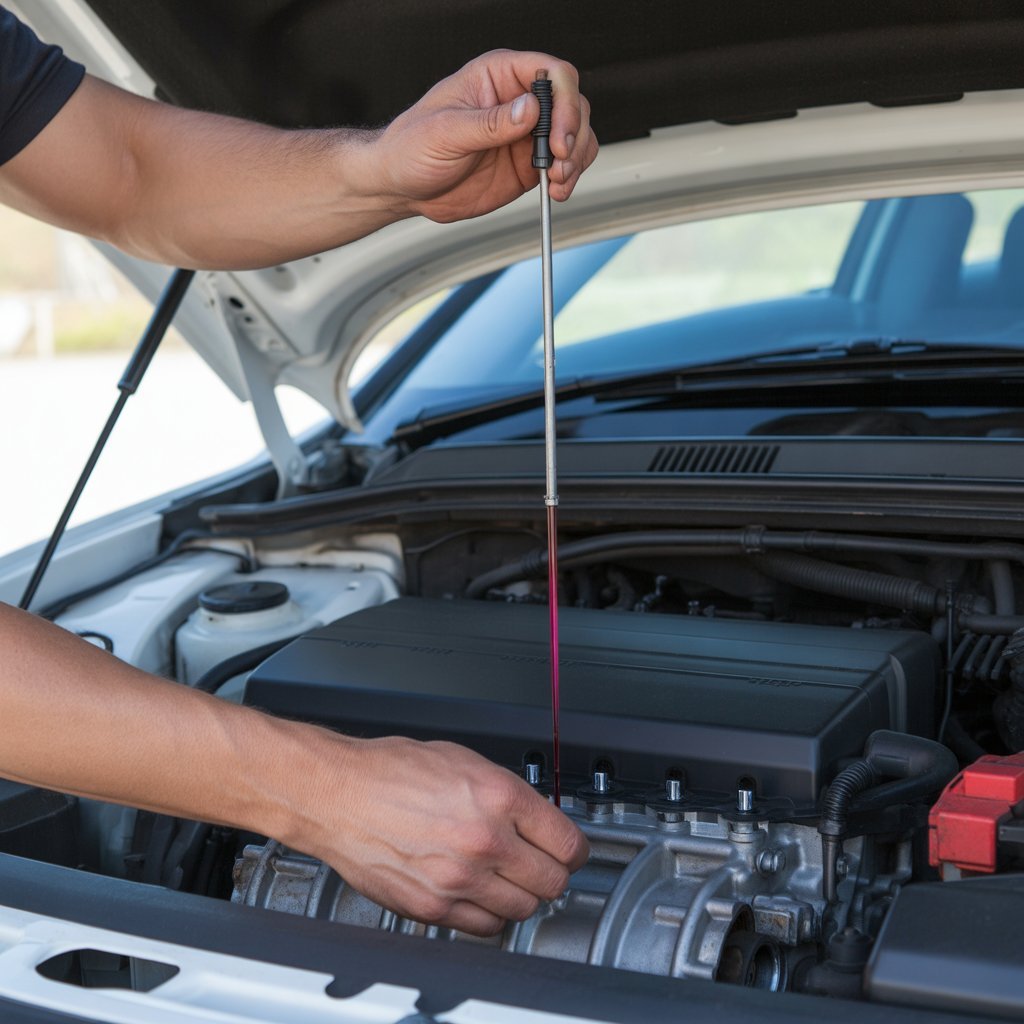
Let’s get to the practical part. Follow these steps carefully:
Step 1: Warm Up the Engine
Start your car and let it run for a few minutes. Transmission fluid works best when warm.
Step 2: Park Safely
Park on a flat surface and keep the engine running (for most automatic cars).
Step 3: Locate the Dipstick
Open the hood and find the transmission dipstick. It’s usually labeled or colored differently.
Step 4: Pull and Clean
Pull out the dipstick and wipe it clean with a cloth.
Step 5: Reinsert and Check
Put it back in, pull it out again, and check the level.
8. How to Read Fluid Levels
The dipstick will have markings like:
- Full
- Low
What to do:
- If it’s between the marks → You’re good
- If it’s low → You need to add fluid
Simple as checking your car’s oil.
9. Understanding Fluid Color
Color tells you a lot about your transmission’s health.
Healthy fluid:
- Bright red or pink
- Clean and clear
Warning signs:
- Dark brown → Old fluid
- Black → Burnt fluid
- Milky → Possible contamination
If it smells burnt, don’t ignore it.
10. Common Mistakes to Avoid
Even simple tasks can go wrong. Avoid these:
- Checking fluid when the engine is cold
- Using the wrong type of fluid
- Overfilling
- Ignoring small leaks
A small mistake here can lead to big repair bills.
11. When to Change Transmission Fluid
Checking is one thing—changing is another.
Typical interval:
- Every 50,000 to 100,000 km (depending on vehicle)
Change it sooner if:
- Fluid looks dirty
- You notice performance issues
Think of it like changing your phone battery—it keeps everything running smoothly.
12. Manual vs Automatic Differences
Here’s where things differ slightly.
Automatic Cars:
- Easier to check
- Use dipstick
Manual Cars:
- No dipstick in many cases
- Requires lifting the car
- Best handled by professionals
13. Safety Tips You Should Follow
Safety always comes first.
Important tips:
- Keep hands away from moving parts
- Use gloves if needed
- Work on a flat surface
- Don’t touch hot engine parts
A few precautions can prevent injuries.
14. DIY vs Professional Help
Should you do it yourself or visit a mechanic?
DIY is great for:
- Checking fluid
- Basic maintenance
Go to a professional if:
- You see leaks
- Fluid is burnt or black
- You’re unsure about anything
There’s no harm in asking for help when needed.
15. Final Thoughts
Checking transmission fluid might sound technical, but it’s actually one of the easiest ways to take care of your car. It’s quick, simple, and can save you from major headaches later.
Think of it like brushing your teeth—small effort, big impact. Once you get into the habit, it becomes second nature. And your car will thank you for it with smoother drives and fewer problems.
FAQs
1. How often should I check my transmission fluid?
You should check it every 1–2 months or before long trips to ensure everything is working properly.
2. Can I drive with low transmission fluid?
It’s not recommended. Low fluid can damage your transmission and lead to costly repairs.
3. What happens if transmission fluid is dirty?
Dirty fluid can cause poor performance, overheating, and internal damage over time.
4. Do all cars have a transmission dipstick?
No, many modern cars (especially manual ones) don’t have a dipstick and require professional checks.
5. Is checking transmission fluid difficult?
Not at all. With a simple step-by-step approach, anyone can do it at home.
