


Introduction
How to Become an Electrician:
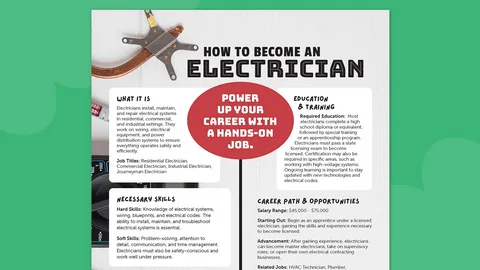
Have you ever wondered what it takes to become the person who keeps homes bright, businesses running, and entire cities powered? Becoming an electrician isn’t just about handling wires and circuits—it’s about crafting a dependable, hands-on career that delivers long-term stability, meaningful growth, and a real impact on everyday life.
If you enjoy solving problems, working with your hands, and learning practical skills, this career path might be the perfect fit. Let’s walk through everything you need to know—from the first spark of interest to becoming a fully qualified professional.
What Does an Electrician Really Do?
At its core, an electrician installs, maintains, and repairs electrical systems. But the role is much more dynamic than it sounds.
Electricians operate across a wide range of environments—from homes and offices to factories and construction sites—keeping essential systems running smoothly wherever power is needed.. One day you might be installing lighting in a new house, and the next, troubleshooting a complex system in a commercial building.
Key responsibilities include:
- Installing wiring and electrical components
- Reading blueprints and technical diagrams
- Inspecting systems for safety
- Repairing faults and outages
- Upgrading outdated electrical systems
Think of an electrician like a “power doctor”—diagnosing problems and restoring energy flow safely and efficiently.
Why Choose This Career Path?
Choosing a career is a big decision. So why should you consider becoming an electrician?
Here’s what makes it appealing:
- Job security: Electricity is essential—this job isn’t going away anytime soon
- Good income potential: Skilled trades often pay well, especially with experience
- Hands-on work: Ideal if you prefer action over desk jobs
- Career growth: Opportunities to specialize or start your own business
- Global demand: Skills can be useful almost anywhere in the world
In simple terms, it’s a career where your skills are always needed—and valued.
Step 1: Finish Your Basic Education
Your journey starts with a solid educational foundation. Most electricians begin with a high school diploma or equivalent.
Subjects that help you succeed:
- Mathematics (especially algebra)
- Physics (basic electrical concepts)
- Technical or vocational courses
Don’t worry if you weren’t top of your class—what matters is your willingness to learn and improve.
Step 2: Understand the Skills You Need
Being an electrician isn’t just about tools—it’s about thinking and problem-solving.
Essential skills include:
- Attention to detail: Small mistakes can cause big problems
- Problem-solving ability: Diagnosing faults quickly
- Physical stamina: Long hours on your feet or working in tight spaces
- Communication: Working with clients and team members
- Safety awareness: Preventing accidents and hazards
Imagine trying to fix a puzzle where one wrong move can shut down an entire system—that’s why precision matters so much.
Step 3: Enroll in a Technical or Trade School
While not always mandatory, attending a trade school can give you a strong head start.
What you’ll learn:
- Basic electrical theory
- Wiring systems
- Safety practices
- Blueprint reading
- Tool usage
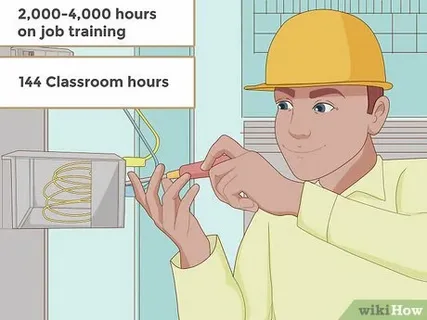
These programs often last from a few months to two years and provide both classroom knowledge and hands-on experience.
Step 4: Apply for an Apprenticeship
This is where things get real. An apprenticeship is like learning while earning.
What happens during an apprenticeship?
- You work under experienced electricians
- Gain practical, real-world experience
- Earn a stipend or salary
- Learn industry standards and codes
Most apprenticeships last 3 to 5 years, combining on-the-job training with classroom instruction.
Think of it as being a trainee pilot—you’re not flying solo yet, but you’re learning everything needed to get there.
Step 5: Gain Hands-On Experience
Experience is the backbone of this profession. The more you practice, the more confident and skilled you become.
During this phase, you’ll:
- Install wiring systems
- Troubleshoot electrical faults
- Work with different tools and materials
- Learn safety protocols in real situations
Mistakes may happen—but each one is a lesson that sharpens your expertise.
Step 6: Get Licensed or Certified
In many regions, you must obtain a license before working independently.
The licensing process usually includes:
- Completing required training hours
- Passing a written exam
- Demonstrating practical knowledge
Licensing ensures that you meet safety and quality standards, which builds trust with employers and clients.
Step 7: Choose a Specialization
Once you gain experience, you can choose a niche that suits your interests.
Common specializations include:
- Residential wiring
- Commercial systems
- Industrial electrical work
- Maintenance and repair
- Renewable energy (like solar systems)
Each path offers unique challenges and opportunities, so explore what excites you the most.
Step 8: Stay Updated with Industry Trends
Technology evolves quickly—and so does the electrical field.
Modern electricians often work with:
- Smart home systems
- Energy-efficient solutions
- Solar panels and green energy
- Automation and control systems
Continuing education helps you stay relevant and competitive.
Step 9: Build a Strong Professional Reputation
Your reputation can make or break your career.
How to build trust:
- Deliver quality work consistently
- Follow safety standards strictly
- Communicate clearly with clients
- Be punctual and reliable
Word-of-mouth referrals can become your strongest marketing tool over time.
Step 10: Consider Starting Your Own Business
Once you gain enough experience, you might want to work independently.
Benefits of self-employment:
- Greater earning potential
- Flexible working hours
- Ability to choose projects
However, it also requires:
- Business management skills
- Customer handling
- Financial planning
It’s like moving from being a player to becoming a team captain—you’re responsible for everything.
Tools Every Electrician Should Know
You’ll rely on tools daily, so getting familiar with them is essential.
Basic tools include:
- Wire strippers
- Screwdrivers
- Voltage testers
- Multimeters
- Pliers
As you advance, you’ll use more specialized equipment depending on your field.
Safety: The Most Important Priority
Electricity can be dangerous if not handled properly.
Safety tips every electrician follows:
- Always turn off power before working
- Use protective gear
- Follow electrical codes
- Inspect tools regularly
- Avoid shortcuts
Remember, safety isn’t optional—it’s your first responsibility.
Challenges You Might Face
Every career has its challenges, and this one is no exception.
- Physically demanding work
- Risk of electrical hazards
- Working in extreme conditions
- Long or irregular hours
But with proper training and mindset, these challenges become manageable—and even rewarding.
Conclusion
Becoming an electrician is more than just learning a trade—it’s building a career that powers the world around you. From homes to industries, your skills will play a vital role in everyday life.
The journey requires dedication, patience, and continuous learning. But if you’re willing to put in the effort, the rewards—both financial and personal—can be truly fulfilling.
So, are you ready to take the first step toward a career that keeps the lights on—literally?
FAQs
1. How long does it take to become an electrician?
It typically takes 4 to 5 years, including apprenticeship training and classroom learning.
2. Do I need a college degree to become an electrician?
No, a college degree is not required. However, trade school training can be helpful.
3. Is being an electrician dangerous?
It can be, but following proper safety procedures significantly reduces risks.
4. Can electricians earn a good income?
Yes, experienced electricians often earn competitive salaries, especially with specialization.
5. Can I start my own business as an electrician?
Absolutely. With experience and licensing, many electricians successfully run their own businesses.
