


Introduction
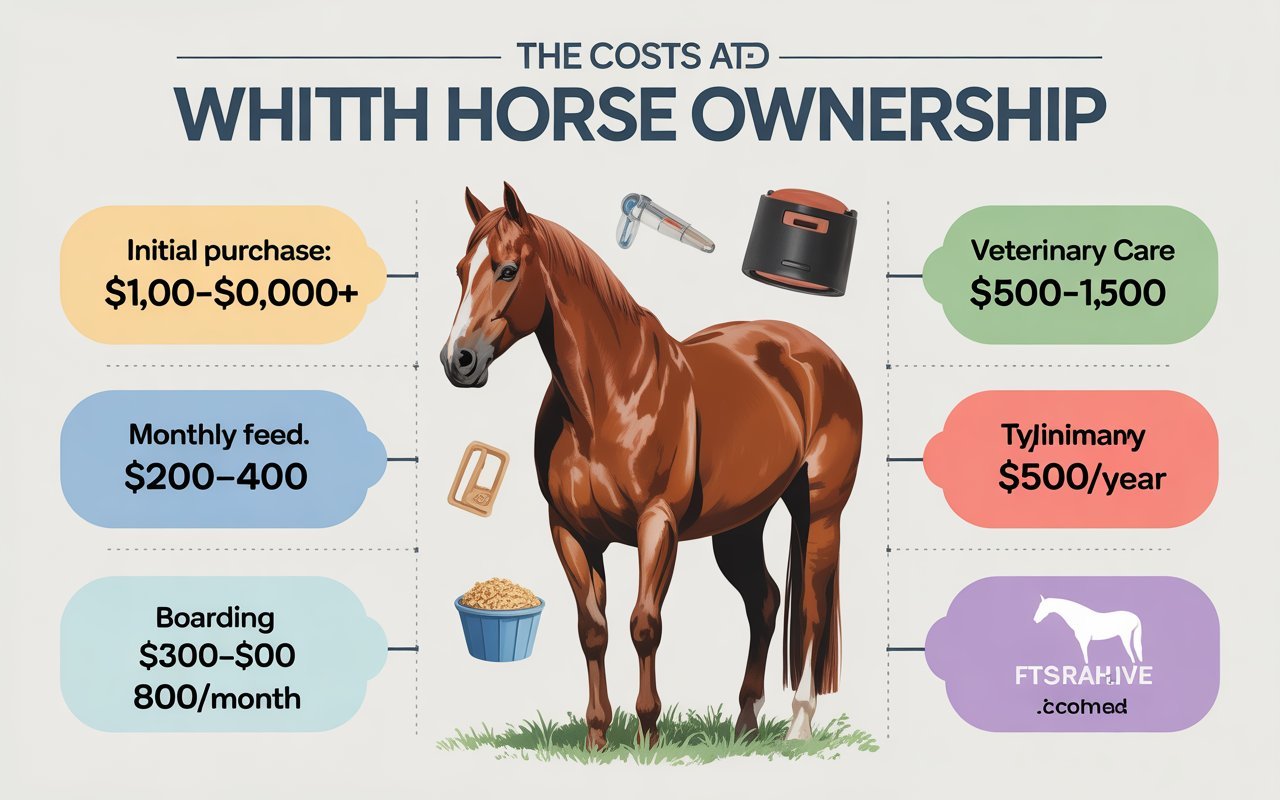
Owning a horse is a dream for many people. Whether you imagine riding through open fields, bonding with a gentle companion, or competing in equestrian sports, horses offer a unique experience that few other animals can match. But before you start picturing yourself in the saddle, there’s one practical question most people ask: what does it actually cost to own a horse?
“How much does a horse cost“The truth is that the purchase price is only one piece of the puzzle. Buying a horse can be surprisingly affordable in some cases, while in others it can reach thousands—or even hundreds of thousands—of dollars. On top of that, the ongoing care and maintenance costs often exceed the initial price.
Think of buying a horse like buying a car. The sticker price matters, but the real expenses come later: fuel, maintenance, insurance, and repairs. Horses are similar. They require daily care, proper nutrition, regular health checks, and a safe place to live.
In this guide, we’ll walk through every major factor that influences the cost of a horse. By the end, you’ll understand not only how much you might pay for the animal itself, but also what it takes financially to care for one responsibly.
The Average Purchase Price of a Horse
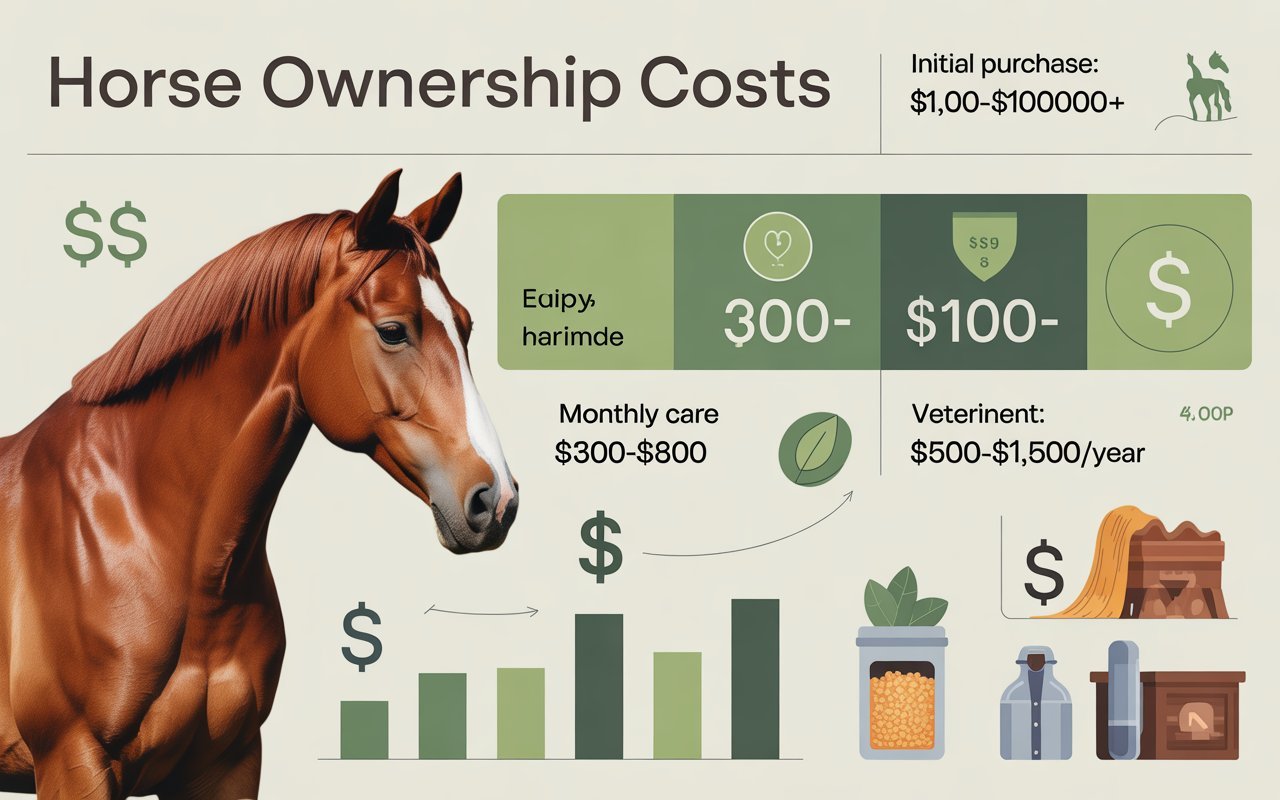
The price of a horse varies widely depending on several factors such as breed, training, age, and intended use.
On the lower end, you might find horses available for $500 to $3,000. These are often older animals, rescue horses, or those with limited training.
A more typical range for a recreational riding horse falls between $3,000 and $10,000. These horses are usually healthy, trained, and suitable for casual riding.
High-level competition horses, however, can cost $25,000 to $100,000 or more. Elite animals used in professional competitions sometimes sell for six or even seven figures.
So if you’re wondering about a simple answer, the honest truth is this: the cost can range anywhere from a few hundred dollars to hundreds of thousands.
Breed and Its Influence on Price
Different breeds come with different price tags, much like dog breeds or luxury car brands.
For example:
-
Arabians are prized for endurance and elegance.
-
Quarter Horses are popular for versatility and ranch work.
-
Thoroughbreds are known for racing and athleticism.
-
Warmbloods are often used in dressage and show jumping.
Rare or prestigious bloodlines tend to cost more because they offer predictable traits such as temperament, speed, or strength.
If you’re simply looking for a friendly companion for casual rides, you don’t necessarily need a famous pedigree. However, competitive riders often invest in specific breeds to improve performance.
Training Level and Experience
Training plays a huge role in determining a horse’s value.
A young horse with little training is usually cheaper because it requires time and expertise to develop. On the other hand, a well-trained horse that responds reliably to commands can cost significantly more.
You’ll generally encounter three categories:
Untrained or Green Horses
These animals may only have basic handling experience. They are less expensive but require skilled training.
Partially Trained Horses
They know basic riding commands but still need refinement.
Fully Trained Horses
These horses can perform specific tasks such as trail riding, jumping, or dressage movements.
The more training a horse has, the more valuable it becomes. After all, you’re not just buying the animal—you’re buying the time and expertise that went into developing it.
Age and Health Considerations
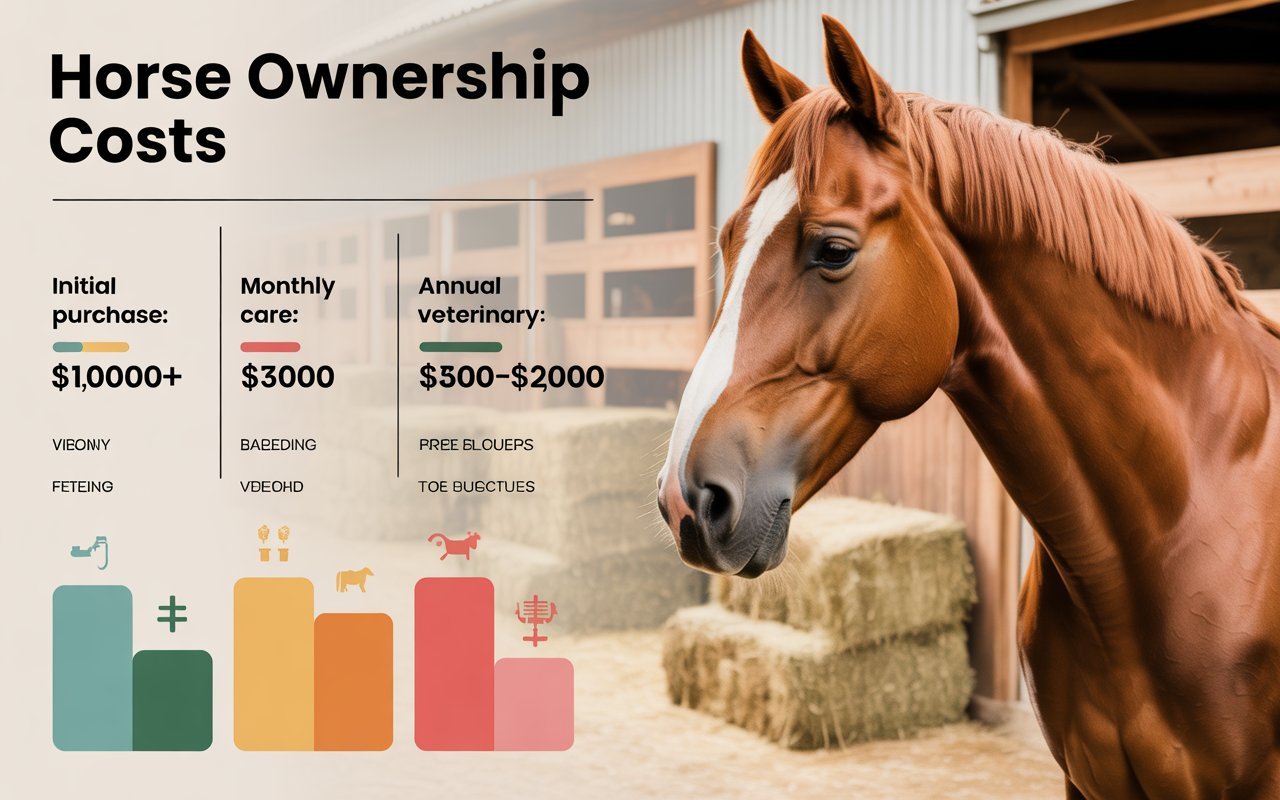
Age is another important factor in pricing.
Young horses often cost less because they still need training and development. However, they also offer many years of riding ahead.
Middle-aged horses (usually between 7 and 15 years old) often command higher prices. They tend to be well-trained and physically mature, making them ideal for many riders.
Older horses can be cheaper, but they may require more veterinary care.
Health also matters greatly. A horse with a clean medical record and strong physical condition will usually be worth more than one with injuries or chronic issues.
Purpose: Riding, Competition, or Work
Why do you want a horse? The intended purpose can dramatically change the cost.
Some horses are bred and trained specifically for particular activities, such as:
-
Trail riding
-
Ranch work
-
Racing
-
Show jumping
-
Dressage
-
Barrel racing
Competition horses require advanced training and superior physical ability. Because of this, they are usually much more expensive.
In contrast, horses intended for leisure riding are typically more affordable.
Initial Costs Beyond the Purchase Price
Buying the horse itself is only the beginning. Several one-time expenses occur during the purchasing process.
These may include:
Veterinary Pre-Purchase Exam
A vet check ensures the horse is healthy and suitable for your needs. This can cost a few hundred dollars but is well worth the investment.
Transportation
Moving a horse from the seller’s location to your stable can cost anywhere from $100 to several thousand dollars depending on distance.
Tack and Equipment
You’ll also need gear such as a saddle, bridle, grooming tools, and blankets. This setup can easily reach $500 to $3,000 or more.
These startup costs are often overlooked by beginners.
Boarding and Housing Expenses
Not everyone has land suitable for keeping a horse, which is why many owners rely on boarding facilities.
Boarding fees vary depending on services offered. Typical options include:
Pasture Boarding
The horse lives outdoors with minimal care services.
Partial Boarding
The facility provides feed and shelter, but owners handle some care tasks.
Full-Service Boarding
Staff manage feeding, cleaning stalls, and daily care.
Monthly boarding can range from $200 to $1,500 or more, depending on location and amenities.
Urban areas or premium stables often charge significantly higher prices.
Feeding and Nutrition Costs
Horses are large animals with healthy appetites. Feeding them properly is essential for maintaining energy and health.
A typical horse diet includes:
-
Hay or pasture grass
-
Grain or feed supplements
-
Mineral supplements
-
Fresh water
Depending on quality and availability, feeding costs may range from $100 to $300 per month.
In areas where hay is expensive or during drought seasons, costs can increase.
Veterinary Care and Health Maintenance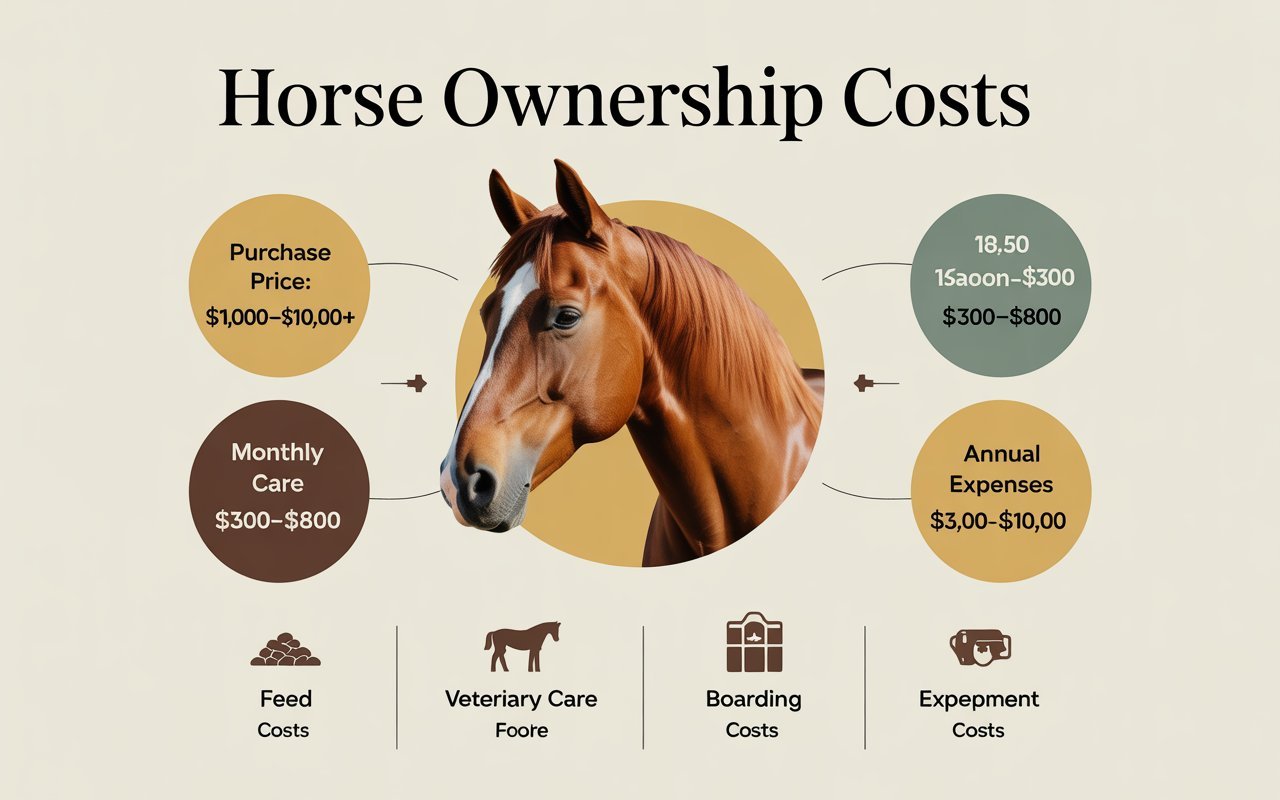
Routine medical care is an essential part of responsible horse ownership.
Regular health expenses may include:
-
Vaccinations
-
Dental care
-
Deworming
-
Health checkups
Annual veterinary care typically costs $300 to $800, though unexpected medical issues can increase expenses.
Horses are powerful animals, but they can also be sensitive to injuries and illnesses, which is why preventive care is important.
Farrier and Hoof Care
A horse’s hooves require regular maintenance to keep them healthy.
Most horses need a visit from a farrier every 6 to 8 weeks. Farriers trim hooves and may apply horseshoes if necessary.
Typical costs include:
-
Hoof trimming: $40–$80
-
Shoeing: $100–$250 or more
Hoof care might not sound expensive at first, but over the course of a year it becomes a significant part of the budget.
Equipment, Gear, and Miscellaneous Costs
Owning a horse also involves smaller but frequent purchases.
These can include:
-
Grooming supplies
-
Fly spray
-
Blankets and sheets
-
Halters and lead ropes
-
Stable bedding
While each item may seem minor, they add up over time. Many horse owners spend $500 to $1,000 annually on equipment and supplies.
Training and Lessons
If you’re new to riding, professional training or lessons can make the experience safer and more enjoyable.
Training programs may cost anywhere from $300 to $1,000 per month depending on the trainer and facility.
Even experienced riders often continue lessons to improve skills or prepare for competitions.
Think of training like education for both you and the horse—it builds communication, confidence, and trust.
Insurance and Emergency Funds
Some horse owners choose to insure their animals, particularly if they are valuable competition horses.
Insurance may cover:
-
Mortality
-
Major medical care
-
Liability
Policies vary, but insurance usually costs 2% to 4% of the horse’s value annually.
It’s also wise to maintain an emergency fund. Unexpected veterinary procedures can cost thousands of dollars, and being financially prepared helps ensure the horse receives proper care.
Is Owning a Horse Worth the Cost?
For many people, the emotional reward of horse ownership outweighs the financial commitment.
Horses are intelligent, social animals capable of forming strong bonds with their owners. Spending time grooming, riding, and caring for a horse can be incredibly fulfilling.
However, owning one requires time, dedication, and financial stability.
Before making the decision, it’s important to evaluate your lifestyle, budget, and long-term commitment. Horses often live 25 to 30 years, meaning ownership can be a decades-long responsibility.
Conclusion
The price of a horse can vary dramatically depending on breed, training, age, and intended use. While some horses can be purchased for a few hundred dollars, others may cost tens of thousands or more. Yet the purchase price is only the beginning.
Monthly expenses for boarding, feed, veterinary care, and equipment quickly add up, often reaching several thousand dollars per year. Like maintaining a vehicle or caring for a home, the ongoing costs play a major role in the overall investment.
That said, horse ownership offers something truly special. The partnership between a rider and a horse is built on trust, patience, and mutual understanding. For those who are prepared for the responsibility, the experience can be deeply rewarding and unforgettable.
If you’re considering bringing a horse into your life, the best step is careful planning. Understanding the financial commitment ahead of time ensures that both you and your future horse can enjoy a healthy and happy partnership.
Frequently Asked Questions
1. What is the cheapest price for a horse?
Some horses can be found for $500 or less, especially through rescues or private sellers. However, the ongoing care costs are far more significant than the purchase price.
2. How much does it cost per year to own a horse?
Annual expenses often range from $3,000 to $10,000, depending on boarding, feed, veterinary care, and other services.
3. Is it cheaper to keep a horse on your own property?
Yes, keeping a horse on your land can reduce boarding fees. However, you must still pay for feed, shelter, fencing, and maintenance.
4. Why are some horses extremely expensive?
Competition horses with elite bloodlines, advanced training, and proven performance records can be very valuable, which increases their price.
5. Can beginners buy a horse right away?
Yes, but beginners are usually encouraged to take riding lessons first. This helps them understand horse care, riding skills, and the responsibility involved.
