


Introduction
When you turn your key or press the start button, your car roars to life in seconds. But have you ever stopped and asked yourself, how many volts is a car battery and why it matters?
It might sound technical, but don’t worry. We’re going to break it down in simple language. Whether you’re a new driver, someone dealing with a dead battery, or just curious, this guide will help you understand everything you need to know about car battery voltage.
Think of your car battery like a heart. Just as your heart pumps blood to keep your body running, the battery supplies power to keep your vehicle alive. And voltage? That’s the strength of the heartbeat.
1. What Does Voltage Mean?

Voltage is the pressure of electrical energy.Before we answer how many volts is a car battery, let’s understand what voltage actually is.
Imagine water flowing through a pipe. The higher the pressure, the stronger the water flow. Voltage works the same way. It pushes electrical energy through your car’s wires to power the engine, lights, radio, and more.
No voltage? No power. It’s that simple.
2. Standard Voltage of a Car Battery
So, how many volts is a car battery?
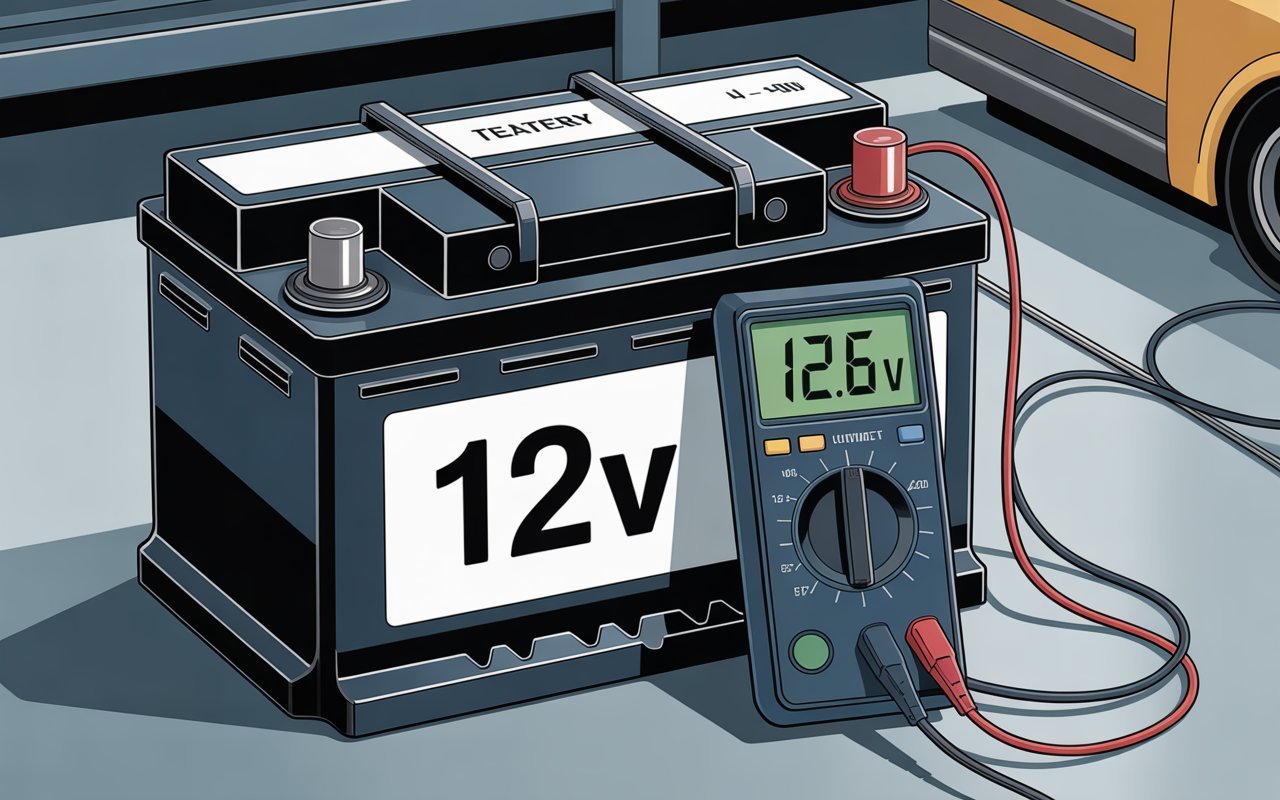
A standard car battery is 12 volts.
Most passenger vehicles, including sedans, SUVs, and small trucks, use a 12-volt battery system. This has been the industry standard for decades.
However, that 12 volts isn’t always exactly 12. When fully charged and resting, a healthy car battery usually reads around 12.6 volts.
3.Why 12 Volts Is the Standard
You might wonder, why not 10 volts? Or 20?
The 12-volt system became standard because it offers the perfect balance between:
-
Power
-
Efficiency
-
Cost
-
Safety
A lower voltage wouldn’t provide enough energy to start modern engines. A higher voltage would require thicker wires and more complex systems, increasing cost.
It’s like choosing the right shoe size — too small or too big causes problems. Twelve volts just fits.
4. What Voltage Should a Healthy Battery Show?
 Let’s get more specific.
Here’s what different voltage readings usually mean:
-
12.6 volts or higher – Fully charged
-
12.4 volts – About 75% charged
-
12.2 volts – About 50% charged
-
12.0 volts – Nearly discharged
-
Below 11.8 volts – Dead battery
If your battery is resting (engine off) and reads under 12 volts, it may need charging or replacement.
5. Voltage When the Engine Is Running
Here’s where it gets interesting.
When your engine is running, the reading should be between 13.7 and 14.7 volts.
Why?
Because your alternator is charging the battery while the engine runs. The extra voltage ensures the battery stays charged and powers all electrical components.
If the reading is below 13 volts while running, your charging system might have an issue.
6. What Happens When Voltage Drops?
Low voltage can create several problems:
-
Slow engine crank
-
Dim headlights
-
Electrical glitches
-
Clicking sound when starting
-
Complete failure to start
When battery voltage drops too low, your car simply doesn’t have the strength to turn the engine over.
Have you ever tried lifting something heavy when you’re exhausted? That’s your car trying to start with low voltage.
7. 6V vs 12V vs 24V Batteries
Not all vehicles use 12 volts.
Let’s compare:
6-Volt Batteries
-
Found in vintage or classic cars
-
Less powerful
-
Rare in modern vehicles
12-Volt Batteries
-
Standard in most passenger vehicles
-
Balanced performance and cost
-
Most common today
24-Volt Batteries
-
Used in large trucks
-
Heavy-duty equipment
-
Military vehicles
Heavy-duty engines require more power, so they use two 12V batteries connected together to create 24 volts.
8. How to Test Car Battery Voltage
Testing your battery is easier than you think.
All you need is a multimeter.
Step-by-Step Guide
-
Turn off the engine.
-
Set multimeter to DC volts.
-
Connect red probe to positive terminal.
-
Connect black probe to negative terminal.
-
Read the display.
If you see 12.6 volts, you’re good. If it’s lower, it might need charging.
Testing voltage regularly can prevent unexpected breakdowns.
9. Signs of a Weak Battery
Voltage problems don’t come without warning.
Watch for these signs:
-
Engine cranks slowly
-
Dashboard warning light
-
Corroded terminals
-
Swollen battery case
-
Frequent jump-starts
Most car batteries last 3 to 5 years. After that, voltage naturally drops due to chemical wear.
10. Factors That Affect Battery Voltage
Several things impact your battery’s performance:
Temperature
Cold weather reduces battery strength. In winter, batteries work harder.
Short Trips
Frequent short drives don’t allow the alternator to fully recharge the battery.
Age
Batteries weaken over time. Chemical reactions inside slow down.
Electrical Load
Using headlights, AC, stereo, and chargers drains power quickly.
If your car sits unused for weeks, the voltage will slowly drop.
11. How to Maintain Proper Voltage
Want to keep your battery healthy?
Here are practical tips:
-
Drive regularly
-
Clean battery terminals
-
Avoid short trips
-
Turn off lights when parked
-
Test voltage twice a year
Maintenance is simple but makes a big difference. Think of it like brushing your teeth — small effort, big protection.
12. When to Replace Your Car Battery
If your battery:
-
Is older than 4 years
-
Reads under 12 volts repeatedly
-
Fails to hold charge
-
Causes frequent starting issues
…it might be time for replacement.
Don’t wait until you’re stranded in a parking lot at night. Replacing early saves stress.
Conclusion
So, how many volts is a car battery?
For most cars, the answer is simple: 12 volts. But understanding voltage goes beyond that number. A fully charged battery should read around 12.6 volts, and while running, around 14 volts.
Voltage is the pulse of your car’s electrical system. Without it, nothing works. By checking it occasionally and understanding the signs of trouble, you can avoid unexpected breakdowns and costly repairs.
Next time someone asks about car battery voltage, you won’t just know the number — you’ll understand what it means.
FAQs
1. Can a car start with 12.2 volts?
Yes, but it may struggle. 12.2 volts means the battery is around 50% charged and might not perform reliably.
2. Is 14.5 volts too high while running?
No, that’s normal. A running engine typically shows between 13.7 and 14.7 volts due to alternator charging.
3. What voltage is considered a dead car battery?
Anything below 11.8 volts usually indicates a dead or severely discharged battery.
4. How often should I test my car battery voltage?
Testing every 6 months is a good habit, especially before winter or long trips.
5. Does cold weather reduce car battery voltage?
Yes, cold temperatures slow chemical reactions inside the battery, lowering available voltage and power.
