

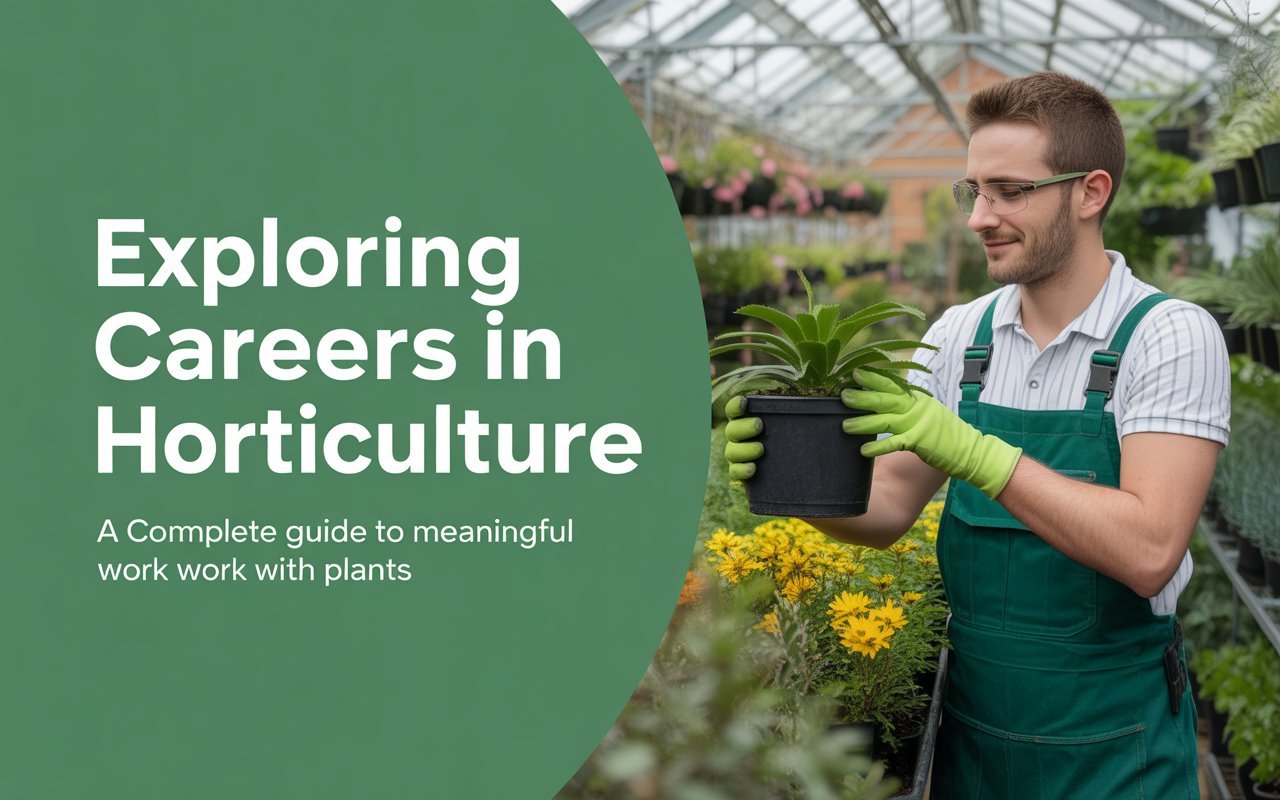

Stepping into the world of horticulture is like entering a living, breathing library where every plant has a story, a purpose, and a lesson to teach. Whether you’re someone who loves being outdoors, enjoys working with your hands, or simply finds comfort in the quiet company of nature, horticulture offers a surprising range of career paths that blend science, creativity, and environmental care. In this guide, we’ll walk through the many opportunities this field offers, what these roles look like in daily life, and how you can get started.
What Makes Horticulture Such a Rewarding Field?
Horticulture is more than planting flowers or trimming shrubs. It’s a field centered on nurturing life. People drawn to it often say they feel a sense of fulfillment watching something grow because of their care. It’s like tending a long-term relationship—you put in the work, and over time, you see the results blossom.
The field appeals to different personalities. Some enjoy quiet solitary work, while others thrive in community gardens or bustling greenhouses. With such variety, it’s easy to find a role that fits your strengths.
Understanding the Scope of Horticulture
Before diving into specific careers, let’s look at what horticulture includes. It’s divided into several branches, each focusing on different types of plant environments.
Ornamental Plant Culture
This branch centers on plants used for aesthetic purposes—flowers, shrubs, and trees that enhance parks, gardens, and public spaces. People in this area often blend artistic vision with plant knowledge.Food Crop Production
This focuses on fruits, vegetables, and herbs. Professionals here may work on improving crop yields, enhancing flavor, or growing healthier, more sustainable produce.
Landscape Design and Management
If you’ve ever admired a beautifully arranged garden or a tidy public park, landscape professionals likely played a big role in bringing that space to life.
Environmental Restoration
This branch works with the earth in a healing way—restoring damaged soils, rebuilding habitats, and reestablishing native plants.
Common Career Paths in Horticulture
Let’s explore some of the most accessible and meaningful roles within this field. You might be surprised by how many choices you have.
Landscaping and Grounds Maintenance
Landscape Worker
If you enjoy physical activity and staying outdoors, working as a landscape worker could be a great entry point. This role involves planting new trees or shrubs, mowing lawns, maintaining irrigation systems, and caring for outdoor spaces. It’s hands-on and rewarding, especially for those who like visual results.
Grounds Technician
These workers help maintain larger spaces such as campuses, resorts, golf courses, and estates. The job requires attention to detail and consistency—think of it as being the caretaker of an outdoor living room.
Garden Center and Nursery Careers
Retail Plant Specialist
In garden centers, you’ll find specialists who help customers choose plants that match their home environment. It’s ideal for social individuals who enjoy sharing plant knowledge and helping others succeed in their home gardens.
Nursery Worker
Nurseries are like the maternity wards of the plant world. Workers grow, water, transplant, and nurture young plants until they’re ready to be purchased. This job teaches you a lot about plant life cycles and care.
Greenhouse Operations
Greenhouse Technician
Greenhouses require detailed monitoring—they’re sensitive environments where temperature, humidity, and light levels must be just right. Technicians help manage these conditions, plant new varieties, and ensure healthy growth.
Propagation Assistant
Propagation involves creating new plants from seeds, cuttings, or root divisions. If you love the idea of giving life to thousands of new plants, this role offers that joy daily.
Horticultural Therapy
Imagine helping people heal emotionally or physically through gardening. That’s what horticultural therapists do. They design garden-based programs for hospitals, rehabilitation centers, special-needs programs, and senior facilities. This career blends empathy with plant knowledge, showing how nature can be a powerful healer.
Urban Agriculture and Community Gardening
As cities grow, so do urban gardens. These roles bring fresh food and green spaces into busy neighborhoods.
Urban Farmer
Urban farmers operate rooftop gardens, indoor farms, and community plots. They may grow herbs for restaurants, vegetables for local markets, or flowers for the community.
Community Garden Coordinator
Coordinators help residents learn to grow their own food, manage garden plots, and plan events. This role is perfect for those who love both plants and people.
Botanical Garden and Park Roles
Garden Curator
Curators manage plant collections, plan displays, and coordinate educational programs. Their work helps visitors learn about rare or endangered plants.
Conservation Assistant
These workers support efforts to protect plant species and maintain ecosystems. They may conduct fieldwork, research, and seed collection.
Scientific and Technical Careers in Horticulture
If you love science, there are specialized roles to explore.
Plant Research Technician
These technicians support researchers in laboratories or test fields. They collect samples, observe growth patterns, and help test new plant varieties or growing techniques.
Soil Analyst
Soil health is crucial to plant success. Analysts test soil for nutrients, structure, and contaminants. Their work helps guide farmers, landscapers, and environmental restoration teams.
Educational and Advisory Roles
Extension Agent
Extension agents work through universities or government programs to educate communities about gardening, pest control, soil care, and sustainable practices. They answer questions, host workshops, and support local growers.
Horticulture Instructor
These educators teach at schools, colleges, or private workshops. If you enjoy sharing knowledge, this career allows you to inspire the next generation.
Seasonal and Entry-Level Jobs for Beginners
Not everyone begins their journey with long-term plans. Many start small and discover their passion along the way.
Seasonal Farm Worker
During planting or harvest seasons, farms hire extra hands. These roles offer great learning experiences and require no prior training.
Park Maintenance Assistant
City parks often hire temporary workers to help maintain trails, plant flowers, and keep grounds clean during busy seasons.
These entry-level jobs can easily evolve into long-term careers as you gain experience and confidence.
Skills You Need for Success
Horticulture jobs are diverse, but they share certain skill requirements.
Physical Endurance
Many jobs involve bending, lifting, and being outdoors in various weather conditions.
Observation Skills
Plants can’t talk—but they do show signs. Spotting changes early helps keep them healthy.
Patience
Plants grow at their own pace. This field teaches you to appreciate slow but steady progress.
Curiosity
New methods and plant varieties appear constantly. A love for learning helps you stay adaptable.
How to Get Started With a Career in Horticulture
Here’s a simple roadmap:
Step 1 — Explore Entry-Level Roles
Start where you are—nurseries, parks, farms, or garden centers.
Step 2 — Take Short Courses or Workshops
Local organizations often offer low-cost classes to build your foundation.
Step 3 — Pursue Certification or Formal Training
This step is optional but can open doors to higher-paying careers.
Step 4 — Volunteer Locally
Working with community gardens or park programs builds experience and connections.
The Future of Horticulture Careers
As environmental concerns rise, horticulture careers are becoming more important. Job opportunities are growing in sustainable farming, native plant restoration, hydroponics, and public green space management. The field continues to evolve, embracing technology while maintaining its deep connection to nature.
It’s a career path offering stability, creativity, and meaningful impact—something not every job can claim.
Conclusion
Horticulture offers a world of opportunities for people who enjoy working with plants and caring for the environment. Whether you want a quiet greenhouse job, a dynamic landscaping role, or a career helping communities grow their own food, there’s a path for you. More than anything, horticulture teaches us patience, resilience, and appreciation for life’s natural rhythms. If you’ve ever felt drawn to nature, this may be the perfect field to explore.
FAQs
1. Do I need formal education to start a career in horticulture?
Not necessarily. Many jobs allow beginners to start with no experience. You can learn on the job and pursue training later if you wish.
2. Are horticulture jobs physically demanding?
Some roles involve physical work, like lifting or outdoor tasks. However, there are also less strenuous positions such as retail plant sales, research assistance, or teaching.
3. What type of workplaces hire horticulture professionals?
You can find jobs in nurseries, farms, botanical gardens, parks, greenhouses, landscaping companies, schools, and environmental organizations.
4. Can horticulture lead to well-paying careers?
Yes. Specialized roles like landscape designer, greenhouse manager, extension agent, or plant researcher can offer competitive salaries as you gain expertise.
5. Is horticulture a good career choice for someone who enjoys nature?
Absolutely. If you love plants, outdoor environments, and meaningful hands-on work, horticulture provides a fulfilling and dynamic career path.
