


Introduction
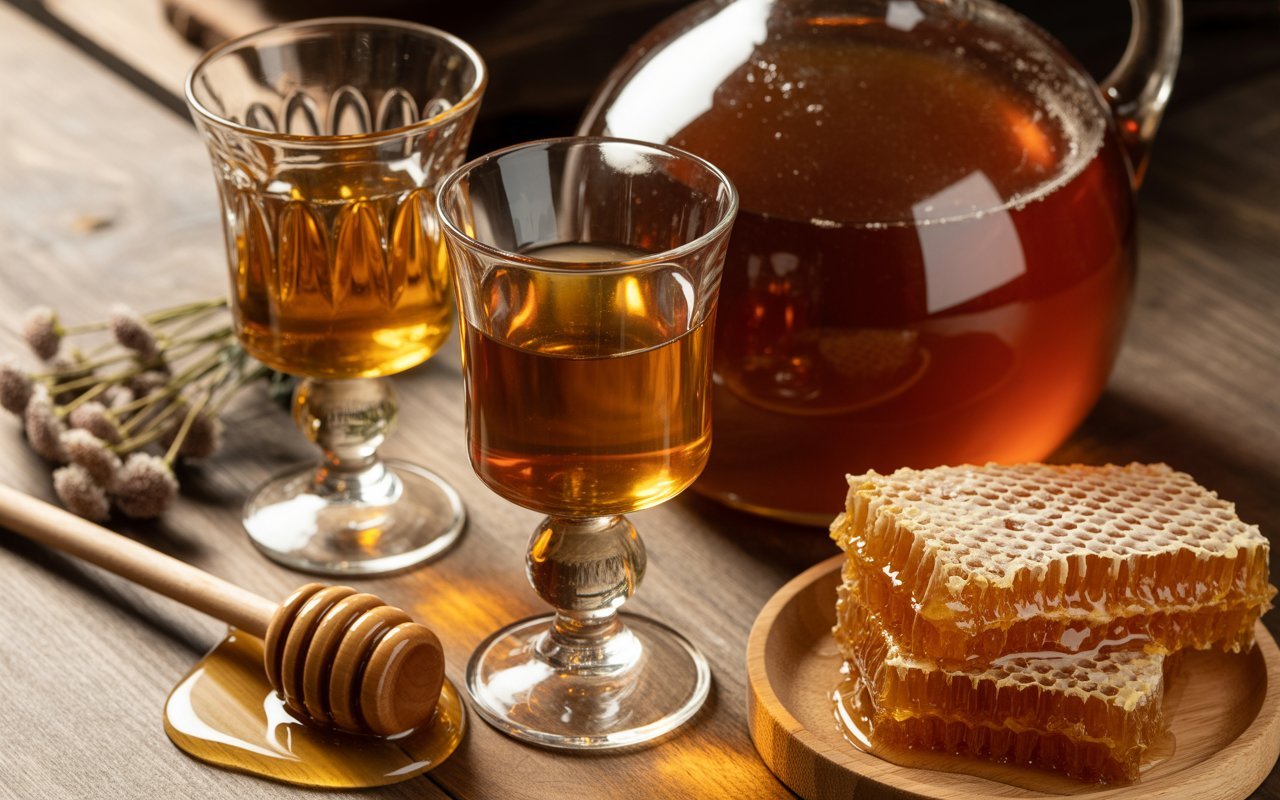
Have you ever wondered what happens when honey, water, and time come together? The answer is honey wine, more commonly known as mead—one of the oldest alcoholic drinks known to humanity. Long before modern wineries and craft breweries existed, people were fermenting honey into a golden beverage that felt almost magical. Think of mead as liquid sunshine in a glass: warm, comforting, and full of stories. Whether you’re curious, cautious, or completely new, this guide will walk you through everything you need to know about honey wine and mead—without the complicated talk.
What Is Honey Wine and Mead?
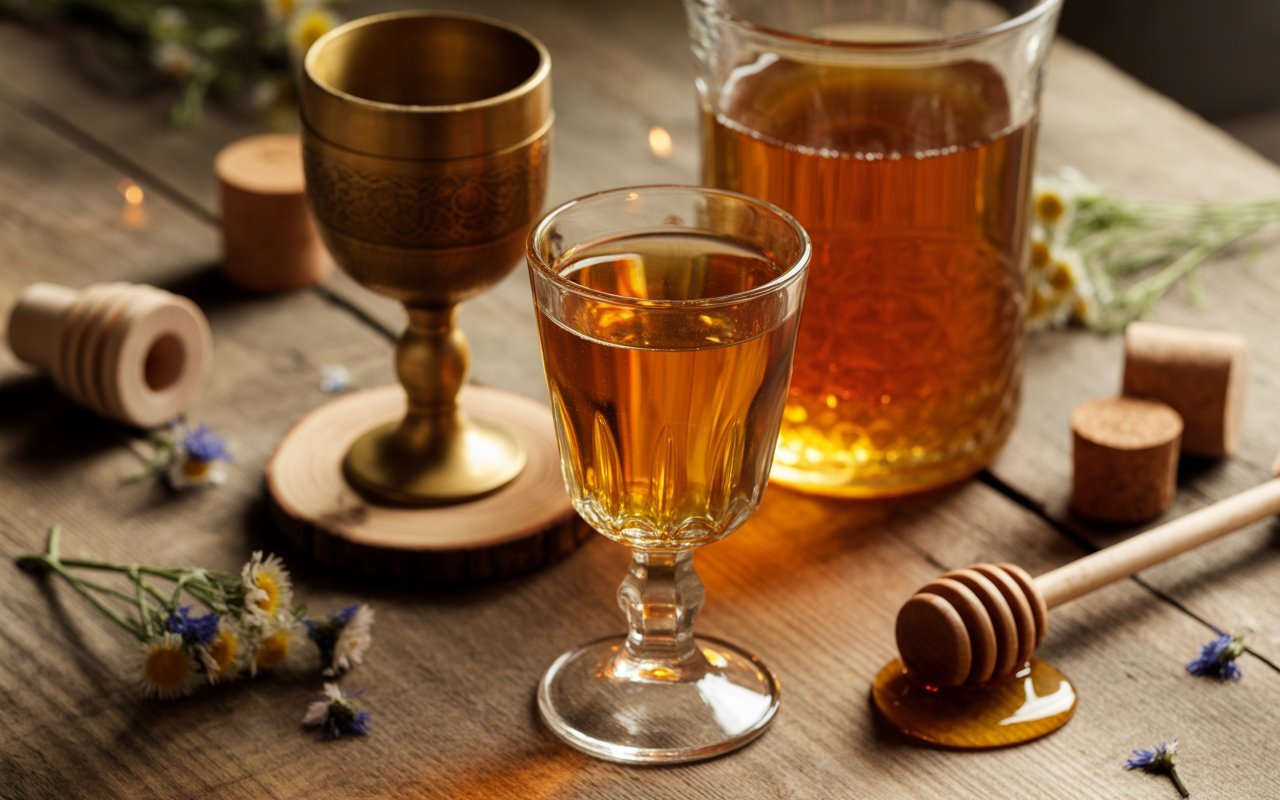
Honey wine, traditionally called mead, is an alcoholic drink made by fermenting honey with water. Sometimes fruits, herbs, or spices are added, but the soul of the drink always remains honey. Unlike grape wine or grain-based drinks, mead stands in its own category. It’s simple at its core, yet endlessly flexible—kind of like bread made from just flour and water, but with infinite variations.
A Brief History of Mead
Mead predates written history. Ancient civilizations across Europe, Africa, and Asia enjoyed honey wine thousands of years ago. Vikings believed mead gave wisdom and courage. Kings drank it at feasts, and poets wrote about it as a drink of the gods. Before vineyards were common, honey was often easier to find than grapes, making mead the go-to celebratory drink of early societies.
Why Honey Is the Heart of Mead
Honey isn’t just a sweetener—it’s the backbone of honey wine. Its natural sugars feed fermentation, while its floral notes shape the flavor. Different honeys create different results. Clover honey produces a gentle taste, while wildflower honey adds complexity. Think of honey as the personality of mead: change the honey, and you change the character entirely.
How Honey Wine Is Made
The process of making mead is surprisingly straightforward. Honey is mixed with water, yeast is added, and time does the rest. Fermentation can take weeks or months, depending on the style. Unlike many modern drinks, mead doesn’t rely on additives or heavy processing. It’s more like letting nature write the recipe—slowly, patiently, and beautifully.
Different Types of Mead
Mead comes in many styles, each with a unique twist:
-
Traditional Mead: Just honey, water, and yeast
-
Fruit Mead: Honey wine with added fruits
-
Spiced Mead: Infused with herbs or spices
-
Herbal Mead: Inspired by ancient medicinal blends
Each style offers a new experience, proving that honey wine is anything but boring.
Flavor Profiles Explained
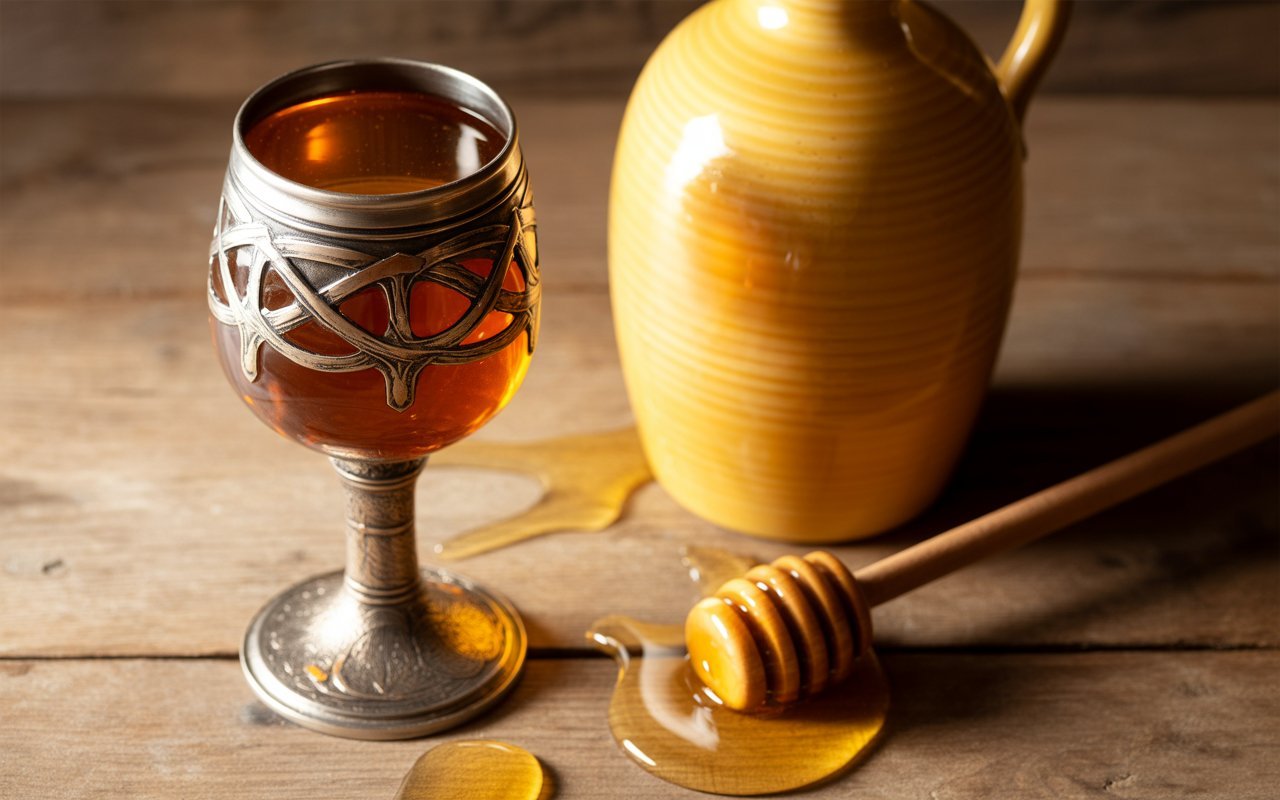
The flavor of mead ranges widely. Some are dry and crisp, others sweet and dessert-like. You might taste notes of flowers, citrus, or even earthy tones depending on the honey source. Drinking mead is like listening to acoustic music—simple, layered, and full of feeling rather than noise.
Mead vs Wine vs Beer
While all are fermented, mead stands apart. Wine relies on fruit sugars, beer uses grains, and mead uses honey. This gives honey wine a smoother, rounder feel. It often falls somewhere between wine and beer in texture, making it approachable even for those who don’t usually drink alcohol.
Alcohol Content and Strength
Mead can be light or strong. Some styles are gentle and session-friendly, while others pack a punch. The alcohol level depends on how much honey is used and how long fermentation continues. This flexibility allows mead makers to craft drinks for casual sipping or special occasions.
How Mead Is Enjoyed Today
Today, mead is served chilled, at room temperature, or even warmed. It’s enjoyed in wine glasses, mugs, or simple cups. Modern drinkers appreciate it not just for its taste, but for its story. Drinking mead feels like touching history—one sip at a time.
Cultural and Modern Revival
Mead is making a comeback. Craft producers around the world are rediscovering honey wine and giving it modern twists. Festivals, tasting rooms, and small producers are bringing it back into the spotlight. It’s no longer just a medieval curiosity—it’s a modern favorite with ancient roots.
Food Pairings with Honey Wine
Honey wine pairs beautifully with many foods. Sweet meads complement desserts, while dry ones balance savory dishes. Cheese, roasted meats, and fruits all pair well. The natural sweetness of honey acts like a friendly bridge between flavors.
Common Myths About Mead
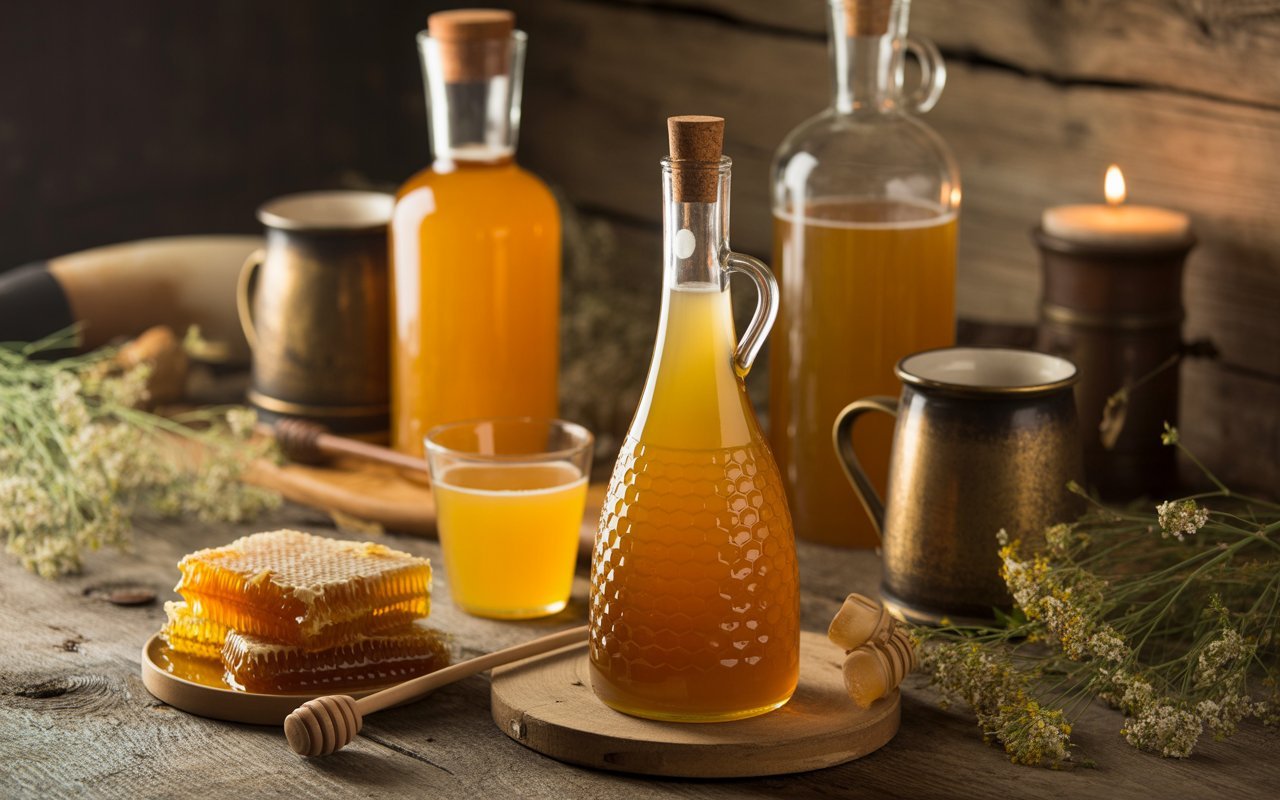
Many people think mead is overly sweet or outdated. In reality, it can be dry, crisp, and modern. Others assume it’s hard to find or expensive, but availability is growing fast. Like many old traditions, mead simply needed rediscovery.
Is Mead Healthy?
While still an alcoholic drink, mead retains trace elements from honey. Historically, it was seen as nourishing and energizing. Enjoyed in moderation, honey wine is often appreciated for its natural ingredients and gentle profile.
Buying Mead: What to Look For
When buying mead, check the honey source and flavor description. A good mead should smell pleasant and taste balanced. Don’t worry about being an expert—exploration is part of the fun.
Final Thoughts on Honey Wine
Honey wine and mead are more than drinks—they’re stories in liquid form. They remind us that some of the best things are simple, slow, and rooted in nature. Whether you’re raising a toast or just exploring new flavors, mead offers a sweet way to connect past and present.
FAQs
1. What is the difference between honey wine and mead?
Honey wine and mead are essentially the same; mead is the traditional name for wine made from honey.
2. Is mead sweet or dry?
It can be either. Mead ranges from dry to sweet depending on the recipe and fermentation.
3. Does mead taste like honey?
Yes, but gently. The flavor is often more floral and smooth than sugary.
4. Can beginners enjoy mead easily?
Absolutely. Many meads are smooth and approachable for new drinkers.
5. Is mead still popular today?
Yes, mead is experiencing a modern revival with growing global interest.
