

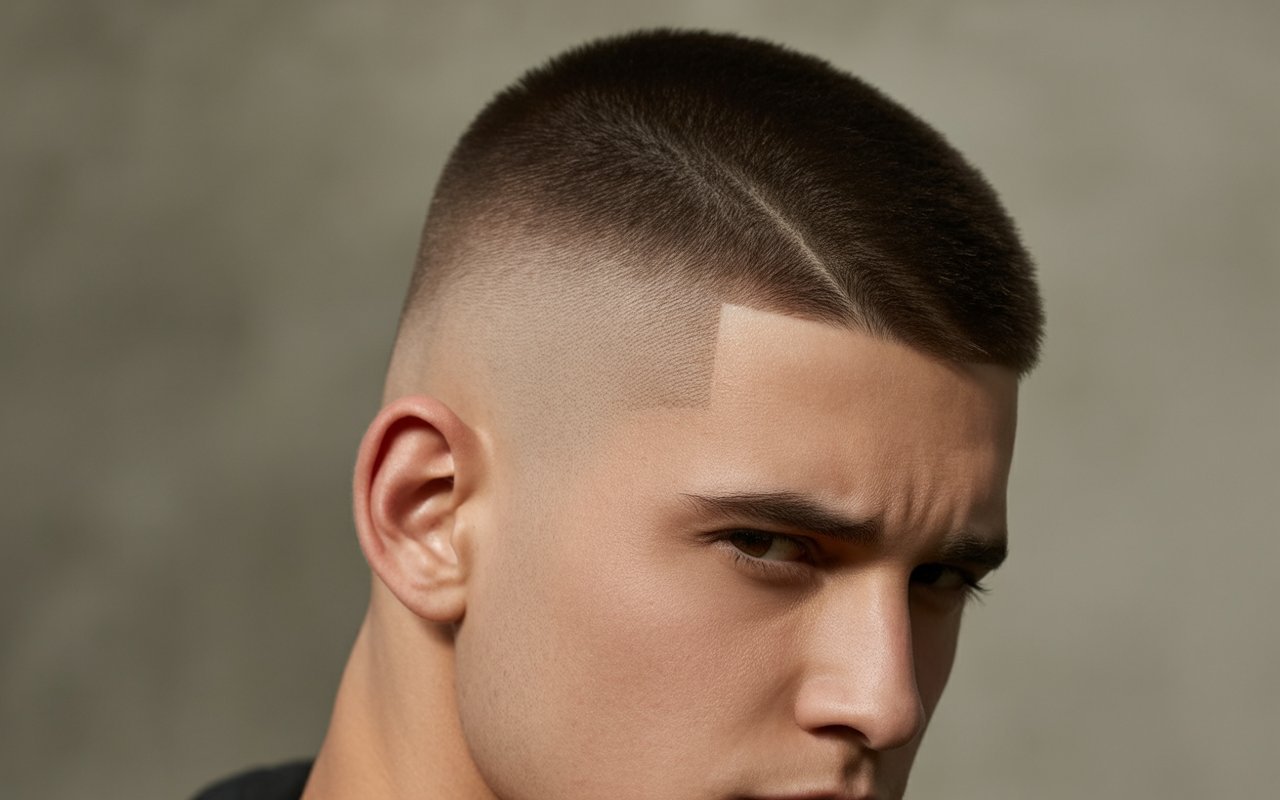

Introduction
The high and tight haircut is one of those styles that never seems to fade away. It’s sharp. It’s clean. It’s practical. And honestly, it makes a statement without trying too hard. Have you ever noticed how some haircuts instantly give off confidence? This is one of them.
Whether you’ve seen it on military personnel, athletes, or your local barber’s Instagram page, this cut carries a strong presence. But what exactly makes it so popular? Why do so many men keep coming back to it year after year?
Let’s break it down in simple terms and explore everything you need to know.
1. What Is a High and Tight Haircut?
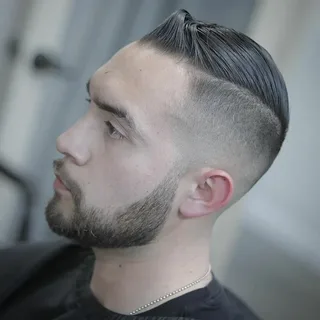 At its core, the high and tight haircut is a short style where the sides and back are clipped very close to the scalp, while the top is left slightly longer. The “high” refers to how high up the fade or shaved portion goes on the head. The “tight” describes how short and clean the overall look is.
Imagine trimming a lawn neatly along the edges but leaving a little grass at the center—that’s the same visual effect. Sharp edges, defined contrast, and minimal fuss.
This cut is bold without being flashy. It doesn’t rely on heavy styling products or complicated techniques. That’s part of its charm.
2. The History Behind the Style
The origins of this haircut trace back to the military. Soldiers needed practical grooming that was easy to manage and hygienic in tough conditions. Short sides meant comfort under helmets. Minimal hair meant fewer distractions.
Over time, what started as a functional cut turned into a fashion statement. Civilians adopted it because it symbolized strength, discipline, and masculinity.
Today, it’s no longer just a military staple. You’ll spot it in offices, gyms, campuses, and even red carpets.
3. Key Features That Define the Cut
Very Short Sides and Back
The sides are typically shaved or faded using clippers with low guard settings. The transition between shaved and longer hair is usually sharp and noticeable.
Slightly Longer Top
The hair on top is short but left long enough to create subtle texture. It’s not long enough to style into a pompadour, but enough to avoid looking completely shaved.
Clean Hairline
A defined hairline or lineup often complements the look. This enhances structure and sharpness.
Together, these features create contrast, which gives the haircut its strong character.
4. Who Should Try This Look?
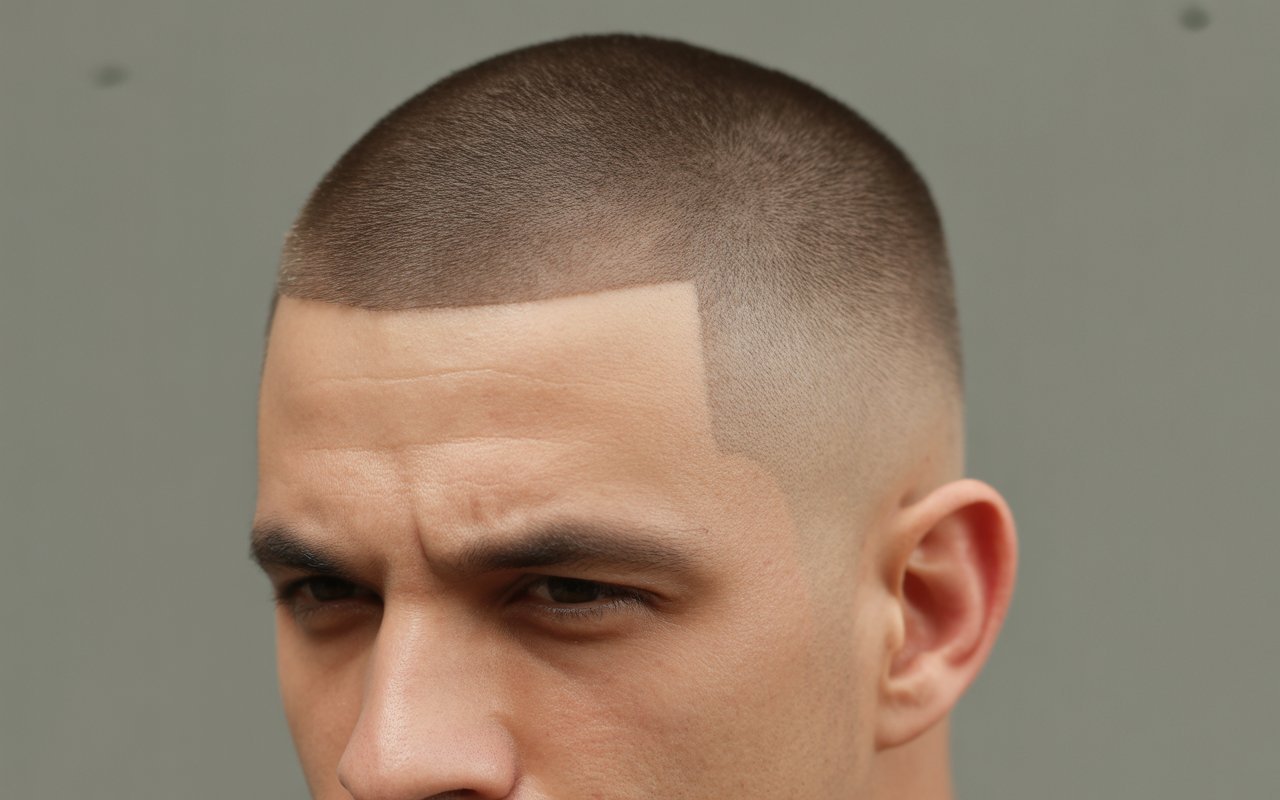
Are you someone who prefers low-maintenance grooming? Do you want a style that works in both professional and casual settings? Then this might be the perfect fit.
It’s especially great for:
-
Men who sweat a lot or live in warm climates
-
Athletes
-
Busy professionals
-
Anyone who prefers neat grooming
However, it’s also important to consider your head shape and personal style. Since the cut is short, it doesn’t hide imperfections. It reveals everything.
5. Face Shapes That Work Best
Oval Faces
This shape is the most versatile. Almost any haircut works well, including this one.
Square Faces
Strong jawlines pair beautifully with this clean cut. The sharp fade enhances facial angles.
Round Faces
If done correctly with slightly more volume on top, this style can add height and balance.
If you’re unsure, ask your barber. A good professional can tweak the fade or top length to suit your proportions.
6. Modern Variations and Trends
Like all classic styles, this one has evolved.
High and Tight Fade
Instead of a harsh contrast, the fade blends gradually from skin to top.
Textured Top
Barbers now add subtle layers for a more modern finish.
Beard Combination
Pairing this cut with a well-groomed beard creates balance and character.
Trends constantly shift, but the foundation remains unchanged: short, sharp, confident.
7. How to Ask Your Barber for It
Communication is key. Don’t just say, “Give me something short.” Be specific.
You could say:
-
“I’d like a high fade with a short top.”
-
“Clipper setting one on the sides, slightly longer on top.”
If possible, show a reference photo. That eliminates confusion.
Remember, every barber has a slightly different interpretation. A picture speaks louder than words.
8. Styling Tips for Daily Wear
You might think such a short haircut doesn’t need styling—but a little effort goes a long way.
Use a Light Product
A small amount of matte pomade or styling cream adds texture.
Keep It Natural
Since the cut is simple, over-styling ruins the appeal.
Brush or Finger Style
You don’t need a blow dryer. Just towel dry and shape gently.
Think of it like seasoning food. Too much seasoning spoils the dish. Just enough enhances it.
9. Maintenance and Upkeep
This is where commitment comes in.
Because the sides are shaved or faded high, regrowth becomes noticeable quickly. Most men need a touch-up every 2–3 weeks.
Neglecting it can make the style lose its crispness. And trust me, this haircut depends on that clean edge.
Regular trims keep it looking intentional instead of accidental.
10. Pros and Cons to Consider
Pros
-
Easy to manage
-
Professional appearance
-
Great for hot weather
-
No heavy styling needed
Cons
-
Frequent barber visits
-
Limited styling flexibility
-
Highlights scalp shape
Before making the change, ask yourself: Are you ready for short hair at all times? If yes, this could be your next signature look.
11. High and Tight vs. Other Short Cuts
Some people confuse this style with similar short hairstyles.
Crew Cut
A crew cut usually has more gradual blending and slightly more length overall.
Buzz Cut
A buzz cut is uniform all around, without that distinct contrast.
Undercut
An undercut has longer hair on top with disconnected sides. It’s more dramatic.
The high contrast in this haircut sets it apart. It’s structured, deliberate, and controlled.
12. Final Thoughts
The high and tight haircut is more than just a short trim. It’s a symbol of simplicity and confidence. It doesn’t hide behind trends or flashy techniques. It stands tall in its clean lines and disciplined structure.
If you’re looking for a style that feels like a fresh start—almost like pressing a reset button—this might be exactly what you need. Simple. Sharp. Strong.
Sometimes, less truly is more.
FAQs
1. How often should I trim a high and tight haircut?
Most people need a trim every 2–3 weeks to maintain the sharp fade and clean shape.
2. Can this haircut work with thinning hair?
Yes, short sides can make thinning areas less noticeable, but it’s best to consult your barber for adjustments.
3. Is this style suitable for formal occasions?
Absolutely. Its clean appearance makes it appropriate for business settings and formal events.
4. Does it require daily styling products?
Not necessarily. A small amount of matte cream can enhance texture, but many people wear it naturally.
5. Is the high and tight haircut only for younger men?
Not at all. Men of all ages can wear this look as long as it suits their face shape and personal style.
