


Introduction
dry red wine
Have you ever poured a glass of red wine, taken a sip, and wondered why it tastes bold, smooth, or even a little sharp? You’re not alone. For many people, this style of wine feels mysterious at first, like a book written in a language you almost understand. The good news is that you don’t need a sommelier badge or a fancy vocabulary to enjoy it. This guide is written for everyday readers—curious, open-minded, and ready to learn without feeling overwhelmed.
Think of this article as a long, relaxed chat over a shared bottle. We’ll talk about taste, grapes, food pairings, health myths, and even how to choose a bottle without stress. By the end, you’ll feel confident enough to pick, pour, and enjoy with ease.
What Does “Dry” Really Mean in Wine?
Understanding sweetness versus dryness
When people hear the word dry, they often think of something rough or lacking flavor. In wine, it means something entirely different. Dry simply refers to how much sugar remains after fermentation. If most of the natural grape sugar has turned into alcohol, the wine is considered dry.
Why dryness matters to taste
Without sweetness to soften the edges, flavors like fruit, spice, and earthiness stand out more clearly. It’s a bit like drinking black coffee instead of one loaded with cream and sugar—you notice more detail, for better or worse. This clarity is one reason so many people grow to appreciate dry styles over time.
A Short History of Red Wine Through the Ages
From ancient rituals to dinner tables
Red wine has been part of human culture for thousands of years. Ancient civilizations used it in ceremonies, medicine, and daily meals. It wasn’t a luxury item back then; it was safer to drink than water in many places.
How modern tastes evolved
Over time, winemaking techniques improved, and preferences shifted. Some cultures leaned toward sweeter drinks, while others embraced bold, unsweetened styles. Today’s dry reds reflect centuries of trial, error, and tradition, bottled for modern enjoyment. dry red wine
The Grapes That Shape the Flavor
 Popular varieties and their personalities
Different grapes create very different experiences. Some are light and gentle, while others are powerful and intense. For example:
Cabernet Sauvignon often feels structured and firm.
Merlot tends to be softer and rounder.
Pinot Noir is lighter, with delicate aromas.
Syrah/Shiraz brings spice and depth.
Each grape is like a character in a story, bringing its own voice to the glass.
Why grape choice matters
The grape determines not only flavor but also color, aroma, and texture. Knowing a few basic varieties can help you predict what you might enjoy, even before the cork is pulled.
How Climate and Soil Influence Taste
The role of climate
Grapes grown in warm regions usually taste riper and fuller, while those from cooler areas feel fresher and more restrained. Sunshine, rainfall, and temperature all leave fingerprints on the final bottle.
Soil as a silent contributor
Soil doesn’t just hold roots—it shapes flavor. Rocky ground can produce firm, mineral notes, while clay-rich soil often leads to richer textures. It’s amazing how something underfoot can end up on your palate.
The Winemaking Process Made Simple
From vineyard to fermentation
After harvest, grapes are crushed, and yeast gets to work turning sugar into alcohol. Skins stay in contact with the juice, giving red wine its color and structure.
Aging and its impact
Some wines rest in stainless steel tanks, while others age in oak barrels. Oak can add hints of vanilla, smoke, or spice. Aging is like seasoning a dish—too little feels plain, too much can overpower.
Understanding Texture: Tannins and Body
What are tannins?
Tannins are natural compounds found in grape skins and seeds. They create that slightly drying feeling in your mouth, similar to strong tea. They’re not a flaw; they add structure and balance.
Light, medium, and full-bodied styles
Body refers to how heavy or light the wine feels. A light-bodied red feels easy and refreshing, while a full-bodied one feels rich and weighty. Think of it like milk: skim, whole, or cream.
Food Pairings That Just Make Sense
Why food changes the experience
Food can soften sharp edges or highlight hidden flavors. A sip taken alone can feel very different after a bite of the right dish.
Simple pairing ideas
Grilled vegetables bring out earthy notes.
Roasted meats complement firm textures.
Tomato-based dishes add brightness.
Hard cheeses smooth out bold flavors.
Pairing doesn’t have to be perfect; it just has to be enjoyable.
Common Myths and Misunderstandings
“Dry means bitter”
Not true. While some dry reds can feel firm, bitterness usually comes from poor balance or personal taste preferences.
“You need expert knowledge to enjoy it”
Absolutely not. Wine is meant to be enjoyed, not judged. Your opinion matters more than any score or label.
Health, Moderation, and Lifestyle
Potential benefits in moderation
Some studies suggest that red wine contains compounds that may support heart health. The key word here is moderation—one glass, not the whole bottle.
Knowing your limits
Enjoyment should never come at the cost of well-being. Savor slowly, drink water alongside, and treat wine as a pleasure, not a habit.
Choosing a Bottle Without Feeling Lost
Reading labels with confidence
Labels can look intimidating, but focus on basics: grape variety, region, and alcohol level. You don’t need to understand everything to make a good choice.
Trusting your taste
The best bottle is the one you enjoy. Keep notes, remember favorites, and don’t be afraid to try something new. Exploration is half the fun.
Serving, Storing, and Enjoying at Home
Temperature and glassware
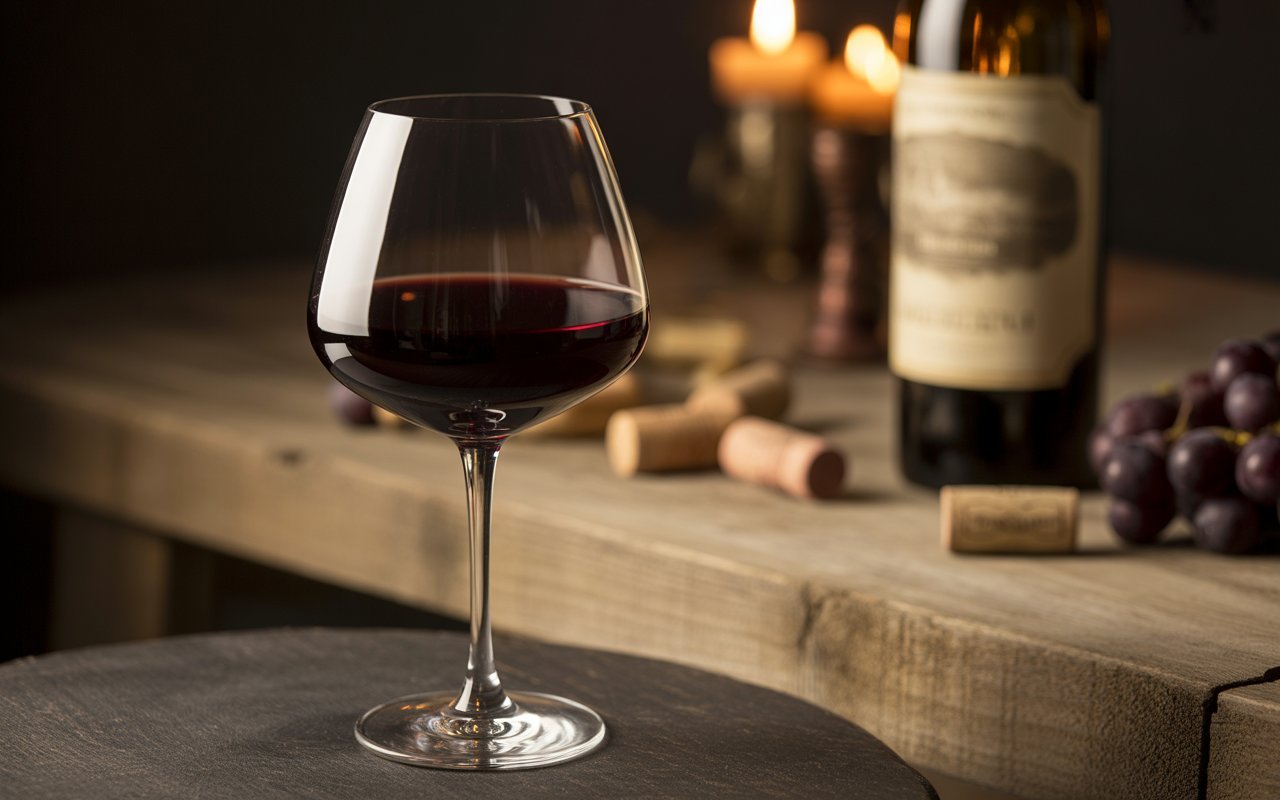
Red wine usually tastes best slightly cooler than room temperature. Use a glass with enough space to swirl and release aromas.
Storing bottles properly
Keep bottles away from heat and light. If you don’t have a cellar, a cool cupboard works just fine for everyday drinking.
Why Dry Red Wine Feels Like a Journey
Every bottle tells a story—from the soil it grew in to the hands that shaped it. Drinking dry red wine is like listening to music without lyrics; it invites you to feel rather than analyze. Sometimes it’s bold and dramatic, other times quiet and reflective. Either way, it rewards patience and curiosity.
Conclusion: Making It Part of Everyday Life
Dry red wine doesn’t have to be intimidating or reserved for special occasions. It can be part of a casual dinner, a conversation with friends, or a quiet evening alone. The more you explore, the more familiar it becomes, like getting to know a new neighbor who slowly turns into a friend. Trust your senses, enjoy the process, and remember—there’s no wrong way to appreciate a glass you genuinely like.
Frequently Asked Questions
1. Is dry red wine always strong in alcohol?
Not always. Alcohol levels vary depending on grape type and region, so you can find lighter options if you look carefully.
2. Can beginners enjoy dry red wine?
Yes, absolutely. Starting with softer, lighter styles can make the experience more approachable.
3. Does aging always make red wine better?
No. Some wines are meant to be enjoyed young, while others improve with time. It depends on how they’re made.
4. Should I decant every bottle of red wine?
Decanting can help some wines open up, but it’s not required for everyday enjoyment.
5. How do I know if I actually like a wine?
If you enjoy drinking it and want another sip, that’s all the proof you need.
