

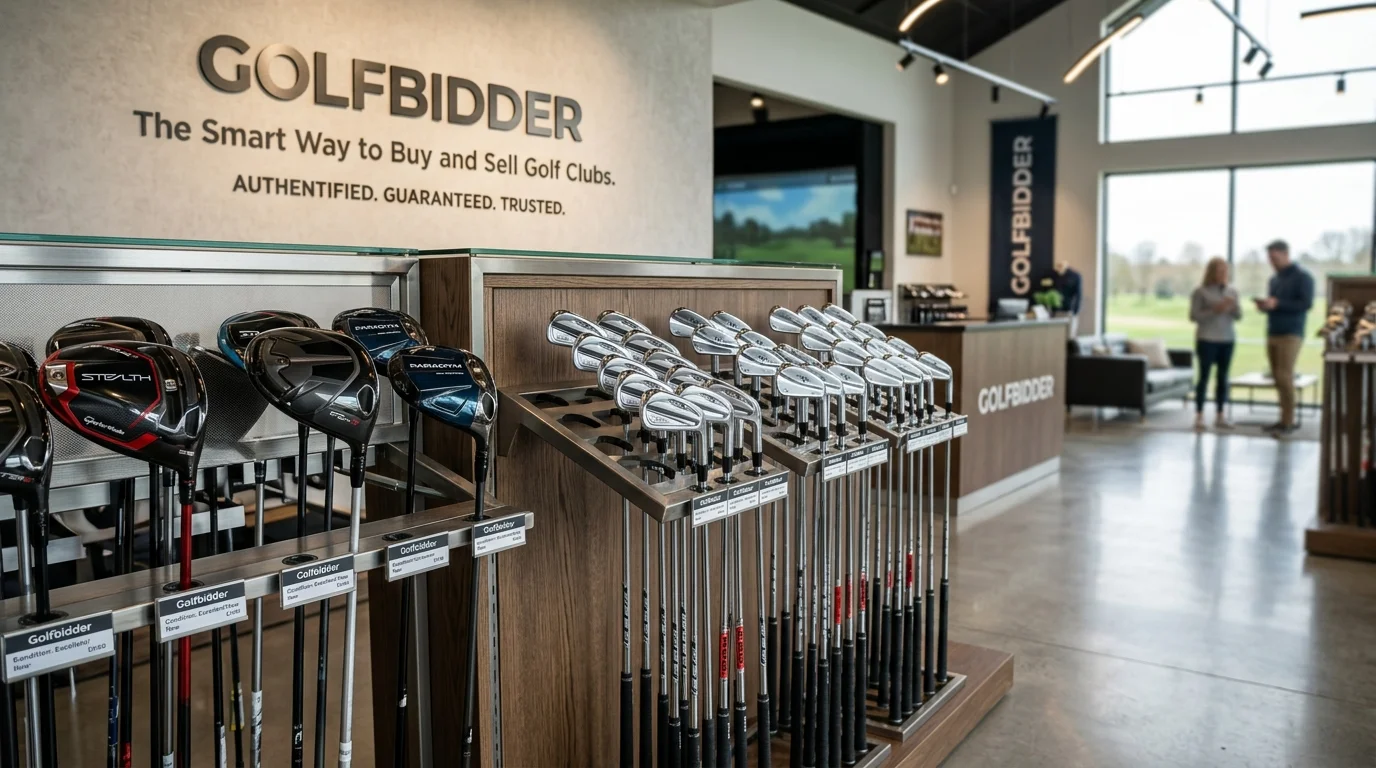

Golfbidder: A Complete Guide for Golfers Looking to Buy, Sell, and Save
Golf can be an amazing game, but let’s be honest—it can also be expensive. Clubs, bags, drivers, irons, putters, and all the little extras can add up quickly. For many golfers, that’s where Golfbidder enters the picture. It has become one of the best-known names for golfers who want to buy quality used clubs, sell old gear, or simply stretch their budget without giving up performance.
If you’ve ever stared at your old clubs and thought, “These are still decent, but I need something better without spending a fortune,” then this topic matters to you. Golfbidder is built around that exact need. It sits between the premium price of brand-new gear and the uncertainty of buying second-hand from random online sellers. Think of it as a bridge between affordability and trust—a bit like buying a pre-owned car from a reputable dealer instead of taking a gamble on a stranger in a parking lot.
In this guide, we’ll walk through what Golfbidder is, how it works, why so many golfers use it, what to watch out for, and how to make the most of it whether you’re buying or selling.
1. What Is Golfbidder?
Golfbidder is a golf equipment marketplace that focuses mainly on used golf clubs and pre-owned golf gear. It allows golfers to buy, sell, and often trade in clubs rather than paying full retail price for brand-new equipment.
The idea is simple: golfers often upgrade their gear, but their older clubs still have value. Instead of letting those clubs gather dust in the garage, they can be sold. At the same time, another golfer can buy them at a lower price than new. It’s a system that benefits both sides.
Golfbidder has become popular because it adds a layer of trust to the second-hand market. Rather than buying from an unknown seller with a blurry photo and vague description, you’re usually dealing with a platform that checks, grades, and lists equipment in a more professional way.
2. Why Golfers Use Golfbidder
There are a few reasons why Golfbidder has built a strong reputation among golfers.
It makes golf more affordable
Golf clubs are not cheap. A brand-new driver alone can cost a serious amount of money. A full set? That can feel like a small investment. Golfbidder helps golfers access good equipment without paying top-end prices.
It gives old clubs a second life
A lot of golfers upgrade before their current clubs are truly “finished.” That means many used clubs still have years of play left in them. Golfbidder gives those clubs a chance to be useful again.
It offers convenience
Selling clubs privately can be a headache. You need to take photos, write listings, answer questions, negotiate prices, and deal with shipping. Golfbidder simplifies much of that process.
It supports smarter shopping
Sometimes the newest release isn’t dramatically better than the model from two years ago. Golfbidder gives golfers access to those slightly older models at a much friendlier price.

3. How Golfbidder Works
At its core, Golfbidder operates in two main directions:
- You buy used golf equipment from them
- You sell your old equipment to them or through their system
For buyers
You browse available clubs on the site, filter by brand, club type, shaft, handedness, loft, and condition, then choose what fits your game and budget.
For sellers
You tell the platform what clubs you have. They assess the likely value, make an offer or provide a trade-in route, and if you accept, you send the clubs in. After inspection, payment or credit is processed.
This model creates a circular golf economy. Clubs move from one golfer to another rather than ending up forgotten in storage.
4. Buying Used Golf Clubs Through Golfbidder
Buying used clubs can feel intimidating at first. You may wonder: Will the clubs be damaged? Will they match the description? What if they don’t suit my game? These are fair questions.
The good news is that buying through a specialist platform like Golfbidder is generally more structured than buying from a random seller.
What you can usually shop for
Golfbidder often stocks a wide range of equipment, including:
- Drivers
- Fairway woods
- Hybrids
- Irons
- Wedges
- Putters
- Complete sets
- Golf bags and accessories
What to check before buying
When browsing, pay attention to:
Club condition – Look at the grading and any notes about wear.
Shaft type – Graphite or steel can make a big difference.
Flex – Regular, stiff, senior, or extra stiff matters for performance.
Loft and lie – These affect launch and accuracy.
Length and specifications – Make sure they fit your swing and height.
Handedness – Sounds obvious, but it’s worth double-checking.
Buying a club just because it’s cheap is like buying shoes in the wrong size because they’re on sale. It may feel like a bargain at first, but it won’t do you much good on the course.
5. Selling Your Old Golf Clubs
If you’ve got clubs sitting around, Golfbidder can be a useful route for selling them. Maybe you’ve upgraded your driver, replaced your irons, or stopped using a putter that never quite clicked. Instead of leaving them unused, you can turn them into money or credit.
Why golfers sell
People sell clubs for many reasons:
- They want to upgrade to newer models
- Their game has changed and they need a different setup
- They have duplicate clubs
- They’re clearing space
- They want to fund a fresh purchase
The basic selling process
Although exact steps can vary, the process usually looks something like this:
- Search for your club model
- Answer questions about condition
- Receive a quote or estimated value
- Send the clubs in
- The clubs are checked
- You receive payment or store credit
This can be far easier than trying to sell privately, especially if you don’t want to negotiate with multiple buyers.
6. How Club Grading and Condition Ratings Work
One of the most useful features of a platform like Golfbidder is the condition grading system. This helps buyers understand what they’re getting before they click “buy.”
Typical condition levels may include:
- Like new
- Very good
- Good
- Fair
- Well used
The exact wording can differ, but the idea is always the same: a clear snapshot of how much wear a club has.
What the grading usually reflects
- Face wear
- Sole scratches
- Crown marks
- Grip condition
- Shaft condition
- Cosmetic damage
This matters because not all “used” clubs are equal. One club may have been used for five rounds, while another has survived three seasons of heavy play. Good grading reduces surprises and helps you balance price against condition.
7. The Biggest Benefits of Buying Used Golf Equipment
Golfbidder’s biggest appeal is simple: value. But the benefits go beyond price.
You can save a lot of money
This is the obvious one. Used clubs are usually cheaper than new ones, sometimes by a significant margin.
You can access better brands for less
Instead of buying a lower-tier new club, you might be able to afford a premium used one from a top manufacturer. That can be a much smarter long-term move.
You can experiment without overspending
Want to try a different putter style? Thinking about switching from cavity-back irons to something more compact? Buying used reduces the financial risk.
It’s more sustainable
Reusing equipment is better than constantly buying new. It keeps gear in play longer and reduces waste.
Depreciation is often lower
A brand-new club can lose value quickly after purchase. Used clubs have already gone through that first big drop, which can make them a better value.
8. Potential Downsides to Keep in Mind
Golfbidder can be a great option, but it isn’t perfect for every golfer or every purchase.
You may not get the absolute lowest price
A specialist platform often costs a little more than buying directly from an individual seller. In return, you usually get more trust, better descriptions, and a smoother process.
Choice can vary
Because stock depends on what people are selling, availability can change quickly. You may not always find the exact model, shaft, and spec combination you want.
Used clubs show wear
Even in good condition, pre-owned clubs are still pre-owned. Cosmetic marks are part of the package.
Trade-in offers may be lower than private sale prices
If you sell through a platform, convenience is part of what you’re paying for. A private sale might bring in more money, but it also requires more effort and patience.
9. Who Should Use Golfbidder?
Golfbidder isn’t just for one kind of golfer. It can be useful for several groups.
Beginners
If you’re new to golf, spending a huge amount on a full set may not make sense. Buying used clubs can help you get started without a painful bill.
Casual golfers
If you play a few times a month and just want solid clubs at a fair price, Golfbidder can be ideal.
Improving players
As your game changes, your equipment needs may change too. Used clubs let you test upgrades more affordably.
Budget-conscious golfers
If you love the game but don’t want to spend a fortune, this route makes a lot of sense.
Golf gear enthusiasts
Some golfers love trying different drivers, wedges, or putters. Buying used makes that hobby easier on the wallet.
10. Tips for Getting the Best Deal
A smart golfer doesn’t just buy the first club they see. If you want to make the most of Golfbidder, keep these tips in mind.
Know your specs first
Before shopping, know what shaft flex, loft, and club type actually suit your swing. A bargain is only a bargain if it works for you.
Compare similar models
Don’t look at one club in isolation. Compare several options from similar generations and price points.
Be realistic about condition
A cheaper club with visible wear might be perfectly fine if performance matters more than appearance.
Use trade-ins strategically
If you’re buying and selling at the same time, trading in old gear can reduce your out-of-pocket cost.
Don’t chase trends
The latest “hot” club is not always the best fit. Focus on performance, not hype.
11. How Golfbidder Compares to Buying New
Buying new has obvious appeal. The plastic is still on the club, the grips are fresh, and you get that feeling of being the first owner. But new isn’t always the smartest choice.
Buying new may make sense when:
- You want the latest release immediately
- You need a fully custom fitting and custom build
- You care strongly about perfect cosmetic condition
- You’re set on a specific configuration that’s hard to find used
Buying used may make more sense when:
- You want better value
- You’re still figuring out your ideal setup
- You don’t mind minor cosmetic wear
- You’d rather spread your budget across multiple clubs
For many golfers, used clubs are the sweet spot between quality and cost.
12. Common Mistakes Golfers Make
Even with a good platform, buyers and sellers can still make avoidable mistakes.
Mistake 1: Buying based on price alone
The cheapest driver isn’t always the best driver for your swing.
Mistake 2: Ignoring shaft details
A club head may look perfect, but the wrong shaft flex or weight can make it feel terrible.
Mistake 3: Overestimating the value of old clubs
When selling, golfers sometimes assume their clubs are worth more than the market says. Sentimental value and resale value are two very different things.
Mistake 4: Not checking condition carefully
Always read the details and look at the grading.
Mistake 5: Chasing equipment instead of improving technique
New clubs can help, but they won’t magically fix poor fundamentals. Equipment matters, but lessons and practice matter too.
13. How to Choose the Right Clubs on Golfbidder
Choosing clubs online can feel like solving a puzzle. But if you break it down, it becomes much easier.
Start with your skill level
Beginners often benefit from forgiving clubs. Lower handicappers may prefer more control and workability.
Think about your usual ball flight
Do you struggle to get the ball airborne? Do you slice? Do you hit it too low? Your tendencies can guide what type of club design might help.
Consider your speed
Swing speed often affects the right shaft flex and even the loft you should use.
Look at your current set
What do you like? What frustrates you? Use that information to avoid repeating the same mistakes.
Prioritize fit over brand loyalty
Just because a club has a famous name doesn’t mean it’s right for you. The best club is the one that helps you play better, not the one with the flashiest marketing.
14. Is Golfbidder Worth It?
For many golfers, yes—Golfbidder is worth serious consideration.
It can be especially useful if you want to:
- Save money
- Sell unused clubs easily
- Try better equipment without paying full retail
- Upgrade gradually rather than all at once
- shop with more confidence than you might get in private peer-to-peer sales
The real value of Golfbidder lies in convenience and confidence. You’re not just paying for a club; you’re paying for a smoother buying or selling experience, clearer condition grading, and a marketplace built specifically around golf.
Of course, whether it’s “worth it” depends on your goals. If you’re a golfer who wants the latest release, fully custom-fitted from day one, then brand-new retail may suit you better. But if you’re practical, budget-aware, and open to pre-owned gear, Golfbidder can be a very smart move.
15. Final Thoughts
Golf is one of those sports where equipment can make a difference—but that doesn’t mean you have to empty your bank account to enjoy it. Golfbidder has earned attention because it offers a more sensible path for everyday golfers: buy quality used clubs, sell old ones without drama, and keep your golf budget under control.
In many ways, it reflects a smarter way of thinking about golf gear. Instead of chasing shiny new clubs every season, golfers can treat equipment more like a cycle—buy, use, improve, trade, repeat. That’s good for your wallet, good for accessibility, and often good for your game too.
So, if you’ve been thinking about upgrading your driver, replacing your irons, or finally doing something with that old set in the corner, Golfbidder may be exactly the tool you need. Sometimes the best golf purchase isn’t the newest one—it’s the one that gives you the right performance at the right price.
FAQs About Golfbidder
1. Is Golfbidder only for experienced golfers?
No. Golfbidder can be useful for beginners, casual golfers, and experienced players alike. Beginners often benefit because they can buy decent clubs without spending too much.
2. Are used clubs from Golfbidder reliable?
Generally, yes. One of the platform’s strengths is that clubs are graded for condition, which helps buyers know what to expect before purchasing.
3. Can I sell my old golf clubs on Golfbidder?
Yes. Golfbidder is known for offering a way to sell or trade in golf clubs, making it easier to turn unused gear into cash or credit.
4. Is it cheaper to buy from Golfbidder than to buy new clubs?
In many cases, yes. Used clubs are usually much cheaper than brand-new models, especially if they’re from previous product generations.
5. What should I check before buying a club on Golfbidder?
You should check the condition rating, shaft type, shaft flex, loft, handedness, and overall specifications to make sure the club suits your game.
