

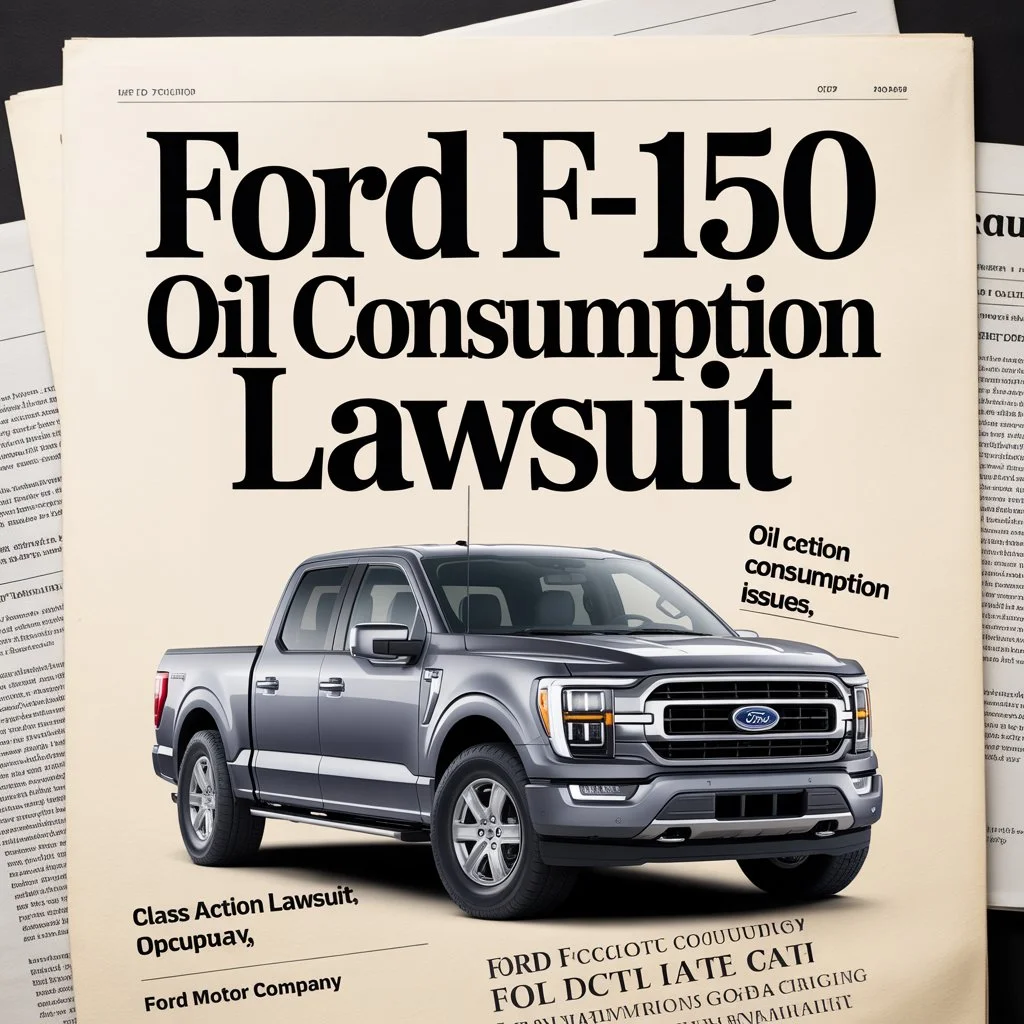

Introduction
If you’ve ever owned a pickup truck, you know how much trust goes into it. It’s not just a vehicle—it’s your workhorse, your travel partner, and sometimes your daily lifeline. So when something as essential as engine oil starts disappearing faster than expected, it raises serious concerns. That’s exactly what sparked the Ford F-150 oil consumption lawsuit, a case that has caught the attention of drivers across the country.
In simple terms, many owners claim their trucks burn oil at an unusually high rate without warning. Imagine pouring water into a bucket with a tiny invisible hole—you won’t notice at first, but over time, it becomes a real problem. Let’s break down what’s happening, who it affects, and what you should do if you’re impacted.
1. Understanding the Oil Consumption Issue

Oil consumption refers to how much engine oil your vehicle uses between changes. A small amount is normal, but excessive usage is not. In the case of the Ford F-150, many drivers reported needing to add oil frequently—sometimes every few hundred miles.
Key point:
- Normal usage = gradual and predictable
- Excessive usage = rapid and unexpected
This difference is what triggered concern among owners.
2. What Sparked the Lawsuit
The lawsuit didn’t appear overnight. It built over time as more drivers noticed similar problems. Complaints included engines running low on oil without warning and even failing prematurely.
Why people filed lawsuits:
- Lack of warning indicators
- Expensive engine repairs
- Safety concerns while driving
When multiple owners experience the same issue, it often leads to legal action.
3. Affected Ford F-150 Models
Not every F-150 is impacted, but certain models—especially those with specific engines—have been mentioned more often in complaints.
Commonly reported models include:
- Trucks with EcoBoost engines
- Certain model years between mid-2010s and early 2020s
If you own one from this range, it’s worth paying closer attention.
4. Common Symptoms Drivers Report

So how do you know if your truck might have this issue?
Watch out for these signs:
- Frequent need to top off oil
- Engine knocking or unusual noise
- Blue smoke from exhaust
- Burning oil smell
- Warning lights (sometimes absent)
Here’s the tricky part—many drivers say there’s no warning at all, which makes the problem more dangerous.
5. Why Excessive Oil Consumption Matters
You might be thinking, “Can’t I just add more oil?” Technically, yes—but that’s not a real solution.
Here’s why it matters:
- Low oil can damage engine parts
- Repairs can cost thousands
- Engine failure can happen suddenly
- Safety risks increase while driving
Think of oil as the lifeblood of your engine. Without enough of it, things start to break down fast.
6. How Ford Responded
Ford has acknowledged some concerns and issued service bulletins for certain vehicles. These bulletins guide mechanics on how to diagnose and manage oil consumption.
Typical responses include:
- Software updates
- Engine inspections
- Oil consumption tests
However, some owners feel these measures don’t fully address the root problem.
7. Legal Claims and Allegations
The ford f-150 oil consumption lawsuit generally claim that:
Main allegations include:
- Defective engine design
- Failure to warn customers
- Selling vehicles with known issues
- Inadequate fixes provided
From a legal standpoint, the focus is on whether the company knowingly sold vehicles with a defect.
8. Technical Causes Behind the Problem

Let’s simplify what might be happening inside the engine.
Possible causes include:
- Faulty piston rings
- Poor engine sealing
- Oil leaking into combustion chambers
- Software issues affecting performance
In simple terms, oil is either leaking, burning, or not being monitored properly.
9. What Owners Are Experiencing
Real-world experiences paint a clearer picture.
Many drivers report:
- Adding oil every 1,000 miles or less
- Engine failure before expected lifespan
- High repair bills not covered by warranty
These shared experiences have helped strengthen the legal case.
10. Steps to Take If You’re Affected
If you suspect your truck has this issue, don’t ignore it.
Here’s what you should do:
- Check oil levels regularly
- Keep records of oil usage
- Visit a certified mechanic
- Ask for an oil consumption test
Documentation is your best friend if you plan to file a claim.
11. Repair Options and Costs
Fixing excessive oil consumption isn’t always simple—or cheap.
Common repair solutions:
- Replacing piston rings
- Engine rebuild
- Full engine replacement
Estimated costs:
- Minor fixes: a few hundred dollars
- Major repairs: thousands of dollars
This is why many owners turn to legal action.
12. Warranty and Compensation Possibilities
Some vehicles may still be under warranty, while others may qualify for compensation through legal settlements.
Possible outcomes:
- Free repairs
- Reimbursement for past costs
- Extended warranty coverage
It depends on your vehicle, location, and the outcome of legal proceedings.
13. Tips to Protect Your Engine
Even if your truck isn’t affected, it’s smart to stay proactive.
Simple tips:
- Check oil every few weeks
- Follow maintenance schedules
- Use recommended oil types
- Address unusual noises immediately
Prevention is always cheaper than repair.
14. The Bigger Picture for Consumers
This lawsuit highlights a broader issue in the auto industry—accountability.
Consumers expect reliability, especially from well-known vehicles. When problems arise, transparency and proper support matter more than ever.
What this means for you:
- Stay informed about your vehicle
- Don’t ignore small warning signs
- Know your rights as a consumer
Conclusion
The Ford F-150 oil consumption lawsuit is more than just a legal case—it’s a reminder that even trusted vehicles can have unexpected flaws. If you own one of these trucks, staying aware and proactive can save you time, money, and stress.
At the end of the day, your vehicle should work for you—not the other way around. And if something feels off, it’s always worth investigating.
FAQs
1. What is the Ford F-150 oil consumption lawsuit about?
It involves claims that certain trucks consume excessive oil due to engine defects, leading to potential damage and costly repairs.
2. Which Ford F-150 models are affected?
Some models from the mid-2010s to early 2020s, particularly those with specific engines, have been reported more frequently.
3. How do I know if my truck has this issue?
Look for signs like frequent oil refills, engine noise, or smoke from the exhaust.
4. Can excessive oil consumption damage my engine?
Yes, low oil levels can lead to serious engine damage or even complete failure.
5. What should I do if I’m experiencing this problem?
Check your oil regularly, document the issue, and consult a mechanic or dealership for diagnosis and possible solutions.
