



If you’ve ever wanted to personalize a T-shirt, revive old jeans, or create unique home décor, you’ve probably come across the idea of using fabric paint. It’s one of the easiest ways to turn everyday textiles into something that feels like you. But what exactly is it, how does it work, and how can anyone—yes, even total beginners—use it confidently?
This comprehensive guide walks you through everything you need to know. Written in simple, friendly language, it’s designed for the general public, whether you’re an artist or someone just curious about trying a new hobby. Think of this article like a roadmap: by the time you finish reading, you’ll know what fabric paint is, how to use it, and how to get the best, longest-lasting results.
Understanding What Fabric Paint Really Is
 What Makes It Different From Regular Paint
Fabric paint is specially formulated to bond with fibers. Imagine trying to write on water with chalk—that’s what it’s like using regular paint on fabric. It won’t stick properly. Fabric paint, however, works almost like dye and acrylic paint combined. It absorbs into the fibers instead of resting on top of them.
Types of Fabrics It Works Best On
Not all fabrics behave the same. Cotton, denim, canvas, and linen are like friendly hosts—they welcome paint easily. Polyester blends can work too, but slick materials like nylon or satin may resist absorption. Always check the label; the rule of thumb is simple: the more porous the fabric, the better it accepts paint.
Different Types of Fabric Paint You Can Choose From
Acrylic-Based
This is the most common type. It’s flexible, durable, and great for clothes that will be washed frequently. Once heat-set, acrylic-based paint becomes part of the fabric.
Spray
Perfect for large surfaces or gradient effects. Artists love it for creating murals on fabric banners or tie-dye-like patterns without the dye.
Dimensional (3D)
This kind of paint has a raised texture, making it ideal for decorative pieces. If you’ve ever seen shirts with puffy letters—you’ve seen dimensional paint in action.
Ink-Like Formulas
These mimic markers or India ink and are perfect for fine details, outlines, or illustration-style designs.
Why People Love Decorating With Fabric Paint
It’s Budget-Friendly
Transforming old items is cheaper than buying new ones. A single bottle of paint can refresh multiple pieces.
Unlimited Creativity
Whether you’re into bold designs or subtle patterns, the possibilities are endless. It’s like having a blank canvas that just happens to be wearable.
Perfect for Personalization
Want a one-of-a-kind gift? A shirt with a hand-painted message or a tote with custom artwork always feels more meaningful.
Preparing Your Fabric the Right Way
Step 1: Wash First
Many fabrics come coated with invisible chemicals from manufacturing. Washing removes these barriers so the paint can cling properly.
Step 2: Dry Completely
Moisture can dilute your paint or cause uneven results.
Step 3: Iron Out the Wrinkles
A smooth surface makes everything easier—like writing on a sheet of paper instead of a crumpled napkin.
Step 4: Insert a Barrier
Slip cardboard inside shirts or bags to prevent paint bleeding through to the other side.
Tools and Supplies You’ll Need
Basic Essentials
-
Various brushes
-
Palette or mixing plate
-
Water and cloth for cleanup
-
Painter’s tape for clean edges
Nice-to-Have Extras
-
Stencils for crisp designs
-
Sponges for texture
-
Pen-like applicators for fine lines
Having the right tools is like having the right ingredients for cooking—your results improve dramatically.
How to Start Painting on Fabric
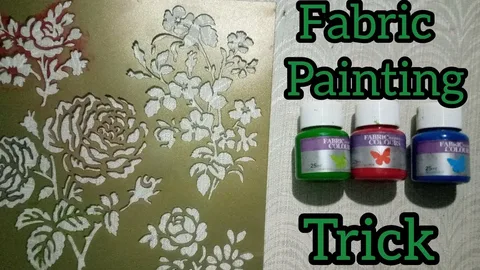
Use Light Strokes
Fabric absorbs paint quickly, so start light. It’s easier to add more layers than to remove excess.
Let Each Layer Dry
If you rush, the colors may blend unintentionally. Patience leads to cleaner artwork.
Mixing Colors
You can blend paint just like traditional acrylics. Test color mixes on a scrap piece of fabric before applying them to your final project.
Add Details Last
Big shapes first, small touches later—just like painting a house.
Heat Setting—Unlocking Durability
What Is Heat Setting?
Heat setting bonds the paint permanently so it doesn’t wash out. Think of it as sealing your artwork.
How to Heat Set Safely
-
Iron Method: Place a cloth over your painted fabric and press for a few minutes on medium heat.
-
Dryer Method: Suitable for some paints—check the label.
-
Heat Press: Fastest and most precise, ideal for frequent creators.
This step is crucial. Skipping it can make your design fade quickly.
Washing and Caring for Painted Fabrics
Turn Inside Out
This protects the surface and minimizes friction during washing.
Use Mild Detergent
Harsh chemicals can damage paint over time.
Air Dry When Possible
Dryers can be rough on painted surfaces unless the paint is fully set.
Proper care can extend the life of your artwork significantly.
Common Mistakes and How to Avoid Them
Using Too Much Paint
Heavy application causes cracking. Thin, even layers work best.
Skipping Fabric Prep
Unwashed fabric may repel paint or cause smudging.
Not Testing Paint
Different fabrics react differently. A small test avoids big disappointment.
Incorrect Heat Setting
Follow the paint label instructions—every brand varies slightly.
Fun Project Ideas to Try at Home
Personalized T-Shirts
Add your name, favorite quotes, or abstract designs.
Decorative Pillows
Create patterns that match your living room aesthetic.
Custom Tote Bags
Great for gifts, grocery shopping, or beach trips.
Revamped Denim
From jackets to jeans, denim is a perfect canvas for bold art.
These projects are great for families, kids, or even solo creative time.
Is Fabric Paint Safe?
Non-Toxic Options
Most modern brands are water-based and non-toxic, making them safe for kids’ crafts.
Allergies
If you have sensitive skin, wear gloves. Once dry and heat-set, the paint is generally safe and inert.
Fabric Paint vs. Fabric Dye
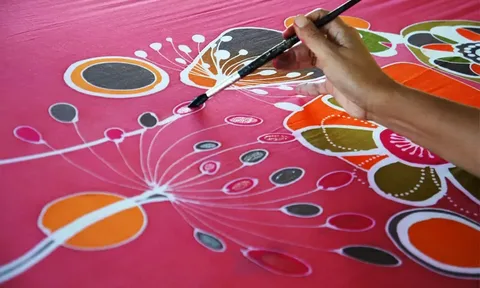
Paint Stays on the Surface
It gives you more control for detailed artwork.
Dye Soaks Inside Fibers
Best for large color changes, tie-dye projects, or seamless blends.
Each has its place—your choice depends on the effect you want.
Conclusion
Fabric paint opens the door to a world where your clothes, bags, and home décor become an extension of your imagination. Whether you’re reviving old items or designing something unique, it offers a simple, affordable way to create something truly personal. Like any craft, the magic lies in the process—preparing your materials, taking your time, and enjoying every brushstroke. Once you get the hang of it, you’ll realize fabric isn’t just fabric anymore—it’s a creative playground.
FAQs
1. How long does fabric paint take to dry?
Most types dry to the touch within an hour, but full curing may take 24 hours depending on thickness and humidity.
2. Do I always need to heat set fabric paint?
Many paints require heat setting for permanence, but some brands offer self-setting formulas. Always check the label.
3. Can children use fabric paint safely?
Yes. Water-based, non-toxic formulas are safe for supervised craft activities.
4. Will painted fabric crack over time?
If applied too thickly or without proper heat setting, cracking may occur. Thin, even layers last longer.
5. Can I use fabric paint on dark-colored clothes?
Absolutely! Just choose opaque or specially formulated paints designed for dark textiles.
