



Eye Lens Replacement:
If you’ve ever imagined what it would be like to swap out a camera lens for a clearer one, you’re already halfway to understanding eye lens replacement. This modern vision procedure has become an increasingly common way for people to reclaim clear sight, reduce reliance on glasses, and improve overall quality of life. Yet for many, the idea still sounds a little intimidating.Eye Lens Replacement: A Friendly, In-Depth Guide for Everyday Readers
This guide breaks everything down in simple language—no medical jargon, no complicated explanations—just clear, friendly information you can use to understand your options. Think of it as chatting with a knowledgeable friend who genuinely wants to help you see the full picture.
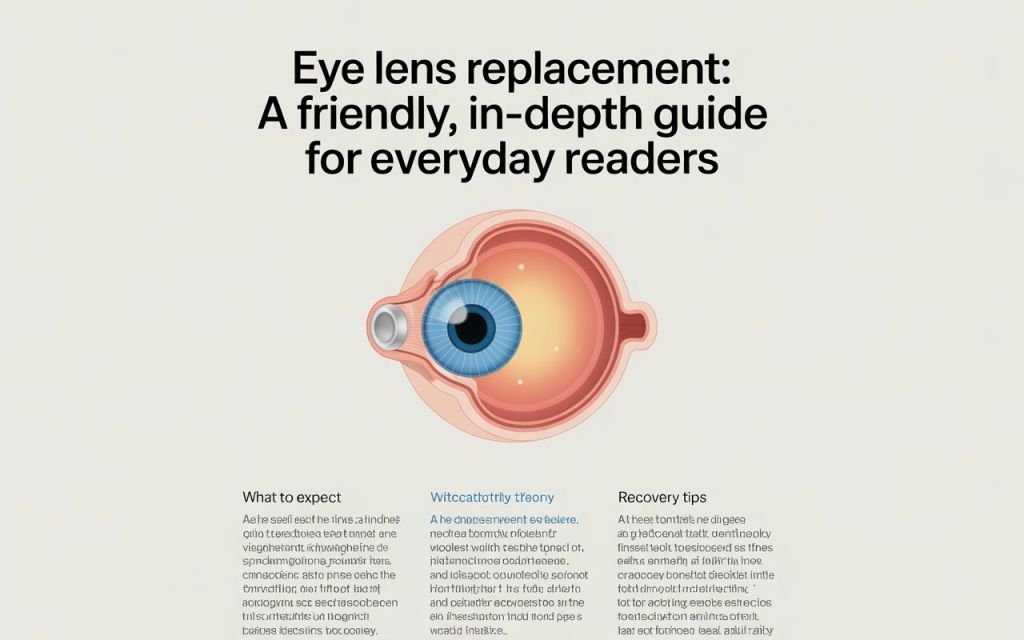
What Is Eye Lens Replacement?
Eye lens replacement is a surgical procedure in which the eye’s natural lens is removed and replaced with a new, artificial one. The natural lens can become cloudy over time—much like a fogged-up window—or it can simply stop focusing as sharply as it once did. The new lens is designed to restore clarity and improve vision at different distances.
Why Do People Consider This Surgery?
People pursue this procedure for different reasons. Some want to reduce the hassle of glasses or contact lenses. Others may be dealing with cloudy or dim vision that affects daily tasks like reading, driving at night, or watching TV. Eye lens surgery can offer a fresh start, helping the world look crisp and vibrant again.
What Happens to the Natural Lens Over Time?
The natural lens sits inside the eye and bends light to focus images. Over the years, it can:
-
Become stiff, making it harder to focus
-
Develop cloudiness, a condition commonly known as a cataract
-
Stop providing sharp vision at multiple distances
When this happens, replacing it can restore clarity and flexibility that glasses alone might not deliver.
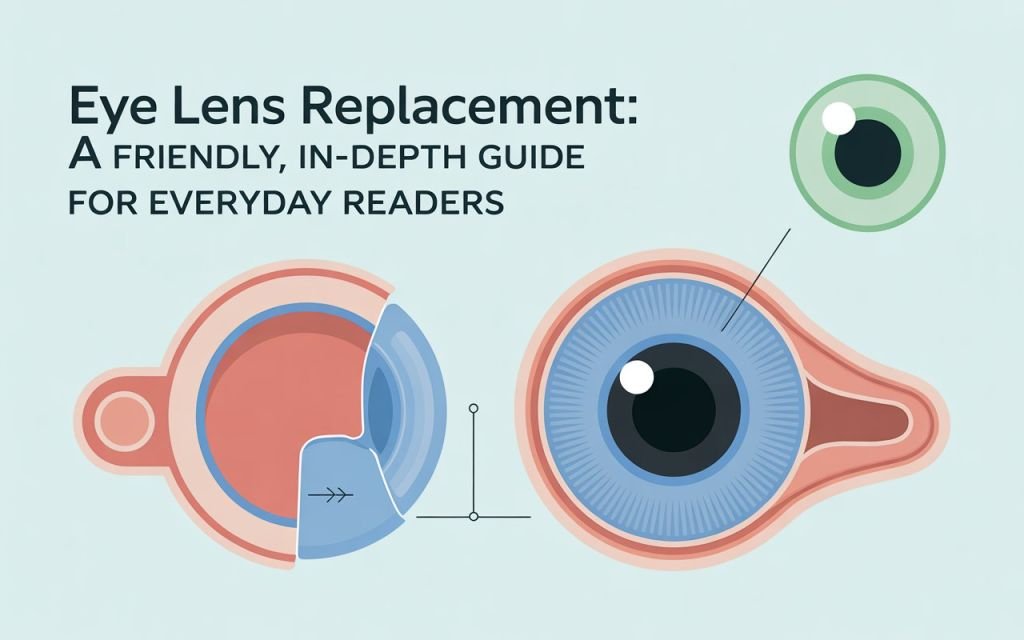
The Different Types of Artificial Lenses
Just as there are different types of shoes for different activities, there are different artificial lenses designed for specific vision needs.
Monofocal Lenses
These lenses focus at one distance—usually far. They’re simple and reliable, great for people who want crisp distance vision and don’t mind wearing reading glasses.
Multifocal Lenses
These lenses offer vision at multiple distances. Many people choose them to minimize their need for glasses altogether.
Toric Lenses
These are designed for people with astigmatism, helping correct the uneven curvature of the eye.
Accommodating Lenses
These lenses are built to move or flex slightly, similar to how the natural lens behaves, providing focus at various distances.
Who Makes a Good Candidate?
Eye lens replacement isn’t just for older adults. People typically consider it if they:
-
Struggle with severe vision changes
-
Have trouble reading or seeing far distances
-
Looking to break free from relying on glasses or contact lenses in their everyday routine.
-
Have cloudiness that can’t be corrected with lenses
A professional eye exam is the best way to determine suitability.
What to Expect During the Procedure
Think of the process as changing a tiny part inside a delicate watch—precise, quick, and carefully planned.
Preparation
Before surgery, the doctor will measure your eyes and discuss the best lens type for your needs.
The Day of Surgery
The procedure usually takes about 15–20 minutes per eye. Most people remain awake but relaxed, thanks to numbing drops. A small opening is made, the natural lens is gently removed, and the new lens is placed inside.
After the Surgery
Most people go home the same day. You’ll likely notice clearer vision within hours or days, though full settling may take a little longer.
Recovery: What It Really Feels Like
Recovering from this surgery is often smoother than people expect. You may feel:
-
Mild scratchiness
-
Slight blurriness at first
-
Sensitivity to bright lights
These sensations typically fade quickly. Many people resume normal activities within a few days, though heavy lifting and rubbing the eyes should be avoided.
The Benefits That Can Make a Big Difference
The advantages of lens replacement can feel life-changing. Many people experience:
-
Sharper, brighter vision
-
Reduced dependence on glasses
-
Better night vision
-
A more active lifestyle
For people who have dealt with cloudy or hazy sight for years, it can feel like cleaning a dirty window and finally seeing the world as it truly is.
Are There Any Risks?
All procedures carry some level of risk, and lens replacement is no different. Potential concerns may include:
-
Dry eyes
-
Glare or halos at night
-
Mild inflammation
-
Infection (rare)
Your surgeon will discuss preventive measures and ways to manage any temporary symptoms.
Comparing Lens Replacement to Other Vision Solutions
If you’re unsure whether this option is right for you, it helps to compare it with alternatives.
Glasses
Easy and non-invasive, but some people dislike depending on them daily.
Contact Lenses
Convenient but require ongoing maintenance.
Laser Vision Correction
Good for reshaping the cornea but may not correct deeper lens issues.
Eye lens replacement offers a long-lasting solution that targets the internal lens directly.
Life After Lens Replacement
Many people describe newfound freedom—reading without glasses, traveling with ease, enjoying outdoor views, and appreciating brighter colors. The world often feels more vivid and comfortable.
Over time, the artificial lens remains stable and doesn’t require cleaning or replacement. It’s a one-time investment in lifelong vision improvement.
Questions to Ask Before the Procedure
To make sure you’re fully informed, here are a few helpful questions you may want to ask your eye specialist:
-
Which lens type best suits my lifestyle?
-
What vision results can I realistically expect?
-
How long will the recovery take?
-
Are there any steps I should follow before or after the procedure to ensure the best results?
-
What support will I have if I experience issues later?
Conclusion
Eye lens replacement can be a transformative experience, offering clearer sight and greater independence from glasses. When approached with the right information and realistic expectations, it becomes far less intimidating and far more empowering. Ultimately, it’s about seeing the world with clarity—sometimes for the first time in years.
Frequently Asked Questions
1. How long does eye lens replacement surgery take?
The surgery typically takes around 15–20 minutes per eye, though you’ll spend a bit more time at the clinic for preparation and recovery.
2. Will I feel pain during the procedure?
Most people feel little to no discomfort thanks to numbing eye drops. You may feel slight pressure, but not pain.
3. How soon will my vision improve after the surgery?
Vision often starts improving within hours or days, although full adjustment may take a few weeks.
4. Can both eyes be treated on the same day?
Some clinics offer same-day treatment, while others prefer spacing surgeries a few days apart. Your doctor will guide you based on safety and comfort.
5. Is the artificial lens permanent?
Yes, the artificial lens is designed to last a lifetime and does not require replacement.
