

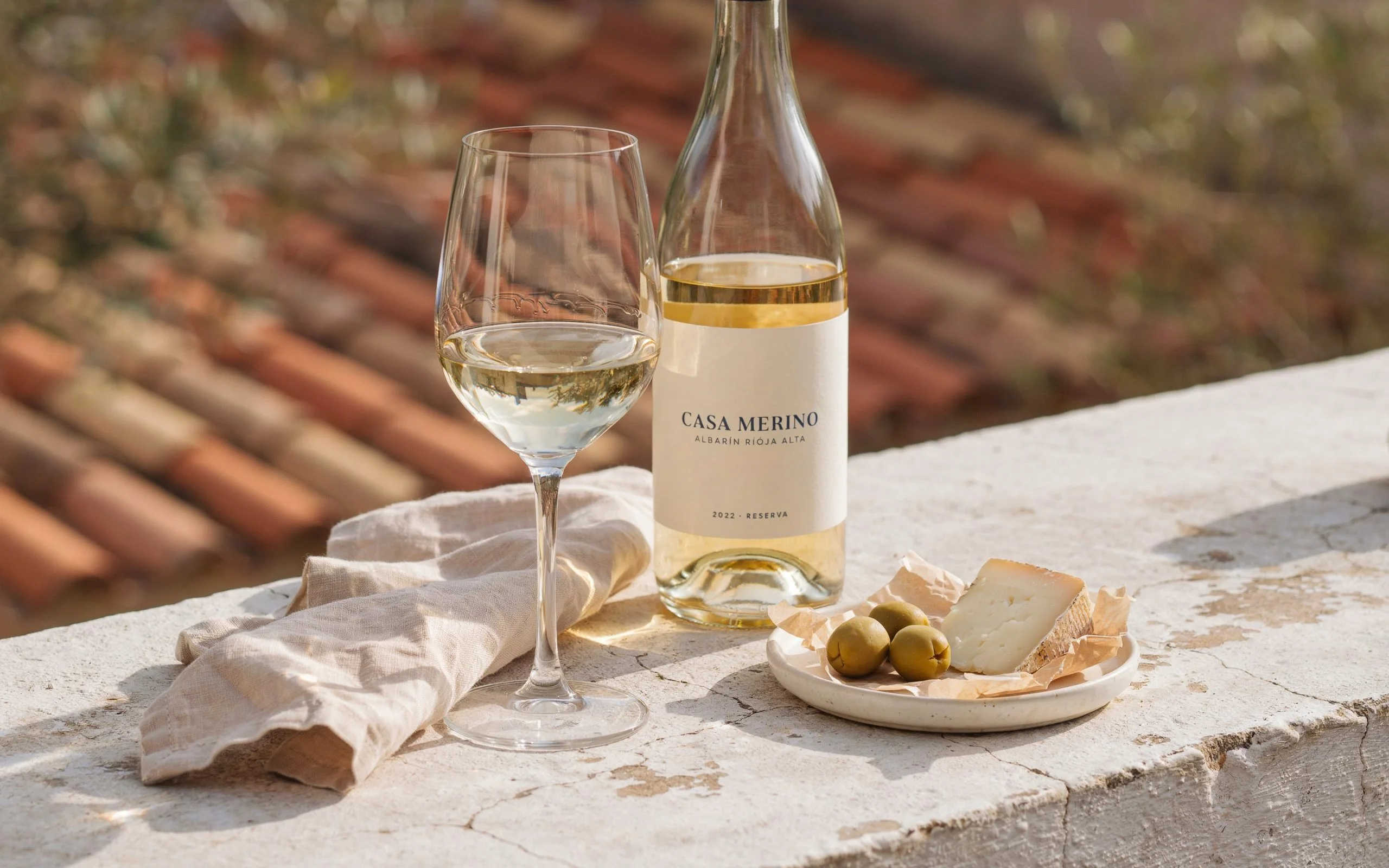

Introduction
Dry white wine has a special place in the world of beverages. It is crisp, refreshing, and surprisingly versatile. Whether you are relaxing after a long day, hosting a dinner party, or exploring new flavors, a chilled glass of dry white wine can feel like a breath of fresh air on a warm afternoon.
But what exactly makes a wine “dry”? Why do some bottles taste fruity while others feel sharp and mineral-like? And how can beginners choose the right one without feeling overwhelmed?
Think of dry white wine like music. Some varieties are soft and smooth like acoustic melodies, while others are bold and energetic like jazz. Each bottle tells its own story through aroma, texture, and flavor.
In this guide, we will explore everything you need to know about dry white wine in simple, easy-to-understand language. From grape varieties and food pairings to serving tips and health insights, this article will help you confidently enjoy this timeless drink.

What Is Dry White Wine?
Dry white wine is a type of wine that contains little to no residual sugar. In simple terms, it is not sweet. During fermentation, yeast converts grape sugar into alcohol. When most of the sugar disappears, the result is a dry wine.
This style is known for its clean and crisp taste. Many people enjoy it because it feels refreshing rather than sugary or heavy.
Key Characteristics of Dry White Wine:
- Crisp and refreshing flavor
- Low sweetness
- Often citrusy or mineral-like
- Served chilled
- Pairs well with many foods
Popular dry white wines include Sauvignon Blanc, Pinot Grigio, Chardonnay, and Albariño.
How Dry White Wine Is Made
The process begins with white grapes. After harvesting, the grapes are pressed to extract juice. The skins are usually removed quickly to maintain the wine’s light color.
The juice is then fermented using yeast. This stage transforms natural grape sugars into alcohol. Winemakers carefully control temperature and timing to shape the final flavor.
Fermentation Process
Cool fermentation temperatures help preserve fruity and floral aromas. This is why many dry white wines smell fresh and lively.
Aging Techniques
Some wines are aged in stainless steel tanks for a crisp finish, while others rest in oak barrels for added richness and texture.
Oak-aged wines often have flavors like:
- Vanilla
- Butter
- Toast
- Spice
Stainless steel aging usually highlights:
- Citrus
- Green apple
- Fresh herbs
- Mineral notes
Popular Types of Dry White Wine
Different grape varieties create unique flavors and personalities. Let’s explore some of the most loved options.
Sauvignon Blanc
Sauvignon Blanc is famous for its bright acidity and zesty taste.
Common flavors include:
- Lime
- Green apple
- Grapefruit
- Fresh grass
It is often enjoyed with seafood and salads.
Pinot Grigio
Pinot Grigio is light, crisp, and easy to drink. It is a great beginner-friendly choice.
Flavor notes:
- Pear
- Lemon
- White peach
This wine works beautifully on warm summer evenings.
Chardonnay
Chardonnay can range from crisp and mineral-driven to creamy and rich.
Unoaked Chardonnay tastes lighter and fresher, while oaked versions have buttery textures and vanilla notes.
Riesling
Not all Rieslings are sweet. Dry Riesling offers bright acidity with flavors of citrus, apple, and stone fruits.
Albariño
Albariño is known for its coastal freshness and salty mineral character. It pairs wonderfully with shellfish.
Flavor Profiles and Aromas
One of the most exciting things about dry white wine is the wide variety of flavors.
Fruit Notes
You may notice hints of:
- Lemon
- Apple
- Peach
- Pear
- Melon
Floral Aromas
Some wines offer delicate scents like:
- Jasmine
- Honeysuckle
- Orange blossom
Mineral and Earthy Qualities
Many dry whites have mineral-like characteristics that remind people of wet stone or sea breeze.
This complexity is part of what makes wine tasting so enjoyable. Every sip can reveal something new.
Dry White Wine vs Sweet White Wine
People often confuse fruity flavors with sweetness. A wine can taste fruity without actually being sweet.
Main Differences
| Dry White Wine | Sweet White Wine |
| Low sugar | Higher sugar |
| Crisp finish | Rich and sugary |
| Refreshing | Dessert-like |
| Great with savory foods | Often paired with desserts |
Dry wines focus more on acidity and freshness, while sweet wines emphasize sugar and richness.
Best Food Pairings
Dry white wine shines when paired with food. The right combination can make both the meal and the wine taste even better.
Seafood
This is one of the most classic pairings.
Great matches include:
- Grilled fish
- Shrimp
- Oysters
- Sushi
Chicken and Turkey
Lighter poultry dishes pair wonderfully with crisp white wines.
Salads and Vegetables
Fresh salads with citrus dressing complement the wine’s acidity beautifully.
Cheese Pairings
Soft cheeses like goat cheese and mozzarella work especially well.
Think of food pairing like teamwork. When the flavors support each other, the experience becomes smoother and more enjoyable.
How to Serve Dry White Wine
Serving wine correctly can dramatically improve the taste.
Ideal Temperature
Dry white wine is best served chilled.
Recommended range:
- 45°F to 55°F
If the wine is too cold, flavors become muted. Too warm, and the acidity may feel unbalanced.
Choosing the Right Glass
A smaller bowl-shaped glass helps preserve delicate aromas.
Should You Decant White Wine?
Most dry white wines do not require decanting, but fuller-bodied varieties can benefit from a little air exposure.
Choosing the Right Bottle
Walking into a wine shop can feel intimidating at first. So many labels, regions, and grape names can make your head spin.
Here are a few simple tips.
For Beginners
Start with approachable varieties like:
- Pinot Grigio
- Sauvignon Blanc
- Unoaked Chardonnay
For Richer Flavors
Choose oak-aged Chardonnay or Viognier.
For Crisp and Refreshing Styles
Look for wines from cooler climates.
Reading labels becomes easier over time. Eventually, you will recognize your favorite regions and flavor profiles.
Health and Nutritional Facts
Dry white wine is often considered lighter than many sweet alcoholic drinks.
Calories
A standard glass usually contains:
- Around 120 calories
- Lower sugar content than sweet wines
Potential Benefits
When enjoyed in moderation, wine may support social relaxation and enjoyment during meals.
However, moderation is important. Excessive drinking can have serious health consequences.
Hydration Reminder
Alcohol can be dehydrating, so drinking water alongside wine is always a smart idea.
Cooking With Dry White Wine
Dry white wine is not only for drinking. It also plays a major role in cooking.
Why It Works in Recipes
Its acidity helps balance rich flavors and enhance sauces.
Popular Cooking Uses
- Pasta sauces
- Risotto
- Seafood dishes
- Chicken recipes
Best Wines for Cooking
Good choices include:
- Sauvignon Blanc
- Pinot Grigio
- Dry Vermouth
A useful rule is simple: if you would not drink it, do not cook with it.
Common Mistakes Beginners Make
Everyone starts somewhere, and wine can feel confusing at first.
Serving It Too Cold
Over-chilling hides flavor and aroma.
Ignoring Food Pairings
The wrong food can overpower delicate wines.
Buying Based Only on Price
Expensive does not always mean better. Many affordable bottles are excellent.
Overthinking Wine
Wine should be enjoyable, not stressful. Trust your own taste preferences.
Storing Wine Properly
Proper storage helps preserve flavor and quality.
Keep Bottles Cool
Ideal storage temperatures are between 45°F and 65°F.
Avoid Direct Sunlight
Heat and light can damage wine over time.
Store Bottles Horizontally
This keeps the cork moist and prevents air from entering.
Once opened, most dry white wines stay fresh for about three to five days in the refrigerator.
The Growing Popularity of Dry White Wine
Dry white wine continues to gain popularity worldwide. Many younger consumers appreciate its lighter, fresher style compared to heavier beverages.
Restaurants and wine bars now offer more diverse white wine selections than ever before.
People also enjoy experimenting with wine flights, tastings, and regional varieties from places like:
- France
- Italy
- Spain
- New Zealand
- California
The world of wine has become more approachable and welcoming to beginners.
Conclusion
Dry white wine offers a refreshing combination of flavor, elegance, and versatility. Whether you prefer crisp citrus notes, creamy textures, or floral aromas, there is a style that can match your taste.
The beauty of wine lies in exploration. Every bottle introduces a new experience, much like opening a window to a different culture or landscape.
You do not need to be a wine expert to enjoy dry white wine. Start with simple varieties, pair them with your favorite meals, and trust your palate. Over time, you will discover the flavors and styles that speak to you most.
In the end, wine is not just about the drink itself. It is about the moments, conversations, and memories shared around the table.
FAQs
1. What does dry white wine mean?
Dry white wine contains very little residual sugar, meaning it tastes crisp rather than sweet.
2. Which dry white wine is best for beginners?
Pinot Grigio and Sauvignon Blanc are excellent beginner-friendly choices because they are light and refreshing.
3. Can dry white wine be used for cooking?
Yes, dry white wine is commonly used in sauces, seafood dishes, pasta recipes, and risotto.
4. Should dry white wine be refrigerated after opening?
Yes, opened bottles should be refrigerated and consumed within three to five days for the best flavor.
5. What foods pair best with dry white wine?
Seafood, chicken, salads, soft cheeses, and light pasta dishes pair especially well with dry white wine.
