


Introuction
Have you ever found an old bottle of beer at the back of your fridge and wondered, “Is this still okay to drink?” You’re not alone. It’s a common question, and the answer isn’t as simple as yes or no. Beer doesn’t spoil the same way milk does—but that doesn’t mean it stays perfect forever either.does beer go bad
Think of beer like bread. It won’t suddenly become dangerous overnight, but over time, it loses its charm—its flavor, aroma, and freshness. In this guide, we’ll explore everything you need to know about beer shelf life, how to store it properly, and how to tell if it’s still worth sipping.
What Does It Mean for Beer to “Go Bad”?
When people ask whether beer goes bad, they usually mean one of two things: Is it unsafe to drink? Or does it taste
unpleasant?
The truth is, beer rarely becomes harmful if stored properly. Instead, it degrades in quality. Over time, exposure to light, heat, and oxygen changes the chemical makeup of beer, leading to stale flavors and a loss of carbonation.
So, while you might not get sick from old beer, you probably won’t enjoy it either.
Does Beer Expire or Just Lose Quality?
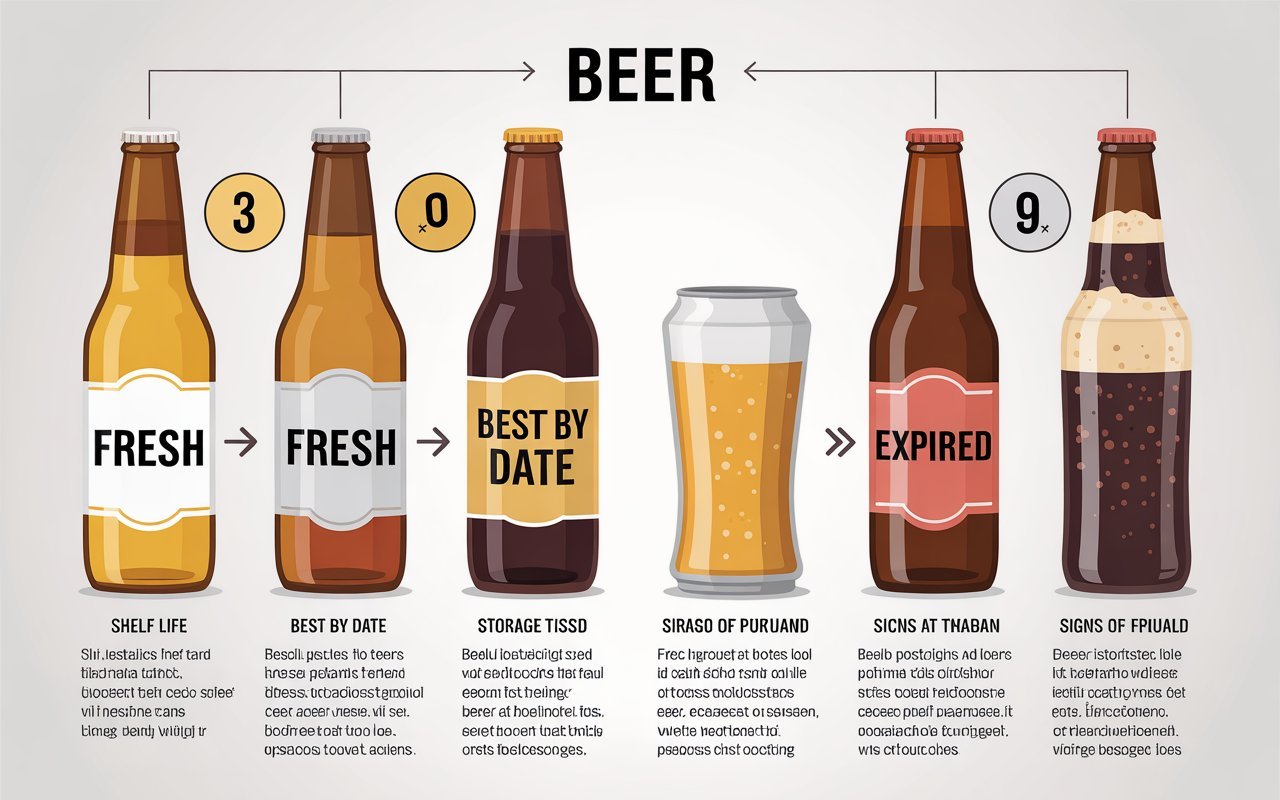
Most beers come with a “best by” date rather than a strict expiration date. That’s because:
-
Beer is brewed and sealed in a way that prevents bacterial growth
-
Alcohol and hops act as natural preservatives
-
The main issue is flavor deterioration, not safety
However, once beer passes its recommended drinking window, it may develop:
-
Flat or dull taste
-
Skunky aroma
-
Metallic or cardboard-like flavors
In simple terms, beer doesn’t “expire” like food—but it definitely has a prime time for enjoyment.
How Long Does Beer Last?
The lifespan of beer depends on its type, packaging, and storage conditions.
Unopened Beer
-
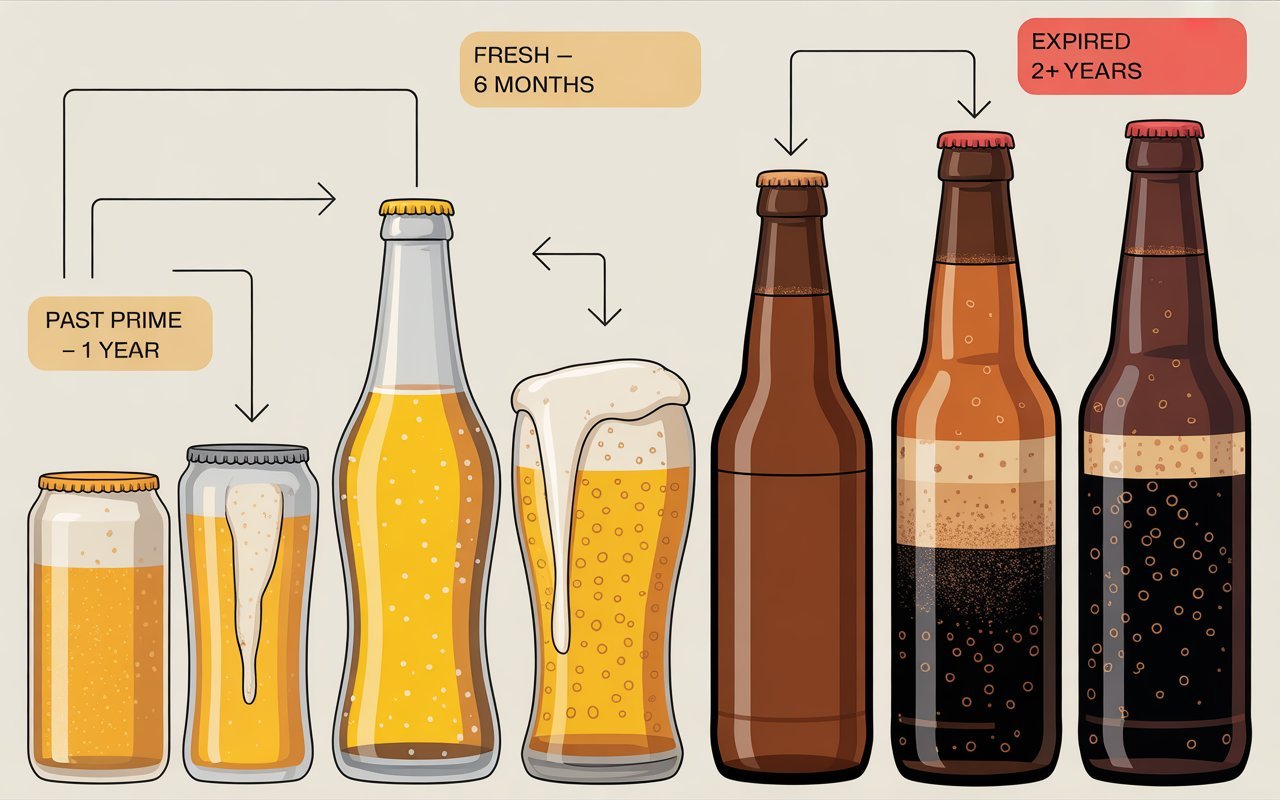
Regular lagers and ales: 6–12 months
-
Craft beer: 3–6 months (often fresher is better)
-
High-alcohol beer (like stouts or barleywines): 1–3 years
Opened Beer
Once opened, beer should be consumed within:
-
A few hours for best taste
-
Up to 1–2 days if refrigerated, but quality drops quickly
Think of opening a beer like opening a soda—it starts losing fizz immediately.
Does Beer Go Bad in the Fridge?
Refrigeration slows down the aging process but doesn’t stop it completely.
Keeping beer cold:
-
Preserves carbonation
-
Slows chemical reactions
-
Maintains flavor longer
However, even in the fridge, beer will eventually lose its freshness. If you’ve had a bottle sitting for over a year, chances are it won’t taste as intended.
What Happens to Beer Over Time?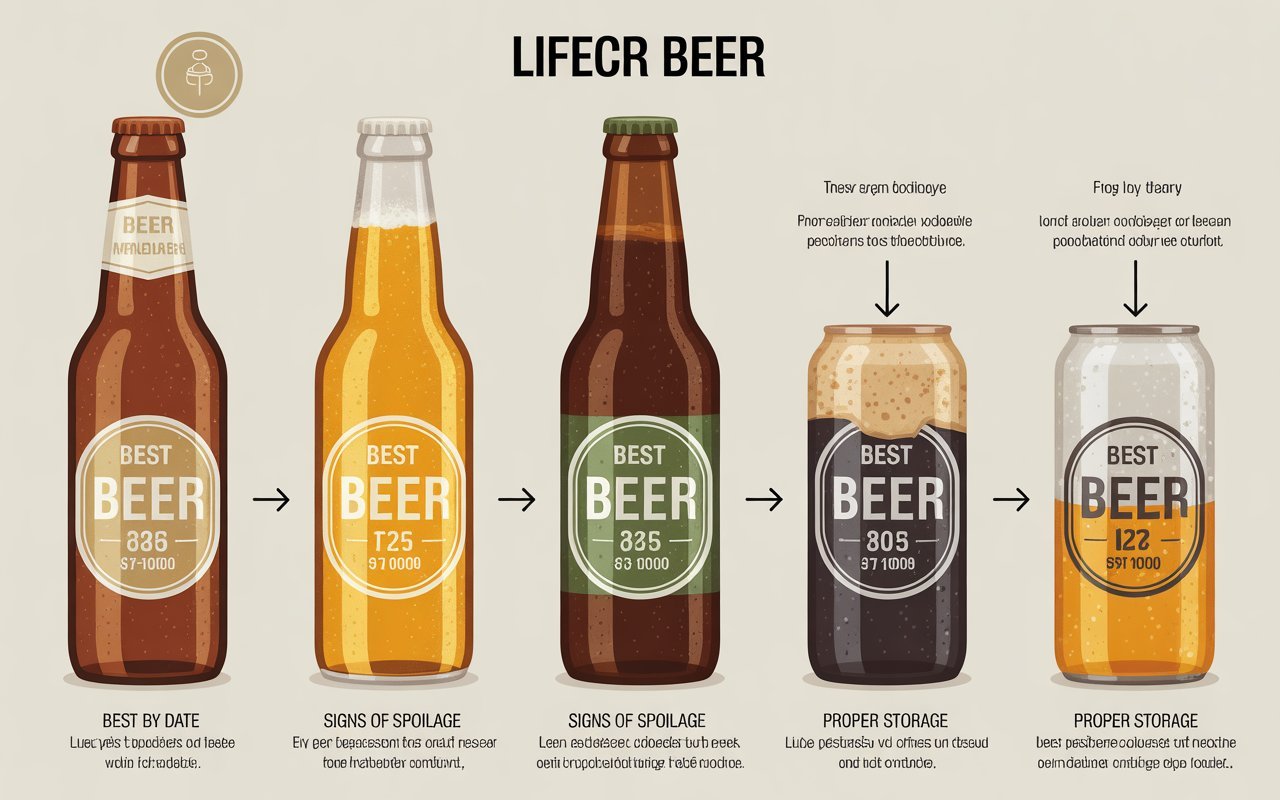
As beer ages, several changes occur:
1. Flavor Breakdown
Hops, which give beer its bitterness and aroma, degrade over time. This results in a dull or flat taste.
2. Oxidation
Oxygen slowly reacts with beer compounds, creating flavors similar to wet cardboard or paper.
3. Loss of Carbonation
Carbon dioxide escapes, especially in poorly sealed containers, making beer taste flat.
4. Light Damage
Exposure to sunlight can cause a “skunky” smell—especially in clear or green bottles.
It’s like leaving fruit out in the open—it doesn’t instantly rot, but it definitely won’t taste fresh after a while.
How to Tell If Beer Has Gone Bad
Not sure if your beer is still good? Here are some signs to look for:
Unpleasant Smell
A strong skunky, sour, or metallic odor is a red flag.
Flat Taste
If the beer lacks fizz and tastes lifeless, it’s past its prime.
Strange Appearance
Cloudiness isn’t always bad (especially in craft beers), but unexpected sediment or color changes can indicate aging.
Off Flavor
A cardboard-like or stale taste is a classic sign of oxidation.
Trust your senses—if something feels off, it probably is.
Can Old Beer Make You Sick?
Here’s the reassuring part: drinking old beer is unlikely to harm you.
Unlike spoiled food, beer doesn’t typically harbor dangerous bacteria due to:
-
Alcohol content
-
Low pH levels
-
Brewing process
However, if beer has been improperly stored or contaminated after opening, it’s best to avoid it.
So while it may not make you sick, it might make you regret your choice!
Does Beer Type Affect Its Shelf Life?
Absolutely. Different styles age differently.
Beers That Don’t Age Well
-
Light lagers
-
Pale ales
-
IPAs (especially hop-forward ones)
These are best consumed fresh.
Beers That Age Gracefully
-
Stouts
-
Barleywines
-
Belgian ales
These can develop richer, more complex flavors over time—almost like wine.
Best Ways to Store Beer
Proper storage can make a big difference in how long beer stays enjoyable.
Keep It Cool
Store beer in a cool place, ideally between 7–13°C (45–55°F).
Avoid Light
Use dark storage areas or keep beer in its original packaging.
Store Upright
This reduces oxidation and keeps sediment at the bottom.
Limit Temperature Fluctuations
Constant changes can speed up aging and ruin flavor.
Think of beer as a delicate guest—it prefers a calm, cool environment.
Does Packaging Matter? Bottles vs Cans
Yes, packaging plays a role in preserving beer quality.
Cans
-
Block out light completely
-
Better at preventing oxidation
-
Generally keep beer fresher longer
Bottles
-
Brown bottles offer some protection
-
Green or clear bottles allow more light exposure
That’s why many craft brewers prefer cans—they’re like sunglasses for your beer.
What About Unfiltered or Craft Beer?
Craft beers often contain fewer preservatives and may include live yeast, making them more sensitive to time and temperature.
-
They should be consumed sooner
-
Flavor changes can be more noticeable
-
Some are intentionally designed for aging
Always check the label—many craft brewers include storage tips or ideal drinking windows.
Is It Ever Worth Drinking Old Beer?
Sometimes, yes!
If the beer is:
-
High in alcohol
-
Stored properly
-
Designed for aging
…it might actually taste better with time.
However, for everyday beers, drinking them fresh is usually the best experience.
Conclusion
So, does beer go bad? Not in the way most people think. It won’t typically become dangerous, but it will lose its freshness, flavor, and appeal over time.
The key takeaway is simple: beer is best enjoyed fresh, stored properly, and consumed within its ideal window. Whether you’re a casual drinker or a craft enthusiast, paying attention to storage and dates can make all the difference.
Next time you spot an old bottle, you’ll know exactly what to do—trust your senses and decide if it’s worth the sip.
FAQs
1. Can you drink beer after the expiration date?
Yes, you can usually drink it safely, but the taste may be stale or unpleasant.
2. How long does beer last in the fridge unopened?
Most beers last 6–12 months if kept refrigerated, depending on the type.
3. What happens if you drink spoiled beer?
In most cases, nothing harmful happens—it just tastes bad.
4. Does beer go bad faster once opened?
Yes, opened beer quickly loses carbonation and freshness, often within hours.
5. Can beer improve with age?
Some strong or specialty beers can develop better flavors over time, but most are meant to be consumed fresh.
