


Introduction
When you sit inside your car on a hot afternoon and feel that sharp sunlight burning your skin, you realize how powerful the sun can be. It’s not just about comfort—it’s about protection, privacy, and even long-term health. That’s where ceramic window tint steps in.
But what exactly is it? Is it worth the price? And how does it compare to the regular tint you’ve seen on so many cars?
In this guide, we’ll walk through everything you need to know in simple, everyday language. No confusing tech-talk. Just clear answers to help you decide whether this upgrade is right for you.
What Is Ceramic Window Tint?
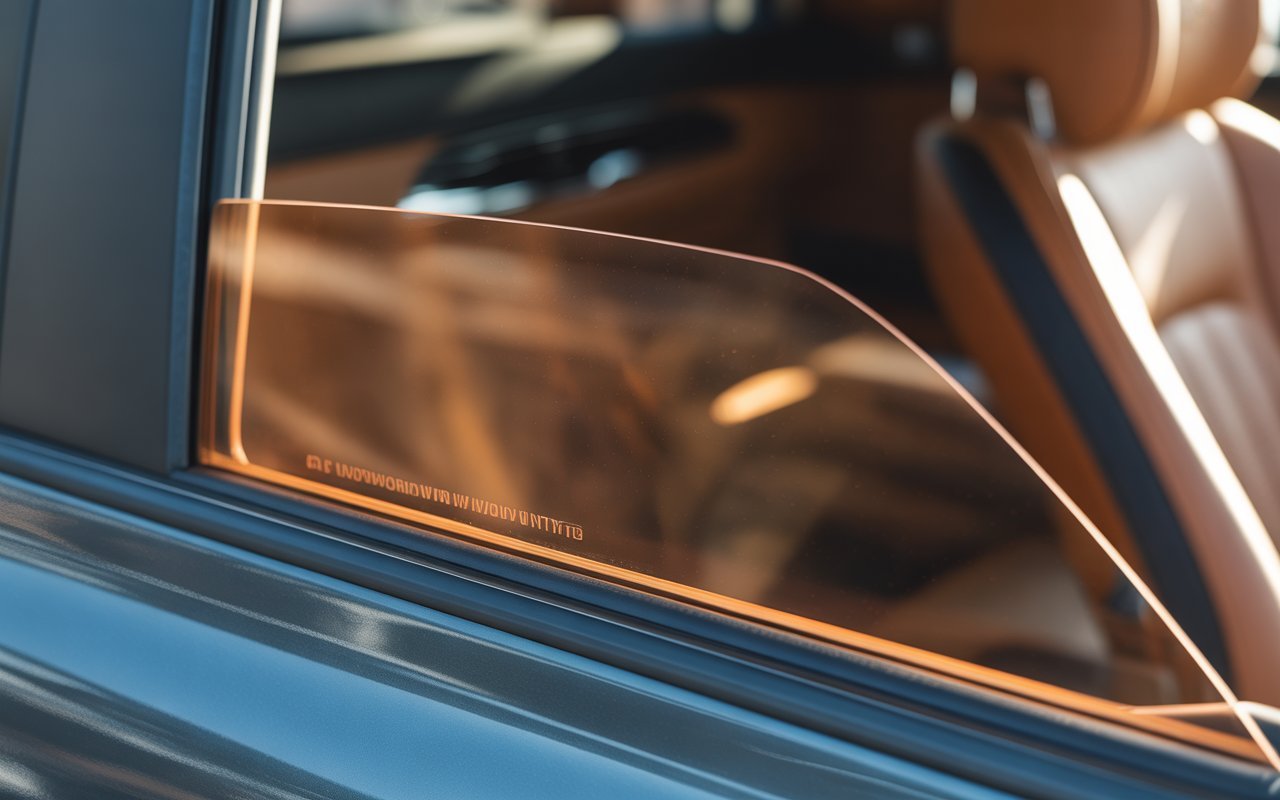
Ceramic window tint is a premium type of automotive film that uses nano-ceramic particles to block heat, ultraviolet rays, and glare. Unlike traditional film, it doesn’t rely on dye or metal. Instead, it works like a high-tech sunscreen for your vehicle.
Think of it like wearing polarized sunglasses—but for your car.
The ceramic particles are non-metallic and non-conductive. That means they don’t interfere with electronics like GPS, radio, or cellphone signals. You get protection without compromise.
How Does It Work?
You might wonder, how can something so thin block so much heat?
The answer lies in advanced nano-technology. These microscopic ceramic particles reflect and absorb infrared radiation—the part of sunlight responsible for heat. At the same time, they filter out harmful UV rays.
So instead of sunlight turning your car into an oven, the film creates a barrier that minimizes heat buildup.
It’s almost like installing invisible insulation on your windows.
Key Benefits of Ceramic Window Tint
Superior Heat Rejection
One of the biggest advantages is infrared blocking. High-quality ceramic film can reduce a significant portion of solar heat. That means:
-
Cooler interior
-
Less reliance on air conditioning
-
Improved fuel efficiency
On hot days, the difference is noticeable the moment you step inside.
UV Protection for Skin and Interior
Prolonged exposure to ultraviolet rays can damage skin and cause interior fading. Ceramic tint blocks up to 99% of harmful UV radiation.
That means:
-
Reduced risk of skin damage
-
Protection against cracking dashboards
-
Longer-lasting upholstery
It’s like applying sunscreen that never wears off.
No Signal Interference
Metal-based tint can disrupt radio signals, GPS tracking, Bluetooth, and mobile reception. Because ceramic film is metal-free, it avoids this issue entirely.
Your navigation, calls, and music stay crystal clear.
Enhanced Visibility
Some people worry that darker film means poorer visibility. That’s not the case here. Ceramic tint reduces glare without sacrificing clarity, especially at night.
You get comfort without compromising safety.
Ceramic Tint vs Other Types of Window Film
Let’s break it down in simple terms.
Dyed Film
-
Most affordable
-
Basic shading
-
Fades over time
-
Limited heat rejection
This is entry-level protection.
Metalized Film
-
Good heat blocking
-
Reflective appearance
-
May interfere with electronics
It’s effective but can cause signal issues.
Hybrid Film
-
Mix of dyed and metalized
-
Better performance than basic film
-
Moderate price
Ceramic Film
-
Maximum heat control
-
No interference
-
Long lifespan
-
Premium price
If dyed film is a lightweight jacket, ceramic tint is a high-performance thermal coat.
Is Ceramic Window Tint Worth the Money?
Let’s be honest—ceramic film costs more upfront. But is it worth it?
If you live in a sunny climate or spend long hours driving, the long-term benefits can outweigh the initial cost. You’ll likely save on fuel, reduce air conditioner strain, and protect your vehicle’s interior.
It’s not just an aesthetic upgrade. It’s a comfort and protection investment.
How Much Does Ceramic Window Tint Cost?
Prices vary depending on:
-
Vehicle size
-
Brand
-
Installer quality
-
Number of windows
On average, you might expect to pay more than traditional film, but remember—this is a premium option designed for durability and performance.
Always look for certified professionals to ensure proper installation.
Installation Process Explained
The process usually takes a few hours. Here’s what typically happens:
-
Windows are cleaned thoroughly.
-
Film is precisely cut to match the glass shape.
-
The surface is prepped with a solution.
-
The tint is carefully applied and smoothed.
After installation, curing time may take several days. During this period, you may see small water bubbles. That’s normal—they disappear as it sets.
Avoid rolling down your windows for a few days after installation.
Legal Considerations You Should Know
Tint laws vary by location. Each region regulates:
-
Visible Light Transmission (VLT) percentage
-
Windshield tint limits
-
Reflectivity
Before installation, check local regulations to avoid fines. A professional installer usually knows legal limits for your area.
Going too dark might look stylish—but it could cost you later.
Maintenance and Care Tips
Ceramic film is durable, but proper care extends its life.
-
Wait at least a few days before cleaning.
-
Use ammonia-free cleaners.
-
Avoid abrasive cloths.
-
Use soft microfiber towels.
With good care, ceramic tint can last for many years without fading or bubbling.
Does Ceramic Tint Improve Safety?
Yes, in more ways than one.
First, it reduces glare from headlights and sunlight, improving road visibility.
Second, in case of an accident, window film can help hold shattered glass together, reducing the risk of flying shards.
It’s not bulletproof—but it does add a small layer of protection.
Who Should Consider Ceramic Window Tint?
You might benefit if:
-
You live in a hot region
-
Your car is parked outdoors frequently
-
You drive long distances
-
You want long-term interior preservation
-
You prefer premium upgrades
If comfort matters to you, this option deserves serious consideration.
Environmental Impact and Energy Efficiency
Less heat inside your vehicle means less air conditioning use. Reduced AC usage can slightly improve fuel economy and lower emissions.
It may seem like a small change, but over time, it contributes to reduced energy consumption.
In simple terms: cooler car, less fuel, smaller footprint.
Common Myths About Ceramic Window Tint
Myth 1: Darker Means Better
Darkness doesn’t equal performance. Even lighter ceramic film can block significant heat.
Myth 2: It’s Just for Looks
While it enhances appearance, performance is the real advantage.
Myth 3: It Peels Easily
High-quality film, when professionally installed, is highly durable.
Final Thoughts
Ceramic window tint is more than a stylish upgrade—it’s a smart one. It protects your skin, preserves your car’s interior, enhances driving comfort, and avoids signal disruption. Yes, it costs more upfront. But like investing in quality shoes for everyday wear, the long-term benefits often justify the price.
If you value comfort, protection, and performance, this might be one of the most practical upgrades you can make to your vehicle.
Frequently Asked Questions
1. How long does ceramic window tint last?
With proper installation and care, it can last 10 years or more without fading or bubbling.
2. Does ceramic window tint block 100% of heat?
No film blocks all heat, but high-quality ceramic options can block a large percentage of infrared heat and up to 99% of UV radiation.
3. Can I install ceramic window tint myself?
While DIY kits exist, professional installation is recommended for optimal results and warranty protection.
4. Will ceramic tint make my car too dark?
Not necessarily. You can choose different visible light transmission levels depending on preference and legal limits.
5. Does ceramic window tint scratch easily?
It’s more scratch-resistant than standard dyed film, but using proper cleaning tools is still important to maintain its finish.
