


Introduction
When was the last time you thought about your brake fluid? If your answer is “I don’t know,” you’re not alone. Most of us only think about brakes when something feels wrong. But here’s the thing—your braking system depends on clean fluid just like your body depends on blood. If it gets dirty or contaminated, performance suffers.
So, let’s talk honestly about brake fluid change cost, what influences it, and whether it’s really worth your money. (Spoiler: yes, it usually is.)
1. What Is Brake Fluid and Why It Matters
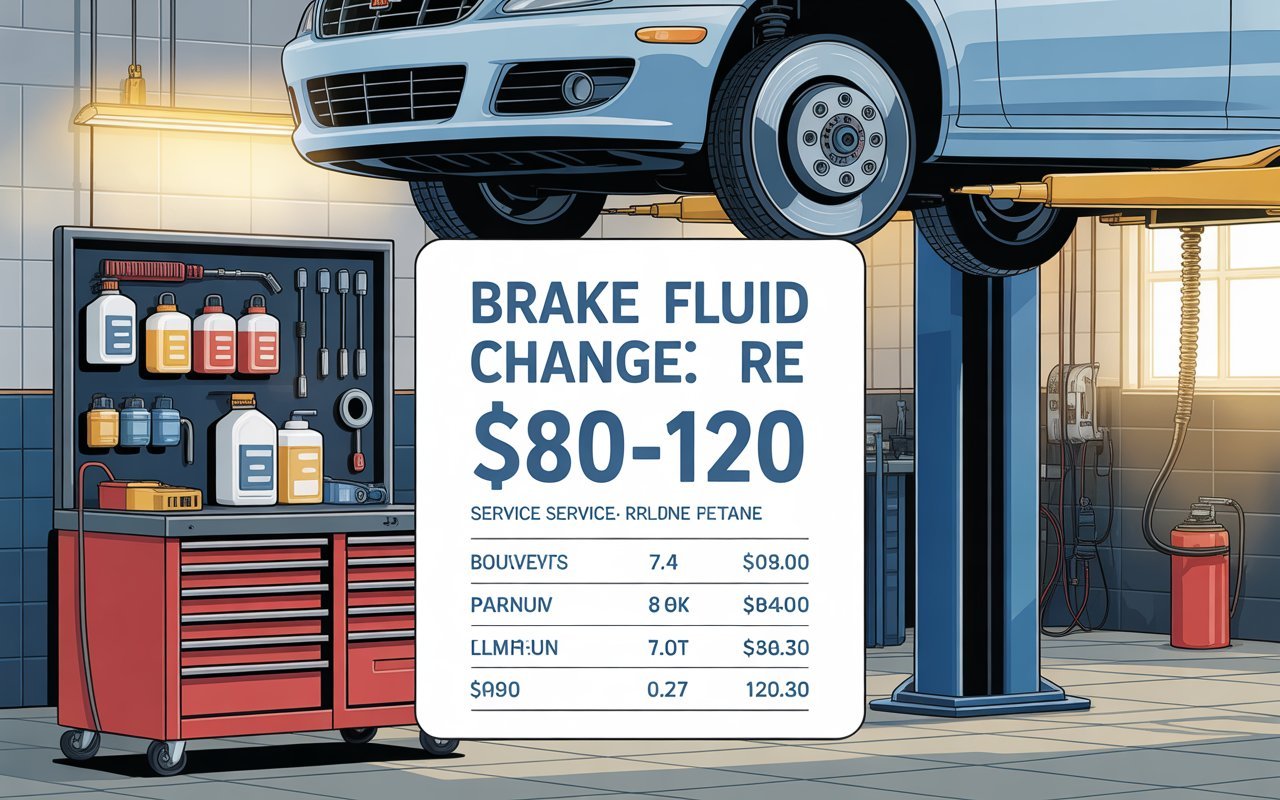
Brake fluid is a hydraulic liquid that transfers force from your brake pedal to the wheels. When you press the pedal, this fluid moves through lines and helps clamp the brake pads against the rotors.
Think of it like a messenger. If the messenger is slow or confused, the message doesn’t get delivered properly. In your car, that message is “STOP.”
Without healthy fluid, your vehicle won’t brake efficiently. It’s that simple.
2. Why Brake Fluid Needs to Be Changed
Brake fluid is hygroscopic. That means it absorbs moisture from the air over time. Even though your system is sealed, tiny amounts of humidity sneak in.
Moisture causes:
-
Corrosion inside brake lines
-
Reduced braking power
-
Increased stopping distance
-
Pedal softness
Water lowers the boiling point of the fluid. Under heavy braking, this can create vapor bubbles. And vapor doesn’t transmit pressure like liquid does. The result? Spongy brakes—or worse, brake failure.
Scary, right?
3. Average Brake Fluid Change Cost
Let’s get straight to the money question.
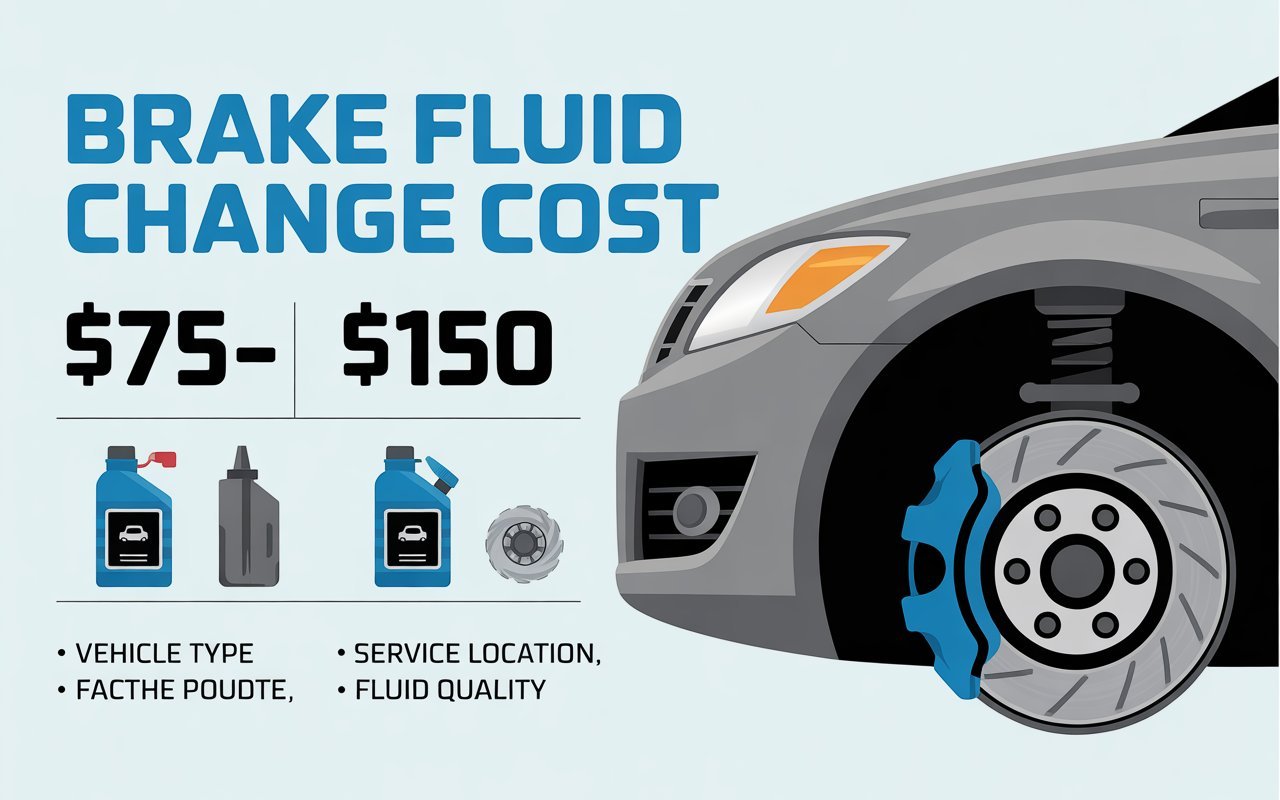
The average brake fluid change cost ranges between:
-
$70 to $120 at most repair shops
-
$100 to $180 at dealerships
This usually includes labor and new fluid. The service takes about 30 to 60 minutes.
Luxury vehicles or performance models may cost more because they often use premium brake fluid or require specialized tools.
But compared to brake system repairs that can cost hundreds or even thousands, this maintenance job is relatively affordable.
4. Factors That Affect the Price
Not all vehicles are priced the same. Here are the main factors that influence brake maintenance expenses:
Type of Vehicle
Compact cars are generally cheaper. Large SUVs and trucks may require more fluid.
Brake Fluid Type
There are different grades such as DOT 3, DOT 4, and DOT 5.1. Higher performance fluids cost more.
Location
Labor rates vary depending on your city or country. Urban shops typically charge more.
Shop Reputation
Dealerships and high-end service centers often charge premium rates.
Condition of the System
If bleeding is difficult due to corrosion or damaged components, labor time may increase.
5. Dealership vs. Local Mechanic vs. DIY
You’ve got options. Let’s break them down.
Dealership
-
Higher cost
-
Certified technicians
-
OEM fluid used
Local Mechanic
-
Usually more affordable
-
Flexible pricing
-
Often just as skilled
DIY
-
Cost of fluid: $10–$25
-
Tools needed: around $30–$50
DIY can save money, but bleeding brakes improperly can introduce air into the system. If you’re not confident, it’s best left to a professional.
After all, brakes aren’t something you want to experiment with casually.
6. How Often Should You Change It?
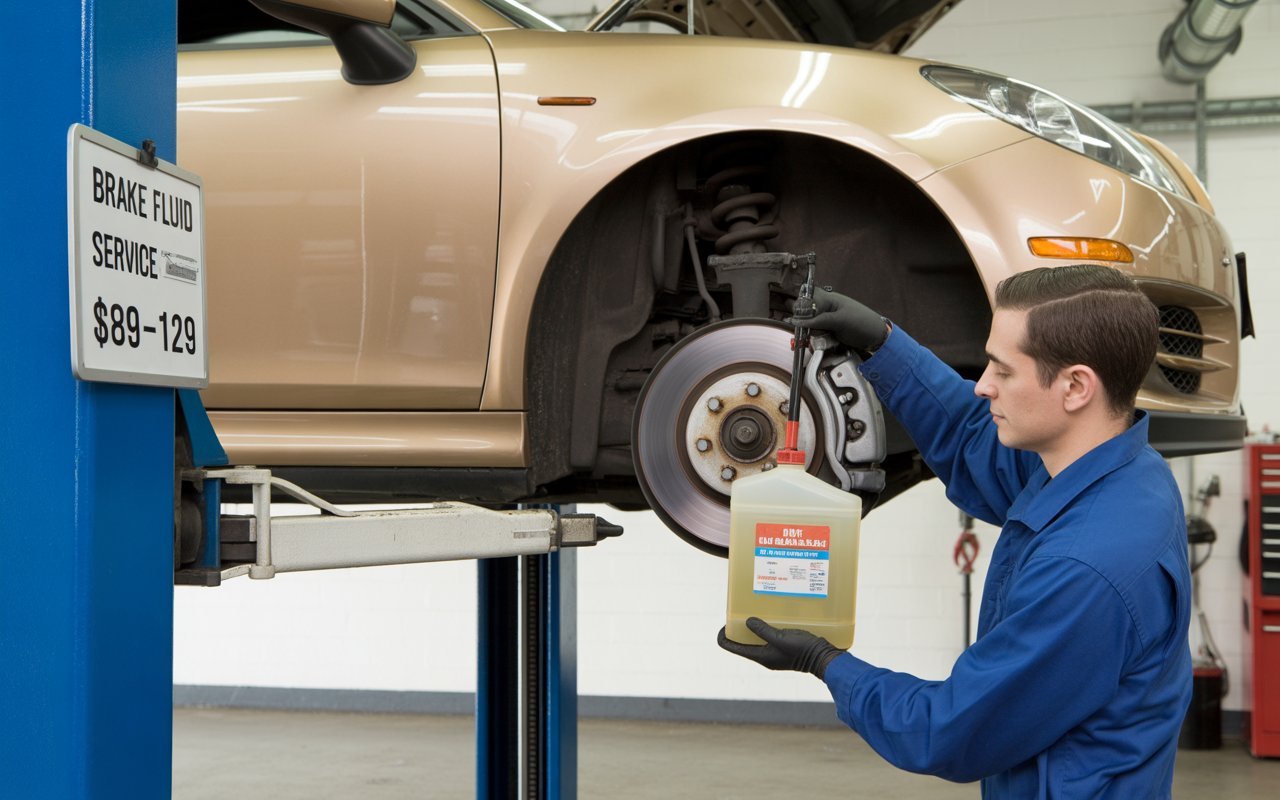
Most manufacturers recommend changing brake fluid every 2 to 3 years or every 30,000 miles.
However, always check your vehicle’s service manual. For example:
-
Toyota typically recommends inspection every 2 years.
-
Honda suggests replacement around 3-year intervals.
-
Ford recommends periodic inspection depending on usage.
Driving habits also matter. If you often drive in mountainous areas or tow heavy loads, your system works harder.
7. Signs Your Brake Fluid Is Bad
Wondering if yours needs attention? Watch for these signs:
-
Soft or spongy pedal
-
Longer stopping distances
-
Brake warning light
-
Dark or dirty fluid
-
Burning smell during heavy braking
Brake fluid should be clear or light amber. If it’s dark brown or black, contamination is likely.
When in doubt, a quick inspection at your service center can give you clarity.
8. What Happens During a Brake Fluid Service
A complete fluid flush includes:
-
Removing old contaminated fluid
-
Cleaning the system if necessary
-
Refilling with fresh fluid
-
Bleeding air from lines
It’s not just about topping off the reservoir. A full flush ensures old fluid doesn’t mix with new.
This is important because contaminated fluid lowers performance even if mixed in small amounts.
9. Can You Drive Without Changing It?
Technically, yes. But should you? Not really.
Driving with old fluid is like running a marathon while dehydrated. You may get through it—but performance drops and risks increase.
Over time, corrosion can damage calipers, master cylinders, and brake lines. Repair costs for these parts can exceed $500–$1,500.
Compared to that, routine fluid maintenance is a smart investment.
10. Is It Worth the Money?
Absolutely.
Your braking system is one of the most important safety features in your vehicle. We insure our cars, service the engine, and rotate tires. Why ignore brakes?
The brake fluid change cost is small compared to the safety benefits. It protects components and ensures reliable stopping power.
Think of it as preventive care—like regular dental cleanings. Small maintenance now prevents painful bills later.
11. How to Save Money on Brake Fluid Replacement
Want to reduce expenses? Try these tips:
-
Compare quotes from local shops
-
Look for service coupons
-
Combine with other maintenance visits
-
Avoid unnecessary upsells
-
Ask if fluid testing is included
Some shops offer brake system packages that bundle services at a discount.
Just make sure the service includes a complete flush—not just a refill.
12. Final Thoughts on Brake Fluid Change Cost
Maintaining your vehicle doesn’t have to be confusing or overwhelming. When it comes to brake system upkeep, staying proactive can save money and prevent danger.
The cost is modest, usually under $150, and the benefits are huge. Clean fluid keeps everything running smoothly and protects expensive components from wear and corrosion.
If it’s been more than two years since your last service, it may be time to schedule one. Your future self—and your safety—will thank you.
FAQs
1. How much does a brake fluid change cost on average?
Most drivers pay between $70 and $120 at standard repair shops, and slightly more at dealerships.
2. Is brake fluid replacement really necessary?
Yes. Over time, brake fluid absorbs moisture, which reduces braking efficiency and can cause internal damage.
3. Can I change brake fluid myself?
Yes, but it requires proper tools and knowledge. Improper bleeding can introduce air, affecting brake performance.
4. How long does a brake fluid service take?
Typically, 30 to 60 minutes depending on the vehicle and shop workload.
5. What happens if I ignore old brake fluid?
Ignoring it can lead to corrosion, reduced stopping power, and expensive brake repairs.
