

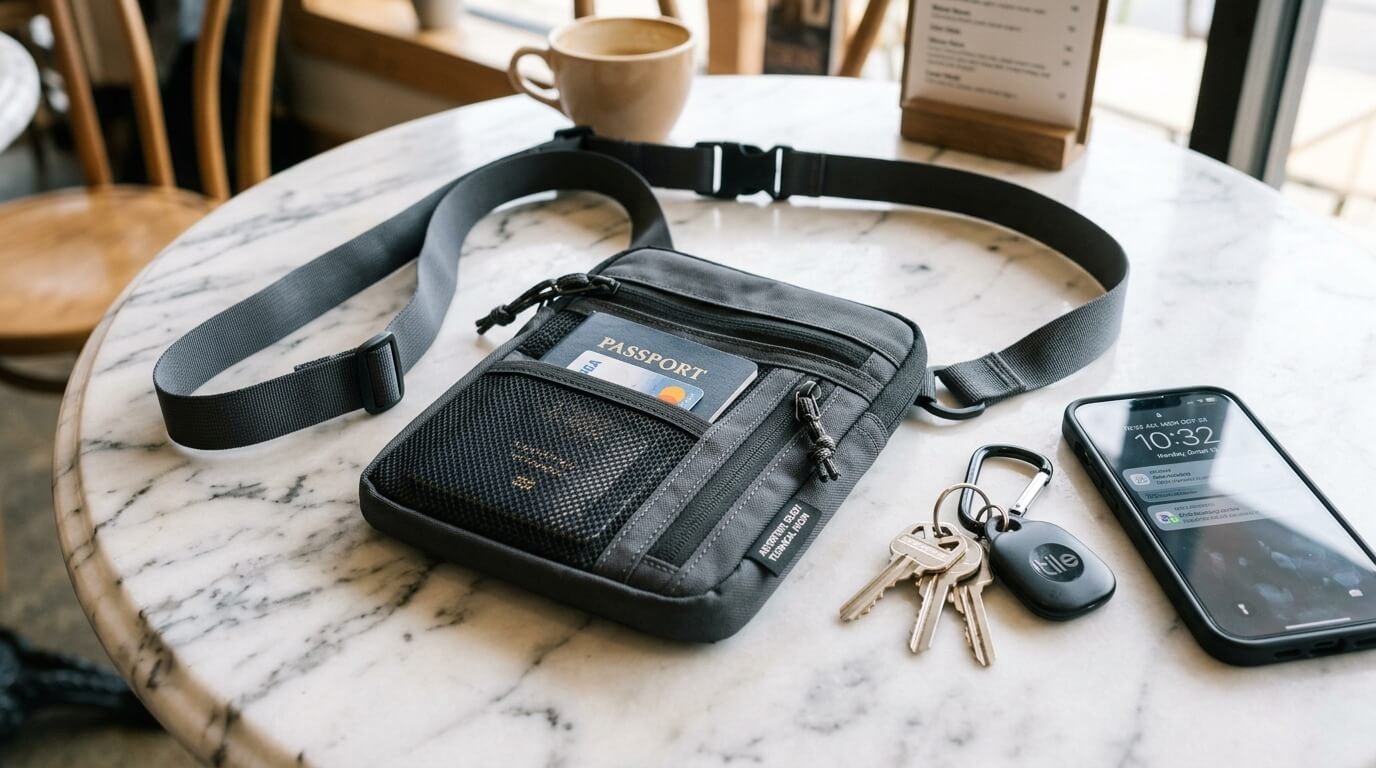

Travel should be exciting, not a constant worry about where you put your passport, cards, or cash. A good travel wallet can make a surprisingly big difference. Instead of digging through your backpack at the airport or checking your pockets every few minutes, you can keep your important items organized in one secure place.
But with so many styles available, how do you know which wallet is actually right for you? A compact passport holder may be perfect for one traveler, while someone going on a long international trip might prefer a larger organizer with room for several cards and documents.
Think of a travel wallet as your personal command center for small but important travel essentials. This guide explains what to look for, which features matter, and how to choose a wallet that matches your travel habits.
1. What Is a Travel Wallet?
A travel wallet is designed specifically to help you organize and carry essential items while traveling. Unlike a standard everyday wallet, it often has additional compartments for passports, boarding passes, travel cards, foreign currency, SIM cards, and other documents.
Some models are small enough to fit comfortably into a pocket. Others are designed as larger organizers that can hold multiple passports and several documents.
The ideal choice depends on your trip.
If you’re taking a short domestic flight, a simple card-and-cash wallet might be enough. For an international holiday, however, having dedicated passport and document compartments can be much more convenient.
The main purpose is simple: keep important travel items organized, accessible, and easier to protect.
2. Why a Travel Wallet Is Useful
Why carry a separate wallet when you already have one? For many travelers, the answer becomes obvious once they experience the convenience.
A dedicated travel wallet can help you keep everything together instead of spreading important items between your pockets and luggage.
Better Organization
Travel often involves multiple cards, currencies, tickets, identification documents, and receipts. A wallet with separate sections allows you to organize these items logically.
For example, you could keep your passport in the central compartment, payment cards in smaller slots, and emergency cash in a hidden section.
Less Stress at Airports
Airport security and boarding areas can become hectic. When your documents are organized in one place, you don’t need to search through several pockets every time you need your passport.
Easier Access
A well-designed wallet gives you quick access to the things you use most. This can be particularly helpful when you’re moving between airports, hotels, trains, and tourist attractions.
Better Protection
A sturdy wallet can provide some protection against scratches, bending, moisture, and everyday wear. Certain designs also include features intended to reduce unauthorized RFID scanning.
3. Types of Travel Wallets
Travel wallets aren’t all designed the same way. Understanding the major styles makes it easier to narrow down your options.
Passport Wallets
These are usually compact and designed around passport storage. They may also include card slots and a small cash compartment.
They are ideal if your main priority is keeping your passport and basic payment cards together.
Travel Organizers
Travel organizers are larger and offer more compartments. They may accommodate passports, boarding passes, cards, cash, receipts, SIM cards, and other documents.
They are useful for longer trips or travelers who prefer keeping everything in one organizer.
Neck Wallets
A neck wallet hangs from a strap and is generally worn underneath or outside clothing.
This style can be useful when you want your important documents physically close to you, particularly in crowded places.
Money Belts
Money belts are designed to sit discreetly against your body. They are often slim and focused primarily on carrying cash, cards, and identification.
They can be useful when security and discreet storage are major priorities.
Minimalist Travel Wallets
Minimalist wallets focus on carrying only the essentials. They are particularly suitable for travelers who dislike bulky pockets.
A minimalist design may include only a few card slots, a cash section, and perhaps a small passport compartment.
4. Important Features to Consider
The best travel wallet isn’t necessarily the most expensive one. Instead, look for features that solve your specific travel problems.
Compartment Design
Consider what you actually need to carry.
Do you need space for one passport or several? Will you carry multiple currencies? Do you need a slot for your boarding pass?
A wallet with too few compartments can become frustrating, while one with too many can become unnecessarily bulky.
Secure Closures
A zipper, snap, button, or magnetic closure can help prevent your belongings from falling out.
For international travel, a zippered design can provide an additional sense of security because the wallet remains closed when you’re moving around.
Easy Identification
Some travelers prefer a wallet with a clear section for identification or travel cards. This can save time when you need to show a document quickly.
Hidden Compartments
A hidden pocket can be useful for storing emergency cash or another small item that you don’t need to access frequently.
However, don’t use hidden compartments as a substitute for sensible travel security.
Comfort
A wallet should be comfortable to carry. If it is too thick, you’ll probably stop using it properly.
A good travel wallet should feel like a helpful tool—not an extra piece of luggage.
5. Passport Storage and Document Organization
Your passport is one of the most important items you carry internationally, so its storage deserves special attention.
Look for a passport compartment that holds the document securely without making it difficult to remove.
If you travel with family members, consider whether you need space for multiple passports.
A larger organizer can be especially useful for families because it can keep several passports, cards, and travel documents together.
Organization becomes even more valuable when you’re traveling with children. Instead of asking, “Who has the passport?” every time you reach a checkpoint, you can establish one secure place for all essential documents.
You should also avoid overstuffing the wallet. Excessive pressure can make documents harder to remove and may cause the wallet to lose its shape.
6. RFID Protection: Is It Worth It?
RFID stands for Radio Frequency Identification. Some payment cards contain RFID technology that allows compatible readers to communicate with them wirelessly.
Many travel wallets advertise RFID-blocking material designed to reduce unwanted wireless communication with compatible cards.
Is it essential?
Not necessarily for every traveler, but some people prefer having the additional feature for peace of mind.
If you choose an RFID-blocking wallet, make sure the product clearly states what it is designed to protect and understand that RFID protection does not prevent every type of theft or fraud.
Physical security still matters. Keeping your wallet secure, monitoring your cards, and avoiding unnecessary exposure of personal information remain important.
7. Choosing the Right Size and Capacity
Size is one of the biggest factors people overlook.
A wallet may look excellent online, but if it’s too large for your normal travel routine, you may find it inconvenient.
Before buying, make a quick list of what you usually carry:
- Passport
- Credit or debit cards
- Identification
- Boarding passes
- Foreign currency
- Emergency cash
- Hotel cards
- SIM cards
- Travel tickets
- Receipts
Now think about which of these items actually need to be inside the wallet.
For Short Trips
A compact wallet may be enough for a short getaway. You probably won’t need a large organizer if you’re carrying only one passport, a couple of cards, and some cash.
For International Travel
A medium-sized passport wallet can provide a useful balance between capacity and portability.
For Families
A larger organizer may be more convenient if you’re responsible for multiple passports and travel documents.
For Long Trips
Longer journeys often involve multiple currencies, tickets, receipts, and cards. A larger organizer may be worthwhile, provided it remains comfortable to carry.
Remember: capacity should match your needs, not your imagination.
8. Materials and Durability
The material of a travel wallet affects its appearance, weight, durability, and resistance to everyday use.
Leather
Leather wallets are popular because they can look elegant and develop character over time.
However, genuine leather can be heavier than synthetic alternatives and may require more care.
Nylon
Nylon is often lightweight and practical. It can be a good choice for travelers who prioritize function over formal appearance.
Polyester
Polyester wallets can provide a balance between affordability and durability. They’re commonly used in casual travel accessories.
Synthetic Materials
Synthetic leather and other manufactured materials can offer a leather-like appearance at a lower price.
When choosing a material, think about your travel environment. If you’re frequently outdoors, hiking, or moving through unpredictable weather, practicality may matter more than appearance.
9. Travel Wallets for Different Types of Travelers
There isn’t one universal winner because travelers have different priorities.
For Frequent Flyers
Frequent flyers may benefit from a slim organizer that provides fast access to passports, identification, and cards.
Convenience matters when you’re repeatedly moving through airports.
For Backpackers
Backpackers may prefer lightweight and durable materials. A wallet that can tolerate frequent handling and movement is often more practical than a luxury design.
For Families
Families should prioritize capacity and organization. Multiple passport compartments and separate sections for cards can reduce confusion.
For Business Travelers
Business travelers may prefer a professional-looking leather or premium-material wallet with enough space for identification, payment cards, and documents.
For Minimalists
If you travel light, don’t buy a huge organizer simply because it has more pockets.
A compact wallet that holds your essentials may be the better choice.
For Luxury Travelers
Travelers who care about aesthetics may prefer premium materials, refined stitching, and a sophisticated design.
The important thing is to balance appearance with practical usability.
10. How to Keep Your Wallet Secure While Traveling
Even the best wallet cannot protect you if you use it carelessly.
Avoid keeping all your money and cards in one easily accessible outer pocket.
Separate Your Emergency Cash
Consider carrying a small emergency reserve separately from your everyday spending money.
Keep Important Documents Close
Your passport and essential identification should remain under your control whenever possible.
Don’t Display Your Wallet Unnecessarily
In crowded areas, avoid openly handling large amounts of cash or showing every card you carry.
Use Your Hotel’s Security Options When Appropriate
When you’re carrying documents or valuables that you don’t need during an outing, consider whether your accommodation provides a secure storage option.
Keep Digital Backups
Having secure digital copies of important travel documents can be useful if an original document is lost. Make sure those copies are stored securely and don’t share them publicly.
Think of your travel wallet like a small safe. You wouldn’t leave a safe open in a crowded station, so don’t treat your wallet casually either.
11. Common Travel Wallet Mistakes to Avoid
Choosing the wrong wallet can create more problems than it solves.
Buying Something Too Large
More space sounds useful, but excessive capacity often leads to unnecessary clutter.
Ignoring the Closure
A wallet that doesn’t stay securely closed may be inconvenient when you’re walking, boarding transportation, or reaching into a bag.
Focusing Only on Appearance
A beautiful wallet isn’t necessarily a practical wallet.
Check its dimensions, compartments, material, and closure before making a decision.
Overloading It
Even a well-designed organizer can become bulky when filled with every card and receipt you own.
Carry only what you genuinely need.
Assuming RFID Protection Solves Everything
RFID protection is only one feature. It doesn’t replace basic awareness, strong account security, or careful handling of personal belongings.
Not Checking the Dimensions
Photos can be misleading. Always check the actual measurements before buying, especially if you want the wallet to fit inside a particular pocket or bag.
12. How to Choose the Best Travel Wallet for You
Instead of asking, “Which travel wallet is the best?” ask a better question:
“Which travel wallet is best for the way I travel?”
Start by identifying your priorities.
If you travel internationally several times a year, passport organization may be your biggest concern.
If you’re a minimalist, size and weight may matter more.
If you’re traveling with your family, capacity will probably be your priority.
If you visit crowded tourist destinations, discreet storage and secure closures may be more important.
Before buying, consider these questions:
- How many passports do I need to carry?
- How many cards do I actually use while traveling?
- Do I carry multiple currencies?
- Will I keep the wallet in my pocket or bag?
- Do I want RFID-blocking features?
- Do I prefer leather or lightweight synthetic materials?
- Does the wallet have enough compartments without becoming bulky?
- Is the closure secure?
- Are the dimensions suitable for my travel bag?
- Does the price match the quality and features?
Answer these questions honestly, and your choices will become much easier.
13. Care and Maintenance Tips
A quality travel wallet can last for years when you take care of it.
Don’t Overfill It
Overloading stretches pockets and can damage stitching.
Keep It Dry
If the wallet becomes wet, follow the care instructions for its material rather than exposing it to excessive heat.
Clean It Regularly
Remove old receipts, expired tickets, and unnecessary cards after each trip.
Inspect the Stitching
Before a major journey, check the seams, zipper, buttons, and straps.
Organize It Before Every Trip
Don’t wait until you’re standing at the airport. Prepare your wallet at home.
Remove unnecessary items and place your most frequently used documents where they are easy to reach.
This small habit can make travel noticeably smoother.
14. Final Thoughts
The best travel wallets combine organization, security, durability, comfort, and practical design. You don’t need the biggest or most expensive option. You need one that matches your travel style.
For a short trip, a compact passport wallet may be all you need. For international journeys or family vacations, a larger organizer can make managing documents much easier.
Before purchasing, think about what you actually carry and how you move through airports, hotels, stations, and tourist destinations. A little planning can help you find a wallet that feels almost invisible in your daily routine while keeping your important essentials organized.
In the end, the right travel wallet should make your journey simpler—not add another thing to worry about.
15. Frequently Asked Questions
1. What should I look for in the best travel wallets?
Look for a comfortable size, secure closure, durable material, useful compartments, passport storage, and enough space for your essential cards and cash. RFID-blocking material can also be considered if it is important to you.
2. Are travel wallets better than regular wallets?
For international trips, they can be more convenient because they are specifically designed to hold passports, travel documents, cards, and currencies. For everyday use, however, a regular wallet may be more practical.
3. Should a travel wallet have RFID protection?
RFID protection can provide an additional layer of protection for compatible RFID-enabled cards. However, it should be viewed as one feature rather than complete protection against theft or fraud.
4. Is a leather travel wallet a good choice?
Leather can be an excellent choice if you value durability and a classic appearance. However, lightweight nylon or synthetic materials may be better if you prioritize low weight and easy maintenance.
5. How many cards should I carry in a travel wallet?
Carry only the cards you are likely to need. Taking unnecessary cards increases clutter and can create additional problems if the wallet is lost. A primary payment card, backup card, identification, and any essential travel card may be sufficient depending on your trip.
